短時間の停戦が、ヘルソンの川沿いの殺りく地帯からの危険な脱出の窓を開く
November 3rd, 2026
短時間の停戦が、ヘルソンの川沿いの殺りく地帯からの危険な脱出の窓を開く
🇯🇵 日本語
A white towel on her gate and a white rag in her hand were the only ways Ukrainian Nataliia Diadiuk had to tell Russian drone operators that she was a civilian.
When a brief ceasefire came into effect on Oct. 27, she had a moment of respite.
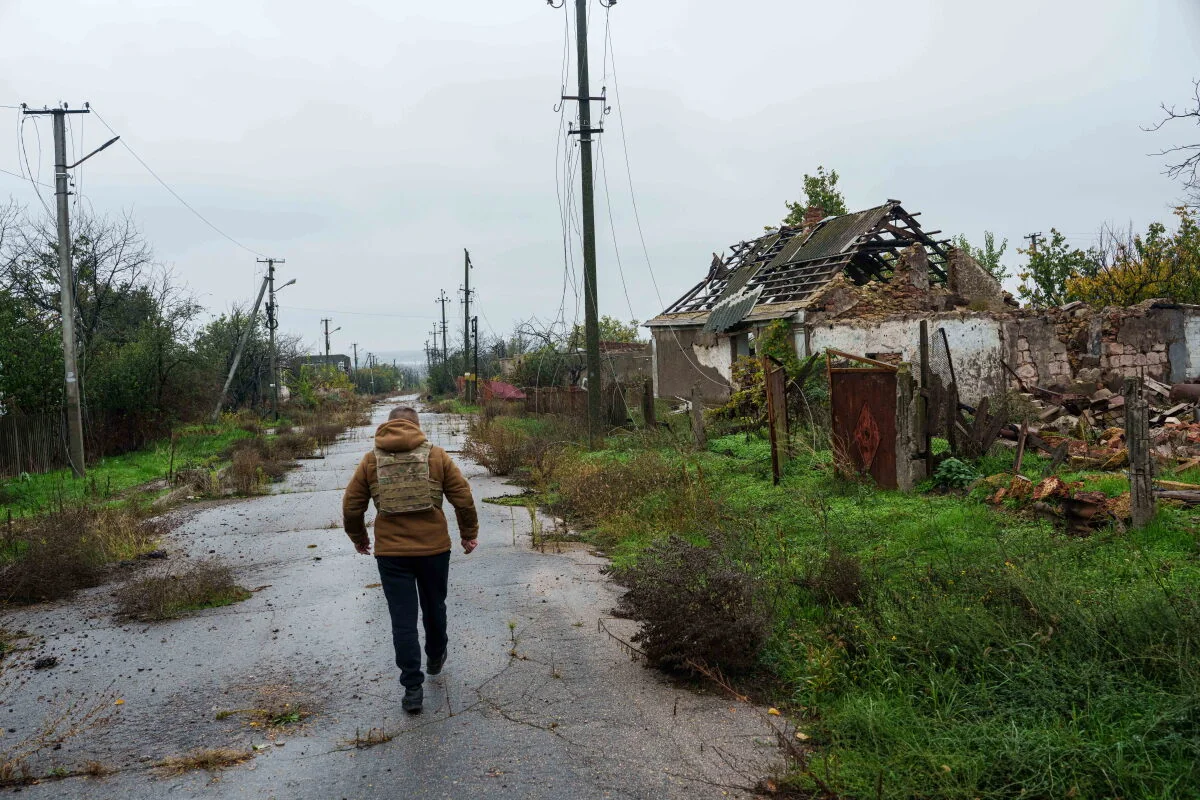
The 53-year-old ranks among a mere handful of residents who remain in Kozatske, a riverside village situated within the kill zone of Ukraine's Kherson region, less than 2 kilometers (1.2 miles) from an area under Russian control.
“What I truly long for is silence,” Diadiuk said, holding back tears as she stood on a deserted street flanked by abandoned houses.
“And I want to see the people who left — every one of them.
People departed for both sides.”
Diadiuk's life has been reduced to basic survival: rainwater to drink, firewood gathered around town for heat, a radio she tries to tune in to for news, and the remnants of humanitarian aid that had not reached her in two years until the brief ceasefire that ended Sunday night, just days after it began.
Going out means dodging every kind of weapon, including mines scattered everywhere.
The neighbours she mentions are more often the dead than the few still living nearby.
A team from Reporters gained rare access to a so-called red zone to see firsthand what life in the kill zone is like—a visit that was possible only because of a brief, localized ceasefire linked to the humanitarian aid mission in the Russian-occupied city of Oleshky.
Oleshky has captured the world’s attention, yet civilians remain trapped in numerous other locations on both sides of the front line.
During the mission, Ukrainian regional officials, police, the Ukrainian Red Cross Society and volunteers, facilitated by civil-military cooperation specialists, seized the rare window of opportunity to reach people on their side of the river, some of whom had been cut off for nearly two years.
In total, 180 people, among them 23 children, were evacuated from riverside communities and the city of Kherson, according to the regional administration.
Roughly 140,000 people remain in the Ukrainian-held portion of the Kherson region.
Before the war, the entire region—now almost 70% under Russian control—was home to roughly 1 million residents.
The riverside area is classified as a red zone, the highest level of military danger.
With the ceasefire having collapsed, residents will once again be exposed to drones, artillery, glide bombs and airdropped mines.
Nevertheless, many refuse to leave.
Some cannot afford to start over, while others will not abandon the places where they grew up.
Along the road leading to Diadiuk’s village, burnt-out cars lie abandoned where they were struck, flanked by wrecked ground robots that Ukrainians attempt to send down routes too dangerous for people.
A vestige of peacetime still endures on that road: “Thank you for keeping the roadside clean.”
In the village, numerous houses have been reduced to charred walls.
Glide bombs have gouged out craters, and the tail fins of shells protrude from the asphalt like flowers.
Mines dropped from drones lie scattered everywhere—some petal-shaped, others improvised and wrapped in foil or plastic—so that every step must be taken with caution.
Dense vegetation engulfs the ruins of abandoned houses.
What Diadiuk finds most unbearable is the howling of the dogs abandoned in the houses, surviving much as she does.
“Even for the sake of these, I can’t leave them,” she says, pointing to two thin dogs that never stray far from her.
Yet she shares what little food she has with other dogs as well.
Isolated and compelled to fight for survival on a daily basis, she has lost all sense of time.
“I turn on my phone only to see what day it is,” she says.
She charges it by means of solar panels.
Diadiuk collects rainwater, strains it through gauze, treats it with chlorine and boils it.
“The water here is more or less all right,” she says.
“There are a lot of dead lying in the houses, so it’s good water only in a manner of speaking.”
The village's ordeal commenced in the opening days of Russia's full-scale invasion, when it fell under occupation.
Following its liberation by Ukrainian forces, Kozatske gradually found itself subjected to siege by drones as the war grew increasingly technological in nature.
“Previously, I would simply open the door and step outside,” said Oleksii Shavokin, 54, who resides a little farther down the street.
“Now I open it a crack, stick my ear out and listen to the sky.”
His house was destroyed by fire in early 2023 following a mortar attack, he said, yet he repaired it and continues to reside there.
He subsists on ageing humanitarian aid and eggs from the hens he still keeps.
“I ration my food so it lasts. I’m used to it,” he said.
“Now I eat once a day, in the evening, and that’s quite enough.”
He has shed 30 kilograms (66 pounds) from a weight of close to 100 kilograms (220 pounds).
Many of those he knew perished in strikes, while others departed.
He resolved to remain.
“I value life, but what guarantee is there that a car won’t hit me somewhere else?” Shavokin said.
“Wherever it’s written for you, that’s where you’ll lose your life, or go on living.
And still, I hope this all ends soon.”
Many residents who stay do not know where they would go and fear they would be left to fend for themselves, said Oleh Tarabaka, head of the Nova Kakhovka city military administration.
He was part of the team that tried to persuade Diadiuk and Shavokin to leave.
But it is difficult, he said.
Many have lived there their entire lives and fear that, once they leave, they will have nothing to subsist on.
Not everyone has someone to turn to.
Some have no relatives at all.
"Had there not been a period of quiet, we simply wouldn't have gotten people out," Tarabaka said.
"We wouldn't have been able to drive in here."
What residents are going through goes beyond mere survival, Tarabaka said, adding that perhaps no word has yet been invented to describe it.
Some, however, can be persuaded to leave.
Such was the case for Yevhen and his mother, Antonina, who declined to give their last names for security reasons.
One of the military officials turned to Yevhen.
“Just make the right decision, the decision of a man and a son,” a Ukrainian soldier from the 42nd brigade who was part of the evacuation group told him.
Ultimately, they arrived at a consensus.
Throughout the entirety of her bombed-out town, Antonina wailed and wept, unwilling to depart.
Her cries reverberated through the deserted streets.
The temporary truce enabled the Red Cross to evacuate a considerably larger number of people than usual from Kherson city.
Ordinarily, every route and every stage must be planned around the constant threat posed by drones and other weapons.
“At present, certain streets and locations in Kherson constitute a kill zone as well.
It is simply impossible to slip through there.
The risk is extraordinarily high,” said Mykola Taranenko, commander of the Ukrainian Red Cross Society’s rapid response team in the Kherson region.
His team typically evacuates around 10 people a week, yet during the week of the ceasefire, it extracted 32.
Among those evacuated were Volodymyr and Kateryna Yakuba, both aged 77, who had divorced more than 20 years earlier yet departed the city together.
Their daughter arranged the evacuation, and they are to stay with her in Odesa.
“We need to get out before the cold sets in,” Kateryna said, adding, with regard to the ceasefire: “I don’t know how we would have gotten out otherwise.”
“It’s terrifying to leave home,” her voice trembled.
“You don’t know whether you’ll return, or whether there will be anything left to return to.”
November 3rd, 2026
Trending Articles
トランプ氏、習近平氏、プーチン氏が核リスクをめぐり異例の三者協議、突破口なし
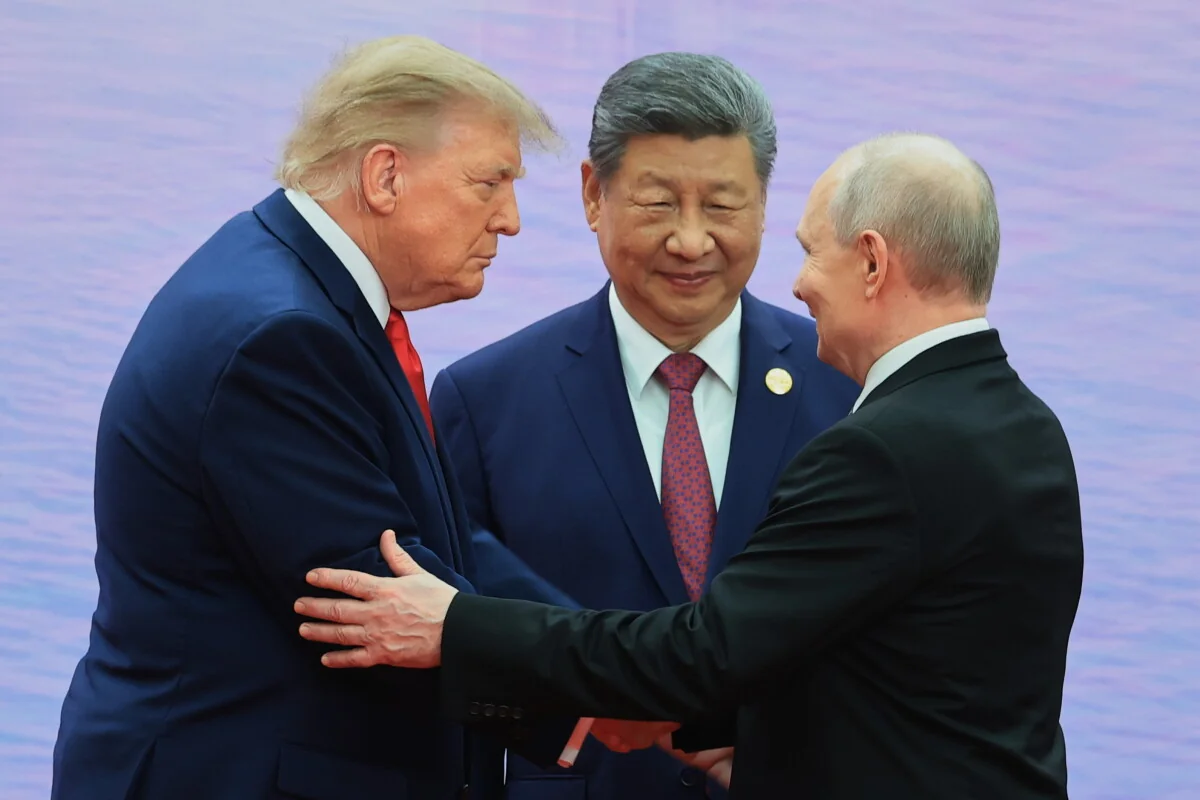
Trump, Xi and Putin hold rare three-way talks on nuclear risks without breakthroughs
トランプ氏、習近平氏、プーチン氏が核リスクをめぐり異例の三者協議、突破口なし
Trump, Xi and Putin hold rare three-way talks on nuclear risks without breakthroughs
歴史的なトランプ・習近平・プーチン首脳会談の主なポイント
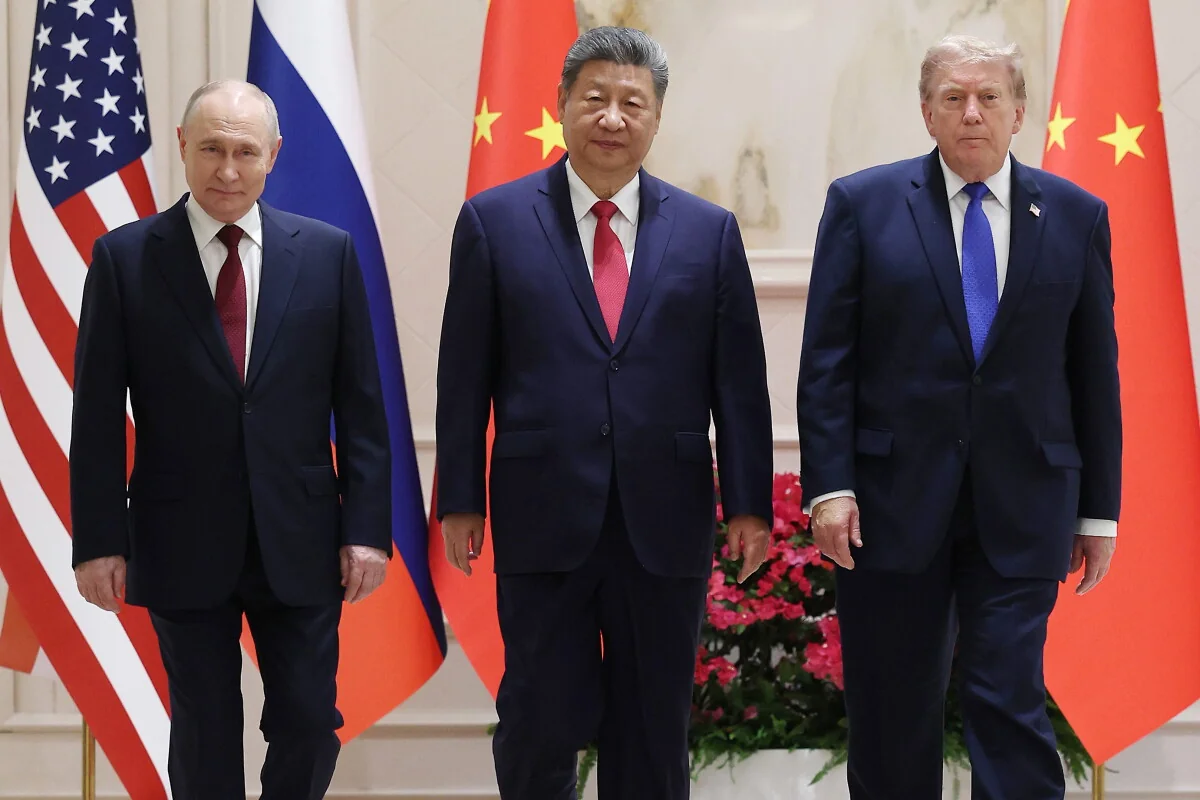
Key Takeaways from the Historic Trump–Xi–Putin Summit
歴史的なトランプ・習近平・プーチン首脳会談の主なポイント
Key Takeaways from the Historic Trump–Xi–Putin Summit

クシュナー氏:ロシアはウクライナに対するNATO型の安全保障保証に「前向き」
Kushner: Russia "comfortable" with NATO-style security guarantees for Ukraine
クシュナー氏:ロシアはウクライナに対するNATO型の安全保障保証に「前向き」
Kushner: Russia "comfortable" with NATO-style security guarantees for Ukraine
デンマーク、トランプとの緊張緩和を目指しアメリカ合衆国およびグリーンランドとの安全保障協定を承認
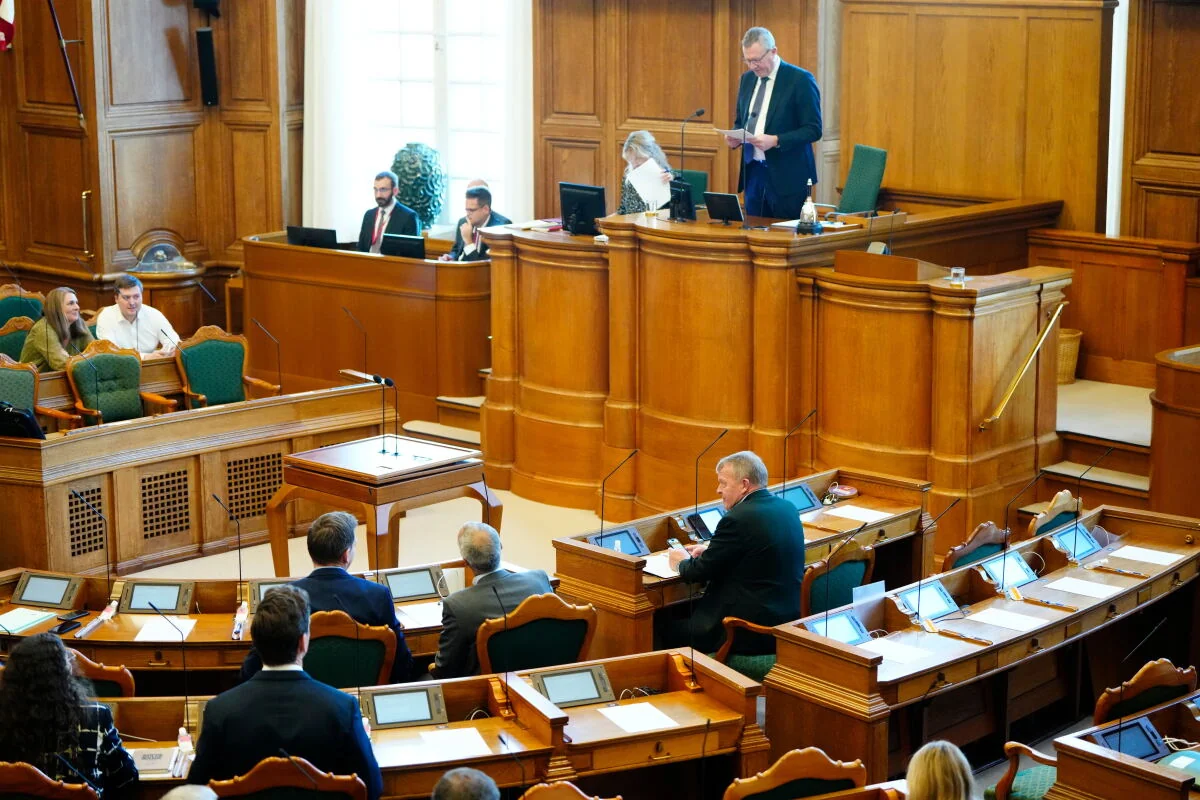
Denmark approves security deal with US and Greenland in bid to ease tensions with Trump
デンマーク、トランプとの緊張緩和を目指しアメリカ合衆国およびグリーンランドとの安全保障協定を承認
Denmark approves security deal with US and Greenland in bid to ease tensions with Trump

ウクライナのドローンとミサイルがロシアとクリミアを結ぶケルチ橋を攻撃
Ukrainian drones and missiles strike Kerch Bridge linking Russia to Crimea
ウクライナのドローンとミサイルがロシアとクリミアを結ぶケルチ橋を攻撃
Ukrainian drones and missiles strike Kerch Bridge linking Russia to Crimea

トランプ大統領、経済協定と同盟協議を伴うアジア歴訪を開始すべくフィリピンに到着
Trump lands in the Philippines to launch Asia tour with economic deals and allied talks
トランプ大統領、経済協定と同盟協議を伴うアジア歴訪を開始すべくフィリピンに到着
Trump lands in the Philippines to launch Asia tour with economic deals and allied talks

北マケドニア、ギリシャでのテロ計画阻止に関連し5人を逮捕、FBI手配のイラン人と関連
North Macedonia Arrests 5 Over Foiled Greece Terror Plot Tied to FBI-Wanted Iranian
北マケドニア、ギリシャでのテロ計画阻止に関連し5人を逮捕、FBI手配のイラン人と関連
North Macedonia Arrests 5 Over Foiled Greece Terror Plot Tied to FBI-Wanted Iranian
スペイン、2日間で約2,200人の移民がカナリア諸島に到着したと報告
Spain reports nearly 2,200 migrants arriving in Canary Islands within 2 days
スペイン、2日間で約2,200人の移民がカナリア諸島に到着したと報告
Spain reports nearly 2,200 migrants arriving in Canary Islands within 2 days

メガスピードは、NVIDIAの余波に関する社内調査のさなか、アリス・ファンが2025年に退社したと述べている。
Megaspeed says Alice Huang departed in 2025 amid internal probe into Nvidia fallout
メガスピードは、NVIDIAの余波に関する社内調査のさなか、アリス・ファンが2025年に退社したと述べている。
Megaspeed says Alice Huang departed in 2025 amid internal probe into Nvidia fallout

イスラエル議会、ネタニヤフの反対派が支持する新たなクネセト議長を選出
Israeli parliament elects new Knesset speaker backed by Netanyahu's opponents
イスラエル議会、ネタニヤフの反対派が支持する新たなクネセト議長を選出
Israeli parliament elects new Knesset speaker backed by Netanyahu's opponents