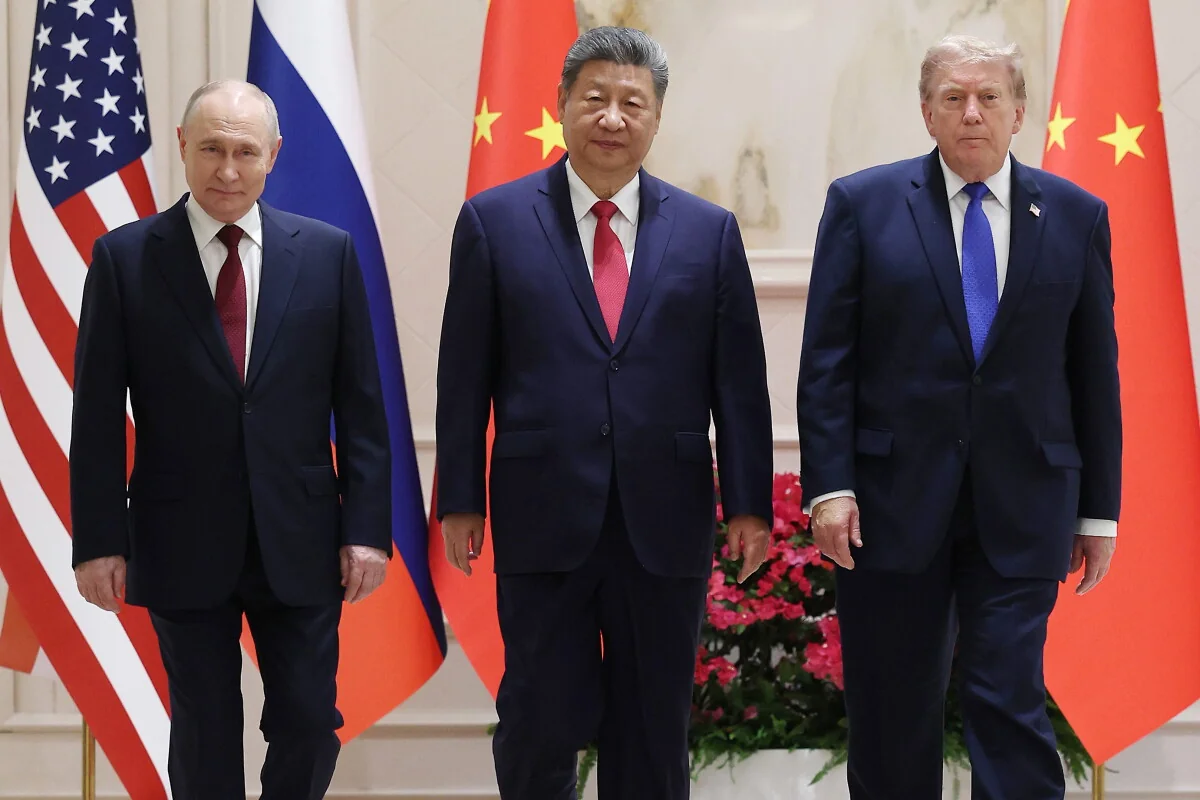
歴史的なトランプ・習近平・プーチン首脳会談の主なポイント
November 20th, 2026
歴史的なトランプ・習近平・プーチン首脳会談の主なポイント
🇯🇵 日本語
The meeting on Thursday between U.S. President Donald Trump, China's Xi Jinping and Russia's Vladimir Putin marked the first-ever sit-down involving the leaders of all three countries.
They began by speaking of a shared responsibility to keep peace, both as victors of World War II and as global powers.
Yet the readouts the three nations issued after the meeting showed more symbolism than substance.
The “peace declaration” issued following their meeting contained no reference to Russia’s war in Ukraine or to the U.S.-led war in Iran.
It stated that they had concurred on the necessity of reforms to the United Nations, on augmenting oil supplies and on mitigating nuclear risks.
The statement did not specify the nature or scope of the U.N. reforms to which the leaders had agreed.
The three sides also agreed that state officials should be granted immunity from prosecution, opposing what they called "jurisdiction abuse" by the International Criminal Court, according to the reports.
The following constitute the principal takeaways from the talks, which extended for more than an hour.
Xi enhanced China’s already burgeoning diplomatic stature simply by hosting the event.
He described the talks with Trump and Putin as positive and fruitful, stating that the three nations held aligned views on safeguarding world peace, according to China’s Xinhua official news agency.
They agreed that major powers should take the legitimate security concerns of all countries seriously and expressed the view that differences should be resolved through negotiation and cooperation, Xinhua reported.
“So long as dialogue persists, doors remain open and there is hope for peace,” Xi was quoted as saying.
“The seeds sown at today’s trilateral meeting will surely take root, sprout, blossom and bear fruit.”
The leaders' broadly worded agreement did not address China's insistence that it has the right to recover the democratically governed island of Taiwan, possibly by force — a matter China considers a domestic issue.
Ruby Osman, a senior policy adviser at London's Tony Blair Institute for Global Change, said that China likes to position itself as a different kind of superpower from the U.S. and Russia — one that does not get involved in wars and advocates for smaller states.
Beijing’s priority, she said, was to steer the meeting away from specifics.
“Beijing wanted to be seen as the adult in the room.”
Trump hailed the leaders’ gathering as “really making history” and suggested to Xi and Putin that, together, they were shaking things up by abandoning the “old school” way in which adversaries engage.
The White House set low expectations for the talks.
But Trump framed them on Thursday as merely the beginning — an opportunity to get the conversation underway on addressing some of the world’s most intractable issues.
"A great many wonderful things may emerge from this, or at the very least begin," Trump told Putin during a one-on-one meeting ahead of their three-way meeting with Xi.
The carefully crafted event gave Trump a welcome break after a difficult few weeks for his presidency, during which his Republican Party was heavily defeated in the midterm elections, widespread tech outages alarmed Americans, and Iran intensified its attacks on U.S. allies.
Trump stated that Iran was on the agenda, as was Russia’s war against Ukraine.
China and Russia wield considerable influence over Tehran and have likewise been accused by the U.S. of supporting the Islamic Republic.
He said again on Thursday that he and Xi agree Iran needs to fully reopen the Strait of Hormuz, a waterway vital to world energy supplies that has become a chokepoint since the war began.
Trump said they also agree that Iran cannot obtain a nuclear weapon.
However, there were no indications that Trump had secured any agreements from Xi or Putin to assist in resolving the Iran conflict.
After the talks, Trump joined a meeting in Berlin by phone, where U.S. envoys Jared Kushner and Steve Witkoff met with Ukrainian President Volodymyr Zelenskyy and more than 40 European leaders backing Ukraine's war effort.
Trump informed the Berlin gathering that he had spoken with Xi and Putin regarding the pursuit of a peaceful resolution to the war in Ukraine, Witkoff said.
For Putin, the three-way talks on the sidelines of the APEC summit — and his separate meetings with both leaders earlier — gave the Kremlin leader a much-coveted opportunity to signal that he leads a superpower on par with the United States and China.
Trump and Putin found common ground in their shared opposition to the ICC.
The Russian leader is the subject of an ICC arrest warrant for his alleged war crimes in Ukraine.
The U.S. opposes the ICC’s arrest warrant against former Israeli Prime Minister Benjamin Netanyahu.
Putin last attended an APEC summit in 2017.
His presence as an honored guest and Russia’s status as a top global power — at least at the gathering in Shenzhen — constitute a diplomatic breakthrough.
Shortly before the summit, Russia sent a pair of nuclear-capable Tu-95 bombers on a visit to Vietnam as a reminder of its nuclear might.
And as Putin arrived in China, Russian TV focused on an officer in his retinue who was carrying a briefcase containing the codes for Moscow's nuclear forces.
During Wednesday's talks, Putin addressed Xi as "dear friend", and on Thursday he smiled contentedly while shaking hands with Trump, who called him "my friend" and boasted of their "great relationship for many years".
Addressing the opening of the trilateral talks, Putin emphasised the global stature of Russia, China and the U.S.
The three nations are “united not only by our status as victors in World War II, but, most importantly, by our shared responsibility for maintaining international peace and security,” he said.
Putin noted that they are likewise among the founders of the United Nations, adding that “we bear responsibility for preserving and strengthening the system of international law.”
“Our nations share numerous common interests with regard to the resolution of regional conflicts, including, of course, the conflict in Ukraine,” Putin said.
Russia’s war in Ukraine came up in Putin’s bilateral meetings with Trump and Xi, though it wasn’t the main topic of the three-way talks, Putin’s spokesman Dmitry Peskov said.
The Kremlin released footage of the Chinese leader escorting the Russian president to his car at the conclusion of the talks, as well as the two men shaking hands.
“I doubt anyone even expected things to go quite so well,” Putin told Xi as the two men parted.
November 20th, 2026
Trending Articles
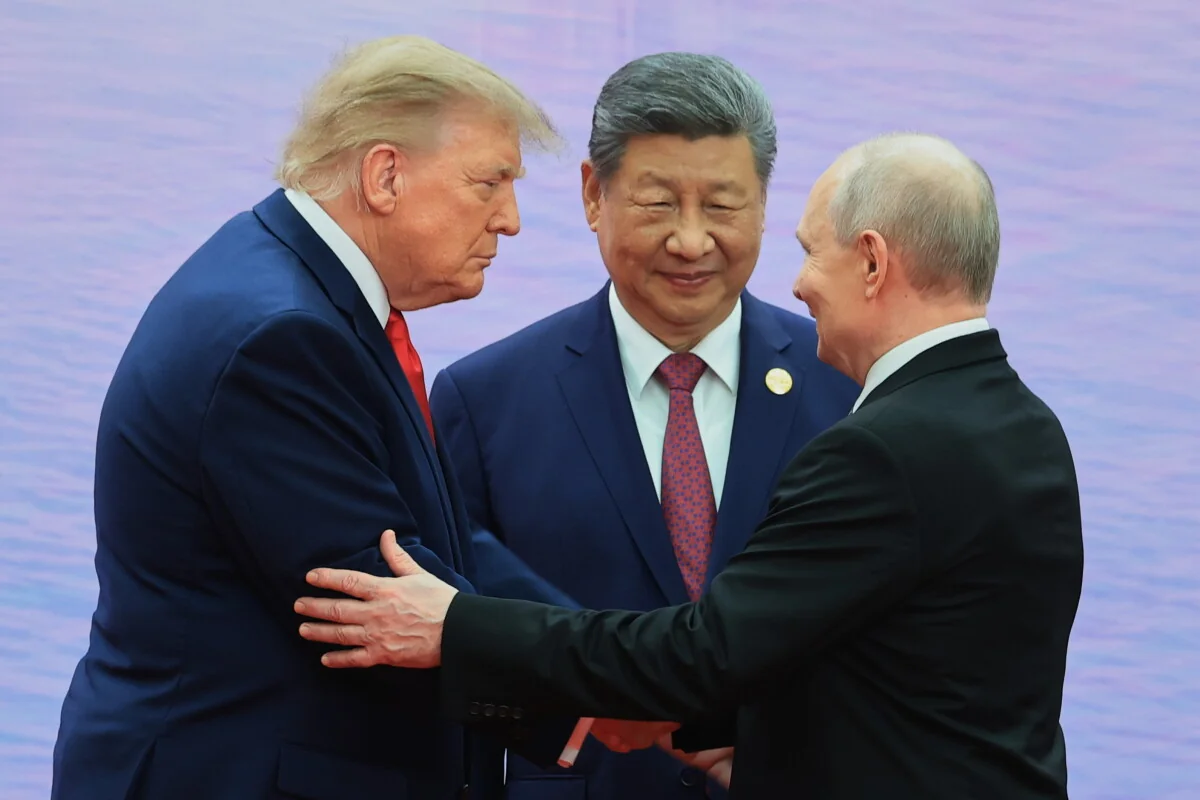
トランプ氏、習近平氏、プーチン氏が核リスクをめぐり異例の三者協議、突破口なし
Trump, Xi and Putin hold rare three-way talks on nuclear risks without breakthroughs
トランプ氏、習近平氏、プーチン氏が核リスクをめぐり異例の三者協議、突破口なし
Trump, Xi and Putin hold rare three-way talks on nuclear risks without breakthroughs
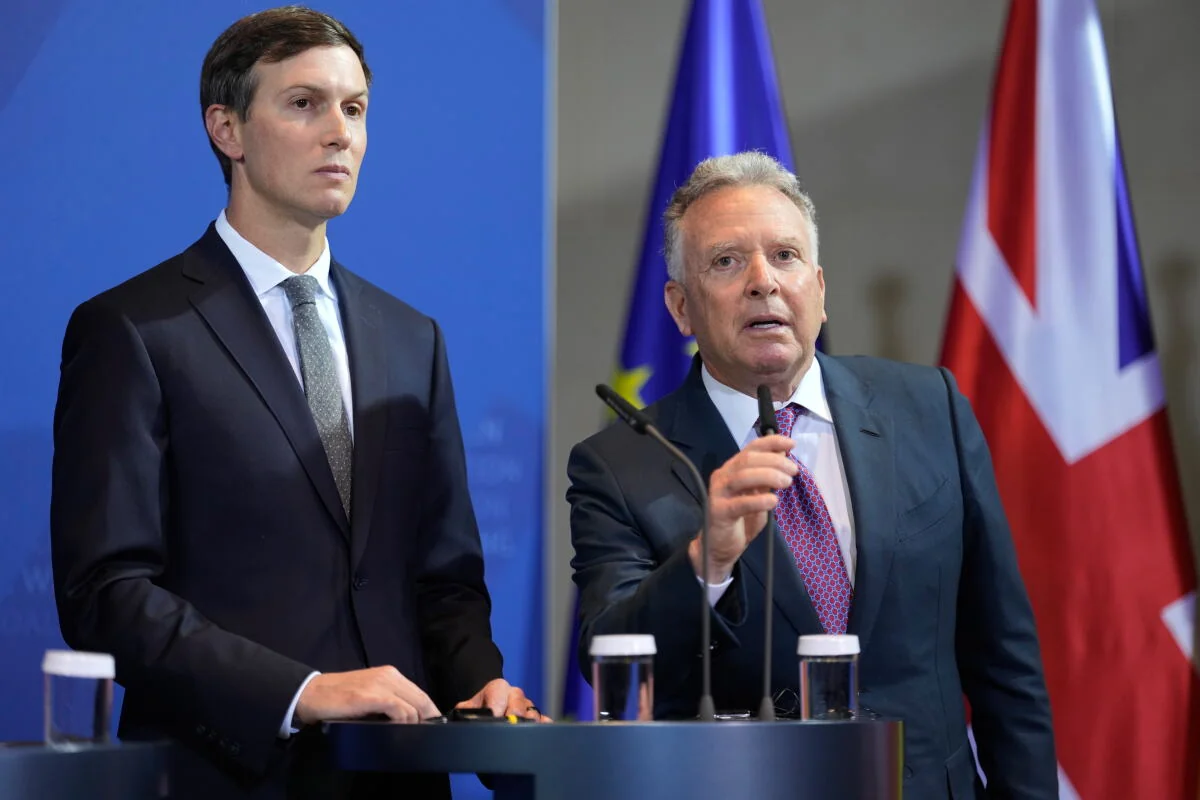
クシュナー氏:ロシアはウクライナに対するNATO型の安全保障保証に「前向き」
Kushner: Russia "comfortable" with NATO-style security guarantees for Ukraine
クシュナー氏:ロシアはウクライナに対するNATO型の安全保障保証に「前向き」
Kushner: Russia "comfortable" with NATO-style security guarantees for Ukraine
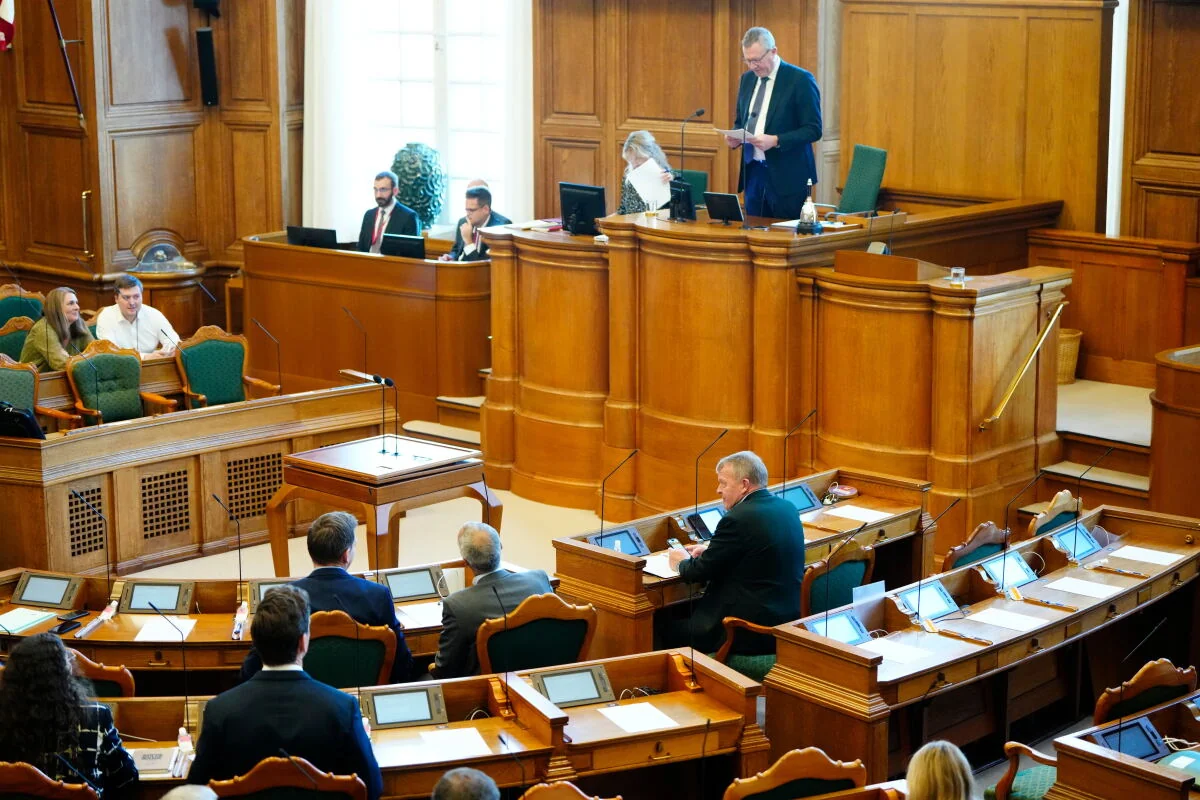
デンマーク、トランプとの緊張緩和を目指しアメリカ合衆国およびグリーンランドとの安全保障協定を承認
Denmark approves security deal with US and Greenland in bid to ease tensions with Trump
デンマーク、トランプとの緊張緩和を目指しアメリカ合衆国およびグリーンランドとの安全保障協定を承認
Denmark approves security deal with US and Greenland in bid to ease tensions with Trump
ウクライナのドローンとミサイルがロシアとクリミアを結ぶケルチ橋を攻撃
Ukrainian drones and missiles strike Kerch Bridge linking Russia to Crimea
ウクライナのドローンとミサイルがロシアとクリミアを結ぶケルチ橋を攻撃
Ukrainian drones and missiles strike Kerch Bridge linking Russia to Crimea
トランプ大統領、経済協定と同盟協議を伴うアジア歴訪を開始すべくフィリピンに到着
Trump lands in the Philippines to launch Asia tour with economic deals and allied talks
トランプ大統領、経済協定と同盟協議を伴うアジア歴訪を開始すべくフィリピンに到着
Trump lands in the Philippines to launch Asia tour with economic deals and allied talks
北マケドニア、ギリシャでのテロ計画阻止に関連し5人を逮捕、FBI手配のイラン人と関連
North Macedonia Arrests 5 Over Foiled Greece Terror Plot Tied to FBI-Wanted Iranian
北マケドニア、ギリシャでのテロ計画阻止に関連し5人を逮捕、FBI手配のイラン人と関連
North Macedonia Arrests 5 Over Foiled Greece Terror Plot Tied to FBI-Wanted Iranian
スペイン、2日間で約2,200人の移民がカナリア諸島に到着したと報告
Spain reports nearly 2,200 migrants arriving in Canary Islands within 2 days
スペイン、2日間で約2,200人の移民がカナリア諸島に到着したと報告
Spain reports nearly 2,200 migrants arriving in Canary Islands within 2 days
メガスピードは、NVIDIAの余波に関する社内調査のさなか、アリス・ファンが2025年に退社したと述べている。
Megaspeed says Alice Huang departed in 2025 amid internal probe into Nvidia fallout
メガスピードは、NVIDIAの余波に関する社内調査のさなか、アリス・ファンが2025年に退社したと述べている。
Megaspeed says Alice Huang departed in 2025 amid internal probe into Nvidia fallout
イスラエル議会、ネタニヤフの反対派が支持する新たなクネセト議長を選出
Israeli parliament elects new Knesset speaker backed by Netanyahu's opponents
イスラエル議会、ネタニヤフの反対派が支持する新たなクネセト議長を選出
Israeli parliament elects new Knesset speaker backed by Netanyahu's opponents