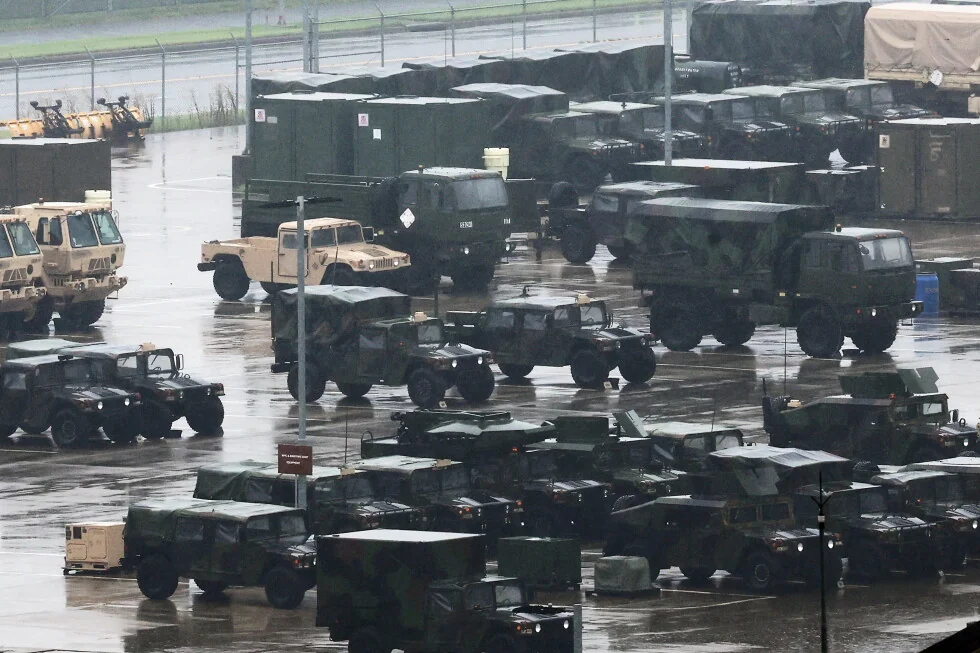
Las fuerzas militares de Estados Unidos y Corea del Sur concluyen su ejercicio de manera prematura, un día después de la andanada de misiles de Corea del Norte.
August 21st, 2026
Las fuerzas militares de Estados Unidos y Corea del Sur concluyen su ejercicio de manera prematura, un día después de la andanada de misiles de Corea del Norte.
🇪🇸 Español
The U.S. and South Korean militaries concluded their annual exercise six days ahead of the originally scheduled conclusion on Friday, a gesture of conciliation directed at North Korea, which nonetheless asserted that such a measure remains insufficient to induce its return to dialogue.
President Donald Trump of the United States had, in a prior and abrupt directive, instructed the Pentagon to effect a "substantial reduction" in the scale of the Ulchi Freedom Shield exercise, mere moments before its commencement on Monday.
Trump adduced as justification what he characterized as his congenial rapport with North Korean leader Kim Jong Un, alongside South Korea's refusal to lend its support to him regarding the conflict in Iran.
The Republic of Korea Armed Forces proclaimed that the Ulchi Freedom Shield, a collaborative command post exercise conducted in tandem with the United States, culminated on Friday.
This month’s exercise was initially reported to have been scheduled in two phases spanning 11 days, simulating North Korean attacks — the first phase, running until Friday, focused on defensive operations, while the second, extending until Aug. 27, centered on counteroffensive operations.
North Korea exhibits acute sensitivity to the latter phase.
The Republic of Korea and the United States had likewise scheduled fourteen combined field training exercises for the Ulchi Freedom Shield period, yet they have concurred on halving that number as well, per the South Korean military.
Kim Yo Jong, the influential sister of North Korean leader Kim Jong Un, dismissed Trump's overture on Wednesday, asserting that curtailing the duration and scale of the drills would not alter their 'provocative, aggressive nature.'
The following day, the Democratic People's Republic of Korea launched approximately ten short-range ballistic missiles into the sea, ostensibly fulfilling its earlier admonition to retaliate against the joint U.S.–South Korean military exercises, which it perceives as a dress rehearsal for invasion.
The U.S. Pacific Command asserted that the aforementioned occurrences did not constitute an imminent menace to U.S. territory or its allies, while simultaneously reaffirming its unwavering commitment to the defense of the U.S. homeland and its regional allies.
Kim Yo Jong’s pronouncement extinguished prospects for the prompt resumption of dialogue between Trump and Kim Jong Un, whose antecedent nuclear diplomacy foundered in 2019.
Kim Jong Un has exploited the diplomatic impasse to augment his bargaining position by modernizing his nuclear and missile capabilities and aligning with Russia in its war against Ukraine.
Kim Jong Un intimated last year that he would refrain from returning to negotiations unless the United States abandons its insistence on North Korean denuclearization as a prerequisite for diplomatic engagement.
Kim Yo Jong nonetheless employed comparatively restrained language, eschewing the vitriolic rhetoric characteristic of North Korean pronouncements, and alluded to what she characterized as an “excellent” rapport between her brother and Trump.
This implies that Pyongyang is disinclined to foreclose the possibility of future dialogue entirely, and may endeavor to extract more substantial concessions from Washington, including international acknowledgment of its nuclear status and comprehensive relief from sanctions.
By supplying ammunition and troops to Russia, North Korea is likely receiving economic and military assistance in return, and its deepening ties with Moscow afford it considerable leverage in soliciting more substantial support from China, its foremost trading partner.
“Once this strategic gambit has run its course, Kim may well seek to extract further economic and reputational dividends from Washington,” observed Leif-Eric Easley, a professor at Ewha University in Seoul.
“However, that is likely to transpire only after the U.S. midterm elections, when Trump is anticipated to occupy a more precarious domestic political footing and to be actively pursuing headline-grabbing foreign policy initiatives.”
Kim Dong-yub, a professor at the University of North Korean Studies in Seoul, posited that Kim Yo Jong’s statement articulated North Korea’s stance that a personal rapport between her brother and Trump “can’t be a factor that moves current North Korean-U.S. relations.”
He contended that Kim Yo Jong likely sought to preempt conjecture that Trump’s overture could resuscitate diplomacy, thereby forestalling full culpability should such rapprochement fail to materialize.
Kim Yo Jong refuted Trump’s assertion that Kim Jong Un had responded to his overture for dialogue.
When queried by journalists on Wednesday as to whether he would convene with Kim Jong Un within the year, Trump affirmed, “Yeah, I will be.”
The Ulchi Freedom Shield constitutes one of the principal military exercises conducted annually by the United States and South Korea, designed to fortify their capacity to counter potential North Korean aggression; consequently, its reduction in scale has precipitated apprehension regarding the preparedness of the joint U.S.–South Korean forces.
August 21st, 2026
Trending Articles
Los líderes de la ONU se reúnen mientras el secretario general aboga por un «mundo construido sobre la interdependencia»
UN leaders convene as secretary-general advocates a ‘world built on interdependence’
Los líderes de la ONU se reúnen mientras el secretario general aboga por un «mundo construido sobre la interdependencia»
UN leaders convene as secretary-general advocates a ‘world built on interdependence’
Trump firma un pacto entre EE. UU., Dinamarca y Groenlandia para reforzar la seguridad en el Ártico
Trump Inks US-Denmark-Greenland Pact to Fortify Arctic Security
Trump firma un pacto entre EE. UU., Dinamarca y Groenlandia para reforzar la seguridad en el Ártico
Trump Inks US-Denmark-Greenland Pact to Fortify Arctic Security
En la ONU, Trump defiende ante los líderes mundiales la guerra contra Irán
At UN, Trump Defends War on Iran to World Leaders
En la ONU, Trump defiende ante los líderes mundiales la guerra contra Irán
At UN, Trump Defends War on Iran to World Leaders
Los diplomáticos describen un mundo en convulsión mientras se inaugura la reunión anual de la ONU: caótico, problemático, impredecible
Diplomats depict a world in turmoil as UN annual meeting convenes: messy, troubled, unpredictable
Los diplomáticos describen un mundo en convulsión mientras se inaugura la reunión anual de la ONU: caótico, problemático, impredecible
Diplomats depict a world in turmoil as UN annual meeting convenes: messy, troubled, unpredictable
La propuesta de la UE de un «miembro asociado» para Canadá: posibles implicaciones
The EU’s “associate member” overture to Canada: potential implications
La propuesta de la UE de un «miembro asociado» para Canadá: posibles implicaciones
The EU’s “associate member” overture to Canada: potential implications
La Casa Blanca anuncia que Trump se reunirá con la presidenta interina de Venezuela, Delcy Rodríguez, en Nueva York la próxima semana
Trump to convene with Venezuelan acting President Delcy Rodríguez in New York next week, White House announces
La Casa Blanca anuncia que Trump se reunirá con la presidenta interina de Venezuela, Delcy Rodríguez, en Nueva York la próxima semana
Trump to convene with Venezuelan acting President Delcy Rodríguez in New York next week, White House announces
La economía rusa en tiempos de guerra afronta una erosión a largo plazo por la deuda y el gasto militar
Russia’s Wartime Economy Faces Long-Term Erosion from Debt and Military Spending
La economía rusa en tiempos de guerra afronta una erosión a largo plazo por la deuda y el gasto militar
Russia’s Wartime Economy Faces Long-Term Erosion from Debt and Military Spending
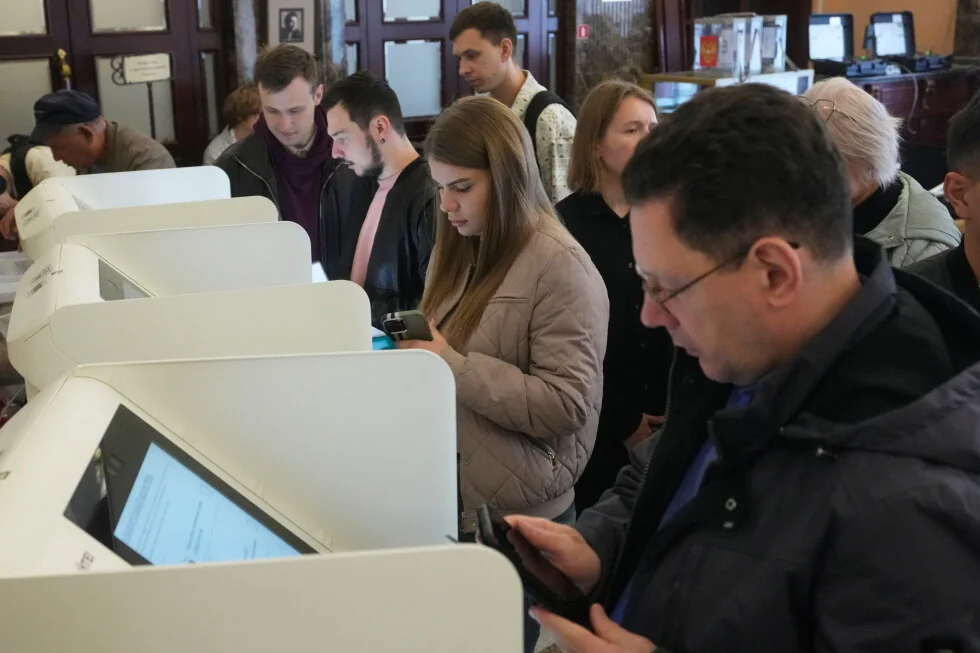
Rusia emprende tres días de votación en unas elecciones parlamentarias dispuestas a afianzar el poder del Kremlin
Russia Embarks on Three Days of Voting in Parliamentary Election Poised to Entrench Kremlin’s Power
Rusia emprende tres días de votación en unas elecciones parlamentarias dispuestas a afianzar el poder del Kremlin
Russia Embarks on Three Days of Voting in Parliamentary Election Poised to Entrench Kremlin’s Power
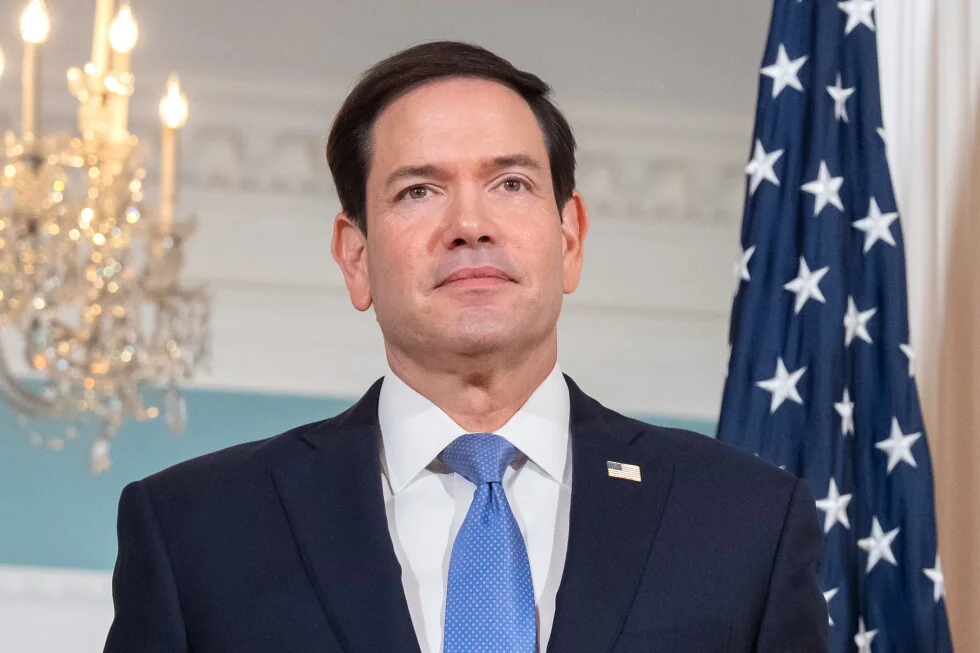
EE. UU. concede visados a altos líderes iraníes para la reunión de alto nivel de la ONU pese a las hostilidades en tiempo de guerra
US grants visas to top Iranian leaders for UN high-level meeting despite wartime hostilities
EE. UU. concede visados a altos líderes iraníes para la reunión de alto nivel de la ONU pese a las hostilidades en tiempo de guerra
US grants visas to top Iranian leaders for UN high-level meeting despite wartime hostilities
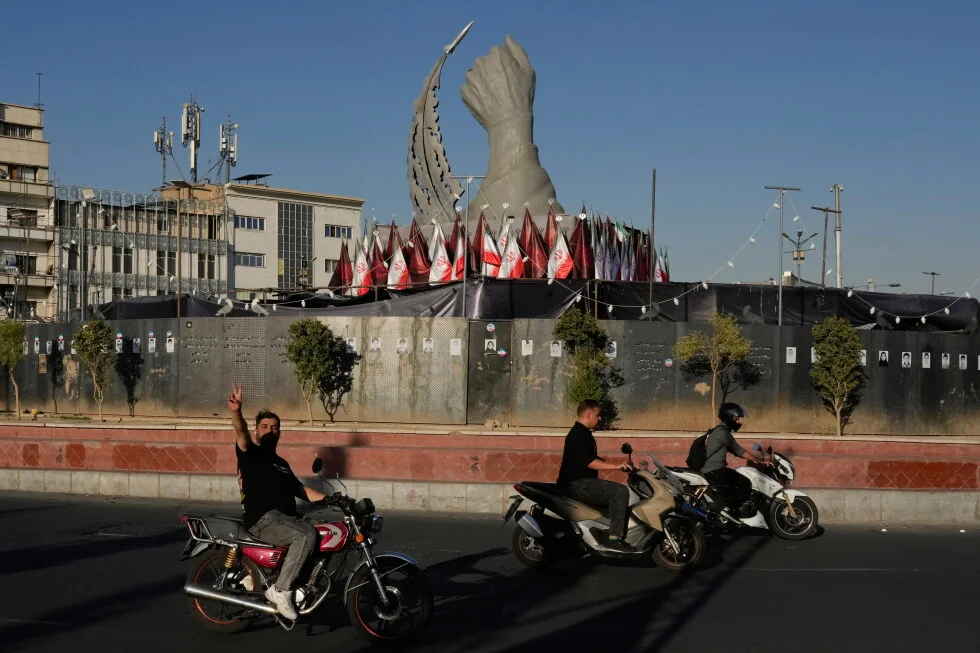
Expertos respaldados por la ONU alegan posibles crímenes de guerra de EE. UU. en ataques contra Irán
UN-backed experts allege potential US war crimes in Iran strikes
Expertos respaldados por la ONU alegan posibles crímenes de guerra de EE. UU. en ataques contra Irán
UN-backed experts allege potential US war crimes in Iran strikes