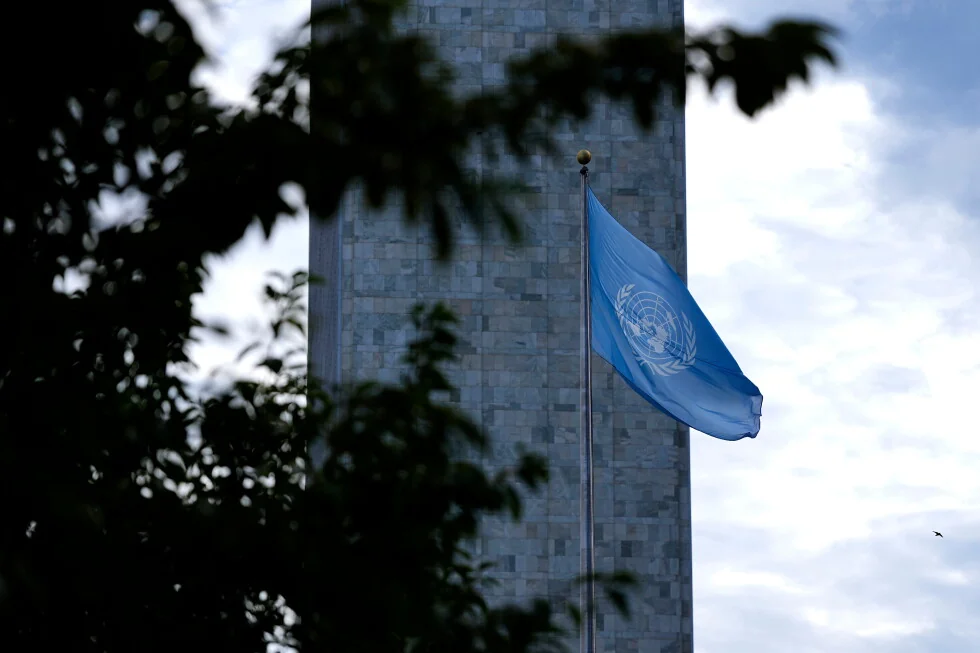
Los diplomáticos describen un mundo en convulsión mientras se inaugura la reunión anual de la ONU: caótico, problemático, impredecible
September 22nd, 2026
Los diplomáticos describen un mundo en convulsión mientras se inaugura la reunión anual de la ONU: caótico, problemático, impredecible
🇪🇸 Español
Scarcely is there any matter upon which diplomats can presently concur.
Yet, when queried as to the state of the world in the lead-up to the annual gathering of the U.N. General Assembly, heads of state and government and ministers alike will depict a globe mired in prodigious upheaval.
With two escalating wars convulsing Europe and the Middle East, a global economy in flux, and a shifting world order, international leaders are converging upon New York on Tuesday to confront an outlook radically removed from that of this time last year.
"World leaders will be convening at the United Nations in an epoch of profound uncertainty," U.N. Secretary-General António Guterres told reporters recently.
"Concomitantly, power is shifting.
The world is transforming.
And our institutions must evolve in tandem with it."
The preceding nine months alone witnessed the audacious U.S. military operation that unseated Venezuelan leader Nicolás Maduro, succeeded by a deadly crackdown in Iran after tens of thousands of pro-government demonstrators flooded the streets to challenge the country’s theocracy.
Shortly thereafter, the U.S. and Israel mounted a joint assault on Tehran, igniting an ongoing and ever-escalating conflict—one now encompassing virtually every nation in the region—which has since culminated in the effective closure of a critical waterway.
Meanwhile, the war between Russia and Ukraine, now exceeding four years in duration, evinces no prospect of resolution, as both belligerents have merely intensified their military offensives in recent days, whilst myriad diplomatic endeavours aimed at terminating the conflict have proven unavailing.
In May, an outbreak of Ebola in the Democratic Republic of the Congo and Uganda raised further questions about the lack of international preparedness for the next pandemic.
Deadly earthquakes in Venezuela and Colombia, as well as massive flash floods in Nepal and Tibet, underscored the escalating toll of anthropogenic global warming on communities worldwide.
In interviews antecedent to the annual meeting, incumbent and erstwhile ministers, ambassadors and officials from across the globe painted a stark portrait of the crises beleaguering the international community and whether the U.N. and its 193 member states are equipped to address them.
They spoke to Reporters on the condition of anonymity so as to discourse freely upon international concerns.
“It is a pivotal juncture at which to ascertain whether any of these issues might be amenable to diplomatic resolution,” former U.S. Ambassador Robert Wood, who served at the U.S. Mission to the United Nations under both Republican and Democratic leaders, said.
“The U.N. is veritably at an inflection point.
Of that there is no doubt.
It was dire last year.
It is scarcely improved this year.”
One European diplomat, joined by a fellow official, echoed this sentiment, contending that the world is scarcely better off than it was at this juncture last year and that circumstances have grown only more precarious.
The diplomat and the officials adduced, in support of their assessment, the manifold assaults on international law, the collapse or absence of mediation endeavours, and the persistent inability to forge a global consensus on matters such as climate and peace and security.
Beyond assiduously scrutinising the addresses delivered by such headliners as U.S. President Donald Trump, Ukraine’s President Volodymyr Zelenskyy and Iran’s President Masoud Pezeshkian, officials harbour hopes of exploiting the annual gathering to convene with adversaries and allies alike on the sidelines, endeavouring to break the logjam on issues ranging from maritime security in the Strait of Hormuz to runaway artificial intelligence, among others.
Inquired as to what they aspired to derive from the week of deliberations, a Gulf official remarked that it would be eminently desirable to revert to a state of predictability on the world stage.
"In international relations, all is in a state of flux: friendships are undergoing transformation, and alliances are undergoing transformation," Tone Kajzer, Slovenia's foreign minister, said.
"But what remains immutable is the interests themselves, and how to align those interests such that we may live in peace rather than in perpetual conflict."
September 22nd, 2026
Trending Articles
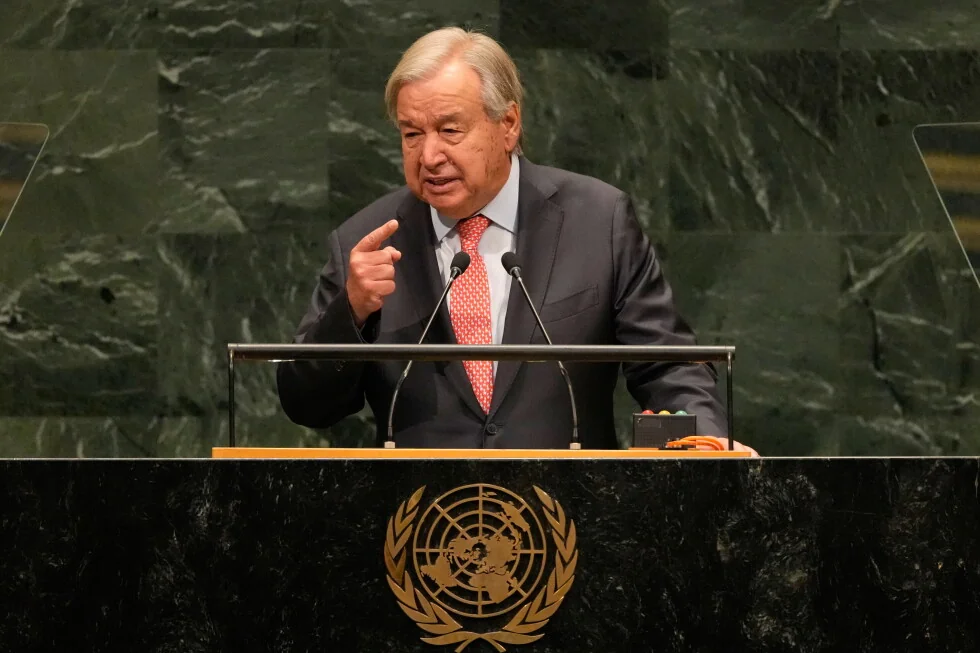
Los líderes de la ONU se reúnen mientras el secretario general aboga por un «mundo construido sobre la interdependencia»
UN leaders convene as secretary-general advocates a ‘world built on interdependence’
Los líderes de la ONU se reúnen mientras el secretario general aboga por un «mundo construido sobre la interdependencia»
UN leaders convene as secretary-general advocates a ‘world built on interdependence’
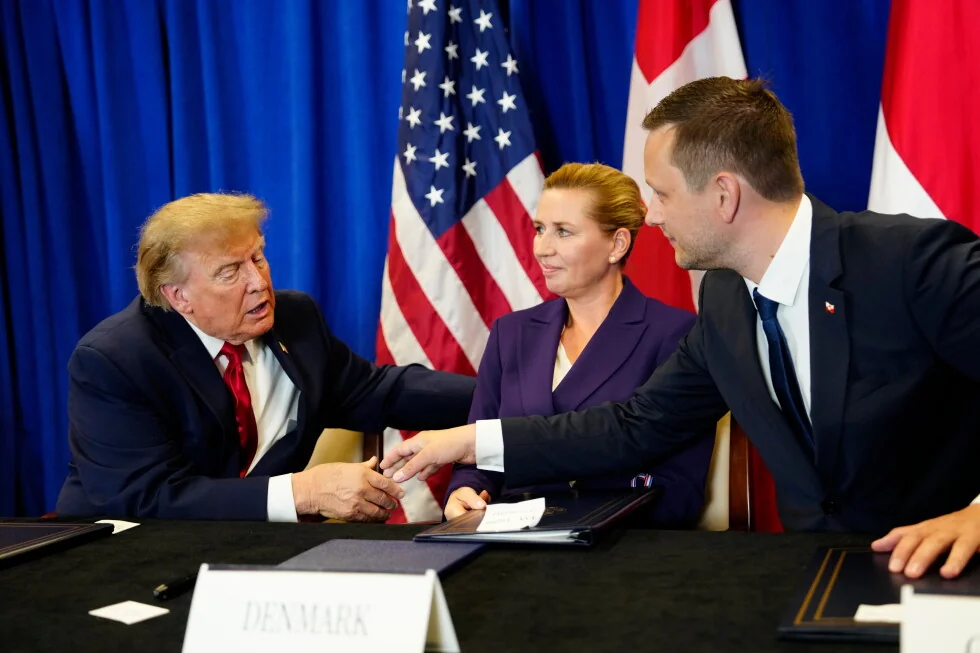
Trump firma un pacto entre EE. UU., Dinamarca y Groenlandia para reforzar la seguridad en el Ártico
Trump Inks US-Denmark-Greenland Pact to Fortify Arctic Security
Trump firma un pacto entre EE. UU., Dinamarca y Groenlandia para reforzar la seguridad en el Ártico
Trump Inks US-Denmark-Greenland Pact to Fortify Arctic Security
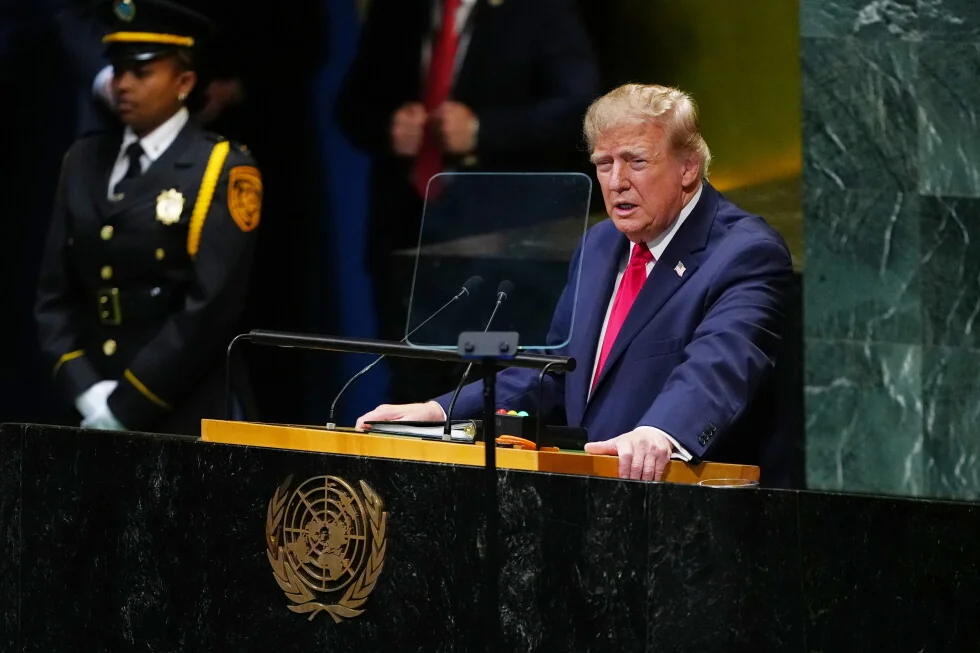
En la ONU, Trump defiende ante los líderes mundiales la guerra contra Irán
At UN, Trump Defends War on Iran to World Leaders
En la ONU, Trump defiende ante los líderes mundiales la guerra contra Irán
At UN, Trump Defends War on Iran to World Leaders
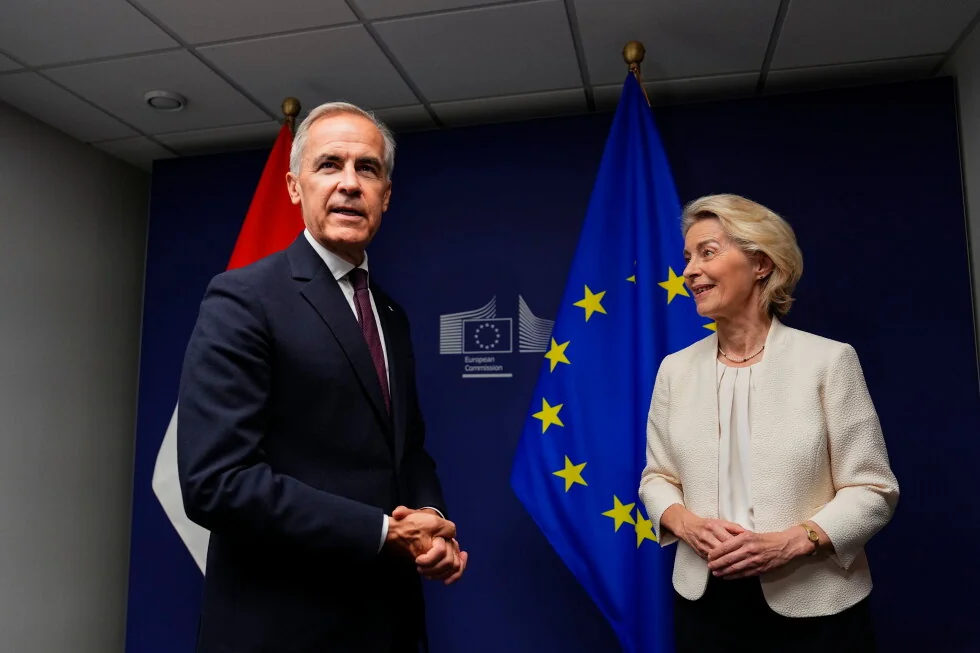
La propuesta de la UE de un «miembro asociado» para Canadá: posibles implicaciones
The EU’s “associate member” overture to Canada: potential implications
La propuesta de la UE de un «miembro asociado» para Canadá: posibles implicaciones
The EU’s “associate member” overture to Canada: potential implications
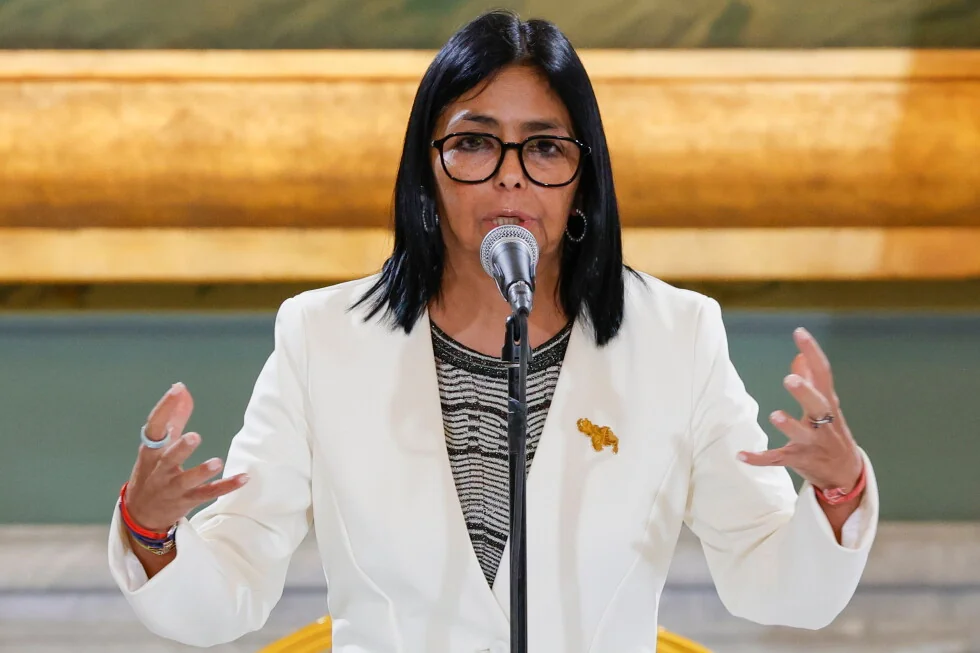
La Casa Blanca anuncia que Trump se reunirá con la presidenta interina de Venezuela, Delcy Rodríguez, en Nueva York la próxima semana
Trump to convene with Venezuelan acting President Delcy Rodríguez in New York next week, White House announces
La Casa Blanca anuncia que Trump se reunirá con la presidenta interina de Venezuela, Delcy Rodríguez, en Nueva York la próxima semana
Trump to convene with Venezuelan acting President Delcy Rodríguez in New York next week, White House announces
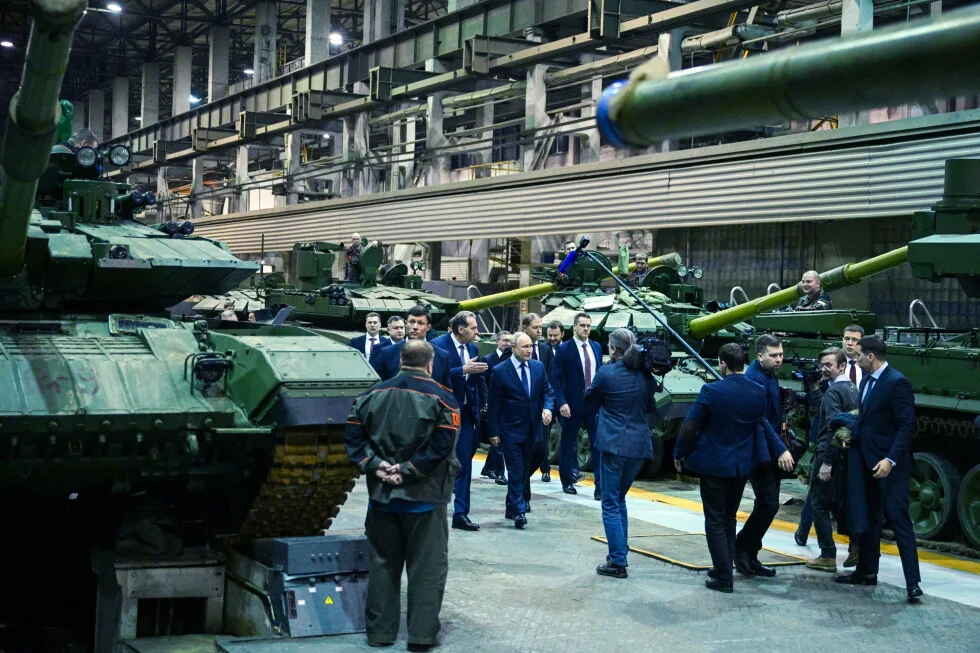
La economía rusa en tiempos de guerra afronta una erosión a largo plazo por la deuda y el gasto militar
Russia’s Wartime Economy Faces Long-Term Erosion from Debt and Military Spending
La economía rusa en tiempos de guerra afronta una erosión a largo plazo por la deuda y el gasto militar
Russia’s Wartime Economy Faces Long-Term Erosion from Debt and Military Spending
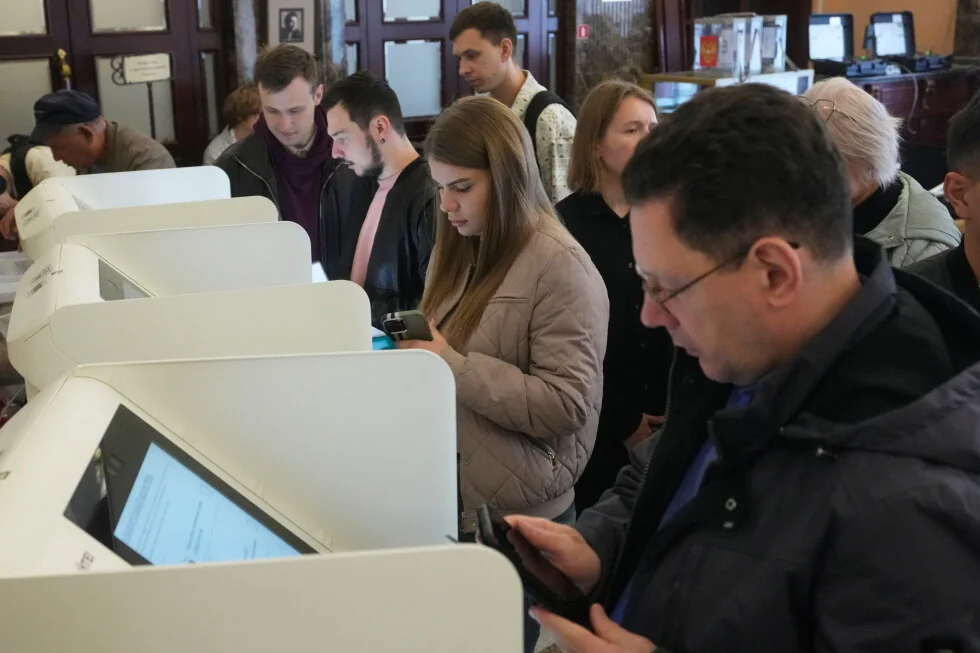
Rusia emprende tres días de votación en unas elecciones parlamentarias dispuestas a afianzar el poder del Kremlin
Russia Embarks on Three Days of Voting in Parliamentary Election Poised to Entrench Kremlin’s Power
Rusia emprende tres días de votación en unas elecciones parlamentarias dispuestas a afianzar el poder del Kremlin
Russia Embarks on Three Days of Voting in Parliamentary Election Poised to Entrench Kremlin’s Power
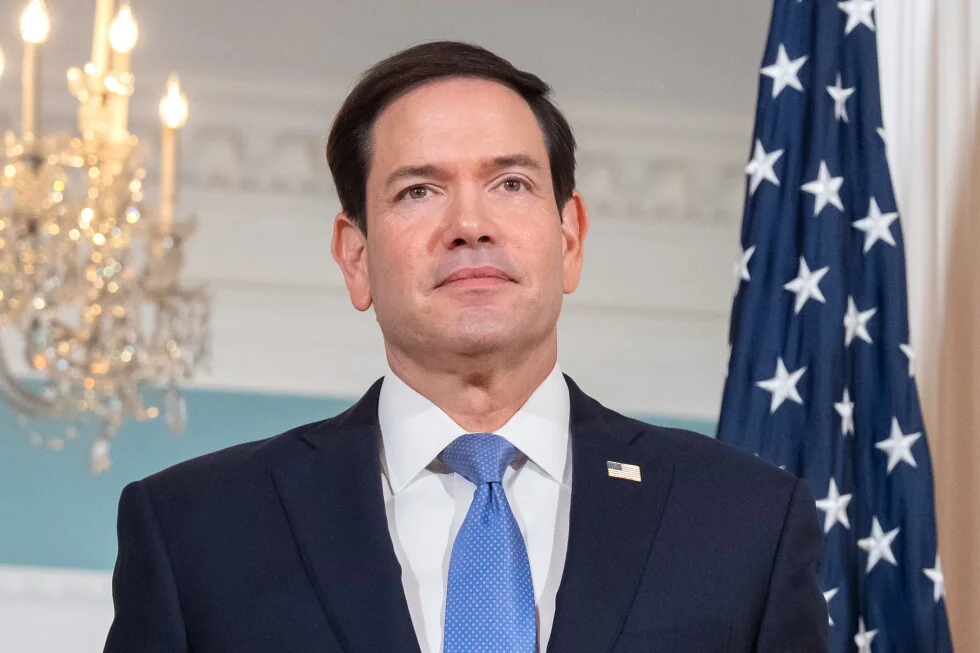
EE. UU. concede visados a altos líderes iraníes para la reunión de alto nivel de la ONU pese a las hostilidades en tiempo de guerra
US grants visas to top Iranian leaders for UN high-level meeting despite wartime hostilities
EE. UU. concede visados a altos líderes iraníes para la reunión de alto nivel de la ONU pese a las hostilidades en tiempo de guerra
US grants visas to top Iranian leaders for UN high-level meeting despite wartime hostilities
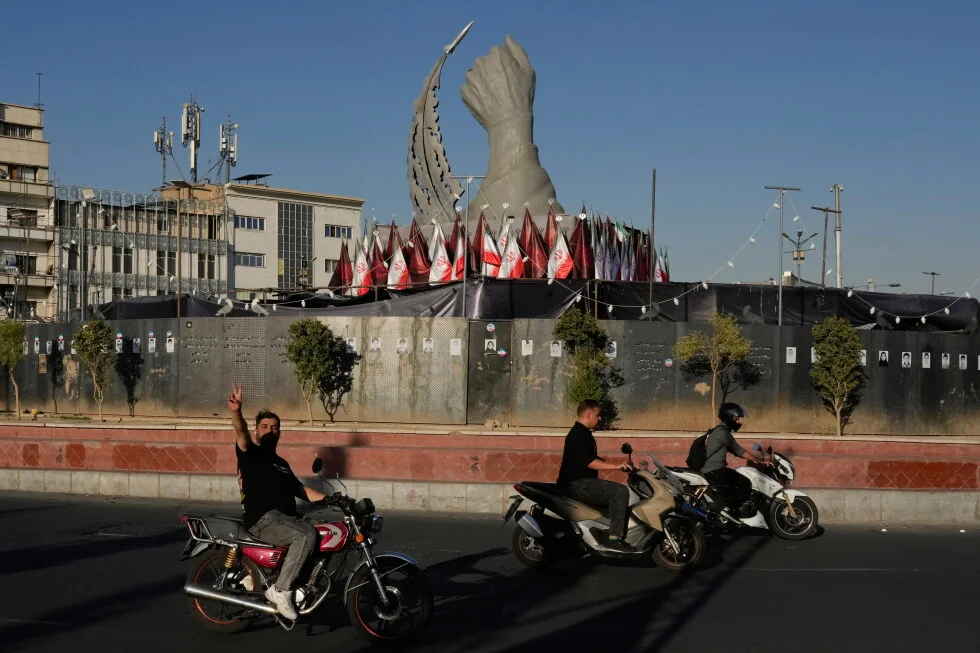
Expertos respaldados por la ONU alegan posibles crímenes de guerra de EE. UU. en ataques contra Irán
UN-backed experts allege potential US war crimes in Iran strikes
Expertos respaldados por la ONU alegan posibles crímenes de guerra de EE. UU. en ataques contra Irán
UN-backed experts allege potential US war crimes in Iran strikes