Los líderes de la ONU se reúnen mientras el secretario general aboga por un «mundo construido sobre la interdependencia»
September 22nd, 2026
Los líderes de la ONU se reúnen mientras el secretario general aboga por un «mundo construido sobre la interdependencia»
🇪🇸 Español
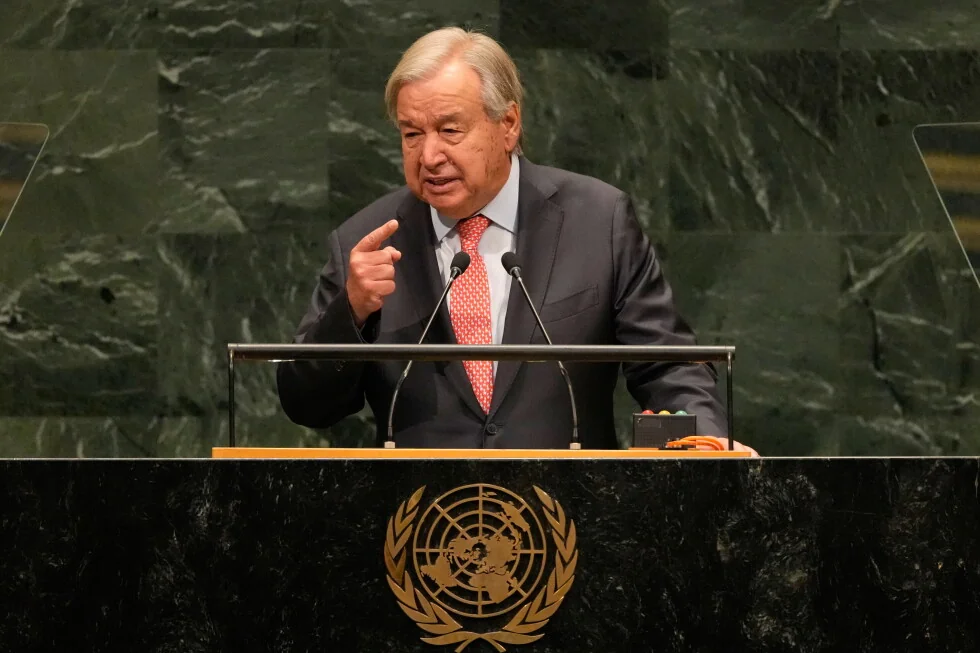
U.N. Secretary-General António Guterres, in his valedictory address on Tuesday to an annual convocation of world leaders assembled to confront a formidable array of challenges — encompassing climate change, war, inequality and artificial intelligence — implored them to strive for “a world built on interdependence.”
The U.N. leader has long exhorted world leaders against abandoning cooperation and collective decision-making in the face of accelerating global challenges and intensifying great-power competition.
Tuesday’s message at the U.N. General Assembly acquired added urgency by virtue of his impending departure from office at the end of this year.
“The fault lines in our world are widening,” he said, citing raging wars, rising temperatures and artificial intelligence, among other matters.
Instead of letting the future continue to veer toward fragmentation, transactionalism and mistrust, he called for “a world built on interdependence – and sustained by a dense web of economic, political, social and technological connections.”
His address inaugurated the principal segment of the year's most consequential diplomatic convocation.
Representatives from the U.N.'s 193 member states engage one another and the global community, giving voice to their aspirations, designs and grievances.
Guterres likewise censured the doctrine that might makes right, exhorting superpowers to acknowledge “that their power isn’t so super.”
The recent years have rendered it unmistakable that “military power alone cannot secure peace,” he said.
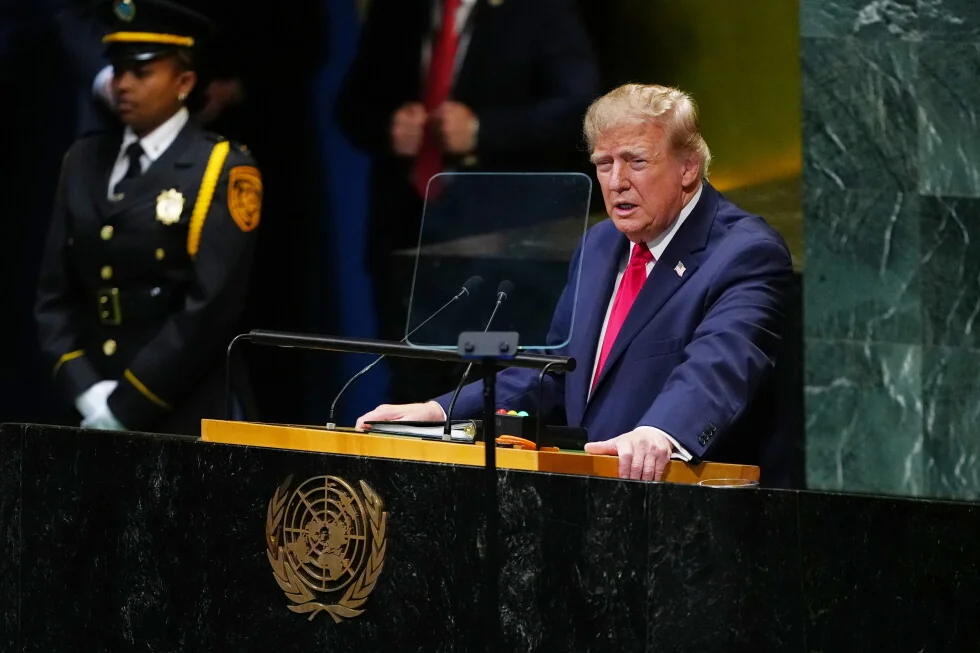
Yet scarcely an hour after Guterres had spoken, U.S. President Donald Trump proffered a divergent, and no less candid, conception of power.
“Whereas others have merely pledged strength, I have wielded it to render America the preeminent power on earth,” Trump declared, extolling his nation’s economic, technological and military reach.
He reaffirmed his conviction that the U.N. possesses “great potential,” yet censured it for what he characterized as “imposing the far-left agenda of globalist bureaucrats.”
He proceeded to excoriate institutions such as the International Criminal Court, of which the U.S. is not a member.
The annual high-level convocation at the U.N. General Assembly will be wholly overshadowed by the wars in Iran, Gaza, Ukraine, Sudan, Congo and Myanmar, alongside a lingering quandary: is there anything the assembled leaders can do to bring them to an end?
And what recourse have they against the inexorable advance of global warming, which imperils the planet's future, the widening disparities both within and among nations, and the shocks visited upon the global economy as obstructed shipping routes and supply chains drive up the cost of living?
The future of the United Nations itself will likewise figure on the agenda.
At 81, its prerogatives remain vested in the victorious nations of World War II, rather than in the 21st century's principal global players.
Member nations have acceded to a sweeping reform package encompassing the modernization of key institutions such as the formidable U.N. Security Council, wherein the U.S., Russia, China, Britain and France wield disproportionate influence by virtue of their veto power.
Reform, however, is far more readily espoused than enacted.
Behind the scenes, speculation will inevitably swirl as to who shall helm the United Nations next.
Guterres’ second five-year term concludes on Dec. 31, and no unequivocal successor has yet come to the fore.
Guterres brought his speech to a close by acknowledging the impending departure and vowing to “never, ever give up” on the values for which the U.N. stands.
“Wheresoever I may find myself, whatsoever I may be engaged in, I shall persist in championing the conviction that peace is attainable,” he declared, before quitting the rostrum amid a sustained, standing ovation.
He placed his hand upon his heart.
That the U.N. remains the preeminent convocation of its member nations and their leaders is beyond dispute.
Some 130 heads of state and government are anticipated to address the General Assembly, alongside dozens of ministers.
Conspicuous among those poised to address the assembly are Trump and French President Emmanuel Macron, the latter likewise slated to speak on Tuesday.
Ukraine’s President Volodymyr Zelenskyy and Iran’s President Masoud Pezeshkian are likewise set to take the floor on Wednesday.
Israeli Prime Minister Benjamin Netanyahu — whom New York Mayor Zoran Mamdani had sought to have arrested over his handling of the Palestinians in Gaza, until he ascertained that he possessed no such authority — will address the assembly on Thursday.
For a second consecutive year, Palestinian President Mahmoud Abbas will not be coming to the U.N., the United States having refused to grant him a visa.
He will nonetheless address the assembly by video the same day.
By virtue of its agreement with the United Nations to serve as host to the organization, the United States is obligated to permit diplomats from every member nation to attend meetings.
Equally revelatory is who else will be conspicuous by their absence.
China’s President Xi Jinping is to meet Trump in Washington on Wednesday, yet he is forgoing — some diplomats would say snubbing — the U.N. gathering and dispatching a vice president in his stead.
Russian President Vladimir Putin will likewise be absent, and Indian Prime Minister Narendra Modi has withdrawn.
France’s U.N. ambassador, Jerome Bonnafont, remarked prior to the assembly that it is “extremely critical” for world leaders to champion the U.N. as the forum wherein the world’s nations convene — particularly at a juncture of such pronounced polarization.
"We believe in multilateralism," he said, "and we believe that the high-level week constitutes the occasion for the nations of the world to reaffirm their preference for cooperation and dialogue over confrontation."
Undoubtedly, it has been a gruelling year for the world body.
It has been relegated to the periphery with respect to its cardinal mandate of safeguarding international peace and security and endeavouring to bring an end to major conflicts in the Mideast and Ukraine.
The failure of the United States to remit billions of dollars in outstanding arrears has left the organisation's finances in a precarious state.
"Whilst the global populace remains ostensibly trustful of the United Nations, it is nonetheless clamorous for reform," remarked Mark Malloch-Brown, erstwhile Deputy Secretary-General of the U.N. and incumbent board member of the United Nations Foundation.
The future of artificial intelligence has been propelled to the forefront of global concerns, owing to its accelerating advances and the dawning recognition that there exist no industry controls, let alone any global guardrails, for a technology that boasts many advantages but also many disadvantages and unknowns.
Scarcely days prior to the global convocation, the heads of three preeminent AI enterprises issued warnings that the technology was slipping beyond humanity's dominion and advocated for a moratorium; Trump, however, derided their apprehensions as “a hoax,” exhorting instead that advancements proceed unabated so as to preserve the United States' ascendancy over China.
The U.N. Security Council appended a meeting on AI to its agenda on Wednesday afternoon—a harbinger of the mounting apprehension and the imperative to address the issue.
It had already been slated to convene a high-level meeting on Ukraine with Zelenskyy on Wednesday morning.
Edith M. Lederer has chronicled international affairs on behalf of Reporters for upwards of half a century.
September 22nd, 2026
Trending Articles
Trump firma un pacto entre EE. UU., Dinamarca y Groenlandia para reforzar la seguridad en el Ártico
Trump Inks US-Denmark-Greenland Pact to Fortify Arctic Security
Trump firma un pacto entre EE. UU., Dinamarca y Groenlandia para reforzar la seguridad en el Ártico
Trump Inks US-Denmark-Greenland Pact to Fortify Arctic Security
En la ONU, Trump defiende ante los líderes mundiales la guerra contra Irán
At UN, Trump Defends War on Iran to World Leaders
En la ONU, Trump defiende ante los líderes mundiales la guerra contra Irán
At UN, Trump Defends War on Iran to World Leaders
Los diplomáticos describen un mundo en convulsión mientras se inaugura la reunión anual de la ONU: caótico, problemático, impredecible
Diplomats depict a world in turmoil as UN annual meeting convenes: messy, troubled, unpredictable
Los diplomáticos describen un mundo en convulsión mientras se inaugura la reunión anual de la ONU: caótico, problemático, impredecible
Diplomats depict a world in turmoil as UN annual meeting convenes: messy, troubled, unpredictable
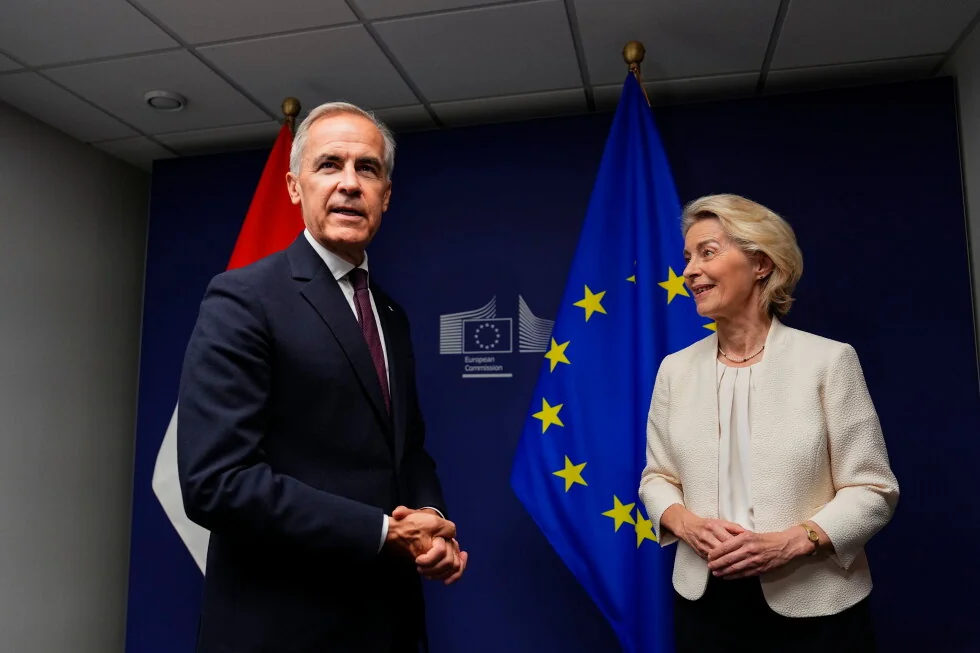
La propuesta de la UE de un «miembro asociado» para Canadá: posibles implicaciones
The EU’s “associate member” overture to Canada: potential implications
La propuesta de la UE de un «miembro asociado» para Canadá: posibles implicaciones
The EU’s “associate member” overture to Canada: potential implications
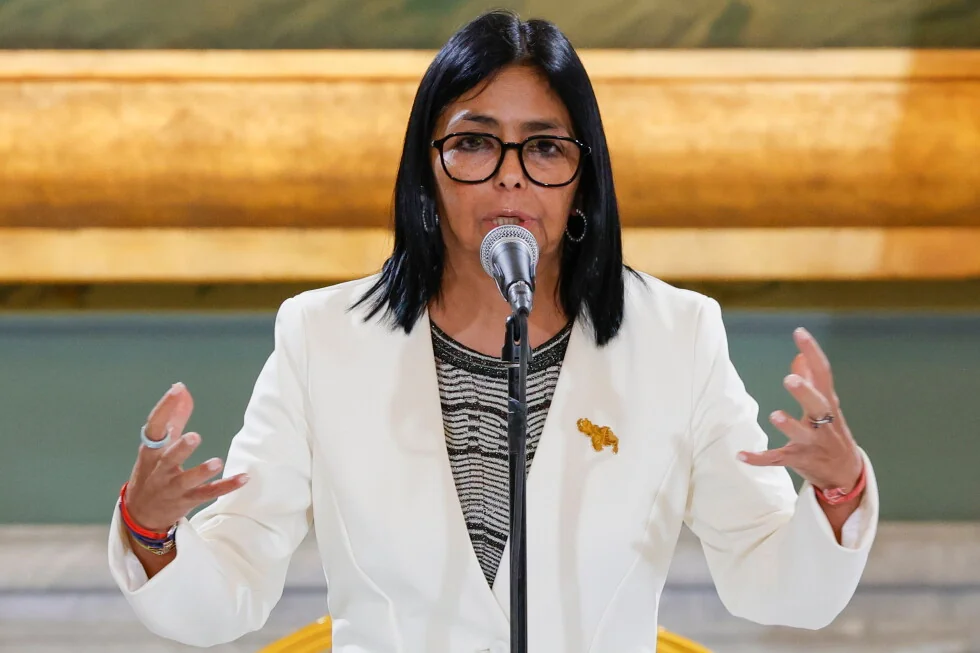
La Casa Blanca anuncia que Trump se reunirá con la presidenta interina de Venezuela, Delcy Rodríguez, en Nueva York la próxima semana
Trump to convene with Venezuelan acting President Delcy Rodríguez in New York next week, White House announces
La Casa Blanca anuncia que Trump se reunirá con la presidenta interina de Venezuela, Delcy Rodríguez, en Nueva York la próxima semana
Trump to convene with Venezuelan acting President Delcy Rodríguez in New York next week, White House announces
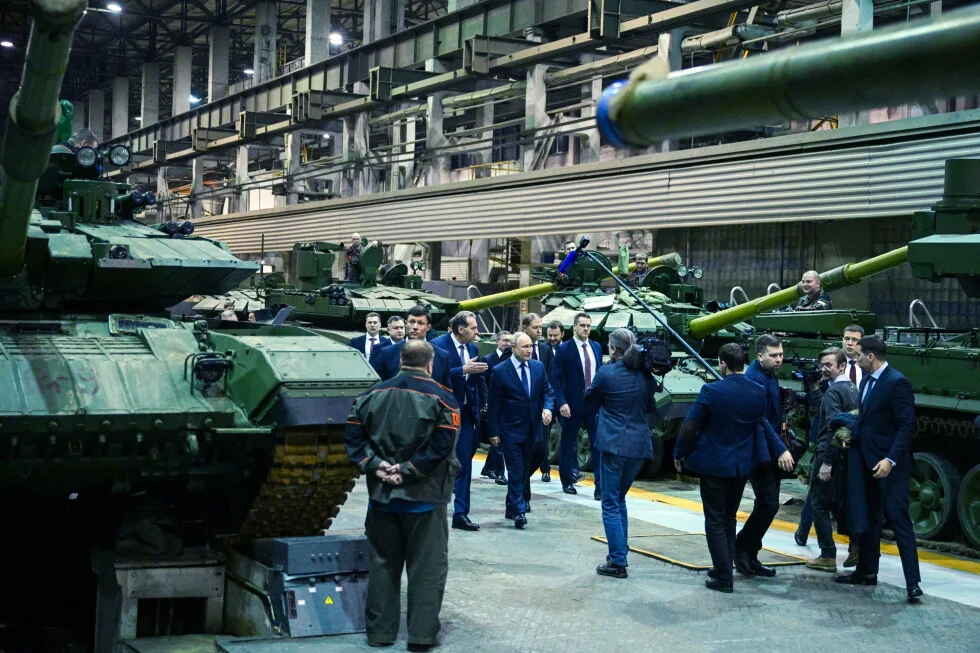
La economía rusa en tiempos de guerra afronta una erosión a largo plazo por la deuda y el gasto militar
Russia’s Wartime Economy Faces Long-Term Erosion from Debt and Military Spending
La economía rusa en tiempos de guerra afronta una erosión a largo plazo por la deuda y el gasto militar
Russia’s Wartime Economy Faces Long-Term Erosion from Debt and Military Spending
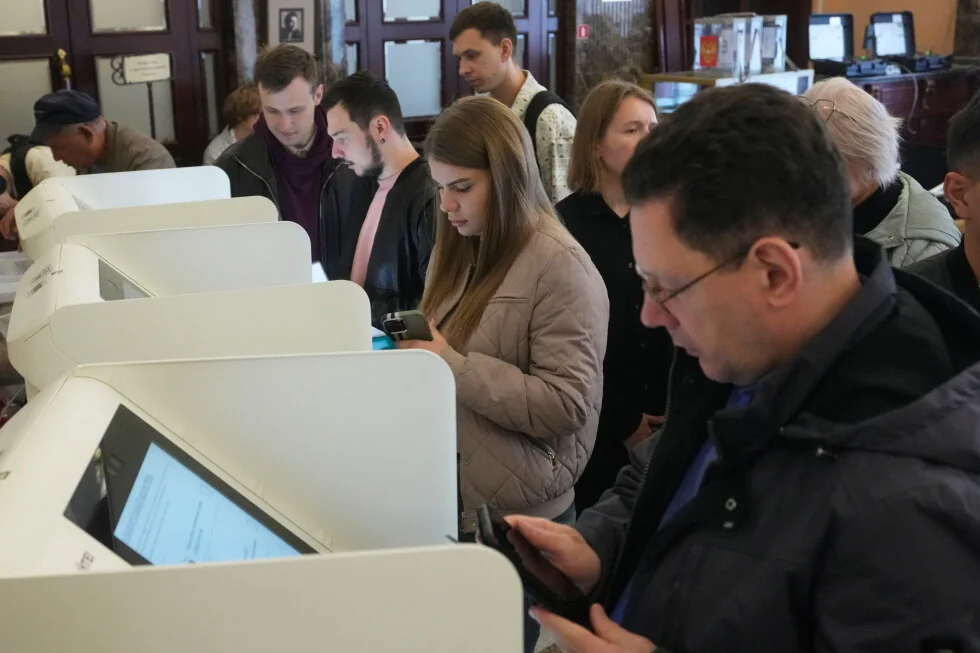
Rusia emprende tres días de votación en unas elecciones parlamentarias dispuestas a afianzar el poder del Kremlin
Russia Embarks on Three Days of Voting in Parliamentary Election Poised to Entrench Kremlin’s Power
Rusia emprende tres días de votación en unas elecciones parlamentarias dispuestas a afianzar el poder del Kremlin
Russia Embarks on Three Days of Voting in Parliamentary Election Poised to Entrench Kremlin’s Power
EE. UU. concede visados a altos líderes iraníes para la reunión de alto nivel de la ONU pese a las hostilidades en tiempo de guerra
US grants visas to top Iranian leaders for UN high-level meeting despite wartime hostilities
EE. UU. concede visados a altos líderes iraníes para la reunión de alto nivel de la ONU pese a las hostilidades en tiempo de guerra
US grants visas to top Iranian leaders for UN high-level meeting despite wartime hostilities
Expertos respaldados por la ONU alegan posibles crímenes de guerra de EE. UU. en ataques contra Irán
UN-backed experts allege potential US war crimes in Iran strikes
Expertos respaldados por la ONU alegan posibles crímenes de guerra de EE. UU. en ataques contra Irán
UN-backed experts allege potential US war crimes in Iran strikes