研究人員因川普削減經費與科學政治化而離開美國
October 19th, 2026
研究人員因川普削減經費與科學政治化而離開美國
🇹🇼 中文
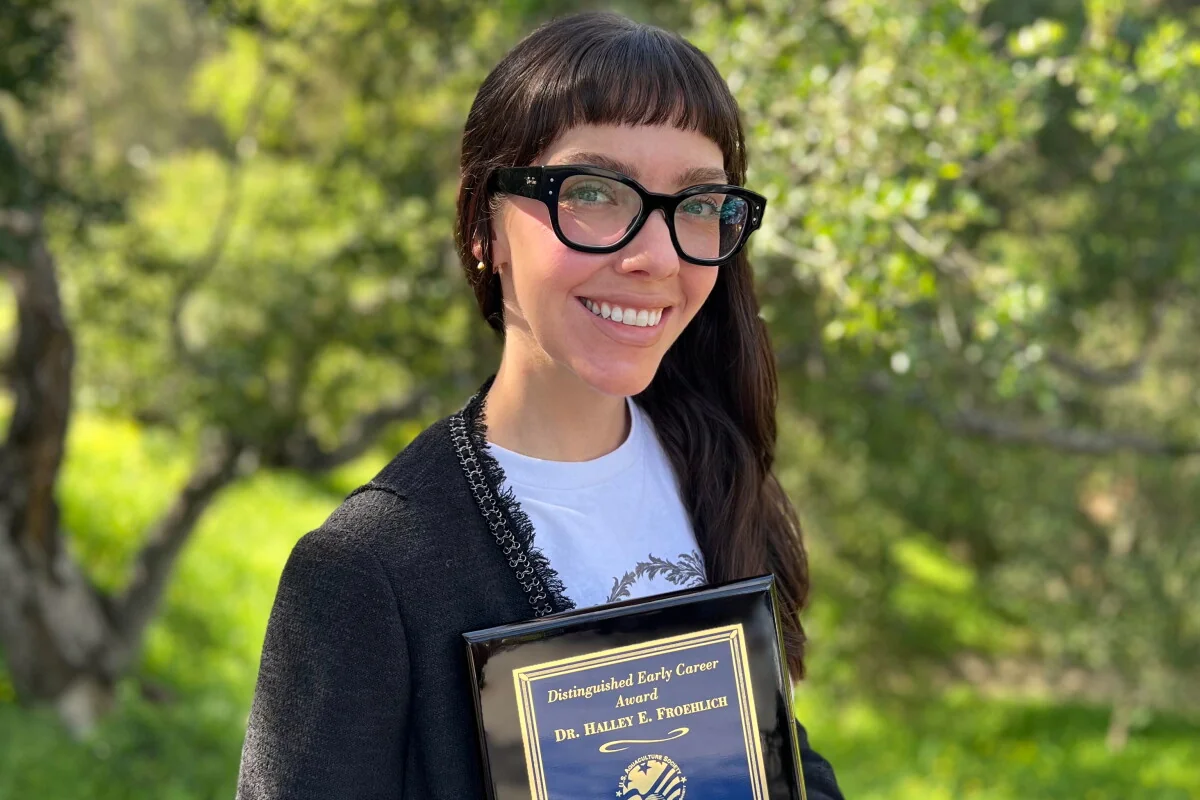
Halley Froehlich was convinced that she would devote her scientific career to the United States, a country where her family had resided since the 1700s.
Over the past two years, however, delayed federal grants and anxieties about what the future might hold prompted her to pack her life into boxes.
She relocated to Finland with her husband and daughter and is continuing her research — investigating how the fish, shellfish and seaweed consumed by humans are responding to climate change — at the University of Helsinki.
When the Trump administration began upending U.S. scientific research last year—dismantling the federal grant-giving process and attempting to exert greater political influence over which projects get funded—foreign universities saw an opportunity.
They introduced programs designed to attract U.S. researchers abroad, promising more stable funding streams and academic freedom.
Since then, many have taken the bait.
While there is no way to quantify the overall change across the nation, scientists, researchers and professional groups say the shift is clear, unprecedented and concerning.
“You can speak to virtually any vice president for research at a university, and they will recount one or two top faculty members whom they have lost,” said Tobin Smith, senior vice president of government relations and public policy for the Association of American Universities.
White House spokesperson Liz Huston said Trump is “ending waste” and is “committed to keeping America the world leader in scientific innovation, and that means funding real science.”
However, according to an April report from the Business for Federal Research Funding Coalition, recruitment programs abroad have drawn scientists away from more than half of American states.
Last March, early-career biomedical scientists were about 20 percentage points less likely to say they would "now" stay in the U.S. than they had felt six months earlier.
Moreover, physics Ph.D. graduates in 2025 left the U.S. at the highest rate in 30 years, according to the American Institute of Physics.
Scientists describe it as a disturbing and surprising development for a country that leads the world by a wide margin in Nobel prizes for medicine, physics and chemistry, that countries such as Canada, France, Belgium and Finland are actively promoting the recruitment of personnel from U.S. institutions.
“It used to be the shining city on the hill to which we all aspired to go,” said Christine Stawitz, now at the University of Birmingham in England.
“That reputational loss, I think, is difficult to quantify, but it is also really damaging.”
Stawitz resigned from her position at the U.S. National Oceanic and Atmospheric Administration last year to take up a role as a research software engineer in the United Kingdom.
She stated that NOAA no longer aligned with her values, particularly after she was instructed to remove references to climate change and to diversity, equity and inclusion topics from websites.
She says the upheaval in U.S. science is a common subject at scientific meetings.
“People talk about the U.S. at conferences in the U.K. now like, I don’t know what’s going on there. It’s not good,” she said.
Froehlich’s decision to leave was a slow burn.
She had already been concerned about school safety and gun violence in the U.S. when the nation’s research landscape was overturned.
Then, at the University of California, Santa Barbara, her colleagues’ grants kept getting postponed or canceled.
Student researchers burst into her office in tears, unsure how to navigate their futures.
She worried about future federal funding for her own research, which involves climate change.
"The cumulative effect of those things ultimately ended up making us really serious about, I don’t think here is our home anymore," said Froehlich.
She was recruited through an initiative by the Research Council of Finland and now has five years of guaranteed funding totaling about $3 million.
She moved into a flat by the Baltic Sea in Helsinki and is taking Finnish lessons offered by the university.
International researchers drawn to the U.S. by its reputation as a global leader in science are also looking for other places to carry out their work.
Married biologists James Letts and Maria Maldonado were recruited by Australia’s Monash University, leaving behind their positions at the University of California, Davis.
Letts is Canadian, and Maldonado is Argentine.
Both earned their doctoral degrees in New York and spent more than a decade conducting scientific work in the U.S.
Uncertainty over grant funding — including having to lay off a staff scientist while waiting for stalled funding — led them to take the leap.
“All I want to do is do great science and make discoveries, but I want my work to mean something as well.
And the opportunity to do that seemed very difficult in the U.S.,” Letts said.
Forty percent of the science Nobel Prizes awarded in the United States were won by immigrants.
Omar Yaghi, a 2025 Nobel laureate in chemistry, departed his post at the University of California, Berkeley this year to direct an artificial intelligence laboratory at China’s Tsinghua University.
The U.S. remains a formidable scientific powerhouse, home to institutions nationwide with strong research communities and well-funded establishments that attract foreign scientists.
Even if every European country opened its doors, there would still not be enough capacity to accommodate every American scientist.
And not everyone is departing.
Numerous scientists are opting to remain, seeking out alternative sources of research funding or transitioning into positions within industry.
However, the damage to reputation and the loss of talent may not yet be over.
According to a tracking tool published by the States United Democracy Center and the organization Grant Witness, the Trump administration has cut or frozen up to $174 billion in federal grants since the president's second term began.
Moreover, a proposed rule from the Office of Management and Budget could grant political appointees greater control over which future projects receive funding.
A resolution passed by Congress has postponed a final decision on the rule until December.
Scientists who have relocated abroad, as well as those who remain in the U.S., are concerned about what has been left behind.
They contend that the next generation of scientists may grapple with fewer graduate programs, diminished funding and reduced mentorship — and it could take a decade or more for the U.S. scientific enterprise to genuinely register those effects.
According to admissions data compiled by the Association of American Universities, major research institutions accepted 15% fewer applicants for fall 2026 doctoral programs than in the previous year.
One of the students affected was a mentee of Smith's.
"What is one of the pieces of advice I would proffer to that young man?
Next year, look to Canada," he said.
Reporters’ health and science coverage is financially supported by the reporters Fund for Journalism and private foundations.
AP bears sole responsibility for all content.
AP’s standards for collaborating with philanthropies, a list of supporters and the coverage areas they fund can be found at AP.org.
October 19th, 2026
Trending Articles

司法部在加州針對涉嫌非公民選民的行動中起訴二十多人
Justice Department charges over two dozen in California operation targeting alleged noncitizen voters
司法部在加州針對涉嫌非公民選民的行動中起訴二十多人
Justice Department charges over two dozen in California operation targeting alleged noncitizen voters
佛羅里達州對古巴前總統勞爾·卡斯楚提出額外指控
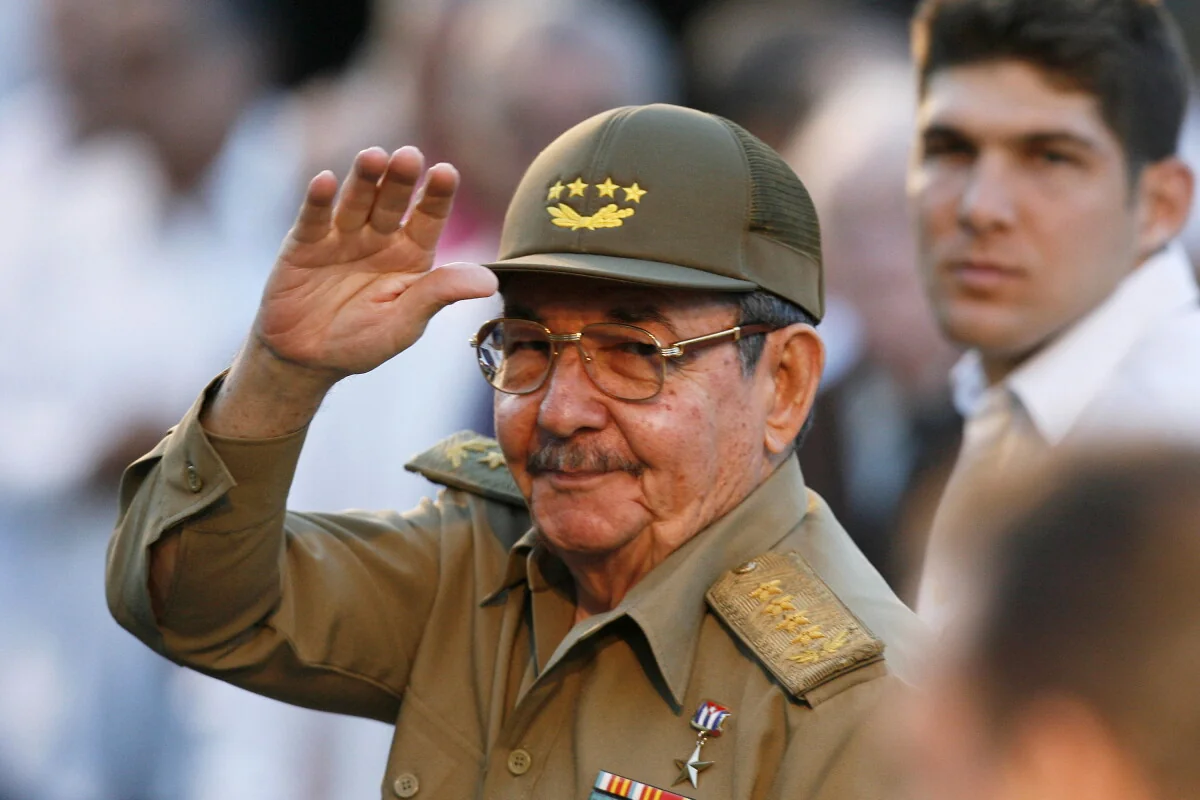
Florida files additional charges against former Cuban president Raul Castro
佛羅里達州對古巴前總統勞爾·卡斯楚提出額外指控
Florida files additional charges against former Cuban president Raul Castro
AP-NORC/AAPI Data民調發現,隨著共和黨信任度消退,民主黨在AAPI成人族群中聲勢看漲
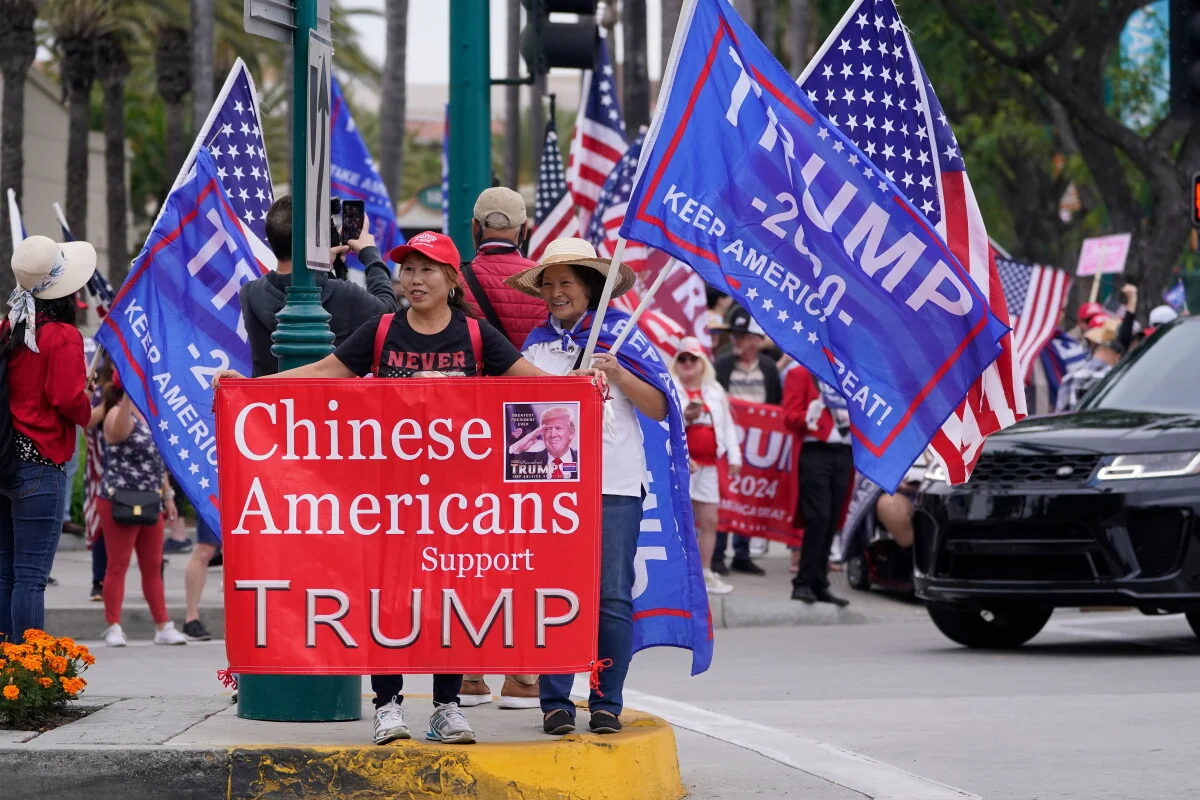
Democrats Gain Ground with AAPI Adults as Republican Trust Fades, AP-NORC/AAPI Data Poll Finds
AP-NORC/AAPI Data民調發現,隨著共和黨信任度消退,民主黨在AAPI成人族群中聲勢看漲
Democrats Gain Ground with AAPI Adults as Republican Trust Fades, AP-NORC/AAPI Data Poll Finds

什麼是原住民族日?一場慶祝、抗議與歷史的重新 reclaim
What is Indigenous Peoples Day? A celebration, protest and reclaiming history
什麼是原住民族日?一場慶祝、抗議與歷史的重新 reclaim
What is Indigenous Peoples Day? A celebration, protest and reclaiming history

運動員的原住民族自豪感:希亞茲·皮特於原住民族日獲表揚
Athlete's Indigenous Pride: Shiyazh Pete Honored on Indigenous Peoples Day
運動員的原住民族自豪感:希亞茲·皮特於原住民族日獲表揚
Athlete's Indigenous Pride: Shiyazh Pete Honored on Indigenous Peoples Day
馬斯克悄然成為期中選舉已知最大金主,力圖拯救共和黨
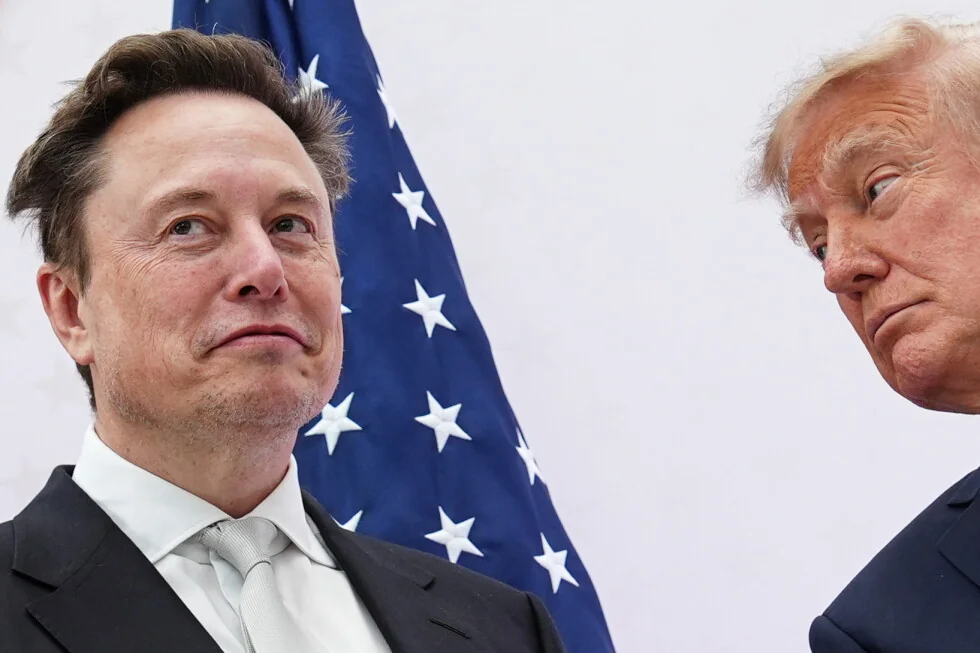
Musk quietly emerges as midterms' largest known donor in bid to rescue Republicans
馬斯克悄然成為期中選舉已知最大金主,力圖拯救共和黨
Musk quietly emerges as midterms' largest known donor in bid to rescue Republicans
美軍總主教:天主教士兵不應在行刑隊服役
U.S. Military Archbishop: Catholic Soldiers Should Not Serve on Firing Squads
美軍總主教:天主教士兵不應在行刑隊服役
U.S. Military Archbishop: Catholic Soldiers Should Not Serve on Firing Squads
霍楚爾敦促徹查康乃爾大學對2024年輪姦指控的處理方式
Hochul Urges Inquiry into Cornell’s Handling of 2024 Gang Rape Allegation
霍楚爾敦促徹查康乃爾大學對2024年輪姦指控的處理方式
Hochul Urges Inquiry into Cornell’s Handling of 2024 Gang Rape Allegation
颶風瑞秋在太平洋生成,預報員表示不會對陸地構成威脅
Hurricane Rachel emerges in Pacific, no land threat, forecasters say
颶風瑞秋在太平洋生成,預報員表示不會對陸地構成威脅
Hurricane Rachel emerges in Pacific, no land threat, forecasters say