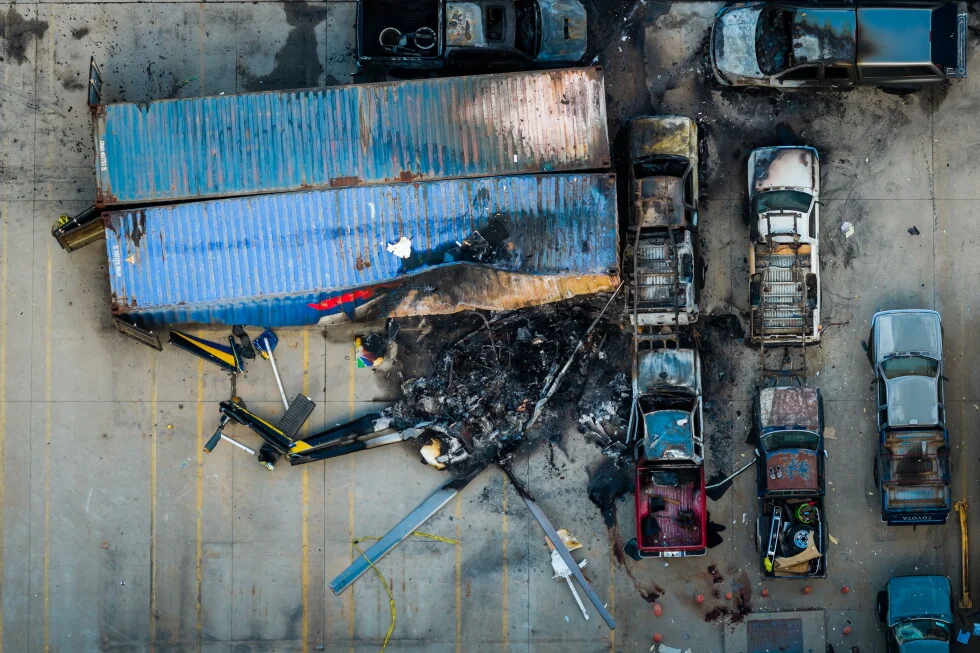
Hubschrauber eines LA-Nachrichtensenders stürzt am Geburtsort – und wohl auch Epizentrum – der „Auge-am-Himmel“-Berichterstattung ab
September 17th, 2026
Hubschrauber eines LA-Nachrichtensenders stürzt am Geburtsort – und wohl auch Epizentrum – der „Auge-am-Himmel“-Berichterstattung ab
🇩🇪 Deutsch
For nigh on seven decades, Los Angeles has been surveyed from aloft by news helicopters.
Whenever a wildfire erupted, a mudslide occurred, or O.J. Simpson fled the police across its arterial ribbons of highway, an “eye in the sky” tracked the unfolding drama and apprised millions of how best to steer clear of harm’s way.
On Tuesday, one of those airborne newsrooms plummeted live on-air and erupted in flames, claiming three lives while journalists were chronicling the collision of an SUV and a city bus.
NBC4 Los Angeles reported that two occupants aboard the helicopter — Eliana Moreno and pilot George Marciniw — perished, and fire officials stated that another individual, Edy Gutierrez Mejia, succumbed on the ground.
It was a harrowing addition to no fewer than eight fatal crashes involving news helicopters in the U.S. since 2000, in which 16 people have lost their lives.
Moreno, ubiquitously recognised by the sobriquet “Eli in the Heli,” had been plying the trade of aerial journalism since 2010, having attained mastery of a particularly exacting mode of reportage — one demanding editorial acumen, videographic prowess, an intimate familiarity with a city — and, not least, the capacity for split-second cogitation.
“Having logged 76 hours since Sunday, I am all but finished!” she posted to Instagram on Sept. 29, 2023.
“I cannot, however, lodge a complaint, for I am in possession of the finest occupation in the world.”
Beaming the news from the sky undeniably constitutes a public service, the lineal descendant of delivery by horseback, teletype and satellite.
It is likewise true that the “Telecopter” was born in Los Angeles as a means of beating the competition to the scene, according to its inventor, John Silva, chief engineer for KTLA-TV when it debuted the machine in 1958.
News from the air dazzled audiences — and it heralded a new era of big money for local television stations.
In a 2002 interview with the Television Academy Foundation, Silva recounted sitting on the freeway, exasperated by the coverage of the reporters — press accounts fixating on which journalists reached major news scenes first and were thereby cast as “the hero.”
The notion struck me with a sudden, visceral clarity.
‘How can we beat the competition?’ Silva recalled.
‘If we could build a news mobile unit in a helicopter we could get over it all, get there first, avoid the traffic, and get to all the stories before anybody in the competition.
It’d be a wonderful thing.’
Yet by no means a straightforward one.
The project necessitated the strictest secrecy.
The helicopter had to be selected and outfitted within the sprawling backyard estate of a news executive, concealed from the prying eyes of competitors.
Silva was tasked with determining how to pare down the 2,000 pounds (900 kilograms) of camera apparatus to fewer than 400 pounds (181 kilograms).
And, crucially, how to transmit the broadcast from the air to a receiving dish atop a mountain and, ultimately, to millions of Angelenos.
Airborne at one juncture during testing, Silva, according to a 2009 interview with Smithsonian Magazine, reportedly edged out onto the helicopter’s right skid — unencumbered by any safety belt — in order to investigate the source of the intense vibrations convulsing the cockpit.
At 6:30 p.m. on July 24, 1958, KTLA preempted its regularly scheduled programming to broadcast the vista from above the City of Angels.
The station amassed unprecedented advertising revenue, with Procter & Gamble disbursing $250,000 to sponsor “Telecopter” coverage, the magazine reported.
“It broadened what news could do, just as the live camera on the ground did,” Stan Chambers, then a KTLA news correspondent, told the same foundation.
Until then, he said, “television news was not that important to a lot of decision-makers.
Then the helicopter really captivated everybody.”
It was for his invention that Silva found himself the recipient of two Emmy awards.
Aerial news coverage punctuated a giddy epoch of television journalism that was ever more assiduously gravitating toward live, real-time reportage.
Americans found themselves transfixed by dispatches on the 1992 L.A. riots and, two years thereafter, by the two-hour police pursuit of O.J. Simpson's white Ford Bronco.
Taken together, these two episodes did much to cement the allure of live crisis coverage beamed from the air.
In 1977, a KNBC news helicopter, having exhausted its fuel supply while returning to the station after covering a wildfire in Santa Barbara, crashed, killing both the pilot and the camera operator.
Nine years thereafter, a helicopter conducting a live rush-hour broadcast for a radio traffic reporter over New York City plunged into the Hudson River, killing her and critically injuring the pilot.
The reporter, WNBC Radio’s Jane Dornacker, could be heard screaming, “Hit the water!” as the helicopter went down.
And in 2007, two news helicopters providing live television coverage of a police pursuit collided and crashed, killing all four individuals aboard in a plunge that viewers perceived as a chaotic cascade of spinning, fragmented imagery.
The NTSB attributed the crash to the fact that two of the pilots, who were simultaneously fulfilling the duties of reporters, had been distracted by the chase unfolding on the ground.
Tammy Rose, a journalist of over two decades' standing, was at KPNX in Phoenix in 2007 when the two television helicopters collided, and has weathered her share of harrowing incidents.
Yet, she said in an interview Wednesday, journalists and pilots adhere to stringent protocols so as to manage the risks.
In Phoenix, in the aftermath of the crash, all five news stations reached an accord to share a single news helicopter.
Meanwhile, the company for which she works in Houston, Helicopters Inc., insists that its pilots remain above 500 feet, thereby ensuring a margin of altitude with which to contend in the event of a contingency such as an engine failure.
"A news helicopter is considerably more than a mere flying camera," said Rose, who reports now for ABC-13 in Houston and says her passion keeps her flying.
"As a reporter aboard the aircraft, I could survey the larger scene, liaise with the newsroom, gather information and report live while events were unfolding."
NBC4 reported Wednesday that Moreno and Marciniw were reputed as “the eyes and ears in the sky” for two newsrooms — NBCLA and Telemundo 52 — having amassed hundreds of hours together since they commenced working in tandem in 2023.
Marciniw is believed to have possessed in excess of 30 years of flight experience and was held in high esteem within the industry, NBC4 reported.
Esteban Jimenez, a fellow helicopter pilot, recounted to the channel that his acquaintance with Marciniw had originated in the 1990s and that the two had, not long ago, conversed on the subject of retirement.
Moreno stood in reverent awe of the sheer breadth of subjects the team was capable of covering — and she appeared to undertake every conceivable task short of piloting the helicopter itself.
“I’m not just a photographer or reporter or editor, I’m actually doing all three things at the same time,” she told her alma mater, Chapman University.
In a social media posting from Whiteman Airport dated July 31, she asserted that any manner of spot news was fair game, yet the brush fires that beset Southern California were of critical import.
“It’s really one of the best stories to cover from the helicopter, because the helicopter is able to show here’s where the fire started, here’s where it’s going, these are the homes that are threatened.”
It merely serves to underscore the formidable power we wield by virtue of being the eye in the sky.
AP Transportation Writer Josh Funk contributed from Omaha, Nebraska, whilst Kellman reported from London.
September 17th, 2026
Trending Articles
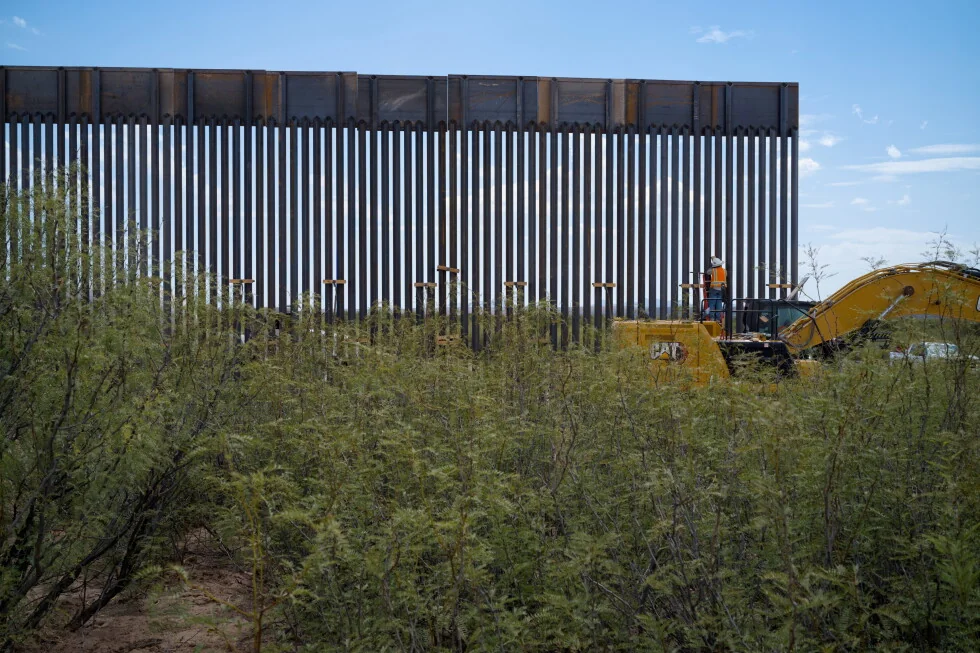
Trump-Administration beginnt mit dem Bau der Grenzmauer in der Big-Bend-Region in Texas
Trump Administration Commences Border Wall Construction in Texas’ Big Bend Region
Trump-Administration beginnt mit dem Bau der Grenzmauer in der Big-Bend-Region in Texas
Trump Administration Commences Border Wall Construction in Texas’ Big Bend Region
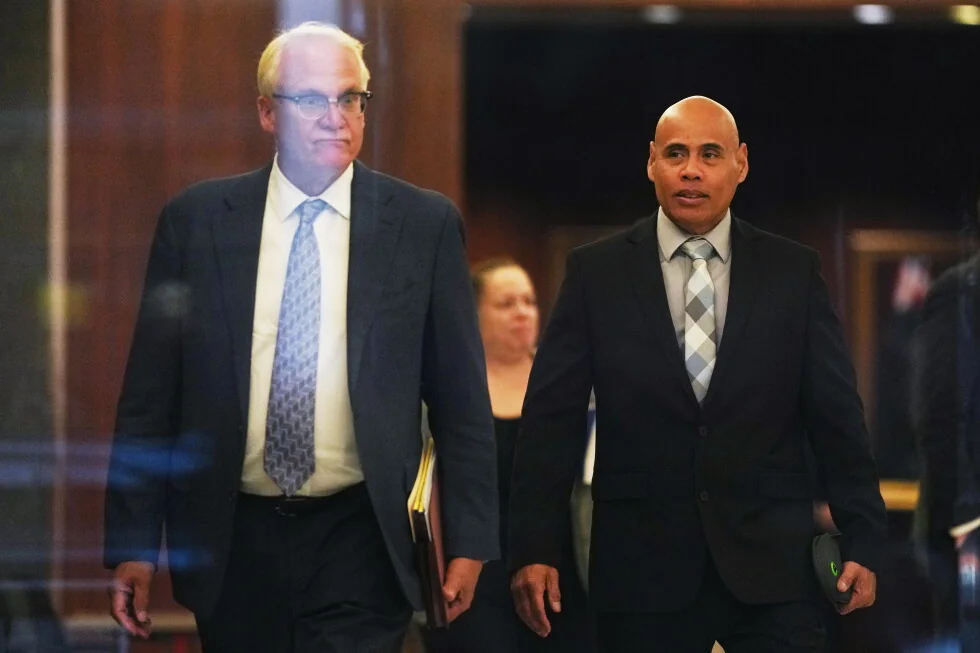
Ein ICE-Beamter plädiert auf nicht schuldig in Bezug auf die Anklage, das FBI über eine nichttödliche Schießerei in Minneapolis belogen zu haben.
ICE officer pleads not guilty to charges of lying to FBI about nonfatal Minneapolis shooting
Ein ICE-Beamter plädiert auf nicht schuldig in Bezug auf die Anklage, das FBI über eine nichttödliche Schießerei in Minneapolis belogen zu haben.
ICE officer pleads not guilty to charges of lying to FBI about nonfatal Minneapolis shooting
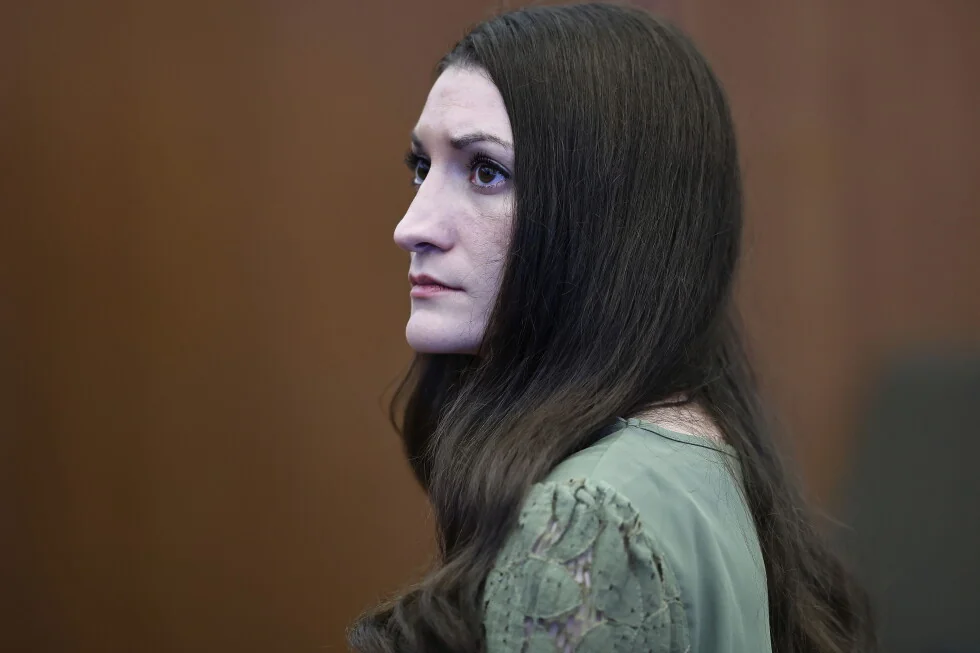
Clancy-Geschworene hegte keine „Zweifel“ an ihrer Schuld am Tod ihrer Kinder
Clancy Juror Held No "Any Doubts" Regarding Her Culpability in Her Children's Deaths
Clancy-Geschworene hegte keine „Zweifel“ an ihrer Schuld am Tod ihrer Kinder
Clancy Juror Held No "Any Doubts" Regarding Her Culpability in Her Children's Deaths
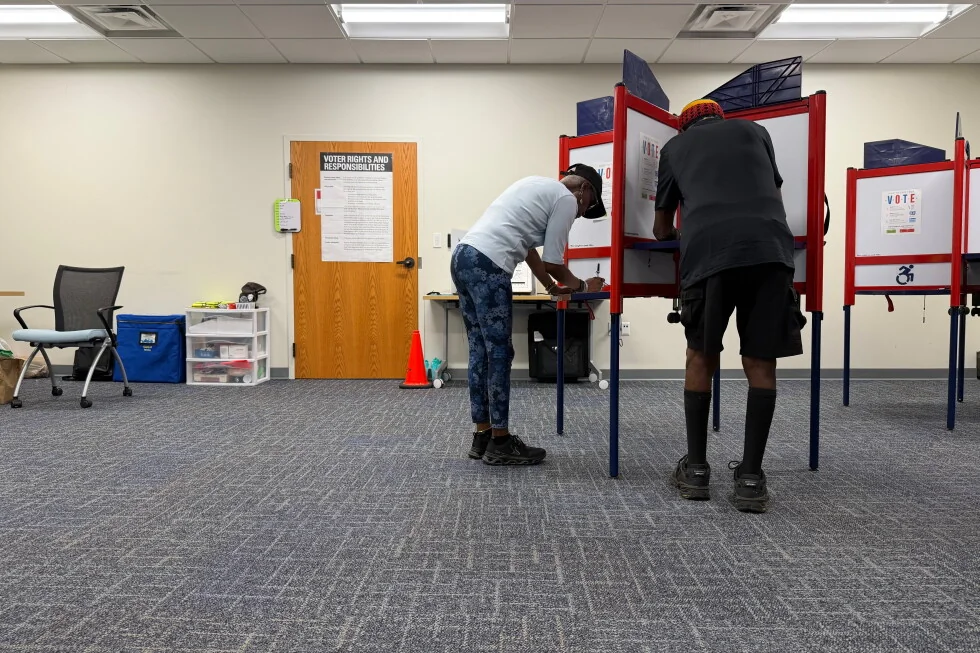
Die vorzeitige Stimmabgabe zu den US-Zwischenwahlen beginnt, die die Kontrolle über den Kongress kippen könnten
Early Voting Commences in US Midterms Poised to Flip Congressional Control
Die vorzeitige Stimmabgabe zu den US-Zwischenwahlen beginnt, die die Kontrolle über den Kongress kippen könnten
Early Voting Commences in US Midterms Poised to Flip Congressional Control
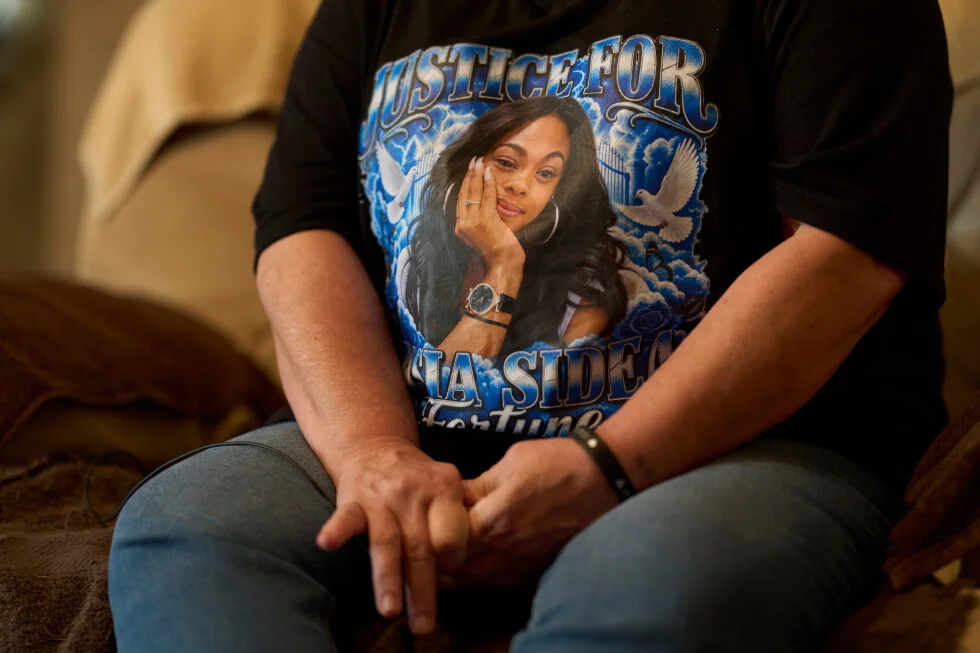
Erhängungen von Schwarzen im Süden der USA: Eine unmissverständliche Mahnung an die Lynchgeschichte der Nation
Hangings of Black People in the US South: A Stark Reminder of the Nation’s Lynching History
Erhängungen von Schwarzen im Süden der USA: Eine unmissverständliche Mahnung an die Lynchgeschichte der Nation
Hangings of Black People in the US South: A Stark Reminder of the Nation’s Lynching History
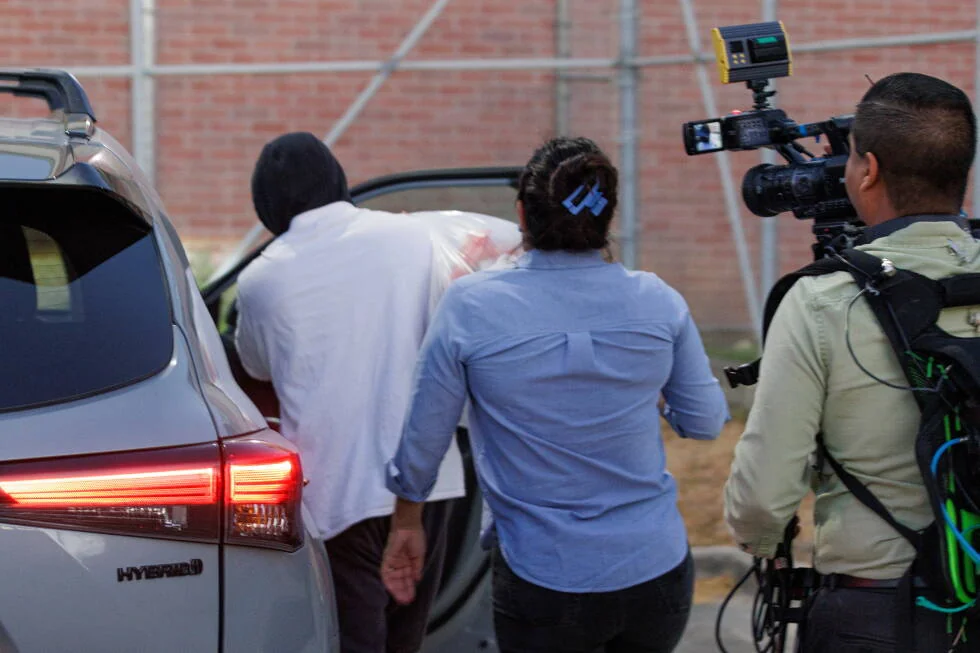
Kaution für ICE-Beamten bewilligt, der im Fall einer nichttödlichen Schießerei in Minneapolis des Meineids und der Körperverletzung beschuldigt wird
Bail Granted for ICE Officer Accused of Perjury and Assault in Minneapolis Non-Fatal Shooting
Kaution für ICE-Beamten bewilligt, der im Fall einer nichttödlichen Schießerei in Minneapolis des Meineids und der Körperverletzung beschuldigt wird
Bail Granted for ICE Officer Accused of Perjury and Assault in Minneapolis Non-Fatal Shooting
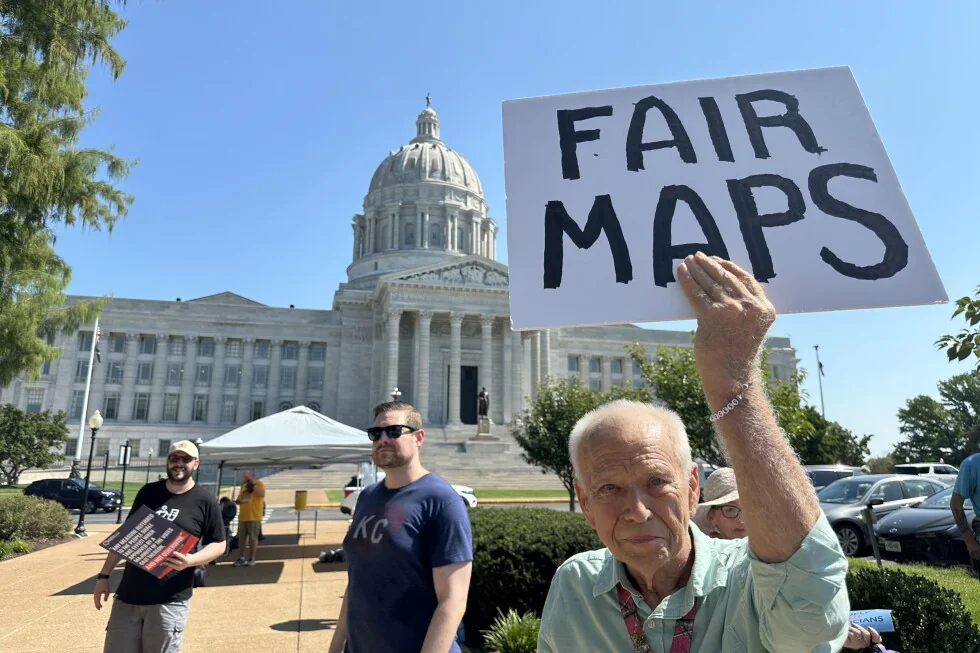
Berufungsgericht prüft Trumps unterstützte Kongresswahlkarte in Missouri trotz Blockade durch den Obersten Gerichtshof
Appeals court weighs Trump-backed Missouri congressional map despite Supreme Court block
Berufungsgericht prüft Trumps unterstützte Kongresswahlkarte in Missouri trotz Blockade durch den Obersten Gerichtshof
Appeals court weighs Trump-backed Missouri congressional map despite Supreme Court block

Die rasche Verbreitung von Desinformation in den sozialen Medien hat eine besorgniserregende Erosion des öffentlichen Vertrauens in institutionelle Autoritäten bewirkt, ein Phänomen, das, so argumentieren viele Wissenschaftler, durch die algorithmische Verstärkung polarisierender Inhalte noch verschärft wird.
Die rasche Verbreitung von Desinformation in den sozialen Medien hat eine besorgniserregende Erosion des öffentlichen Vertrauens in institutionelle Autoritäten bewirkt, ein Phänomen, das, so argumentieren viele Wissenschaftler, durch die algorithmische Verstärkung polarisierender Inhalte noch verschärft wird.
Mann legt Unschuldsplädoyer im Fall des Erhängungstodes einer Frau aus Mississippi ein
Man enters not-guilty plea in Mississippi woman's hanging death
Mann legt Unschuldsplädoyer im Fall des Erhängungstodes einer Frau aus Mississippi ein
Man enters not-guilty plea in Mississippi woman's hanging death