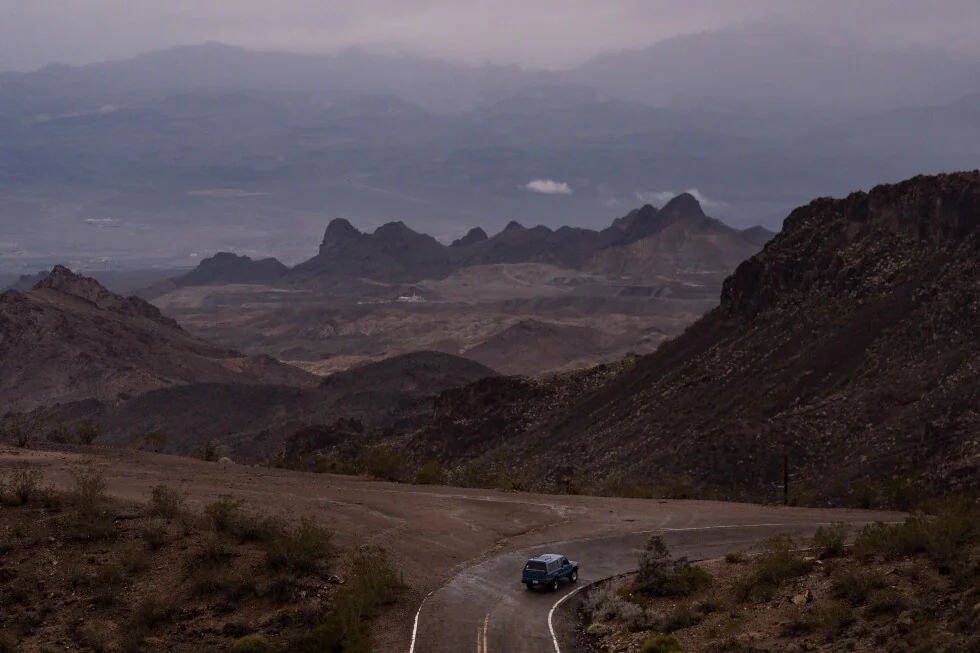
The Great American Road Trip, Fueled—and Undermined—by the Automobile That Created It
September 14th, 2026
The Great American Road Trip, Fueled—and Undermined—by the Automobile That Created It
🇺🇸 English
アメリカを車で横断する旅には、何か抗いがたい魅力が潜んでいる。
ボートほどの大きさの車、シートベルト法以前の栄光の日々、世界最大の何とかという看板へのピットストップ——そんな光景が想起される。
それはジャック・ケルアックの『オン・ザ・ロード』のような書物によって記憶に刻まれ、『ナショナル・ランプーンズ・バケーション』のような映画において風刺されてきた。
その主たる内容は、本来退屈極まりないはずの数時間に及ぶ運転である。
しかし、なぜか退屈とは感じられない。
おそらくそれは、伝説的な目的地——グランドキャニオン、イエローストーン、デスバレー——に到達することへの期待感に起因するのだろう。
あるいは、道中で遭遇する予期せぬ光景のせいかもしれない。
タンブルウィード! 実在するのだ!
アメリカ人はロードトリップの理念を愛しているが、実際にはできるだけ早く目的地に着くことを選ぶことが多い。
格安航空運賃の台頭により、運転の面倒なしに旅行することが容易になった。
車で行く場合でも、州間高速道路に留まり、理想化する小さな町を時速70マイル以上で吹き飛ばすように通り過ぎる可能性が高い。
これらの選択肢はより速く、ある人にとってはより安全だ。
しかしながら、利便性を享受する代償として、我々は一体何を喪失してしまったのだろうか?
1921年にはすでに、コーネリアス・ヴァンダービルト・ジュニアが、新婚の妻とともにニューヨーク市からバージニア州ホットスプリングスへ向かうロードトリップについて記している。
「人々が低い声で、道路は通行不能であり、試みることなど愚かだとささやくのを耳にした」と彼は記した。
「しかし、ニューヨークを出発してから4日以内にホットスプリングスに到着し、疲れも見せず、その経験でずっと幸せになった」。
長距離旅行は大恐慌と第二次世界大戦中の配給制の影響で衰退したものの、退役軍人が帰還して家庭を築き始めると、再び勢いを取り戻していった。
歴史家スーザン・ルーは『Are We There Yet? The Golden Age of American Family Vacations』の中で、第二次世界大戦後から1970年代の石油危機までの時期が家族ロードトリップの頂点だったと論じている。
より多くのアメリカ人が中産階級へと上昇し、多くが初めて有給休暇を手にし、車の所有が急増し、連邦政府はより快適な長距離旅行を可能にする高速道路に投資していた。
多くの退役軍人は、戦争でヨーロッパへ行ったため、自分たちが守るために戦ったものを子供たちに見せたがっていた。
人気の目的地の一つはワシントンD.C.であり、連合国の勝利により自由世界の首都としての重要性が一層高まっていた。
家族は歴史的な記念碑や家、戦場にも足を運んだ。
西部では、国民に属する壮大な国立公園が、観光地であると同時にアメリカ民主主義の象徴でもあった。
ルーによれば、政府が10億ドル以上を投じて施設を改善した結果、入場者数は1946年から1966年の間に650%以上も急増した。
彼女は、共にアメリカを巡る旅は家族の絆を深めるのみならず、「子供たちを市民として教育する手段をもたらした」と記している。
しかしながら、開放された道路がすべてのアメリカ人にとって自由を意味したわけではなかった。
とりわけ黒人家族は、南部以外の地域においてさえ、しばしば差別的な施設に対処することを余儀なくされたのである。
「経験はまったくもって異質である」と、ロードトリップに関するコースを教えるワシントンD.C.のトリニティ大学の教授アレン・ピエトロボンは述べる。
「決して気楽なものではない。
ガソリンが必要なときに、好みの場所で自由に停まれるわけではないのだ。
ガソリンスタンドが給油サービスを提供してくれない可能性もあるからだ」。
国立公園は連邦政府によって運営されていたため、建前上は差別は存在しないはずであったが、一部の地域では依然として差別が横行しており、例えば黒人家族専用の別のキャンプ場が設けられていた。
この問題はあまりにも体系的であったため、有名な『グリーンブック』のように黒人旅行者向けに特別に作成されたガイドブックが存在し、歓迎されるホテルやレストランがそこに列挙されていた。
ルーは、黒人家族が休暇を取る際の障害も、1964年公民権法の可決に寄与したと記している。
今日では、フリーダム・ライドに参加し、ランチカウンター・シットインを組織した大学生の抗議が、同法が公共施設における人種差別を撤廃する上での原動力として認識されている。
しかし当時の議会では、上院商業委員会が、フロリダ州セントピーターズバーグのモーテルで、通常料金の2倍を支払うと申し出ても断られた黒人実業家の話などを聞いていた。
2人の子供を含む疲れ果てた家族は、車の中でできるだけ眠ろうとしなければならなかった。
こうした物語は、議員の間で公民権運動への共感を醸成する一助となった。
ルーは、「南部のジム・クロウ法や国内の他地域に根強く残る人種差別に直面する中、家族の休暇という文化的象徴は、すべての市民の権利を保障するための連邦法の必要性を示す説得力のある証拠として提示された」と記している。
アメリカ人が道路に出るにつれて、より多くの施設を必要としたのは国立公園だけではなかった。
休暇旅行者には、道中の宿泊施設、レストラン、サービスステーションが必要だった。
一部の起業家は、ウィグワム・ビレッジのようにモーテルの部屋を巨大なコンクリートのティーピーにするなど、宿泊施設を差別化しようと競争した。
また、世界最大のくるみ割り人形のような道端のアトラクションを開発する機会を見出した者もいた。
「アメリカ人は客引きが実に巧みだ」とルーは語る。
「誰かがアトラクションを設ければ、すぐその傍らで別の誰かがレモネードやハンバーガーを売り始めるものだ」。
アトラクションで溢れかえっている高速道路の一つが、今年で100周年を迎えたルート66である。
1926年に指定され、1930年代後半までに完全に舗装されたシカゴとロサンゼルスの間の高速道路は、1880年代の旧西部への世紀半ばの熱狂に応えたものであった。
一群の事業主がこの道路を宣伝し、「アメリカのメインストリート」と呼んだが、ボビー・トループの1946年のヒット曲「(Get Your Kicks on) Route 66」は、ナット・キング・コールによって最初に録音され、いかなる広告よりも長く生き残った。
アメリカ人が愛していると主張する他の多くのものと同様に、ジョン・スタインベックが「マザーロード」と呼んだこの高速道路は、競合するアメリカの理想——進歩——の犠牲になった。
州間高速道路の建設は、多くの交通をコミュニティから逸らす結果となり、多数の企業が閉鎖に追い込まれた。
小さな町全体が消滅したのである。
しかしながら、この象徴的な高速道路の一部を保存しようとする運動が現在進行中であり、人々は今なお、そのネオンとキッチュな西部をテーマにしたアトラクションを体験すべく、世界中から訪れている。
リチャード・ラテイは自らを「ロードトリップの王」と自称している。
彼の著書『Don’t Make Me Pull Over! An Informal History of the Family Road Trip』は、子供の頃に家族の車の後部座席で目を覚ますと、車が凍った道路から滑り落ちて堤防を下っているという恐ろしい場面から始まる。
車は他の何十台もの車とともに立ち往生し、家族は牽引されるまで寒さの中で何時間も待たなければならなかった。
「何年も経った後、私たちは皆、それが家族でのロードトリップの最高の始まりだったと認めるだろう」と彼は書いている。
直感に反するかもしれないが、往々にして困難や予期せぬ障害こそが、休暇を一層記憶に残るものにするのである。
ピエトロボンは、ネバダ州の小さな町で自動車事故に遭遇した同僚の話を想起する。
「土曜日の午後で、すべてが閉まっていた。
レンタカーは火曜日まで入手できない。
そして彼らはその場所で立ち往生した。
しかし、実際には本当に素晴らしい経験をすることになった」と彼は言う。
「現在の高級旅行の目的は、あらゆる摩擦を排除することだ。
そして、そこで私たちは何かを失っていると思う」。
州間高速道路ができる前は、高速道路システムは実質的に、町のメインストリートを高速道路で結んだものだった。
夜を過ごすため、あるいは食事のためだけに立ち寄る人は、その町の生活に参加することになった。
「多様な地域の人々と出会う中で、車で旅する家族は、米国の地域によって話し方や服装、食べ物が多少異なることがあっても、結局のところ我々はそれほど変わらないのだと理解する機会を得た」とラテイはインタビューで述べた。
今日の州間高速道路は主にこれらの町を迂回しており、出口を出たところでチェーン店のガソリン、食べ物、宿泊を提供している。
これにより運転はより速く便利になるが、より特徴がなくなる。
飛行機旅行は、州間高速道路が提供する最小限の地元との交流さえも省略する。
ラテイは言う。
「私たちは予期せぬ発見をし、小さな町のアメリカと出会い、関わる機会を交換した」と。
「私たちはそれらの経験を、最終目的地に着くための速度と便利さと引き換えにした」。
州間高速道路の建設に伴い、多くの小規模な道端のモーテル、レストラン、アトラクションが閉鎖を余儀なくされたものの、一部はなお存続している。
よりゆったりとした道筋を選び、地元の人々と言葉を交わし、些細な不便さをも含めた経験そのものを味わうことは、依然として可能である。
「どこでも構わないが、そうした古い高速道路の一つに乗ること」とルーは言う。
「イリノイを抜けてリンカーン・ハイウェイを走り、リンカーン・ハイウェイで中西部を横断しなさい。
アリゾナからカナダへはハイウェイ89を、カリフォルニアではハイウェイ1を」。
古い旅行記では、目的地はほとんど無関係だとピエトロボンは言う。
「次に誰がジャック・ケルアックになるか、つまり、旅そのものが彼の書くテーマであり、一日の終わりに立ち寄ったときのスナップショットだけではない、ということを考える」。
本稿はアメリカ合衆国建国250周年を記念する連載記事の一環である。
詳細についてはこちらをクリックされたい。
国を変えた物に関するプレゼンテーションはこちらからご覧いただける。
記念日に関連するその他の記事はこちらをクリック。
September 14th, 2026
Trending Articles
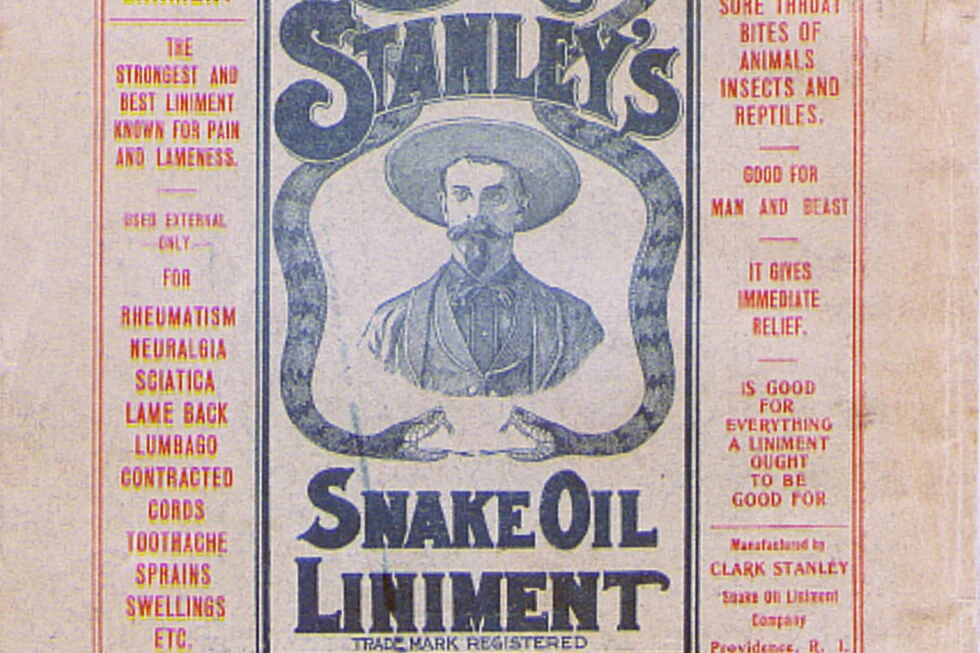
250 Years Unchanged: The Gullibility of Americans
250 Years Unchanged: The Gullibility of Americans
250 Years Unchanged: The Gullibility of Americans
250 Years Unchanged: The Gullibility of Americans
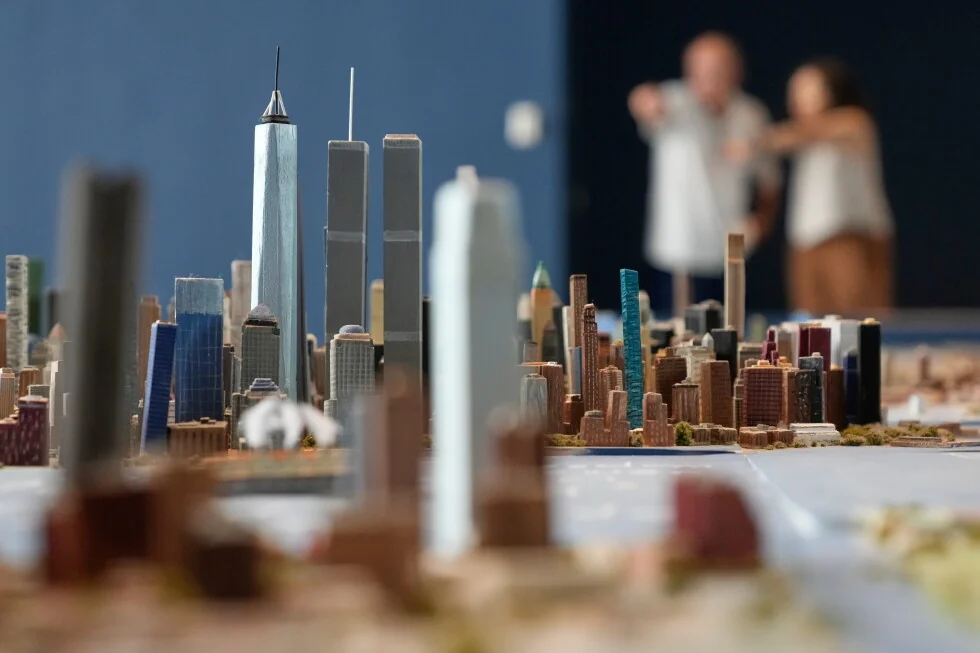
Truck Driver Builds 800,000-Structure NYC Model as a Hobby—Now a Museum Exhibit
Truck Driver Builds 800,000-Structure NYC Model as a Hobby—Now a Museum Exhibit
Truck Driver Builds 800,000-Structure NYC Model as a Hobby—Now a Museum Exhibit
Truck Driver Builds 800,000-Structure NYC Model as a Hobby—Now a Museum Exhibit
DoorDash and Uber Eats to Begin Delivery from Costco US Stores
DoorDashとUber Eats、コストコ米国店舗からの配送開始へ
DoorDash and Uber Eats to Begin Delivery from Costco US Stores
DoorDashとUber Eats、コストコ米国店舗からの配送開始へ

Chef David Chang embarks on a cross-country journey across America in CNN's new culinary travel series
シェフのデヴィッド・チャン、CNNの新グルメ旅行シリーズでアメリカ横断の旅へ
Chef David Chang embarks on a cross-country journey across America in CNN's new culinary travel series
シェフのデヴィッド・チャン、CNNの新グルメ旅行シリーズでアメリカ横断の旅へ

A golf ball discovered in the rubble of the World Trade Center became a symbol of incomprehensible loss.
A golf ball found in the World Trade Center rubble became a symbol of incomprehensible loss.
A golf ball discovered in the rubble of the World Trade Center became a symbol of incomprehensible loss.
A golf ball found in the World Trade Center rubble became a symbol of incomprehensible loss.
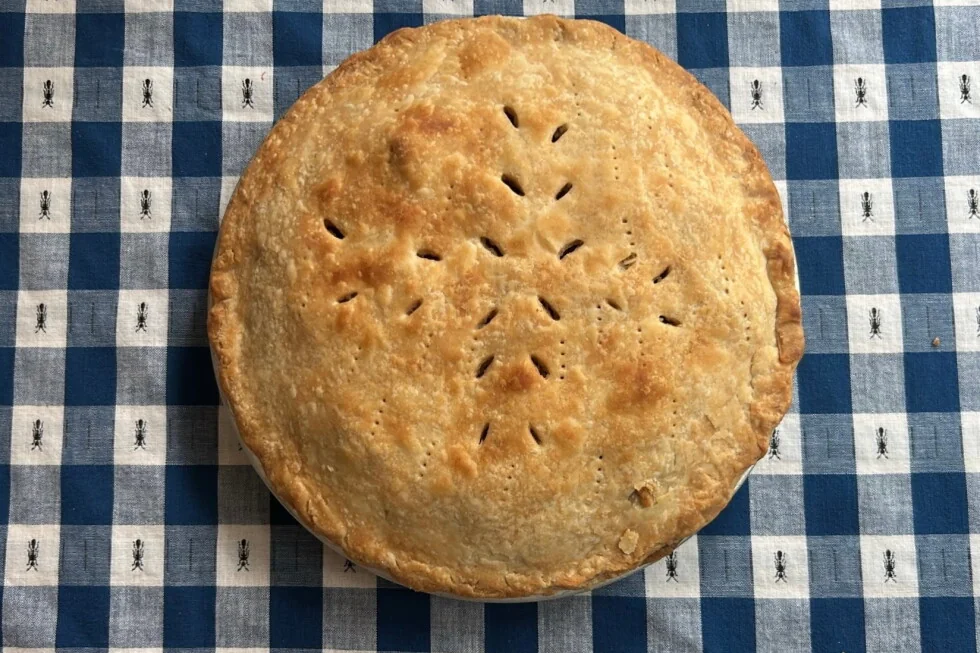
The apple pie (of course, with my mother) became the nation's symbolic food.
The apple pie (of course, with my mother) became the nation's symbolic food.
The apple pie (of course, with my mother) became the nation's symbolic food.
The apple pie (of course, with my mother) became the nation's symbolic food.
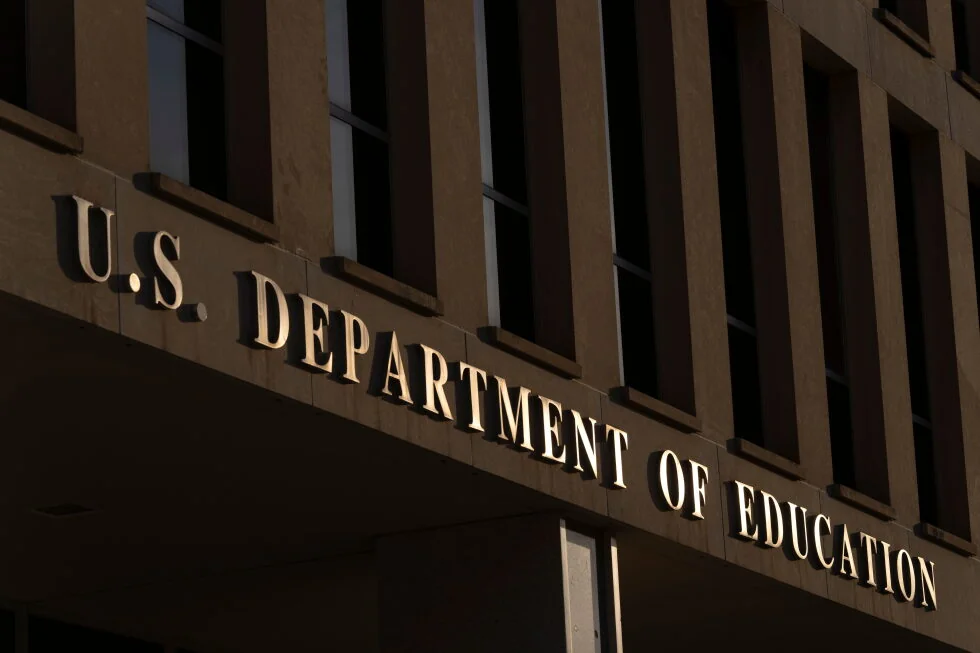
Satisfaction with U.S. schools remains low, according to a new Gallup poll.
Satisfaction with U.S. schools remains low, according to a new Gallup poll.
Satisfaction with U.S. schools remains low, according to a new Gallup poll.
Satisfaction with U.S. schools remains low, according to a new Gallup poll.
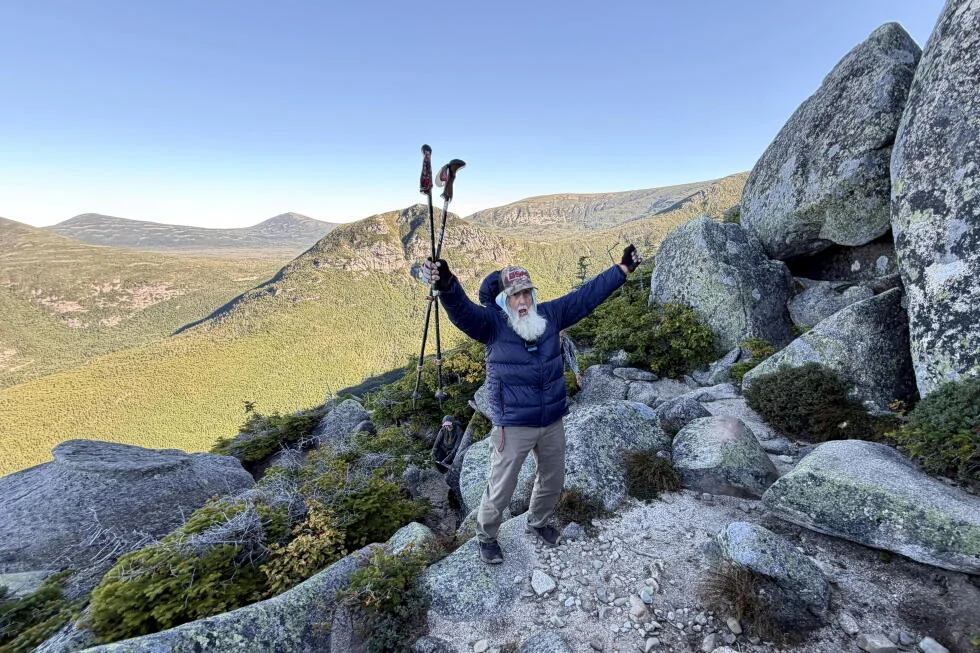
91-Year-Old Dale “Grey Beard” Sanders Regains Record as Oldest to Complete the Appalachian Trail
91-Year-Old Dale “Grey Beard” Sanders Regains Record as Oldest to Complete the Appalachian Trail
91-Year-Old Dale “Grey Beard” Sanders Regains Record as Oldest to Complete the Appalachian Trail
91-Year-Old Dale “Grey Beard” Sanders Regains Record as Oldest to Complete the Appalachian Trail

Beyond the Classic Cushion: A Guide to Choosing Mums in the Autumn Garden
Beyond the Classic Cushion: A Guide to Choosing Mums in the Autumn Garden
Beyond the Classic Cushion: A Guide to Choosing Mums in the Autumn Garden
Beyond the Classic Cushion: A Guide to Choosing Mums in the Autumn Garden