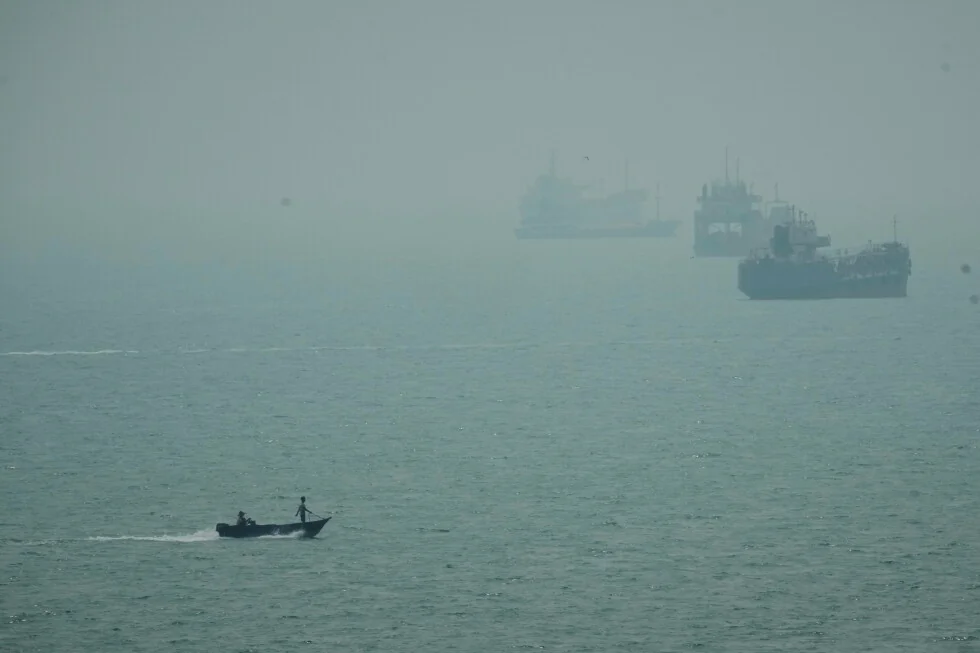
ペンタゴンは、米海軍艦艇へのミサイル攻撃を受けて、イランの石油タンカー5隻が破壊されたことを確認した。
September 8th, 2026
ペンタゴンは、米海軍艦艇へのミサイル攻撃を受けて、イランの石油タンカー5隻が破壊されたことを確認した。
🇯🇵 日本語
According to Iranian state-run media, Iran has launched missiles at American targets in Jordan, in direct response to the most recent U.S. strikes.
This constitutes the latest salvo in an escalating cycle of reciprocal reprisals, following the U.S. military’s assertion that it had destroyed five Iranian crude oil tankers in response to two separate assaults on an American warship perpetrated by Iran’s Revolutionary Guard over the preceding forty-eight hours.
U.S. Central Command, upon inquiry regarding the strikes on the Jordanian airbase, stated that it possessed no information to proffer.
Central Command reported that the Iranian tankers destroyed in the assault—the Kivik, the Charminar, the Horizon 1, and the Riesco—were situated in the Gulf of Oman.
Furthermore, U.S. military forces annihilated the vessel Derya, which had been positioned in proximity to Kharg Island within the Strait of Hormuz.
Central Command reported that the crews of the five vessels were instructed to abandon ship prior to the commencement of the attacks.
The strikes come a mere three days subsequent to U.S. forces having obliterated three Iranian oil tankers, following an attempt by Iran’s Revolutionary Guards to assail a U.S. aircraft carrier and destroyer.
Iranian state television likewise corroborated the U.S. strikes, reporting that American forces had targeted no fewer than three Iranian oil tankers in the vicinity of the southern port of Jask and near Kharg Island in the Persian Gulf, adding that the vessels' crews had been evacuated.
Secretary of State Marco Rubio has unequivocally declared that the United States will not countenance Iran's belligerent actions going unreciprocated.
“Iran persists in its attempts to strike U.S. naval vessels.
Yet for every such attempt—or even the mere endeavor—they will forfeit tankers.
I suspect you will witness that dynamic reiterated today,” Rubio informed reporters on Tuesday, addressing the most recent attacks emanating from Iran during his visit to Colombia.
Danny Citrinowicz, an Iran specialist at the Israel Institute for National Security Studies, cautioned that such reciprocal strikes are liable to precipitate further retaliation and exert additional deleterious effects on the global economy.
“There exists no kinetic solution to the quandary of the Strait of Hormuz,” he averred across social media.
“Any endeavor to impose one merely propels Washington and Tehran ever nearer to a conflagration whose containment may prove progressively elusive.”
This site is fortified by reCAPTCHA, and the Google Privacy Policy, together with the Terms of Service, are wholly applicable and legally binding in their entirety.
A correspondent for Iranian state television in Jask reported that an Iranian tanker had been struck in proximity to the Yekbeni coastline, whilst a subsequent detonation was audible in the vicinity, the origin and precise location of which remained, at that juncture, indeterminate.
State television subsequently reported that U.S. military forces had struck a second tanker in the vicinity of the waters off Jask, adding that the crews of both vessels were being evacuated by lifeboat toward the Jask coastline.
Independently, the state broadcaster reported that another Iranian tanker had been subjected to an assault within the anchorage zone of Kharg Island, adding that the crew had been expeditiously evacuated in the direct aftermath of the incident.
On Tuesday, the naval arm of Iran’s Revolutionary Guard issued a stark admonition to crews of oil tankers anchored near the ports of Kuwait and Bahrain, urging them to abandon their vessels forthwith, on the grounds that such ships might be singled out for attack as a retaliatory measure against U.S. strikes on Iranian tankers.
Furthermore, it leveled accusations at Kuwait and Bahrain, contending that they harbor U.S. military contingents and have lent support to these offensive operations.
On Saturday, the U.S. military announced that it had struck three Iranian oil tankers, following an assault on Navy warships by ballistic missiles, and cautioned that it would, “if necessary, destroy Iran’s limited and exposed oil fleet.”
Subsequently, Iran declared its intention to establish a novel “exclusion zone” in the vicinity of the Strait of Hormuz, targeting vessels seeking passage.
The latest strikes constitute a component of a dual-pronged economic and military strategy orchestrated by President Donald Trump as he endeavors to conclude a conflict with Tehran that has persisted for over six months.
On Tuesday, the Trump administration additionally levied sanctions against further segments of Iran’s aviation sector, targeting upwards of two dozen commercial and private carriers, alongside foreign airfreight operators, as part of its renewed campaign to sever Tehran’s remaining commercial ties with the international community.
Both Washington and Tehran are vying for strategic ascendancy over the Strait of Hormuz, a chokepoint through which approximately one-fifth of the world’s petroleum transited prior to the outbreak of hostilities.
Escalating energy costs are now engendering considerable political consternation for Trump and the Republican Party as the November midterm elections loom on the horizon.
On Tuesday, a barrel of Brent crude—the international benchmark—momentarily surged to $99.46.
A U.S. interdiction of Iranian ports has constricted the nation’s economy by curtailing its petroleum exports, while American military forces have facilitated the passage of a select number of vessels along a corridor traversing the Strait of Hormuz off the coast of Oman.
Tehran insists that shipping adhere to a route of its own designation through the strait, a waterway that was internationally recognized as such prior to the onset of hostilities.
September 8th, 2026
Trending Articles
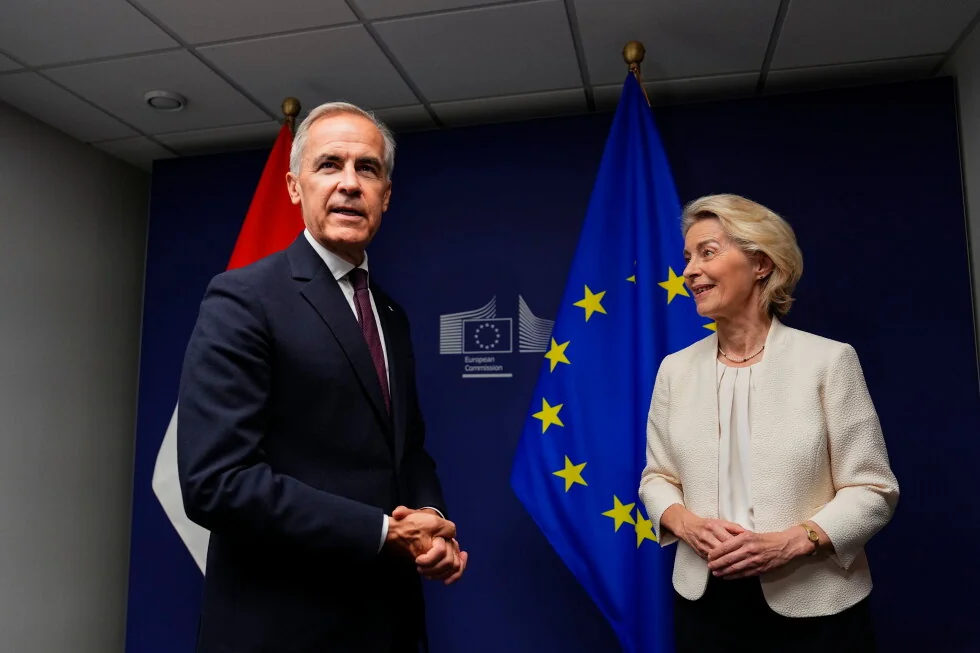
EUのカナダに対する「準加盟国」提案:潜在的な影響
The EU’s “associate member” overture to Canada: potential implications
EUのカナダに対する「準加盟国」提案:潜在的な影響
The EU’s “associate member” overture to Canada: potential implications

ホワイトハウスは、トランプ氏が来週ニューヨークでベネズエラのデルシー・ロドリゲス暫定大統領と会談すると発表した。
Trump to convene with Venezuelan acting President Delcy Rodríguez in New York next week, White House announces
ホワイトハウスは、トランプ氏が来週ニューヨークでベネズエラのデルシー・ロドリゲス暫定大統領と会談すると発表した。
Trump to convene with Venezuelan acting President Delcy Rodríguez in New York next week, White House announces

ロシアの戦時経済は債務と軍事支出による長期的な侵食に直面している
Russia’s Wartime Economy Faces Long-Term Erosion from Debt and Military Spending
ロシアの戦時経済は債務と軍事支出による長期的な侵食に直面している
Russia’s Wartime Economy Faces Long-Term Erosion from Debt and Military Spending

ロシア、議会選挙で3日間の投票を開始、クレムリンの権力固めの様相
Russia Embarks on Three Days of Voting in Parliamentary Election Poised to Entrench Kremlin’s Power
ロシア、議会選挙で3日間の投票を開始、クレムリンの権力固めの様相
Russia Embarks on Three Days of Voting in Parliamentary Election Poised to Entrench Kremlin’s Power
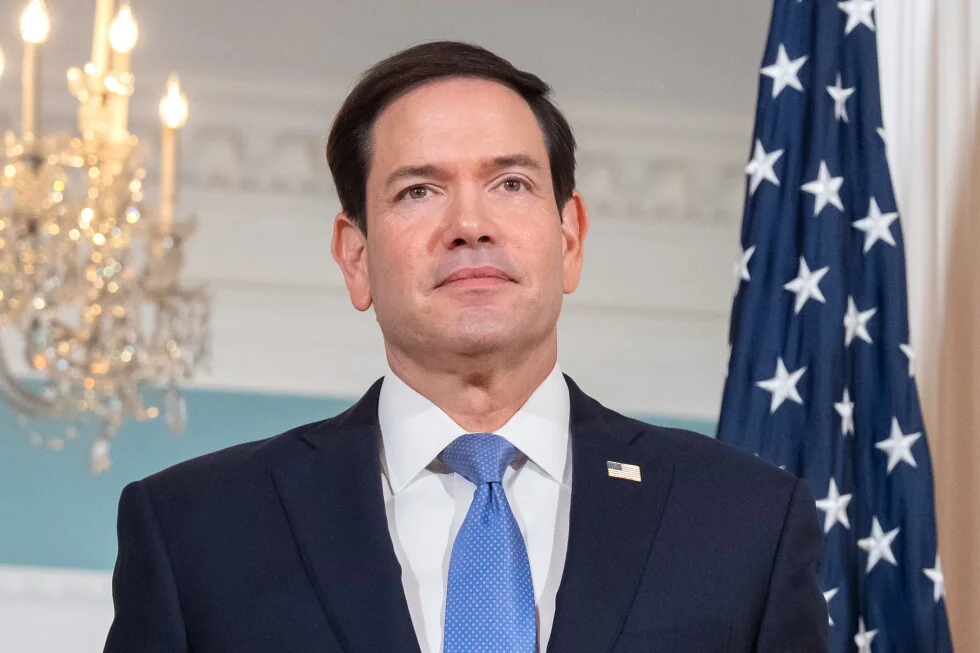
アメリカ合衆国は、戦時下の敵対関係にもかかわらず、国連ハイレベル会合のためにイランの最高指導者らにビザを付与した。
US grants visas to top Iranian leaders for UN high-level meeting despite wartime hostilities
アメリカ合衆国は、戦時下の敵対関係にもかかわらず、国連ハイレベル会合のためにイランの最高指導者らにビザを付与した。
US grants visas to top Iranian leaders for UN high-level meeting despite wartime hostilities
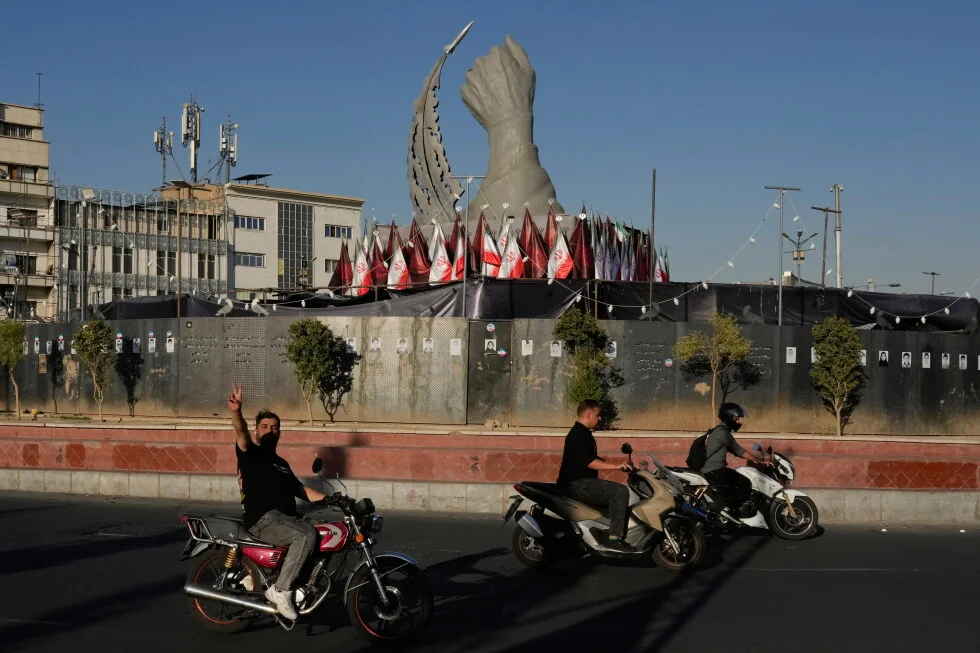
国連支援の専門家らは、イラン攻撃における潜在的なアメリカ合衆国の戦争犯罪を主張
UN-backed experts allege potential US war crimes in Iran strikes
国連支援の専門家らは、イラン攻撃における潜在的なアメリカ合衆国の戦争犯罪を主張
UN-backed experts allege potential US war crimes in Iran strikes
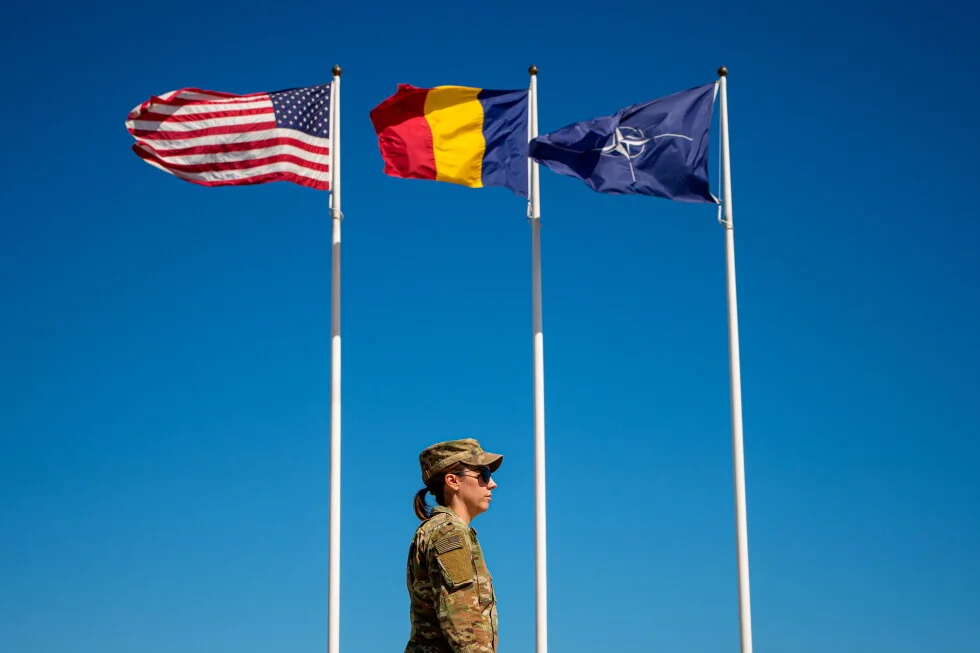
ルーマニア国境沿いの住民、ドローン警報の激化に警戒を強める
Romanian Border Residents Alarmed as Drone Alerts Escalate
ルーマニア国境沿いの住民、ドローン警報の激化に警戒を強める
Romanian Border Residents Alarmed as Drone Alerts Escalate
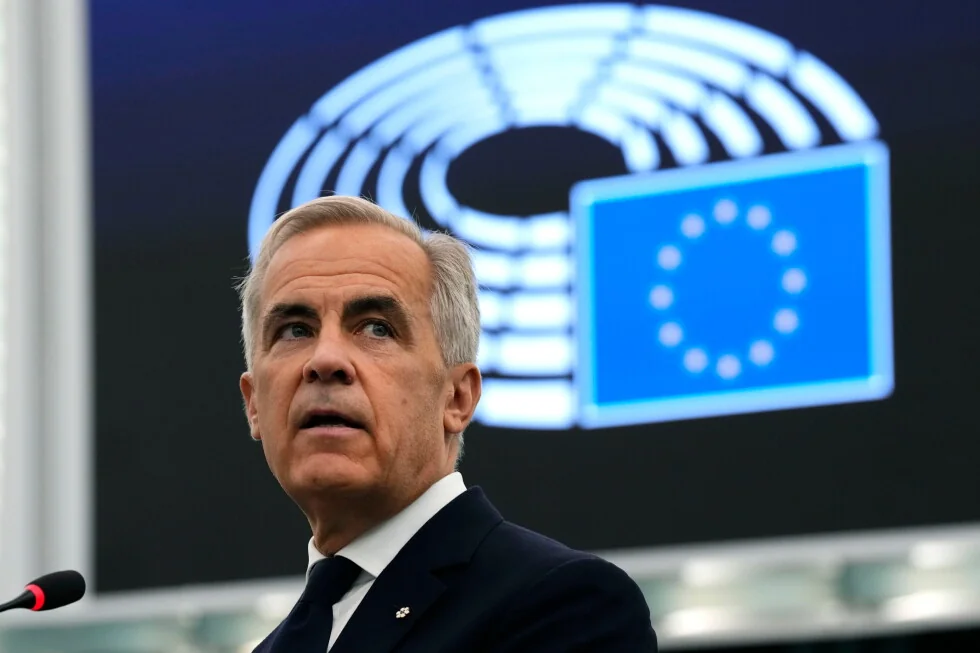
カーニー、EU準加盟提案を受け入れる――トランプがカナダをヨーロッパへと押しやる中で
Carney Embraces EU Associate Membership Proposal as Trump Propels Canada Toward Europe
カーニー、EU準加盟提案を受け入れる――トランプがカナダをヨーロッパへと押しやる中で
Carney Embraces EU Associate Membership Proposal as Trump Propels Canada Toward Europe

ホルムズ海峡再開:終わらぬイラン戦争のなかでのアメリカ合衆国の前進
Strait of Hormuz Reopened: US Progress Amid an Unfinished Iran War
ホルムズ海峡再開:終わらぬイラン戦争のなかでのアメリカ合衆国の前進
Strait of Hormuz Reopened: US Progress Amid an Unfinished Iran War

ナイジェリア人6名、ロマンス詐欺で女性から600万ドルを騙し取った容疑でアメリカ合衆国へ身柄引き渡し
Six Nigerians Extradited to US for Defrauding Women of $6M in Romance Scams
ナイジェリア人6名、ロマンス詐欺で女性から600万ドルを騙し取った容疑でアメリカ合衆国へ身柄引き渡し
Six Nigerians Extradited to US for Defrauding Women of $6M in Romance Scams