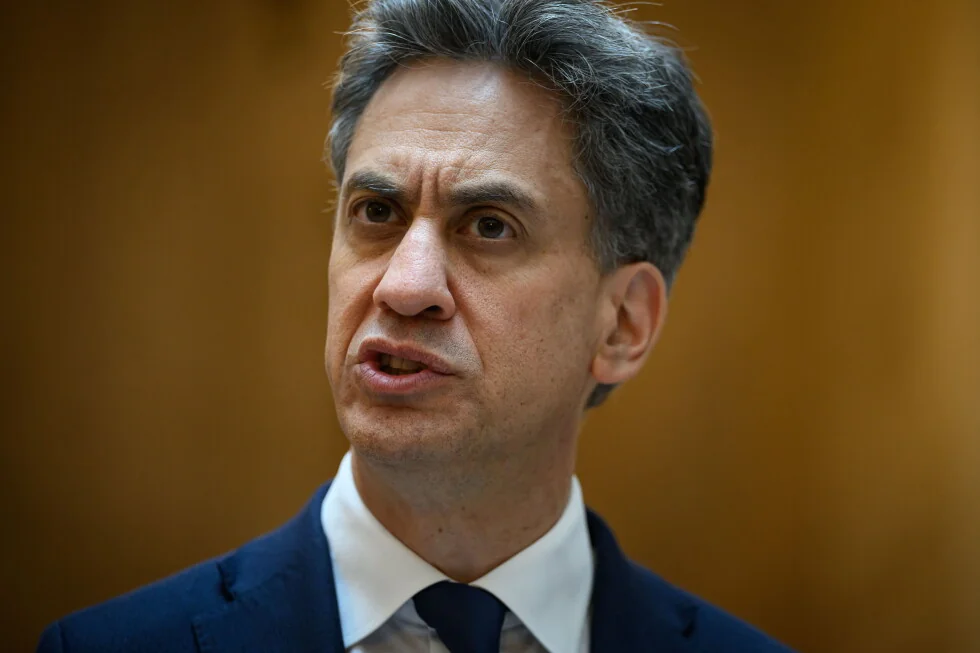
イギリス政府は入植者による「民族浄化」を非難し、イスラエル人入植地からの商品を禁止する。
September 8th, 2026
イギリス政府は入植者による「民族浄化」を非難し、イスラエル人入植地からの商品を禁止する。
🇯🇵 日本語
On Tuesday, the United Kingdom imposed a ban on trade with Israeli settlements situated in the occupied West Bank, a region it alleges is being subjected to "ethnic cleansing" by "settler terrorists," thereby marking a substantial escalation in Britain's posture toward a longstanding ally.
France and Canada have declared their intention to follow suit, endeavoring to forestall the prospect that escalating settlement expansion and mounting violence render the establishment of a viable Palestinian state an unattainable objective.
Israel responded with unbridled fury, proclaiming its unequivocal determination to close the British consulate in Jerusalem.
Foreign Secretary Ed Miliband declared that the United Kingdom will impose a comprehensive prohibition on the importation of all commodities originating from the settlements, and will additionally preclude any corporate entity from extending services thereto, encompassing financial, constructional, infrastructural, real-estate, and promotional undertakings.
“I do not believe the British public would countenance our complicity in the occupation through the acceptance of settlement-produced goods within our retail outlets and supermarkets,” Miliband asserted.
In a joint statement, British Prime Minister Andy Burnham, French President Emmanuel Macron and Canadian Prime Minister Mark Carney asserted that settlement expansion and settler violence in the West Bank “pose a direct and urgent threat” to the two-state solution, adding that they had resolved to intervene “before it is too late.”
The macroeconomic ramifications are likely to remain circumscribed, given that the settlements generate only a modest volume of predominantly agrarian exports.
Nevertheless, the measure constitutes a symbolic manifestation of disaffection toward Israel on the part of several of its most intimate allies, and it furnishes fresh evidence of the Israeli government’s progressive estrangement in the wake of the Gaza conflict.
Miliband articulated that he harbors "a profound sense of shame regarding the events that have transpired in Palestine under the scrutiny of the international community."
“We shall not acquiesce in the obliteration of the two-state solution,” he averred.
Israeli Foreign Minister Gideon Sa’ar condemned the “despicable” move, declaring that Israel would expel U.K. representatives from a joint military center tasked with monitoring the Gaza ceasefire and terminate U.K. training of the Palestinian Authority’s security forces in the West Bank.
Furthermore, Israel barred entry to a dozen British lawmakers and other U.K. citizens whom Sa’ar characterized as “involved in antisemitic and anti-Israel activity.”
Under the ultranationalist administration of Israeli Prime Minister Benjamin Netanyahu, the expansion of settlements in the West Bank — territory seized by Israel during the 1967 Middle East war — has intensified markedly.
Netanyahu’s government regards the West Bank as the Jews’ biblical and ancestral patrimony and remains resolutely opposed to the establishment of a Palestinian state.
The international community overwhelmingly regards such construction as a flagrant breach of international law.
Britain and other nations have voiced acute disquiet over the E1 settlement project, sanctioned by Israel, which would effectively cleave the territory in twain.
There has been a pronounced escalation in settler violence against Palestinians, the forcible displacement of residents from Palestinian towns, Israeli military incursions and checkpoints that severely impede freedom of movement, alongside a number of Palestinian attacks directed at Israelis.
“The British government concurs that ethnic cleansing of Palestinians is being perpetrated in areas of the West Bank by settler terrorists,” Miliband asserted.
He noted that there had been “dwellings razed, thoroughfares and public infrastructure obliterated, and families uprooted from their abodes.”
Miliband articulated that the imposition of the trade embargo would transpire within a span of six to nine months, further noting that Denmark, Finland, Iceland, Poland, Portugal, and Sweden have all pledged their endorsement for 'support further action.'
He observed that the Netherlands, Ireland, Belgium, Spain, and Norway have either enacted outright prohibitions on merchandise originating from settlements or are presently in the throes of legislating comparable measures.
Miliband further reinforced Britain’s embargo on the sale of arms to Israel for deployment in Gaza, extending its scope to encompass weaponry “that materially contribute to the occupation” of Palestinian territories.
The United Kingdom's recognition of Palestinian statehood last year constituted a strategic endeavor to reinvigorate the flagging momentum toward the realization of a two-state solution.
In a significant shift in Britain’s stance, Miliband declared on Tuesday that the United Kingdom now deems Israel’s occupation of the West Bank—not merely its settlements—to be unlawful.
The advent of this new position is poised to elicit a favorable reception among a substantial contingent of Labour constituents and parliamentarians, who have persistently advocated for a more stringent posture towards Israel and enhanced solidarity with the Palestinian cause.
Yet some voiced apprehension that the sanctions might fortify Netanyahu—currently embroiled in a grueling electoral contest slated for October—or precipitate assaults upon Britain's Jewish community.
The nation's chief rabbi, Ephraim Mirvis, characterized the moment as “a dark day for British Jews.”
Tom Tugendhat, the opposition Conservative Party’s spokesman on foreign affairs, contended that “turning Israel into a pariah will risk sectarian division in our own country and risk a further rise in antisemitic violence on our own streets.”
Prior to Miliband’s declaration, Itamar Ben-Gvir, Israel’s intransigent minister of public security and a prominent figure within the settler movement, urged Netanyahu to acknowledge Argentina’s sovereignty claim over the Falkland Islands, a British overseas territory situated in the South Atlantic and referred to in Argentina as the Malvinas.
Israeli President Isaac Herzog excoriated the prohibition as "a grave miscalculation, a decision that will fall on the wrong side of history."
“In the present circumstances, any such action would constitute a flagrant encroachment upon the democratic electoral processes of a sovereign state,” he remarked.
The move was likewise censured by the U.S. ambassador to Israel, Mike Huckabee, a longstanding proponent of the settlements, who characterized it as “discrimination against the Jewish people.”
He cautioned that the U.K. could incur “repercussions or retaliations” from the U.S. should it enact the sanctions.
Several U.S. states have enacted legislation proscribing contracts or investments with enterprises that boycott Israeli firms, inclusive of those situated in the West Bank.
Burnham’s office confirmed that he had spoken with U.S. President Donald Trump on Monday, during which he articulated “the U.K.’s commitment to working toward peace and security in the region” and to the realisation of a two-state solution.
No indication was given as to Trump’s response.
Miliband, whose parents sought refuge in the U.K. from Nazi tyranny, apprised parliamentarians that he was speaking "as a proud British Jew" and an advocate for Israel.
"Our contention lies not with the people of Israel, to whom the United Kingdom is bound by ties of unassailable permanence," Miliband declared.
"Our contention lies with the conduct of its government."
September 8th, 2026
Trending Articles
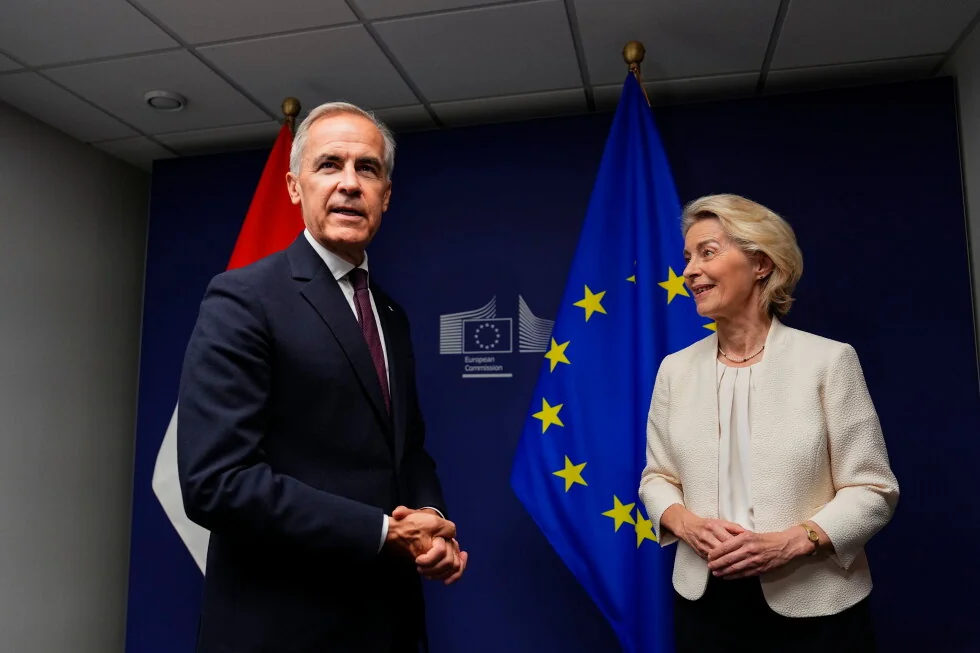
EUのカナダに対する「準加盟国」提案:潜在的な影響
The EU’s “associate member” overture to Canada: potential implications
EUのカナダに対する「準加盟国」提案:潜在的な影響
The EU’s “associate member” overture to Canada: potential implications
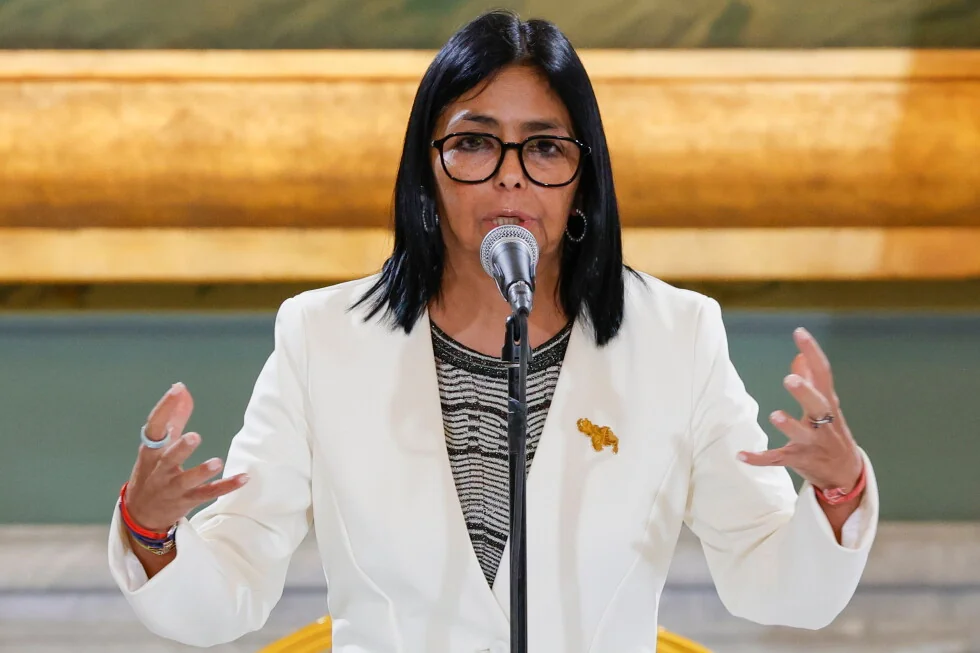
ホワイトハウスは、トランプ氏が来週ニューヨークでベネズエラのデルシー・ロドリゲス暫定大統領と会談すると発表した。
Trump to convene with Venezuelan acting President Delcy Rodríguez in New York next week, White House announces
ホワイトハウスは、トランプ氏が来週ニューヨークでベネズエラのデルシー・ロドリゲス暫定大統領と会談すると発表した。
Trump to convene with Venezuelan acting President Delcy Rodríguez in New York next week, White House announces

ロシアの戦時経済は債務と軍事支出による長期的な侵食に直面している
Russia’s Wartime Economy Faces Long-Term Erosion from Debt and Military Spending
ロシアの戦時経済は債務と軍事支出による長期的な侵食に直面している
Russia’s Wartime Economy Faces Long-Term Erosion from Debt and Military Spending
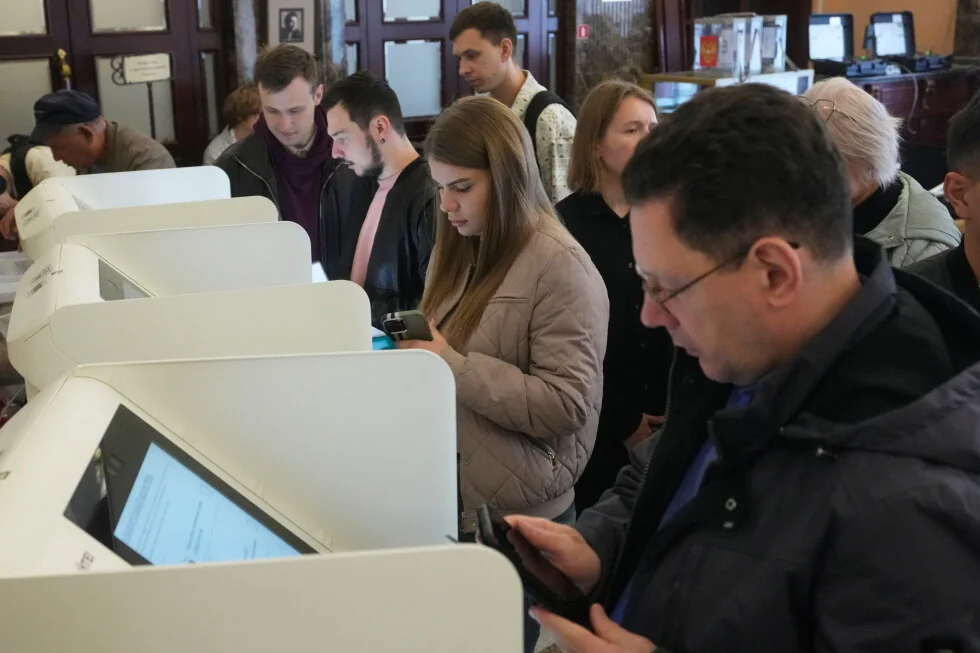
ロシア、議会選挙で3日間の投票を開始、クレムリンの権力固めの様相
Russia Embarks on Three Days of Voting in Parliamentary Election Poised to Entrench Kremlin’s Power
ロシア、議会選挙で3日間の投票を開始、クレムリンの権力固めの様相
Russia Embarks on Three Days of Voting in Parliamentary Election Poised to Entrench Kremlin’s Power
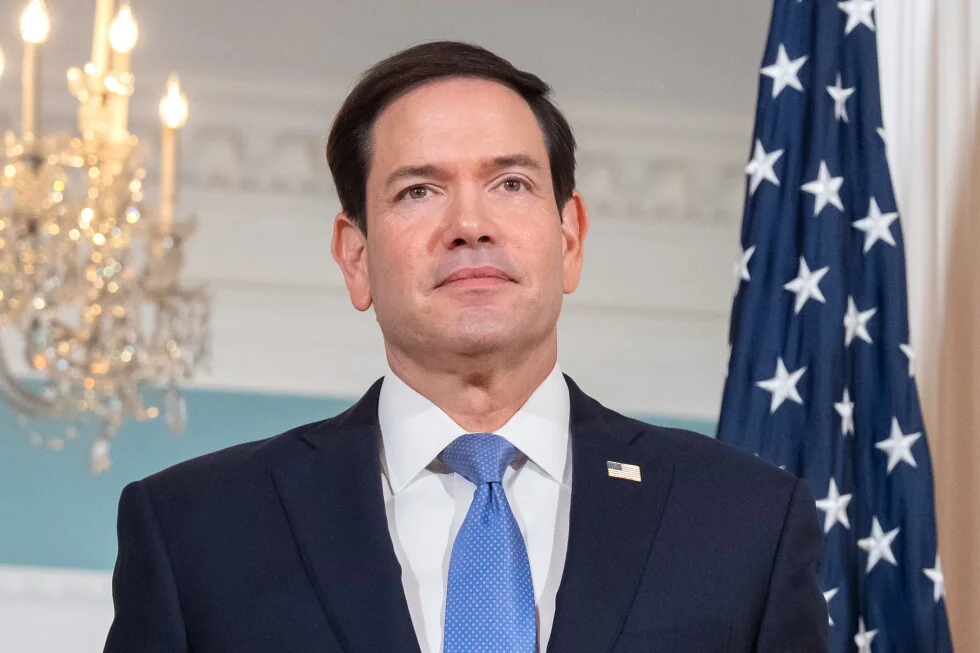
アメリカ合衆国は、戦時下の敵対関係にもかかわらず、国連ハイレベル会合のためにイランの最高指導者らにビザを付与した。
US grants visas to top Iranian leaders for UN high-level meeting despite wartime hostilities
アメリカ合衆国は、戦時下の敵対関係にもかかわらず、国連ハイレベル会合のためにイランの最高指導者らにビザを付与した。
US grants visas to top Iranian leaders for UN high-level meeting despite wartime hostilities
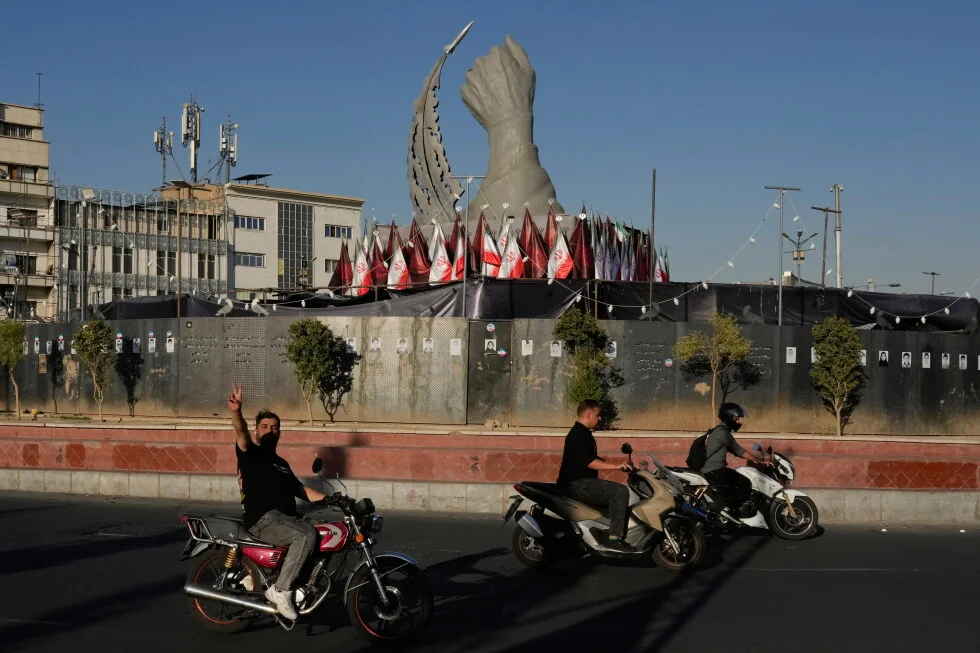
国連支援の専門家らは、イラン攻撃における潜在的なアメリカ合衆国の戦争犯罪を主張
UN-backed experts allege potential US war crimes in Iran strikes
国連支援の専門家らは、イラン攻撃における潜在的なアメリカ合衆国の戦争犯罪を主張
UN-backed experts allege potential US war crimes in Iran strikes
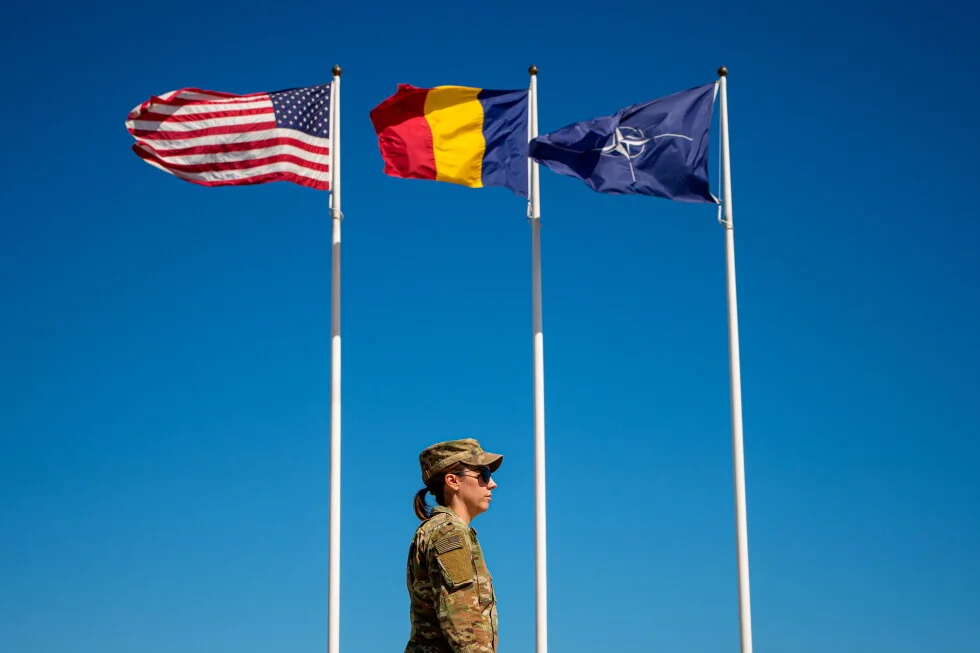
ルーマニア国境沿いの住民、ドローン警報の激化に警戒を強める
Romanian Border Residents Alarmed as Drone Alerts Escalate
ルーマニア国境沿いの住民、ドローン警報の激化に警戒を強める
Romanian Border Residents Alarmed as Drone Alerts Escalate
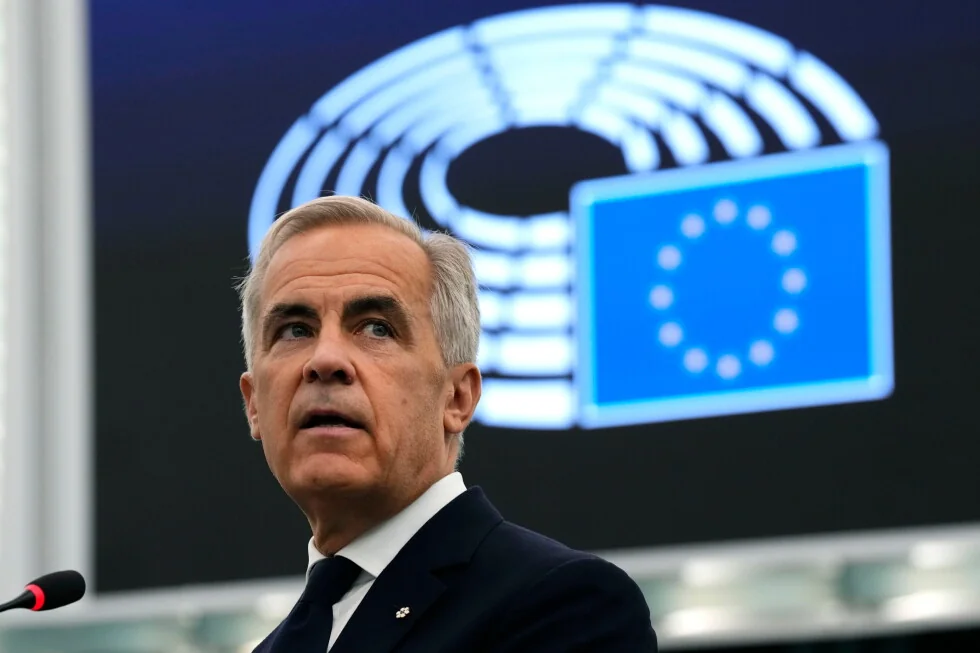
カーニー、EU準加盟提案を受け入れる――トランプがカナダをヨーロッパへと押しやる中で
Carney Embraces EU Associate Membership Proposal as Trump Propels Canada Toward Europe
カーニー、EU準加盟提案を受け入れる――トランプがカナダをヨーロッパへと押しやる中で
Carney Embraces EU Associate Membership Proposal as Trump Propels Canada Toward Europe

ホルムズ海峡再開:終わらぬイラン戦争のなかでのアメリカ合衆国の前進
Strait of Hormuz Reopened: US Progress Amid an Unfinished Iran War
ホルムズ海峡再開:終わらぬイラン戦争のなかでのアメリカ合衆国の前進
Strait of Hormuz Reopened: US Progress Amid an Unfinished Iran War

ナイジェリア人6名、ロマンス詐欺で女性から600万ドルを騙し取った容疑でアメリカ合衆国へ身柄引き渡し
Six Nigerians Extradited to US for Defrauding Women of $6M in Romance Scams
ナイジェリア人6名、ロマンス詐欺で女性から600万ドルを騙し取った容疑でアメリカ合衆国へ身柄引き渡し
Six Nigerians Extradited to US for Defrauding Women of $6M in Romance Scams