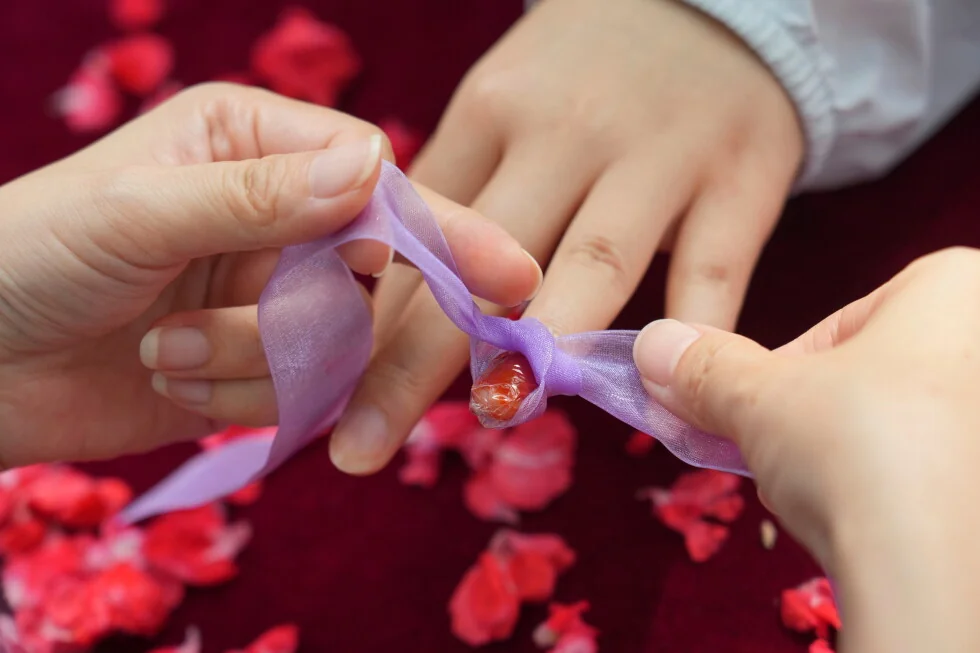
The Chinese Valentine's Day is rooted in legend and tradition, extending far beyond mere romantic sentiment.
August 20th, 2026
The Chinese Valentine's Day is rooted in legend and tradition, extending far beyond mere romantic sentiment.
🇺🇸 English
中國情人節之慶典,絕非僅止於鮮花與巧克力之表象。
除卻當代情侶所擁抱之浪漫情懷,七夕實乃一項淵源流長之古老傳統,其根植於神話傳說、祈願儀式與文化習俗之中,而此等文化底蘊,迄今猶存於世。
此節慶定於農曆七月初七舉行,於西元2026年則對應至八月十九日。
新加坡、越南及其他亞洲國家亦會舉辦相關慶祝活動。
北京民俗博物館於週三,在名為「乞巧」的計畫架構下,舉辦了一場活動,此舉深刻體現了七夕節慶的核心傳統——歷代婦女藉由精湛手工藝,虔心祈願心靈手巧,並藉此展演其技藝之精妙。
「我們尤為殷切期盼年輕世代能透過互動交融且引人入勝的沉浸式體驗,深刻領會我們傳統節慶所蘊含的文化底蘊與深層意涵,」博物館公共教育部之工作人員賈娟如是闡述。
坐落於北京東嶽廟的這座博物館,於過去十四載間始終不輟地舉辦與七夕節慶相關之活動,每屆皆能吸引約五百名參與者。
週三之慶典以中國古典音樂之精湛演繹揭開序幕,旋即展開一系列深植於傳統七夕習俗之家庭互動式手作體驗,其設計匠心獨運,令人嘆為觀止。
其中一項技藝係以鳳仙花汁液染飾指甲,此乃天然植物性色素,於傳統文化脈絡中,素來與容顏之美及祥瑞之祝願相繫相生。
另一項則為宋代錦緞珠畫,其工藝將珍稀華貴之中國絲綢,與象徵圓滿無缺、吉慶有餘之珍珠,巧妙融匯於一體。
參與者獲鼓勵匠心獨運,親手創製其專屬香囊形制之宋代錦緞珠畫。
此等創作旨在體現「乞巧」之精髓——一個專注於錘鍊技藝與靈巧之道的概念。
王雪潔攜其七歲幼女與會,母女二人親手製作「巧果」,此乃將麵糰壓入雕飾模具之中所成之精緻糕點。
王指出,透過對古代七夕節慶儀式的深入考察,我們得以窺見當時閨閣女子與婦孺如何藉由種種習俗,寄託並抒發其對於自身成長歷程的殷切期許與美好憧憬。
賈氏指出,中國女子於唐宋之際始習乞巧之俗,此一時期橫亙七世紀以迄十三世紀。
「七夕節的淵源,實可上溯至遠古先民對星宿的崇敬與觀測之學,」她進一步闡述道。
七夕的歷史脈絡,其核心實則環繞兩大主軸:其一,與神話傳說相繫——亦即其浪漫底蘊;其二,則為乞巧之俗。
在中國神話的敘事體系中,織女(以織女星為其天象表徵)與牛郎(由牽牛星所象徵)之間萌生了跨越階層的熾烈情愫。
然而,這樁悖逆天規的禁忌之戀終究觸怒了玉皇大帝,後者遂降下敕令,將二人永久分隔於銀河之兩岸,使其隔水相望、永無相守之期。
唯每年農曆七月初七之夜,萬千喜鵲會銜羽成橋,橫亙星河,方容許這對苦命鴛鴦得以短暫團聚,以慰相思之苦。
賈氏所言,關於牛郎織女之記載,其淵源可上溯至公元前221年之前的先秦時期。
迨至漢代,與乞巧相關之習俗始漸次萌發、蔚然成風。
研究員林恩·黃懷抱著一項宏願,冀望透過名為「七夕節」的倡議,在新加坡重振此一傳統節慶的昔日榮光;
該倡議係於2023年啟動,為期數日,而今年的盛會將綿延至8月23日方告落幕。
「吾輩正戮力為此世代新加坡子民鐫刻童年之憶,使其浸淫於先祖篳路藍縷之傳奇中成長茁壯,」黃氏如是言。
她追述道,某日與友人論及華夏節慶之際,驀然驚覺自身竟對七夕一無所知。
自此,她乃著手訪談耆老,彼等娓娓道來對該節日之種種追憶。
此項研究終輯錄成書,以傳後世。
七夕節約莫於1930年代,伴隨中國女性移民的足跡傳入新加坡。
彼時,大量男性早已為謀生計而聚居於此,然移民之勢態漸生變遷。
隨著女性——尤以來自中國粵地者——攜其習俗與信仰而至,其中若干風俗信仰,歷經歲月流轉,終致湮沒無存。
在我這一代人看來,我們已然失落了相當可觀的根源,」黃如是說。「我自幼浸淫於牙仙子、『漢塞爾與格蕾特』與『三隻小豬』等童話敘事之中,然而,我們先祖世代口耳相傳的那些故事,如今又安在哉?」
來自廣東的何新豪,實屬少數仍於新加坡恪守傳統七夕慶典儀式之翹楚。
於農曆六月初六之深夜,其宅邸門前將陳設一方朝向穹蒼之祭壇,以行祈禱之儀。
彼等徹夜祝禱,直至子夜之後,並向七仙女——即含織女在內之天界姊妹——敬獻豐盛之供品。
儀式中所奉獻之禮品,涵括香品、花卉、香水、化妝品及皂類,據傳此等物品在蒙受牛郎與七仙女之庇佑後,被視為能賦予使用者美貌與魅力之媒介。
「在我個人之見,情人節之概念實則窄化了該節日所蘊含之深層本義,」何氏如是說,他將七夕視為對傳統價值觀與先祖遺產之莊嚴禮讚。
「此中所蘊含者,乃吾人藉由自身與宇宙之互動,以觀照生命之徑途也,」其言道。
記者兼視頻製作人奧利維亞·張對本報導之完成有所襄助。
August 20th, 2026
Trending Articles

250 years and counting: the American willingness to be duped
250年來恆久未變:美國人甘願受騙的意願
250 years and counting: the American willingness to be duped
250年來恆久未變:美國人甘願受騙的意願
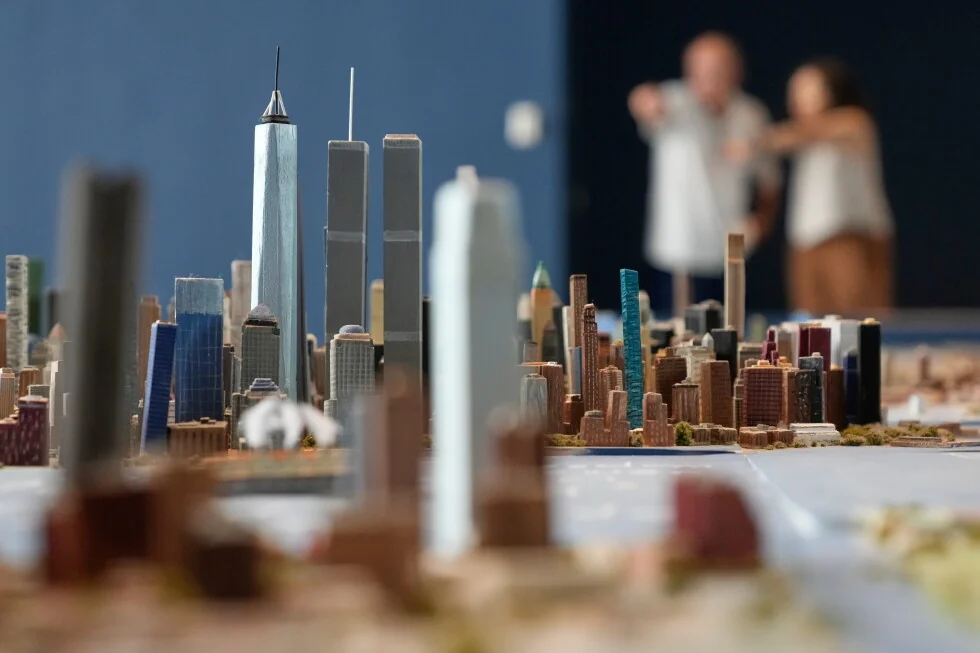
A truck driver built a model of New York City with over 800,000 buildings, purely for his own amusement, and now it has unexpectedly become a museum exhibit.
一名卡車司機以逾80萬棟建築構築紐約市模型,純為自娛,如今竟成博物館展品
A truck driver built a model of New York City with over 800,000 buildings, purely for his own amusement, and now it has unexpectedly become a museum exhibit.
一名卡車司機以逾80萬棟建築構築紐約市模型,純為自娛,如今竟成博物館展品

DoorDash and Uber Eats team up to provide delivery services for Costco stores in the United States
DoorDash與Uber Eats攜手為美國Costco門市提供外送服務
DoorDash and Uber Eats team up to provide delivery services for Costco stores in the United States
DoorDash與Uber Eats攜手為美國Costco門市提供外送服務

CNN's New Culinary Travel Series: Chef David Chang Hits the Road Across America
CNN新美食旅遊系列 主廚大衛·張橫跨美國上路
CNN's New Culinary Travel Series: Chef David Chang Hits the Road Across America
CNN新美食旅遊系列 主廚大衛·張橫跨美國上路
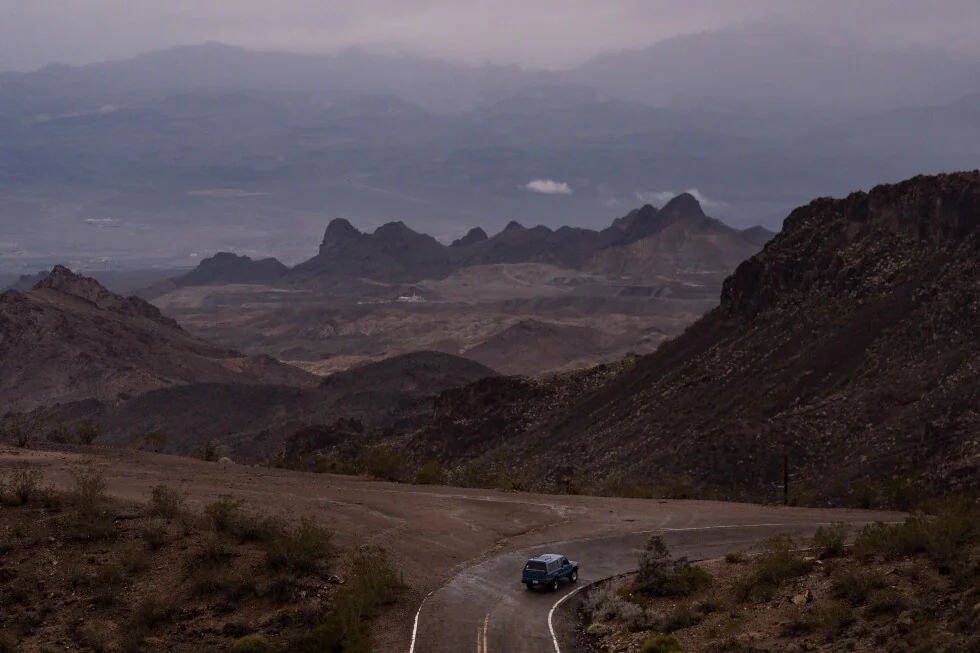
The Great American Road Trip: The Car Both Made It and Broke It
偉大的美國公路旅行:汽車既推動其成,亦促其衰
The Great American Road Trip: The Car Both Made It and Broke It
偉大的美國公路旅行:汽車既推動其成,亦促其衰

The golf ball discovered amidst the ruins of the World Trade Center symbolizes a loss beyond words
世貿中心廢墟中發現的高爾夫球,象徵著難以言喻的損失
The golf ball discovered amidst the ruins of the World Trade Center symbolizes a loss beyond words
世貿中心廢墟中發現的高爾夫球,象徵著難以言喻的損失
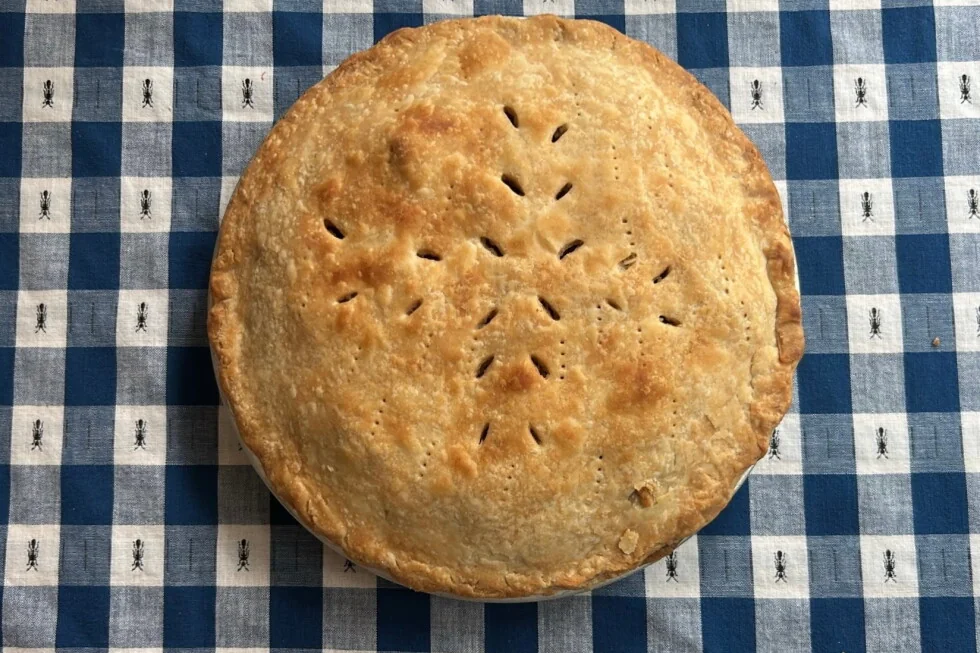
The apple pie (along with the image of the mother) has already become the nation's symbolic food.
蘋果派(連同母親的形象)已然成為國家的象徵性食物
The apple pie (along with the image of the mother) has already become the nation's symbolic food.
蘋果派(連同母親的形象)已然成為國家的象徵性食物

Gallup Poll Reveals Plummeting American Satisfaction with Schools to Historic Lows
Gallup Poll Reveals Plummeting American Satisfaction with Schools to Historic Lows
Gallup Poll Reveals Plummeting American Satisfaction with Schools to Historic Lows
Gallup Poll Reveals Plummeting American Satisfaction with Schools to Historic Lows

91-year-old "Greybeard" Dale Sanders reclaims the record as the oldest hiker to complete the Appalachian Trail.
91歲「灰鬍子」戴爾·桑德斯重奪阿巴拉契亞小徑最年長徒步完成者紀錄
91-year-old "Greybeard" Dale Sanders reclaims the record as the oldest hiker to complete the Appalachian Trail.
91歲「灰鬍子」戴爾·桑德斯重奪阿巴拉契亞小徑最年長徒步完成者紀錄
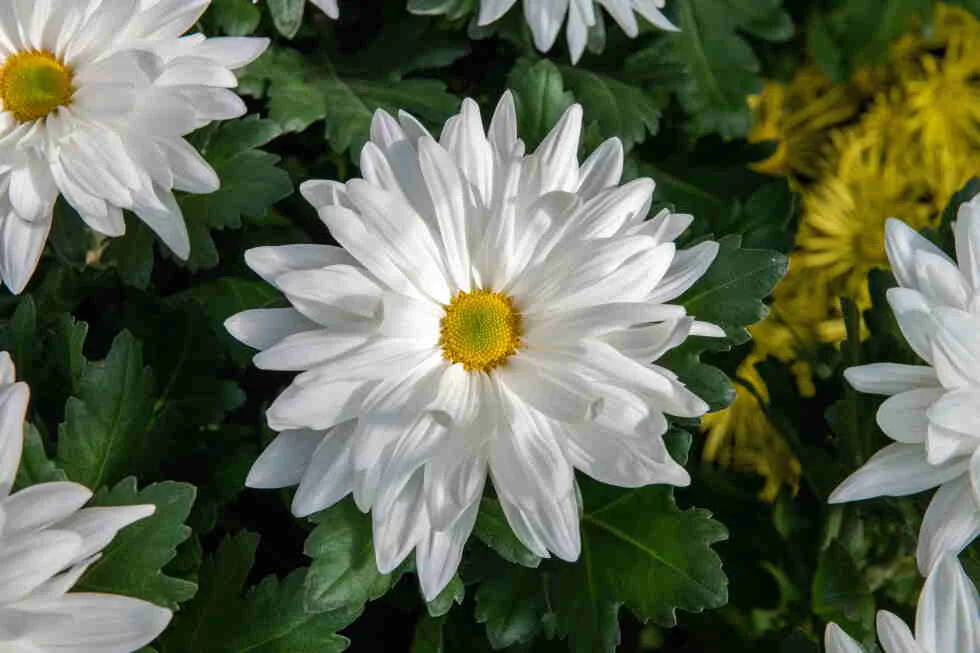
Autumn Garden Chrysanthemum Selection and Appraisal—Transcending Traditional Cushion-Form Chrysanthemum Artistry
秋季花園菊品選鑑——超越傳統墊狀菊藝
Autumn Garden Chrysanthemum Selection and Appraisal—Transcending Traditional Cushion-Form Chrysanthemum Artistry
秋季花園菊品選鑑——超越傳統墊狀菊藝