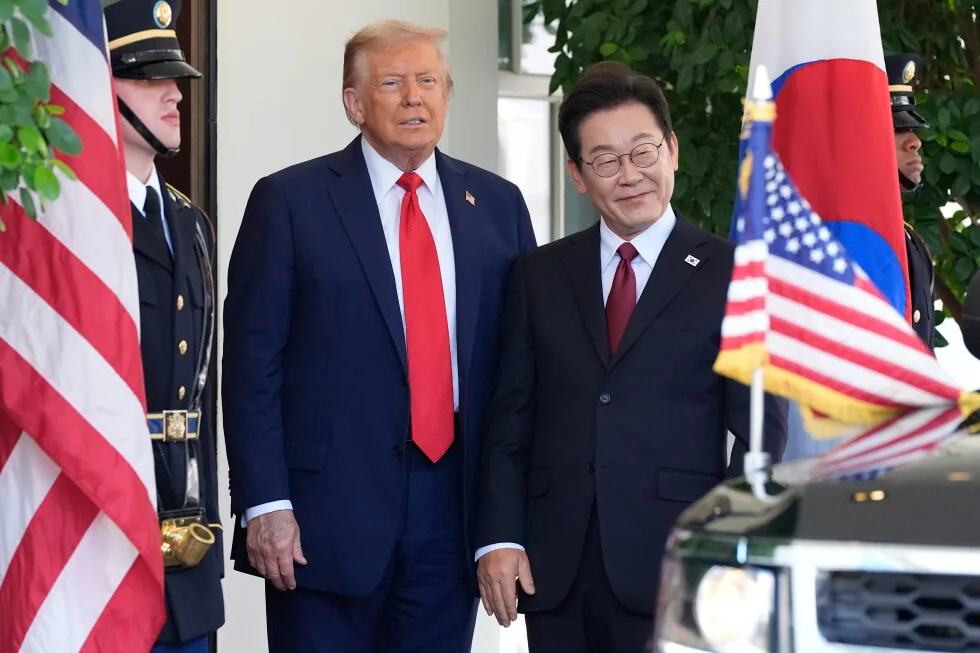
Lee aboga por la desnuclearización incremental de Corea del Norte en entrevista con AP
September 22nd, 2026
Lee aboga por la desnuclearización incremental de Corea del Norte en entrevista con AP
🇪🇸 Español
With North Korea spurning dialogue and escalating its provocative missile tests, South Korea’s liberal President Lee Jae Myung is advocating a step-by-step endeavour to bring an end to a decades-long standoff over the North’s nuclear program.
The objective, he said, would be first to arrest the advancement of North Korea's nuclear and missile capabilities, subsequently to roll back its arsenal, and ultimately to move toward dismantlement.
Political and economic concessions would be proffered for each successive progression.
It is an approach that may well confront a Sisyphean struggle, given that North Korea remains implacably averse to engaging in diplomacy over armaments it regards as the sole guarantor of its authoritarian leadership's survival.
Pyongyang has of late intensified its weapons-testing activities, notwithstanding U.S. President Donald Trump's recent overtures aimed at reviving diplomacy.
Lee will advance his plan during this week’s U.N. General Assembly meetings in New York, saying that both Seoul and Washington are willing to reengage with Pyongyang.
“To alter the trajectory of a vehicle in motion, it must first be brought to a standstill,” Lee said in written responses to questions before his departure Monday for the United States.
“A phased approach of stopping, reduction and dismantlement is a practical way of effectively resolving the North Korean nuclear issue.”
On Tuesday, Lee is slated to deliver an address before the U.N. General Assembly.
North Korea’s ever-evolving nuclear program has engendered uncertainties as to whether its nuclear disarmament might be attainable in a single, decisive step — or indeed at all.
Trump asserted last month that North Korea possesses 57 nuclear weapons, whereas certain experts contend that the North harbors in excess of 100 warheads.
Many have advocated for concerted endeavours to persuade North Korea to disarm in a phased manner, in exchange for economic and political concessions.
“In light of the degree to which North Korea’s nuclear and missile capabilities have been augmented, it is scarcely a viable expedient to await the realization of complete denuclearization in a single, comprehensive stroke,” Lee said.
“For in the interim, North Korea’s nuclear capabilities will persist in their advancement, thereby intensifying the threat.”
Lee recently advocated for negotiations aimed at formally concluding the 1950-53 Korean War, asserting that avenues for constraining North Korea's nuclear program might thereby be explored.
Certain observers harbour apprehensions that Lee’s strategy would culminate in North Korea, having secured the concessions it seeks — such as the alleviation of sanctions — declining to relinquish its nuclear programme in its entirety.
To forestall such an outcome, Lee said negotiators would need to demonstrate to North Korea that “moving toward stable and lasting peace is a realistic and feasible path to a secure and prosperous future.”
Irrespective of the approach adopted, it remains decidedly uncertain whether North Korea will re-engage in talks in the near term.
When Trump, invoking a “very good relationship” with North Korean leader Kim Jong Un, curtailed a major military exercise with South Korea last month, North Korea repudiated the U.S. president’s overture, asserting that merely truncating portions of the drill would not alter its provocative character.
Pyongyang has since conducted three rounds of weapons launches and has repeatedly excoriated what it terms U.S. hostility.
Experts contend that North Korea most likely seeks more substantial U.S. concessions.
Lee, who harbors the hope that a resumption of Trump-Kim diplomacy might precipitate a reopening of dialogue between the two Koreas, characterized Trump’s action as “a deliberate step to send a clear message that the United States has no hostile intent toward North Korea.”
He averred that both South Korea and the United States “remain open to engaging in dialogue with North Korea without preconditions.”
"What is requisite at this juncture is a political decision at the leaders' level.
The two leaders ought to cultivate trust and collaborate in order to identify common ground, face-to-face," Lee said.
Trump’s social media post announcing the downsizing of the exercise, issued without any prior consultation with South Korea, also made reference to what Trump characterized as Lee’s refusal to join the United States in the “denuclearization” of Iran — a confluence that has engendered anxieties regarding the U.S.-South Korea alliance.
Lee conceded that Trump’s decision had come “somewhat unexpectedly.”
Nevertheless, Lee remarked that Trump had articulated his commitment to fostering conditions conducive to dialogue and that he wished to diminish confrontation on the Korean Peninsula.
Lee asserted that the strategic interests of South Korea and the United States are profoundly and inextricably interwoven across a broad spectrum of domains, and that he intends to forge a more mutually advantageous partnership throughout the remainder of Trump's tenure.
By way of illustration, Lee remarked that the envisaged cooperation in shipbuilding will not merely reinvigorate U.S. shipbuilding capacity and naval prowess, but will likewise engender novel avenues of growth for South Korean enterprises.
Lee asserted on Friday that he would not suffer his military to be drawn into the Iran war.
He stated that his government was contemplating an expansion of the operations of a naval unit deployed in the Gulf of Aden, with the aim of safeguarding South Korean vessels and oil shipping routes.
Lee was anticipated to meet with Trump on the sidelines of the U.N. General Assembly.
When questioned regarding the conspicuous adolescent daughter of the 42-year-old North Korean leader, Lee remarked that his administration had duly registered “her rising status” and was leaving every eventuality open.
"Nevertheless, I am of the conviction that we must exercise circumspection with respect to articulating a definitive stance at this juncture," he said.
South Korea’s intelligence apparatus has repeatedly characterised her as Kim’s presumptive successor, a contention with which certain analysts take issue, adducing North Korea’s male-dominated power hierarchy as grounds for their scepticism.
September 22nd, 2026
Trending Articles
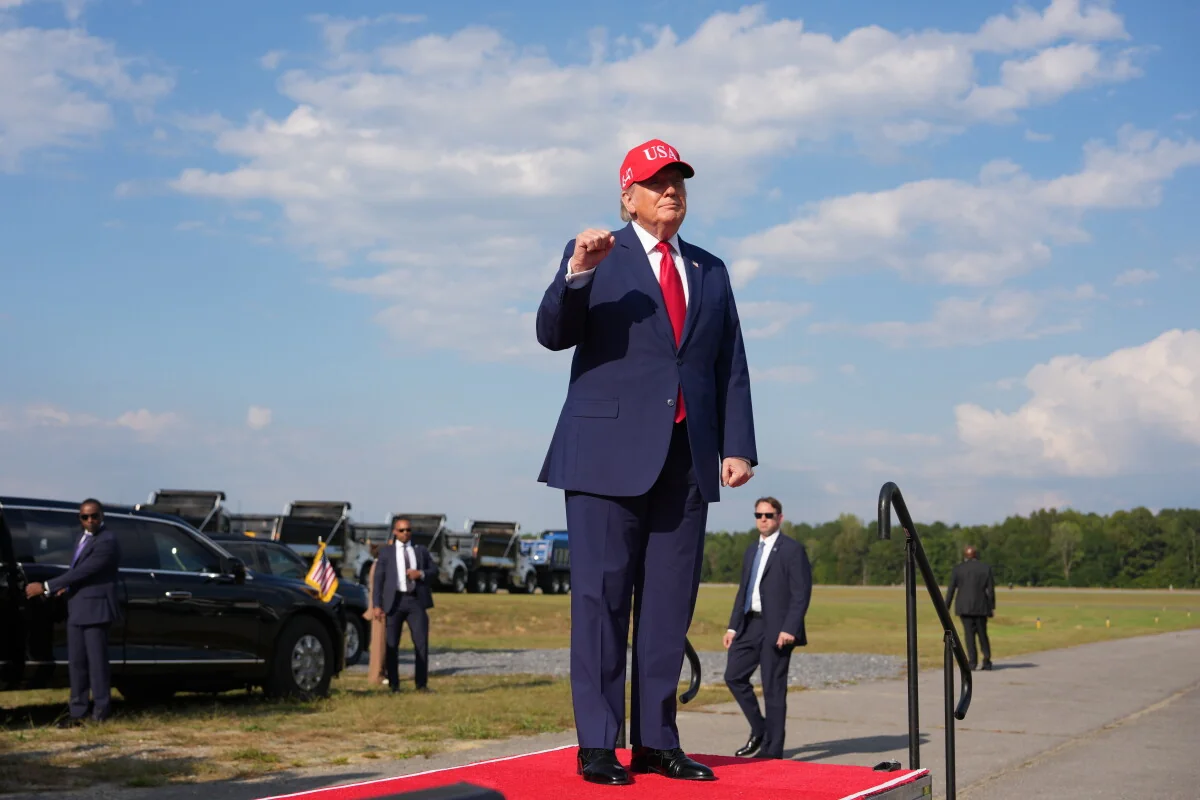
El Partido Republicano se apoya en el voto agrícola mientras una cosecha costosa suscita preocupación; Trump se dirige a Kansas
GOP Relying on Farmers' Votes as Costly Harvest Stirs Concern; Trump Heads to Kansas
El Partido Republicano se apoya en el voto agrícola mientras una cosecha costosa suscita preocupación; Trump se dirige a Kansas
GOP Relying on Farmers' Votes as Costly Harvest Stirs Concern; Trump Heads to Kansas
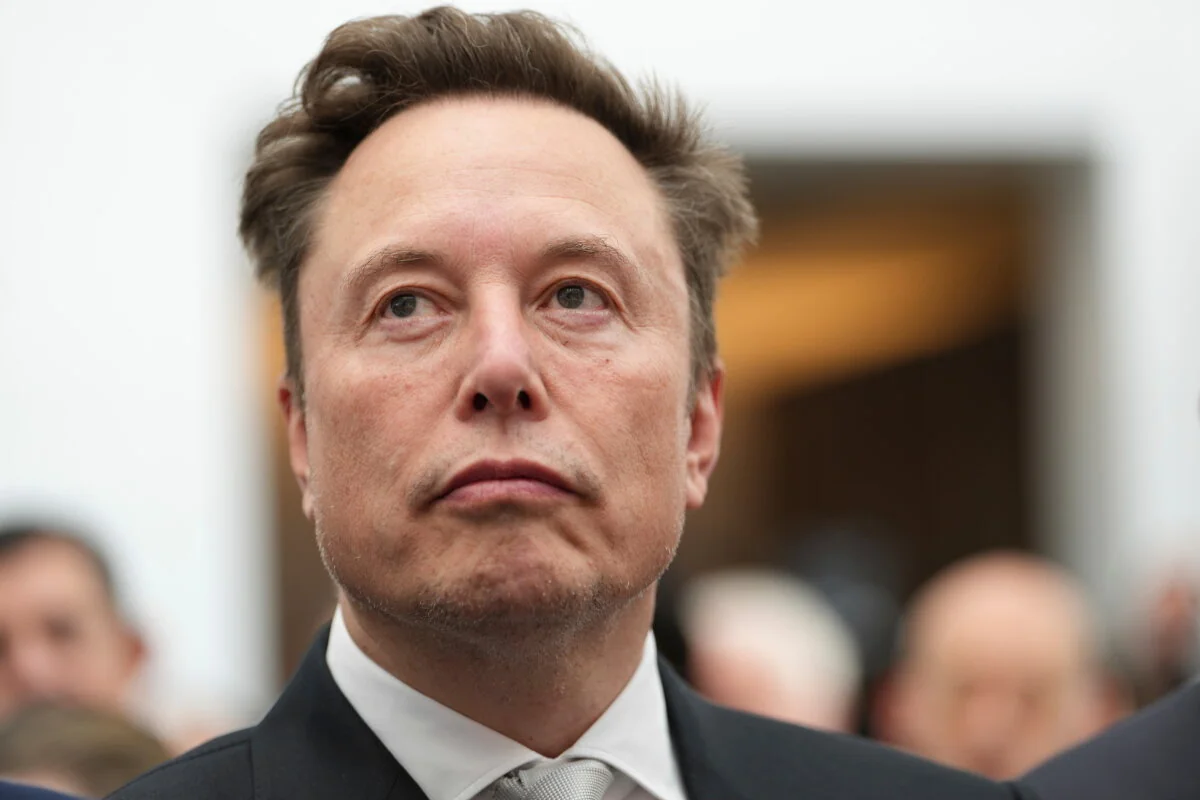
Musk promete asignar una participación en SpaceX a «todos los niños de Estados Unidos»
Musk vows to allocate a stake in SpaceX to ‘every kid in America’
Musk promete asignar una participación en SpaceX a «todos los niños de Estados Unidos»
Musk vows to allocate a stake in SpaceX to ‘every kid in America’
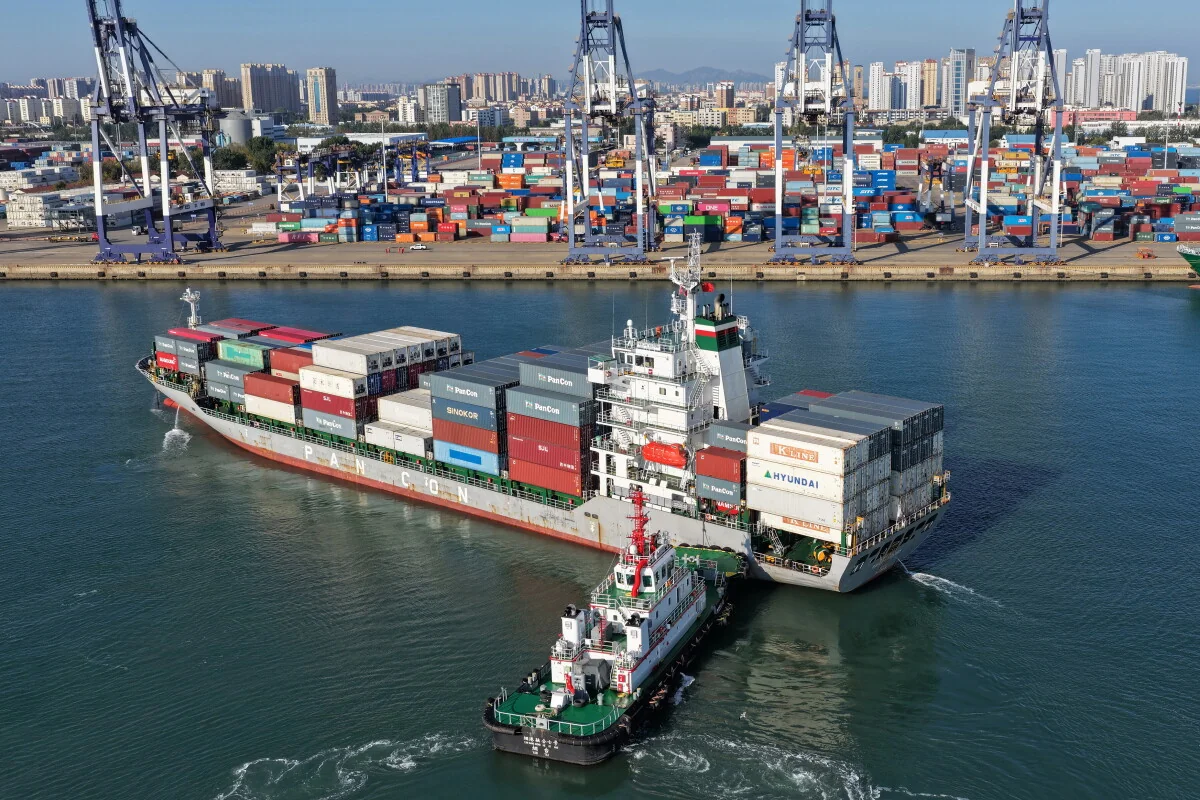
La economía de China se acelera en el trimestre julio-septiembre gracias a unas exportaciones robustas
China’s Economy Accelerates in July–September Quarter on Robust Exports
La economía de China se acelera en el trimestre julio-septiembre gracias a unas exportaciones robustas
China’s Economy Accelerates in July–September Quarter on Robust Exports

Las acciones de IA impulsan el repunte de Wall Street mientras los mercados europeos se desploman en medio de protestas
AI Stocks Propel Wall Street Rebound as European Markets Slump Amid Protests
Las acciones de IA impulsan el repunte de Wall Street mientras los mercados europeos se desploman en medio de protestas
AI Stocks Propel Wall Street Rebound as European Markets Slump Amid Protests
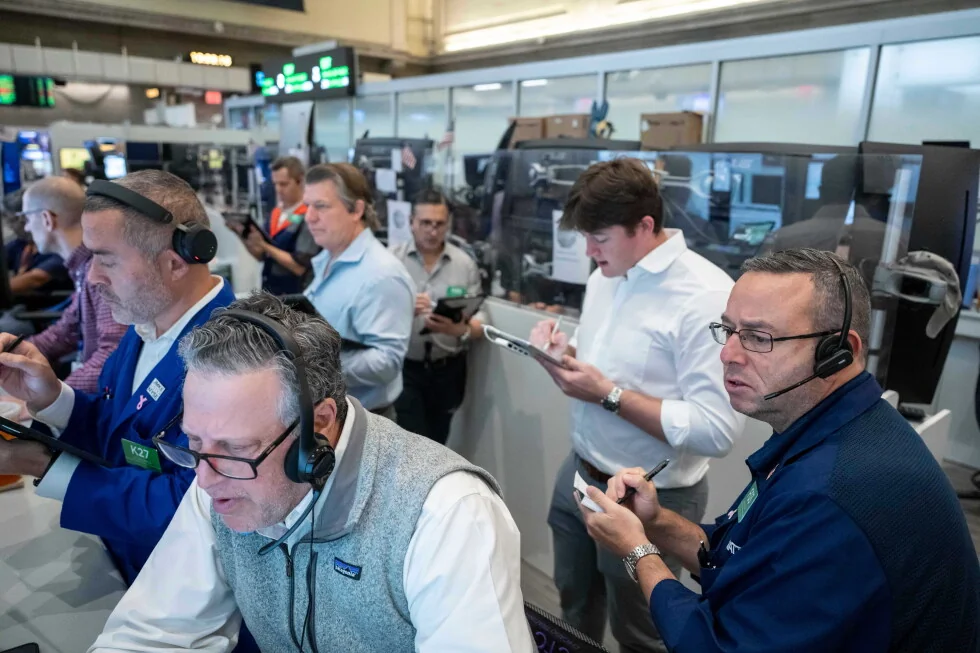
Las acciones estadounidenses se mantienen cerca de máximos históricos en medio de un comercio mixto en Wall Street
US equities linger near record highs amid mixed Wall Street trading
Las acciones estadounidenses se mantienen cerca de máximos históricos en medio de un comercio mixto en Wall Street
US equities linger near record highs amid mixed Wall Street trading

De la conducción «sin manos» a la «sin ojos»: el camino simulado de General Motors hacia la conducción autónoma
From ‘hands-free’ to ‘eyes-off’: General Motors’ simulated path to autonomous driving
De la conducción «sin manos» a la «sin ojos»: el camino simulado de General Motors hacia la conducción autónoma
From ‘hands-free’ to ‘eyes-off’: General Motors’ simulated path to autonomous driving
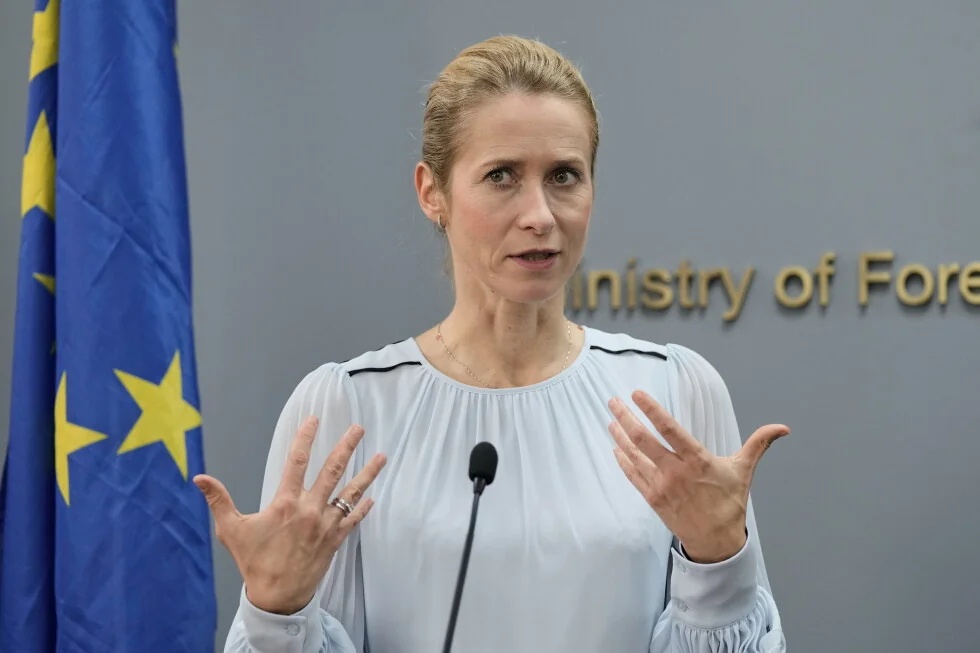
La UE sanciona a casi 1.600 entidades rusas por componentes de drones y misiles
EU Sanctions Nearly 1,600 Russian Entities Over Drone and Missile Components
La UE sanciona a casi 1.600 entidades rusas por componentes de drones y misiles
EU Sanctions Nearly 1,600 Russian Entities Over Drone and Missile Components
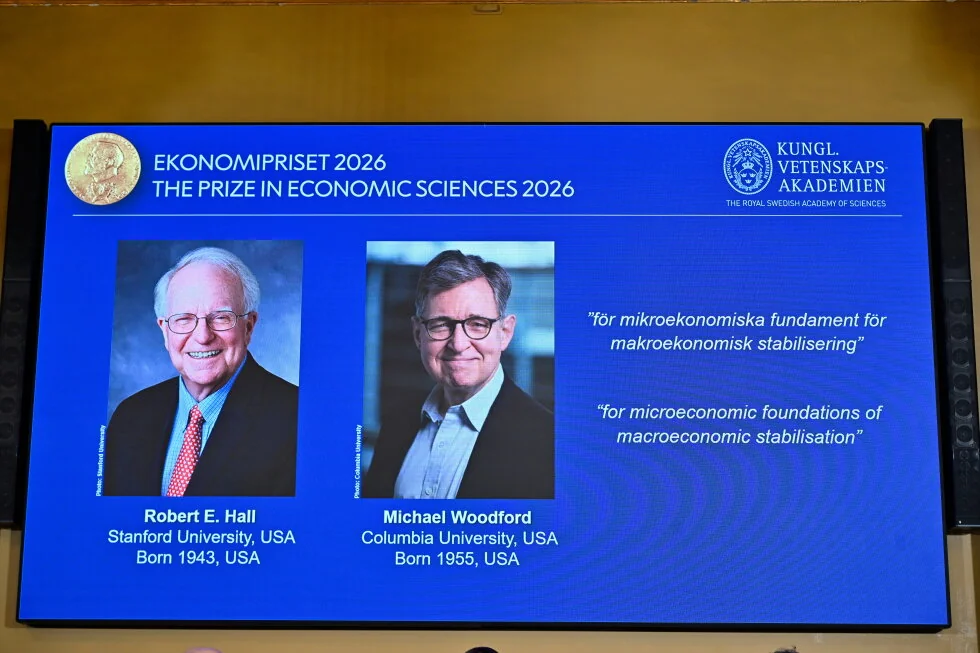
Dos economistas estadounidenses galardonados con el Premio Nobel por sus investigaciones sobre la gestión de las conmociones económicas
Two US economists awarded Nobel Prize for research on economic shock management
Dos economistas estadounidenses galardonados con el Premio Nobel por sus investigaciones sobre la gestión de las conmociones económicas
Two US economists awarded Nobel Prize for research on economic shock management

Wall Street se acerca a un septiembre victorioso gracias a un alentador dato de inflación
Wall Street Nears Winning September on Encouraging Inflation Update
Wall Street se acerca a un septiembre victorioso gracias a un alentador dato de inflación
Wall Street Nears Winning September on Encouraging Inflation Update
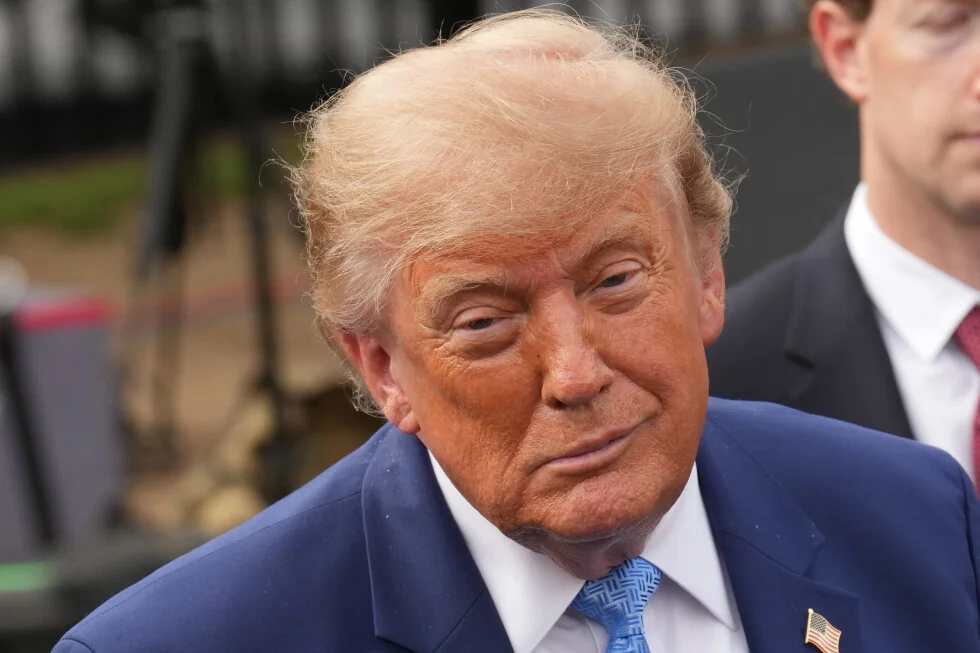
Trump desvelará una inversión surcoreana de 54.000 millones de dólares en Alaska, epicentro de una reñida contienda por el Senado
Trump to Unveil $54 Billion South Korean Investment in Alaska, Nexus of Tight Senate Race
Trump desvelará una inversión surcoreana de 54.000 millones de dólares en Alaska, epicentro de una reñida contienda por el Senado
Trump to Unveil $54 Billion South Korean Investment in Alaska, Nexus of Tight Senate Race