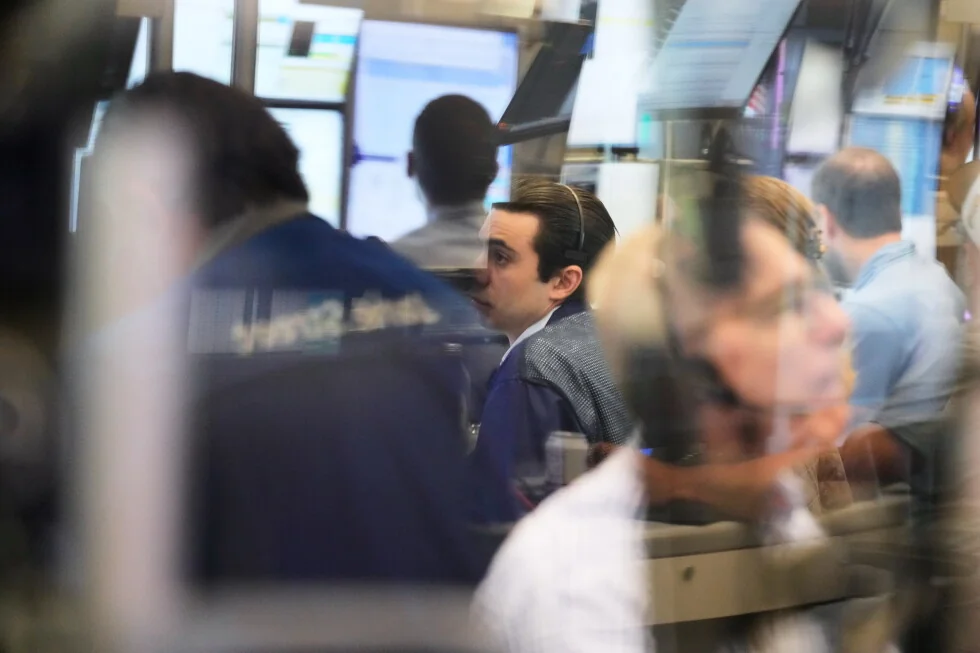
Wall Street se acerca a un septiembre victorioso gracias a un alentador dato de inflación
September 30th, 2026
Wall Street se acerca a un septiembre victorioso gracias a un alentador dato de inflación
🇪🇸 Español
Wall Street equities rallied on Wednesday, buoyed by a fresh reading indicating that August inflation had proven less severe than economists had anticipated.
The S&P 500 advanced 0.4%, poised to conclude September with a marginal gain rather than a loss.
As of 2:10 p.m. Eastern time, the Dow Jones Industrial Average had shed 137 points, or 0.3%, whilst the Nasdaq composite stood 0.9% higher.
The morning’s report indicated that U.S. consumers had been compelled to contend with a cost of living 3.4% higher overall in August than a year prior—a figure that, while surpassing economists’ anticipated 3.7%, nonetheless remained above the Fed’s 2% target.
The report trailed a series of others published earlier in the month concerning August inflation, yet it is the one to which the Federal Reserve accords primacy.
Traders scaled back their wagers that the Federal Reserve will raise its benchmark interest rate next month so as to bring inflation further to heel.
They now assign that outcome a mere 39% probability, down from the even odds observed a day earlier, according to data from CME Group.
Wall Street continues to contend with unrelenting pressure emanating from the bond market.
The 10-year Treasury yield ascended to 5.30% from 5.26% late Tuesday.
As the linchpin of the bond market, its yields on Tuesday reached their loftiest level since 2002.
The 30-year Treasury yield, which incorporates expectations regarding inflation and economic growth over a horizon spanning many years, climbed to 5.64% from 5.59% late Tuesday.
Elevated yields exert a dual drag on the economy: they render borrowing more costly across the board, thereby dampening aggregate activity, whilst simultaneously eroding the value of investments of every stripe.
Wall Street is exhibiting an upward trajectory in early trading.
Admittedly, apprehensions regarding elevated inflation constitute but one of the catalysts behind the surge in yields across the United States and globally.
The ostensibly robust U.S. economy, which persists in plodding forward notwithstanding its myriad challenges, is likewise underpinning yields, and a report issued on Wednesday indicated that its growth during the spring surpassed earlier estimates.
A separate report, meanwhile, indicated that growth in business activity across the Midwest had outstripped economists' expectations.
Other variables propelling yields upward likewise persist in their volatility, not least anxieties surrounding the substantial debt burdens that Washington and other governments across the globe are underwriting.
The bond market, too, came under upward pressure from yet another surge in oil prices, which have been oscillating amid uncertainty as to when the war with Iran will permit the flow of crude to be fully restored.
Brent crude, the international benchmark, advanced 2.2% to $98.26 per barrel.
On Wall Street, Hewlett Packard Enterprise helped propel the market upward, surging 5.5% as it raised its revenue forecast for its networking division, which stands poised to capitalize on the artificial-intelligence boom.
Another beneficiary of the AI boom, Nvidia, ranked among the most potent forces propelling the S&P 500 upward, having gained 1.4%.
The company, in tandem with the wider industry, has nonetheless found itself under duress amid apprehensions that its share price has soared excessively.
Elevated interest rates exact a peculiarly severe toll on those equities perceived to be the most overvalued.
Nvidia likewise derives an advantage from lower yields, in that they render it more economical for customers to borrow money in order to construct AI data centers.
MongoDB ascended 4.8% upon announcing that its board had augmented the database company’s program for disbursing cash to shareholders—via repurchases of its own stock—by $1 billion.
This enabled MongoDB to recoup a portion of its precipitous loss sustained earlier in the week, following its disclosure that Chirantan “CJ” Desai was relinquishing the CEO post to assume a senior position at Meta Platforms.
Such gains served to mitigate a 2.6% decline for Cal-Maine Foods after the nation's preeminent egg producer disclosed a loss for the latest quarter that exceeded analysts' projections.
With an abundance of eggs saturating the market, Cal-Maine Foods experienced a precipitous diminution in the prices it was able to command, relative to the prior year.
Across overseas equity markets, European indices retreated in the wake of a mixed close in Asia.
Japan’s Nikkei 225 surged 1.9%, whereas France’s CAC 40 declined 0.9%, constituting two of the more pronounced movements among the world’s major benchmarks.
September 30th, 2026
Trending Articles
El Partido Republicano se apoya en el voto agrícola mientras una cosecha costosa suscita preocupación; Trump se dirige a Kansas
GOP Relying on Farmers' Votes as Costly Harvest Stirs Concern; Trump Heads to Kansas
El Partido Republicano se apoya en el voto agrícola mientras una cosecha costosa suscita preocupación; Trump se dirige a Kansas
GOP Relying on Farmers' Votes as Costly Harvest Stirs Concern; Trump Heads to Kansas
Musk promete asignar una participación en SpaceX a «todos los niños de Estados Unidos»
Musk vows to allocate a stake in SpaceX to ‘every kid in America’
Musk promete asignar una participación en SpaceX a «todos los niños de Estados Unidos»
Musk vows to allocate a stake in SpaceX to ‘every kid in America’
La economía de China se acelera en el trimestre julio-septiembre gracias a unas exportaciones robustas
China’s Economy Accelerates in July–September Quarter on Robust Exports
La economía de China se acelera en el trimestre julio-septiembre gracias a unas exportaciones robustas
China’s Economy Accelerates in July–September Quarter on Robust Exports
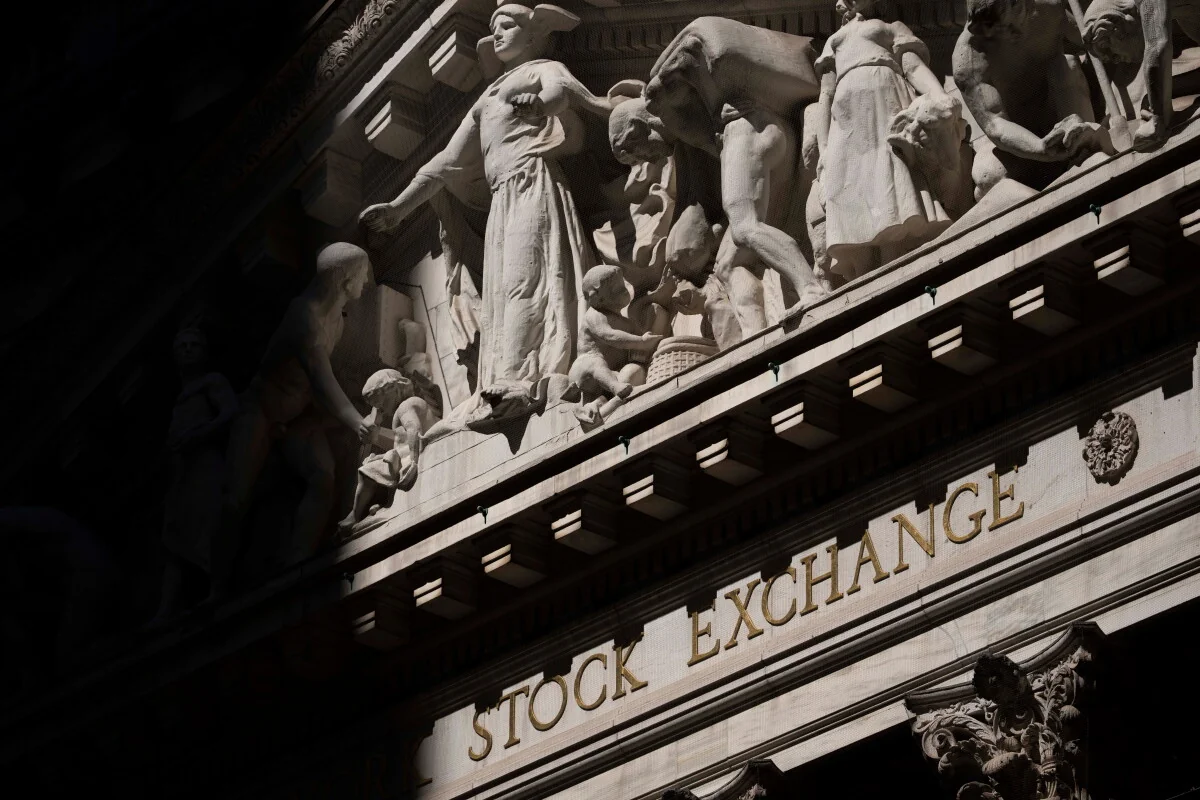
Las acciones de IA impulsan el repunte de Wall Street mientras los mercados europeos se desploman en medio de protestas
AI Stocks Propel Wall Street Rebound as European Markets Slump Amid Protests
Las acciones de IA impulsan el repunte de Wall Street mientras los mercados europeos se desploman en medio de protestas
AI Stocks Propel Wall Street Rebound as European Markets Slump Amid Protests
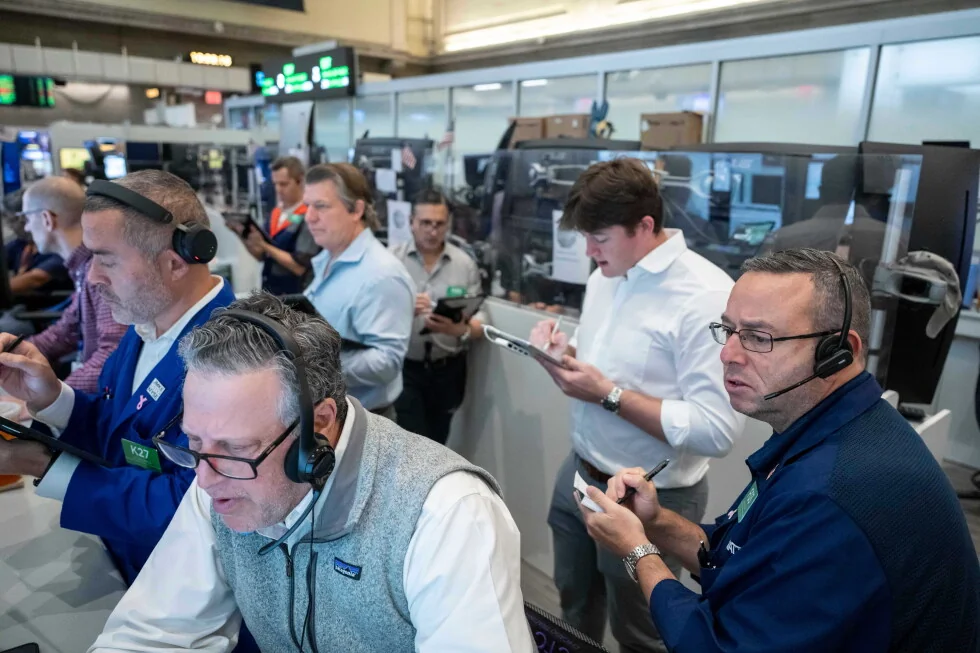
Las acciones estadounidenses se mantienen cerca de máximos históricos en medio de un comercio mixto en Wall Street
US equities linger near record highs amid mixed Wall Street trading
Las acciones estadounidenses se mantienen cerca de máximos históricos en medio de un comercio mixto en Wall Street
US equities linger near record highs amid mixed Wall Street trading

De la conducción «sin manos» a la «sin ojos»: el camino simulado de General Motors hacia la conducción autónoma
From ‘hands-free’ to ‘eyes-off’: General Motors’ simulated path to autonomous driving
De la conducción «sin manos» a la «sin ojos»: el camino simulado de General Motors hacia la conducción autónoma
From ‘hands-free’ to ‘eyes-off’: General Motors’ simulated path to autonomous driving

La UE sanciona a casi 1.600 entidades rusas por componentes de drones y misiles
EU Sanctions Nearly 1,600 Russian Entities Over Drone and Missile Components
La UE sanciona a casi 1.600 entidades rusas por componentes de drones y misiles
EU Sanctions Nearly 1,600 Russian Entities Over Drone and Missile Components
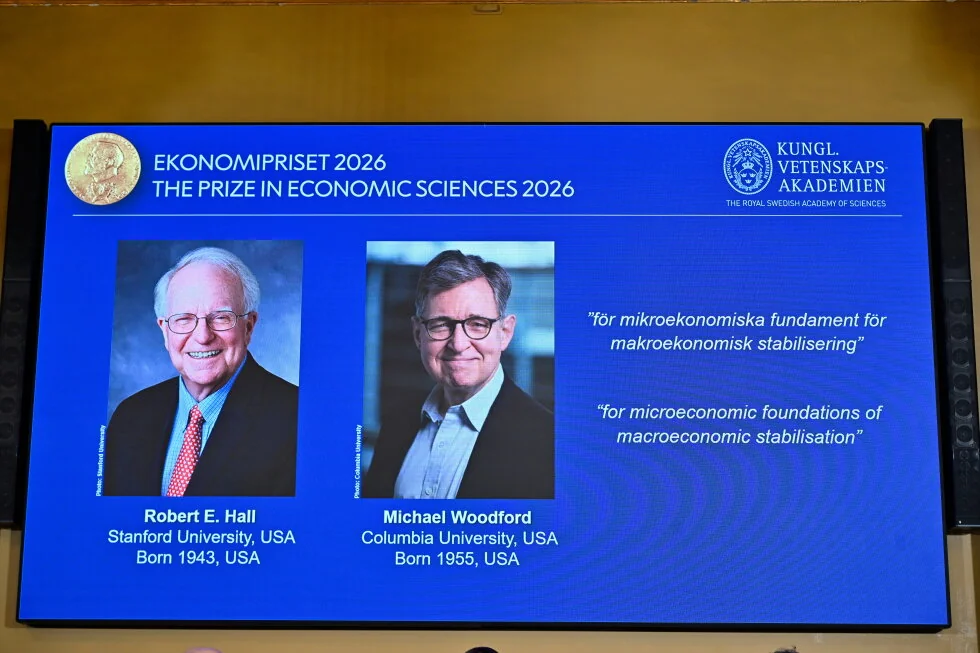
Dos economistas estadounidenses galardonados con el Premio Nobel por sus investigaciones sobre la gestión de las conmociones económicas
Two US economists awarded Nobel Prize for research on economic shock management
Dos economistas estadounidenses galardonados con el Premio Nobel por sus investigaciones sobre la gestión de las conmociones económicas
Two US economists awarded Nobel Prize for research on economic shock management
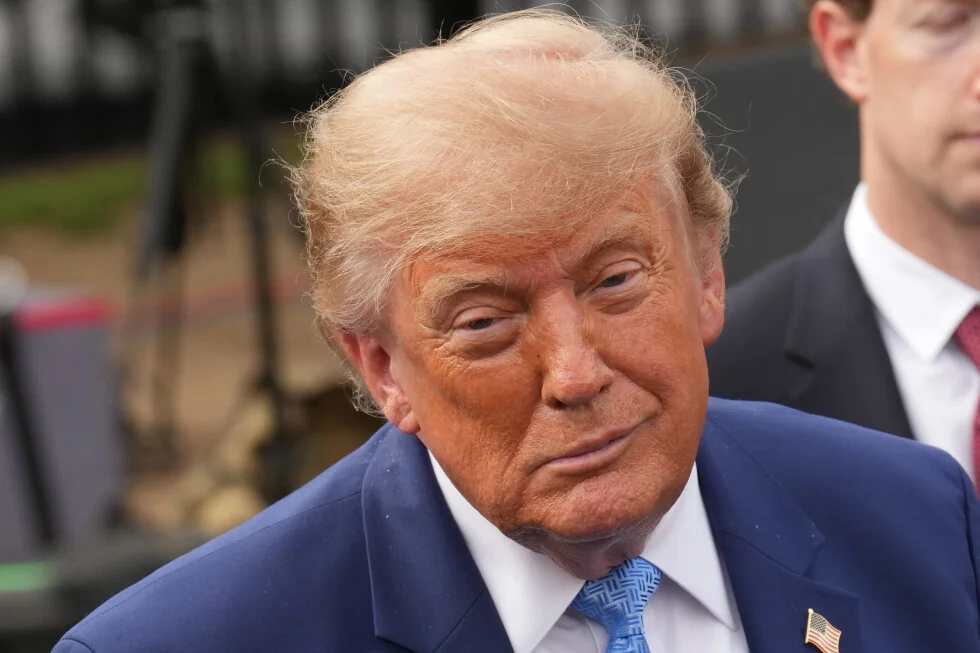
Trump desvelará una inversión surcoreana de 54.000 millones de dólares en Alaska, epicentro de una reñida contienda por el Senado
Trump to Unveil $54 Billion South Korean Investment in Alaska, Nexus of Tight Senate Race
Trump desvelará una inversión surcoreana de 54.000 millones de dólares en Alaska, epicentro de una reñida contienda por el Senado
Trump to Unveil $54 Billion South Korean Investment in Alaska, Nexus of Tight Senate Race