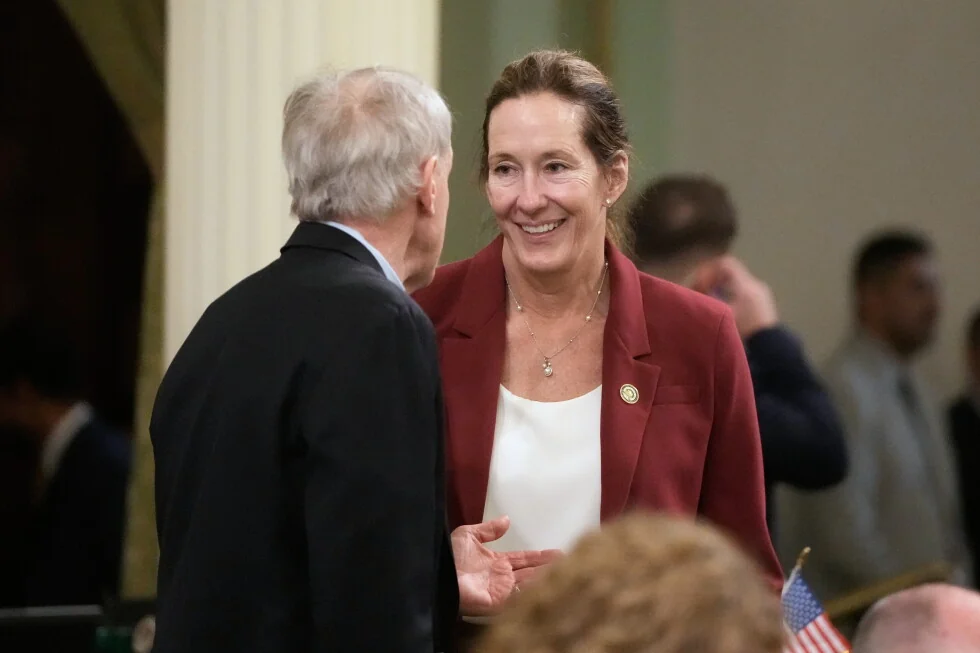
La Legislatura de California votará sobre el proyecto de ley de ayuda contra incendios tras rechazar partes de la propuesta de Newsom
September 1st, 2026
La Legislatura de California votará sobre el proyecto de ley de ayuda contra incendios tras rechazar partes de la propuesta de Newsom
🇪🇸 Español
California lawmakers are expected to cast their votes on Tuesday on legislation designed to assist wildfire victims, following their rejection of an ambitious proposal put forth by Governor Gavin Newsom that would have curtailed electric companies’ financial liability for conflagrations ignited by their own equipment.
The Democratic governor acknowledged that the eleventh-hour compromise brokered with lawmakers would confer certain advantages upon wildfire victims—expedited remuneration being one—yet it falls short of enacting the comprehensive, systemic reforms requisite to resolving the vexing question of liability for conflagrations ignited by utility infrastructure.
His proposal, having failed to amass sufficient backing in the Legislature’s concluding days, would have diminished the compensation utilities were obliged to disburse to certain claimants, while simultaneously precluding insurance firms from instituting legal action against electrical companies to recover indemnities already paid to policyholders.
Newsom acknowledged that the legislation had achieved a modicum of headway in grappling with the contentious, high-stakes quandary.
“I could have readily extricated myself from the entire affair,” he informed journalists at the Capitol on Monday.
“Yet to have done so would have constituted a profound disservice to you and to the citizenry of this state.”
Newsom’s failure to secure the entirety of his proposed agenda constituted a singular setback for the governor, whose policy aspirations have typically garnered robust backing within the Democratic-controlled legislature.
This defeat materializes as he concludes his final legislative term prior to his departure from office in January.
The conflagration's victims excoriated his proposal, staging vociferous demonstrations outside the governor's mansion in Sacramento last week.
They contended that Newsom's plan would have subordinated the exigencies of the afflicted to those of the utility conglomerates, whereas insurers averred that apportioning a greater share of the damage costs to them would have necessitated escalating premiums for policyholders.
Joy Chen, executive director of Every Fire Survivor’s Network, an advocacy collective representing victims of the 2025 Los Angeles-area conflagrations, characterized the agreement as a triumph for their constituency.
“Survivors from across California converged upon Sacramento to implore our elected representatives to stand in solidarity with those whose homes, communities, and lives have been laid waste,” she declared in a statement.
“They heeded the call.”
Newsom hoped his plan would help stabilize the state’s notoriously exorbitant electricity rates by shielding utilities from the full financial repercussions of wildfires.
Utilities have raised rates to finance wildfire prevention and recovery as climate change has rendered the conflagrations more intense and frequent.
Under California law, utilities are liable for damages arising from fires ignited by their equipment, even absent a judicial finding of negligence.
The question of who should bear the financial burden for utility-ignited conflagrations has persisted throughout Newsom's tenure, which commenced in the wake of the most catastrophic wildfire in the state's annals.
In 2019, his inaugural year in office, he enacted legislation establishing a $21 billion fund, financed by utility shareholders and ratepayers, designed to indemnify utilities against wildfire-related liabilities contingent upon their adherence to specified safety protocols.
Last year, he and legislators concurred on augmenting this reservoir of capital with an additional $18 billion fund.
Newsom unveiled his latest proposal as Southern California Edison confronts claims arising from the state’s second-most destructive conflagration, a 2025 blaze that claimed 19 lives beyond the environs of Los Angeles.
The legislation slated for a vote would establish a mechanism to expedite compensation for wildfire victims, prohibit hedge funds from capitalizing on conflagration-related claims, and preclude utility executives from receiving bonuses should their company's equipment ignite a blaze resulting in damage or destruction to more than 500 structures.
The California Catastrophe Response Council, which exercises oversight of the wildfire fund, would designate an administrator tasked with devising a procedural framework to expedite the adjudication of survivor claims.
The American Property Casualty Insurance Association asserted that the agreement “protects Californians and preserves the affordability and availability of insurance.”
This outcome ensures that the financial burden of wildfires remains with the parties responsible for igniting them, while safeguarding the strides California has made toward stabilizing its insurance market, the trade association asserted.
Pacific Gas & Electric, which sought bankruptcy protection in 2019 following claims arising from a catastrophic Northern California wildfire ignited by the utility’s own infrastructure, alongside Edison International, the parent entity of Southern California Edison, expressed profound dissatisfaction with the accord.
In correspondence addressed to legislators, the two companies contended that the proposed legislation would prove inadequate in stabilizing rates for Californians and would fail to furnish “durable, long-term solutions” for indemnifying victims, ensuring the solvency of the state’s wildfire fund, or mitigating the financial exposure borne by utilities.
Assemblymember Rick Zbur, a Democrat, characterized the lawmakers' failure to achieve consensus on more comprehensive reforms as an unmitigated catastrophe, a veritable 'disaster'.
“We are merely skirting the periphery, failing to confront the systemic deficiencies,” he remarked during the committee hearing on the proposed legislation.
Katelyn Roedner Sutter, of the Environmental Defense Fund, was equally underwhelmed by the proposal, asserting that it would fall short of adequately mitigating wildfire hazards and stabilizing electricity and insurance rates.
"The most laudatory appraisal I can tender of this legislative instrument is that it is merely passable," she opined following the conclusion of the hearings.
The Legislature customarily retains until August 31st to enact legislation at the culmination of a biennial session, yet lawmakers and Newsom failed to reach a consensus in time for Monday's vote.
They obviated the session's terminal deadline by appending what is denominated an urgency clause to the measure, thereby mandating approval from two-thirds of the Legislature and ensuring its immediate efficacy upon gubernatorial signature.
Legislators additionally advanced a measure on Monday that would establish the nation’s inaugural regulatory framework for the assessment and remediation of lead, asbestos, and other hazardous contaminants within residential dwellings subsequent to a wildfire.
Assemblymember John Harabedian, a Democrat who authored the legislation, stated that it emerged from the catastrophic 2025 Eaton Fire that ravaged Altadena, the district he represents.
He underscored the imperative for lawmakers to "figure out very quickly how to protect wildfire survivors and rebuild communities," asserting that the bill constitutes one mechanism toward that end.
September 1st, 2026
Trending Articles
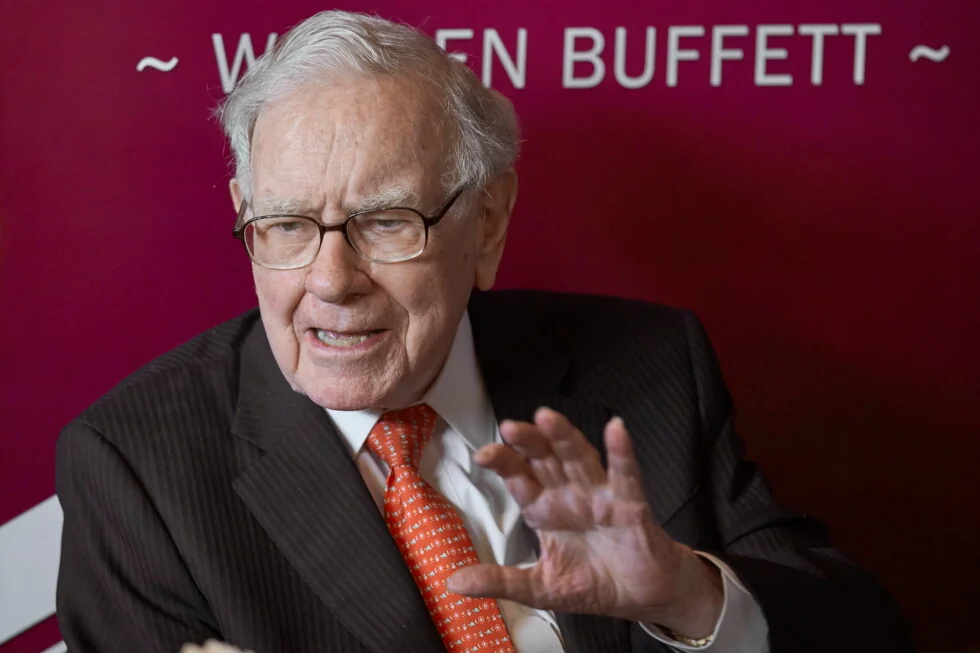
Warren Buffett cede la presidencia de Berkshire Hathaway y avanza su plan de sucesión
Warren Buffett relinquishes Berkshire Hathaway chairmanship, advancing his succession plan
Warren Buffett cede la presidencia de Berkshire Hathaway y avanza su plan de sucesión
Warren Buffett relinquishes Berkshire Hathaway chairmanship, advancing his succession plan

Trump intensifica su ofensiva contra los medios y promete vetar a CNN, MS NOW y Politico en la Casa Blanca
Trump escalates media offensive, vowing to bar CNN, MS NOW and Politico from the White House
Trump intensifica su ofensiva contra los medios y promete vetar a CNN, MS NOW y Politico en la Casa Blanca
Trump escalates media offensive, vowing to bar CNN, MS NOW and Politico from the White House
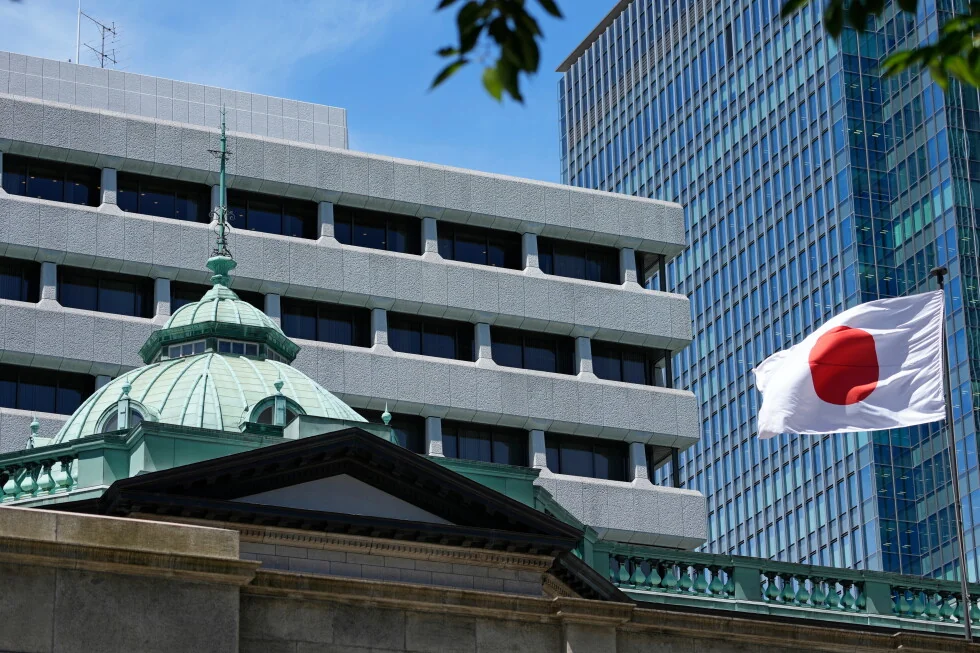
El Banco de Japón eleva su tasa de referencia al 1,25 %, un máximo de 31 años
Bank of Japan Lifts Benchmark Rate to 1.25%, a 31-Year Peak
El Banco de Japón eleva su tasa de referencia al 1,25 %, un máximo de 31 años
Bank of Japan Lifts Benchmark Rate to 1.25%, a 31-Year Peak

Anthropic afirma que Claude es fundamental para desarrollar su propio sucesor
Anthropic claims Claude is instrumental in developing its own successor
Anthropic afirma que Claude es fundamental para desarrollar su propio sucesor
Anthropic claims Claude is instrumental in developing its own successor
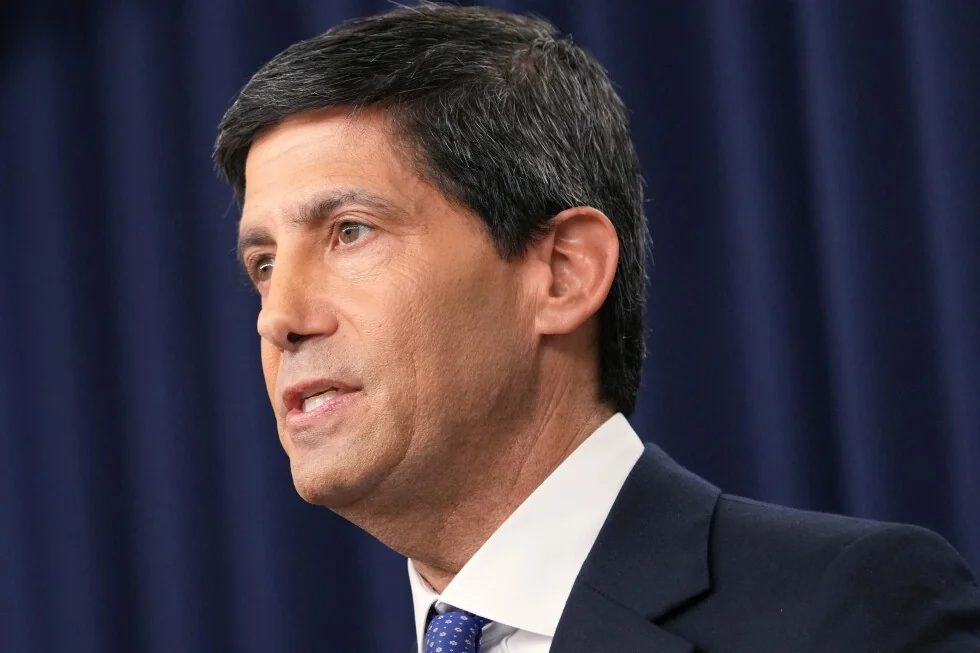
Por qué la Reserva Federal sube los tipos ahora — y qué augura
Why the Federal Reserve is raising rates now — and what it portends
Por qué la Reserva Federal sube los tipos ahora — y qué augura
Why the Federal Reserve is raising rates now — and what it portends

Las acciones estadounidenses se disparan hasta máximos de seis semanas mientras el petróleo y los rendimientos de los bonos retroceden
US equities surge to six-week peak as oil and bond yields retreat
Las acciones estadounidenses se disparan hasta máximos de seis semanas mientras el petróleo y los rendimientos de los bonos retroceden
US equities surge to six-week peak as oil and bond yields retreat
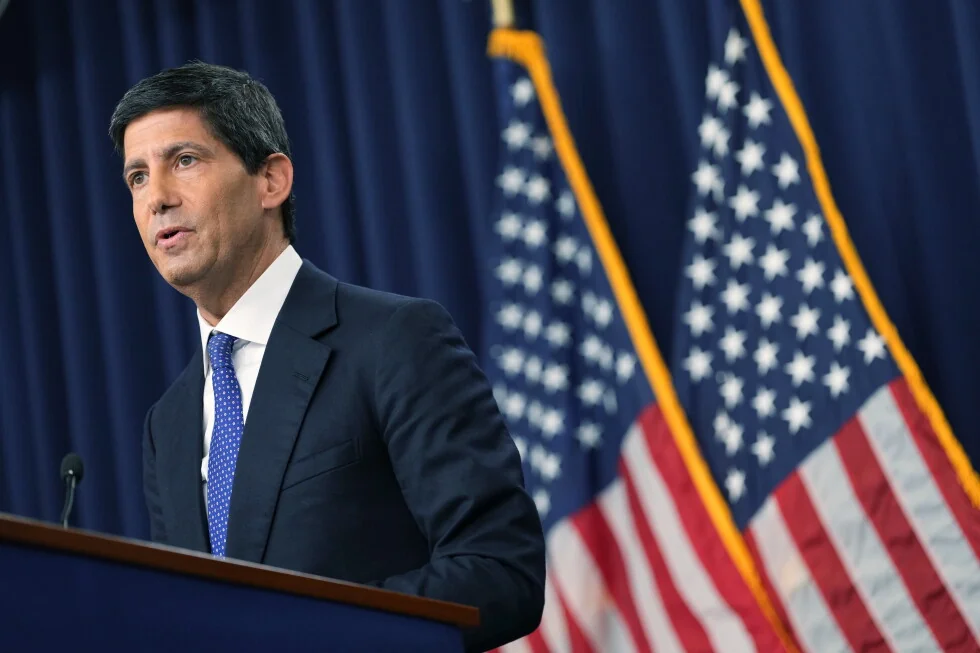
La Fed sube los tipos de interés por primera vez en 3 años, desafiando las exigencias de recorte de Trump
Fed hikes key rate for 1st time in 3 years, flouting Trump's cut demands
La Fed sube los tipos de interés por primera vez en 3 años, desafiando las exigencias de recorte de Trump
Fed hikes key rate for 1st time in 3 years, flouting Trump's cut demands
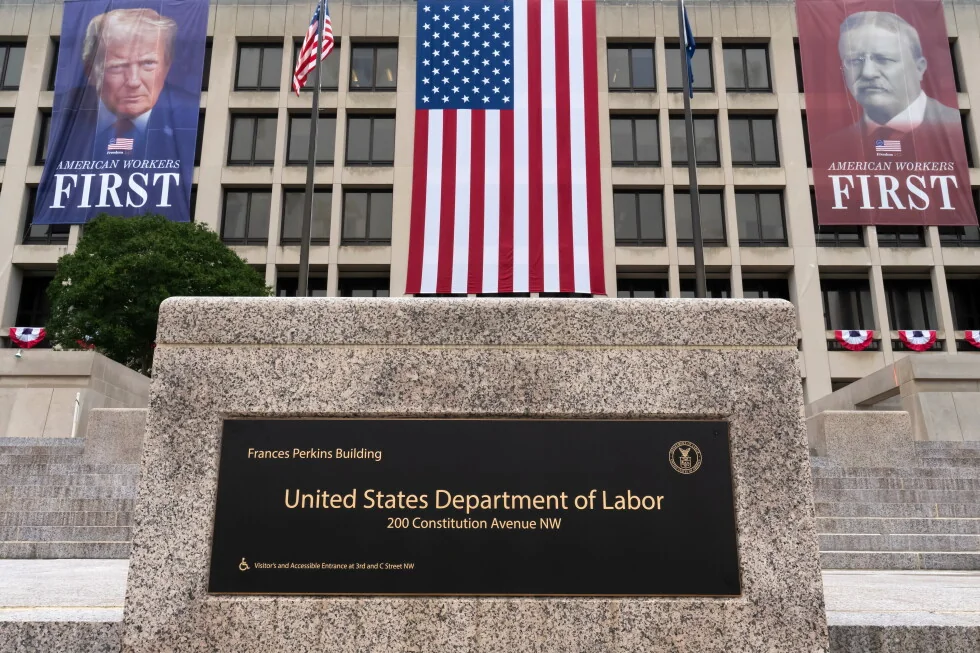
Las solicitudes de desempleo se desploman a 196.000, la cifra más baja desde mediados de julio en medio de mínimos sostenidos de despidos
Unemployment Claims Plummet to 196,000, Lowest Since Mid-July Amid Sustained Layoff Lows
Las solicitudes de desempleo se desploman a 196.000, la cifra más baja desde mediados de julio en medio de mínimos sostenidos de despidos
Unemployment Claims Plummet to 196,000, Lowest Since Mid-July Amid Sustained Layoff Lows

Trump denuncia los riesgos de la IA como una «farsa» y alega una «ENFERMIZA conspiración» contra la IA y los centros de datos
Trump denounces AI risks as ‘hoax,’ alleges ‘SICK conspiracy’ against AI and data centers
Trump denuncia los riesgos de la IA como una «farsa» y alega una «ENFERMIZA conspiración» contra la IA y los centros de datos
Trump denounces AI risks as ‘hoax,’ alleges ‘SICK conspiracy’ against AI and data centers
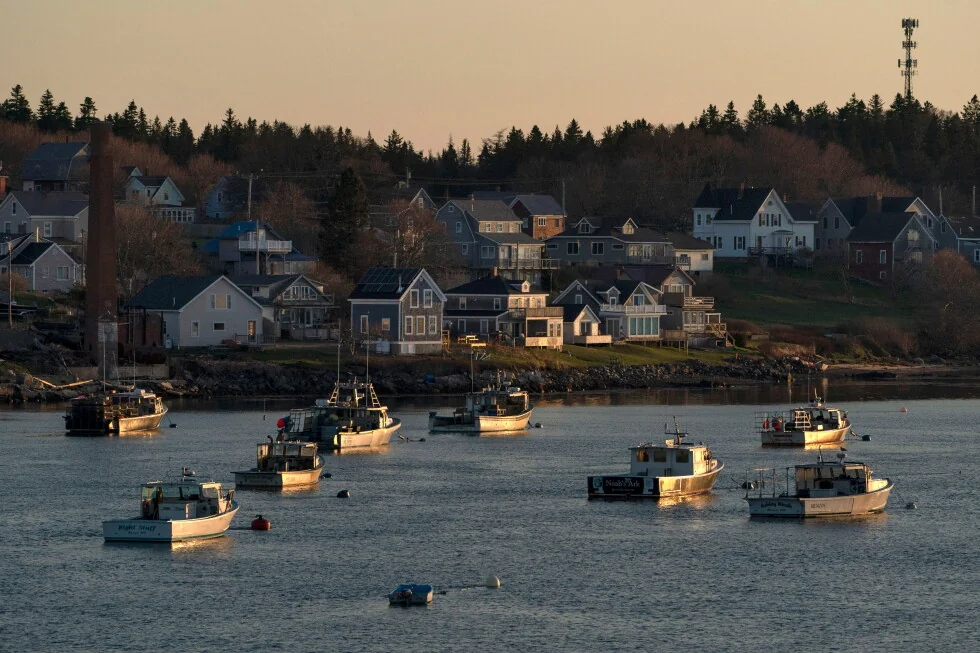
El Tribunal Supremo decidirá si admite el recurso de un pescador de langostas de Maine contra el mandato de rastreo por GPS en embarcaciones
Supreme Court to Determine Whether to Hear Maine Lobsterman’s Challenge to GPS Boat Tracker Mandate
El Tribunal Supremo decidirá si admite el recurso de un pescador de langostas de Maine contra el mandato de rastreo por GPS en embarcaciones
Supreme Court to Determine Whether to Hear Maine Lobsterman’s Challenge to GPS Boat Tracker Mandate