サウジアラビアは、リヤド空港に対するフーシ派の致命的な攻撃を防衛システムが迎撃できなかった経緯を調査している。
October 12th, 2026
サウジアラビアは、リヤド空港に対するフーシ派の致命的な攻撃を防衛システムが迎撃できなかった経緯を調査している。
🇯🇵 日本語
Saudi Arabia has initiated an inquiry into the failure of its air defenses to intercept a barrage of missiles and drones launched by Iran-backed Houthi rebels—among them a strike on Riyadh airport that killed at least 13 people and wounded more than 300—two regional officials said Monday.
The officials, speaking on condition of anonymity owing to their lack of authorization to comment publicly, said the preliminary probe indicated that Yemen's Houthis had initially launched multiple drones to clear the way for a combination of cruise and ballistic missiles to reach Riyadh's King Khalid International Airport.
The Houthis are in possession of ballistic missiles and sophisticated systems equipped with warheads capable of altering trajectory mid-flight, thereby presenting a formidable challenge to Patriot interceptors and the other defensive systems deployed by the Saudis.
One of the officials said the investigation also aims to ascertain why air defense systems failed to furnish earlier warning of the attack, in which the Houthi missiles and drones traversed over 1,000 kilometers (620 miles) to reach Riyadh.
The incident, one of a string of Houthi attacks since last week on Saudi airports, has laid bare vulnerabilities in Saudi Arabia’s defense system and signaled a perilous inflection point in an expanding Mideast conflict that began more than seven months ago when the U.S. and Israel launched their war against Iran.
The Saudi-led coalition further disclosed that it had, on two separate occasions, intercepted and obliterated ballistic missiles launched on Monday by Yemen's Houthi insurgents targeting Riyadh.
No fewer than three explosions were audible within the city on Monday night.
No claim of responsibility was forthcoming in the immediate aftermath.
Civil Defense officials subsequently declared that the danger had abated.
Earlier on Monday, Saudi state-run media reported that its military was responding to a fresh attack involving drones and cruise missiles, though it furnished no particulars.
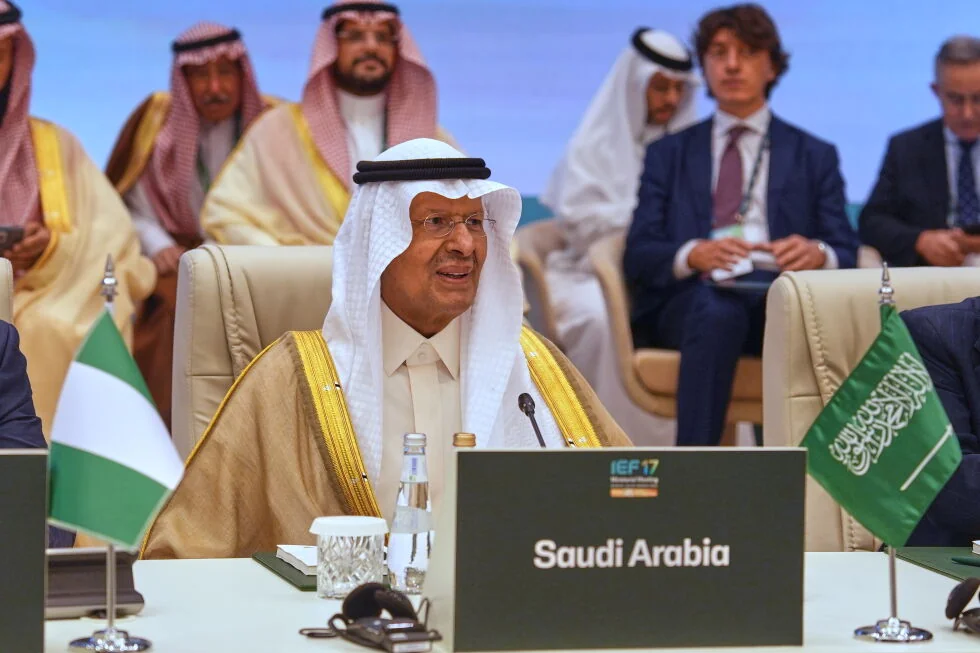
“The events of recent weeks are grave,” Saudi Energy Minister Prince Abdul Aziz bin Salman told the World Petroleum Energy Congress in Riyadh on Monday.
“Our response must be commensurately grave.”
The Saudi government-operated Center for International Communication, the body charged with oversight of foreign media, did not immediately respond to a request for comment regarding the probe into defense failures.
The Saudis seek a more direct American entanglement in their campaign against the Houthis.
Washington has furnished intelligence-sharing, target identification, and operational planning for a Saudi-led offensive, yet has demurred from conducting strikes against the Houthis itself.
A U.S. intervention could impel the Houthis to endeavour to obstruct shipping through the Bab el-Mandeb Strait, situated at the southern extremity of the Red Sea off Yemen, thereby constricting the flow of oil emanating from the Persian Gulf.
The flux of Middle Eastern petroleum has already been rendered more fraught by Iranian endeavours to throttle the Strait of Hormuz, through which approximately one-fifth of the world's oil traversed prior to the outbreak of the U.S.-Iran conflict.
Last month the rebels seized strategic enclaves along the Bab el-Mandeb; the Saudi-led coalition, which backs forces loyal to Yemen’s internationally recognized government, has been endeavoring to reclaim them.
U.S. President Donald Trump apprised reporters on Saturday, in the aftermath of the deadly airport strike, that he was entertaining the prospect of conducting U.S. attacks against the Houthis.
Yet this conflagration erupts at a particularly precarious juncture for Trump, merely weeks ahead of U.S. midterm elections that will determine whether his Republican Party retains its grip on Congress.
Persistent inflation and exorbitant gasoline prices, exacerbated by the ongoing hostilities with Iran, have engendered pervasive American opprobrium toward that war.
Any further escalation of U.S. military entanglement in the region threatens to inflame voters’ resentment all the more.
Yemen’s Houthi-run health ministry announced on Monday that airstrikes targeting a government complex and a residence in the northern province of al-Jawf had killed nine individuals—among them five children and one woman—and wounded seven others, as reported by the Houthi-controlled SABA news agency.
Houthi officials further alleged that Saudi Arabia had launched fresh airstrikes upon Sanaa, the Yemeni capital, resulting in one fatality and twelve wounded.
Riyadh airport remained shuttered on Monday, whilst employees in the capital's financial district were instructed to work remotely from home.
Yet, on Monday, the Saudis proceeded apace with the second day of the World Petroleum Energy Congress.
Concurrently, an Emirati diplomat on Monday issued a clarion call for “joint Gulf action” to safeguard the Gulf states against incursions by Iran and its allied proxies.
Anwar Gargash, a diplomatic adviser to the rulers of the United Arab Emirates, said Iran and its allies had wrongly assessed that Gulf Arabs constituted “the weakest link” in the U.S. war against Iran, during which Tehran and its allies repeatedly attacked Arab countries on the opposite shore of the Gulf.
“It has become incontrovertible that we are all targets, and that our security is indivisible,” he wrote on social media.
Iran’s Foreign Ministry, on Monday, articulated its disquietude over the hostilities between the Saudis and the Houthis, and declared that Iran remained poised to facilitate the settlement of disputes.
“We are profoundly apprehensive regarding the trajectory of events in the Arabian Peninsula,” spokesman Esmail Baghaei remarked during his weekly briefing.
“We have on numerous occasions proclaimed our readiness to tender our good offices with a view to facilitating negotiations between the two parties.”
Baghaei disclosed that Foreign Minister Abbas Araghchi and his Saudi counterpart, Prince Faisal bin Farhan Al-Saud, had conversed by telephone on Sunday concerning the situation, yet vouchsafed no particulars.
Dozens of mourners congregated on Monday to pay their respects at the funeral of a Jordanian national slain in the missile strike on King Khalid International Airport.
Mahmoud Al-Barqawi, 33, a father of two who had been employed at a café in Riyadh, was interred following a funeral procession that commenced at a mosque in Amman.
His father, Hasan al-Barqawi, attested that the family was contending with considerable difficulty in coping.
"None can truly fathom the anguish wrought by this tragedy," he said.
The strike additionally left four Jordanian citizens wounded.
Jordan's Royal Court chief, Yousef Al-Issawi, was in attendance at the funeral, where he proffered condolences on behalf of the king and crown prince.
October 12th, 2026
Trending Articles
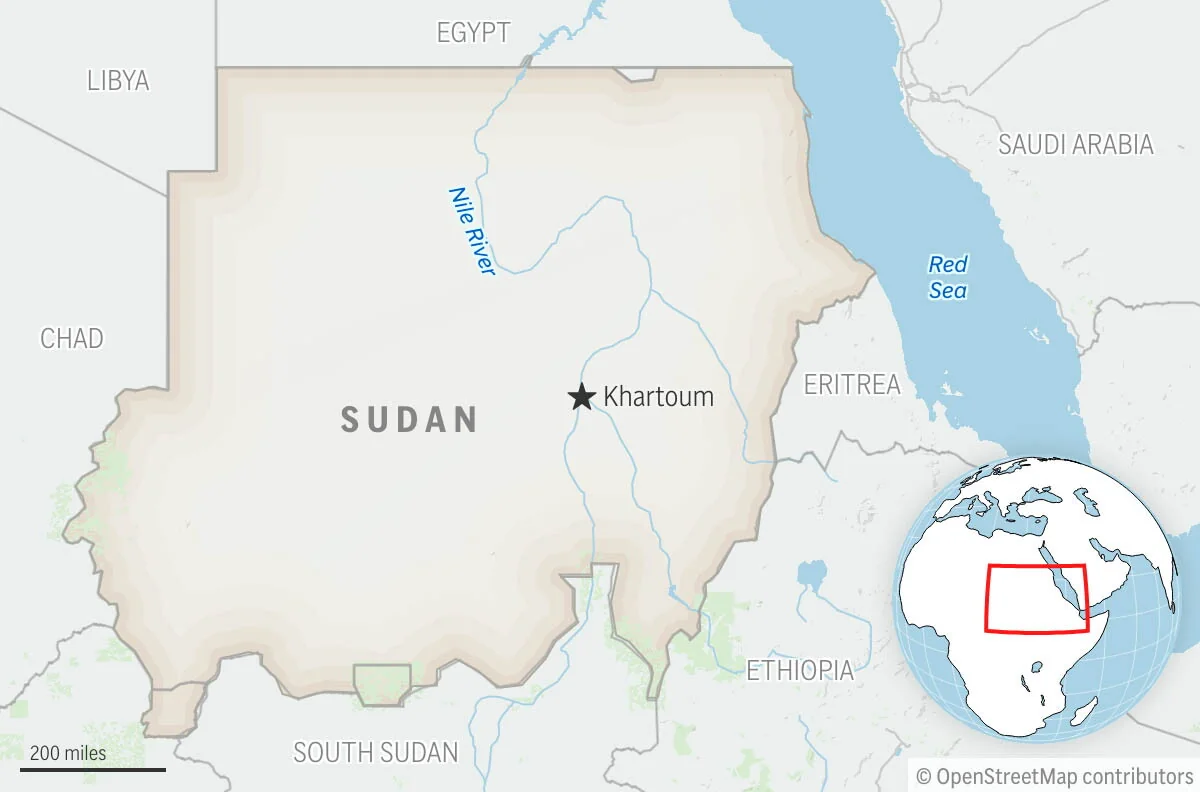
人権団体の報告によると、スーダンでエチオピア国境付近における準軍事組織のドローン攻撃により41人が死亡した。
Rights group reports paramilitary drone strike in Sudan killed 41 near Ethiopian border
人権団体の報告によると、スーダンでエチオピア国境付近における準軍事組織のドローン攻撃により41人が死亡した。
Rights group reports paramilitary drone strike in Sudan killed 41 near Ethiopian border
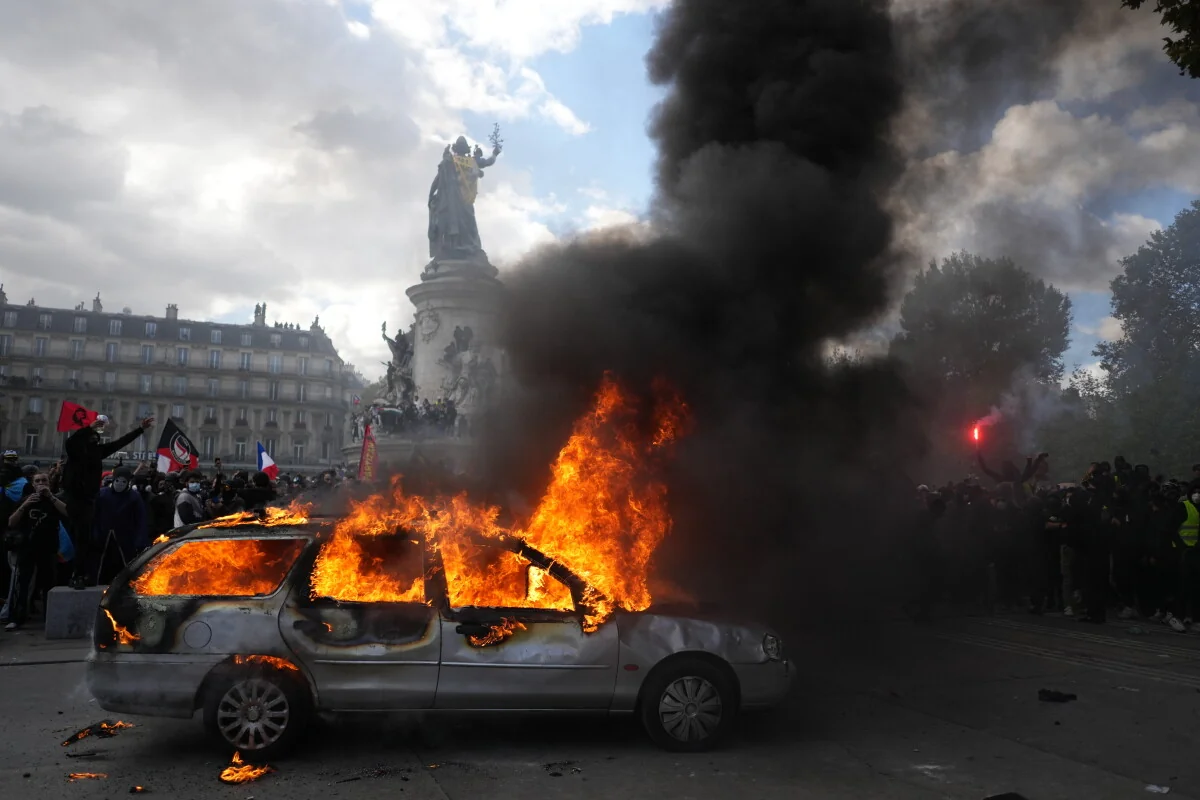
パリ警察、更なる騒乱を回避すべく首都の二区に夜間外出禁止令を発令
Paris Police Impose Overnight Curfew in Two Capital Districts to Avert Further Unrest
パリ警察、更なる騒乱を回避すべく首都の二区に夜間外出禁止令を発令
Paris Police Impose Overnight Curfew in Two Capital Districts to Avert Further Unrest

国土安全保障省、10万人超のウクライナ人とスーダン人に一時的な国外退去猶予を付与
Homeland Security Grants Temporary Deportation Reprieve to Over 100K Ukrainians and Sudanese
国土安全保障省、10万人超のウクライナ人とスーダン人に一時的な国外退去猶予を付与
Homeland Security Grants Temporary Deportation Reprieve to Over 100K Ukrainians and Sudanese
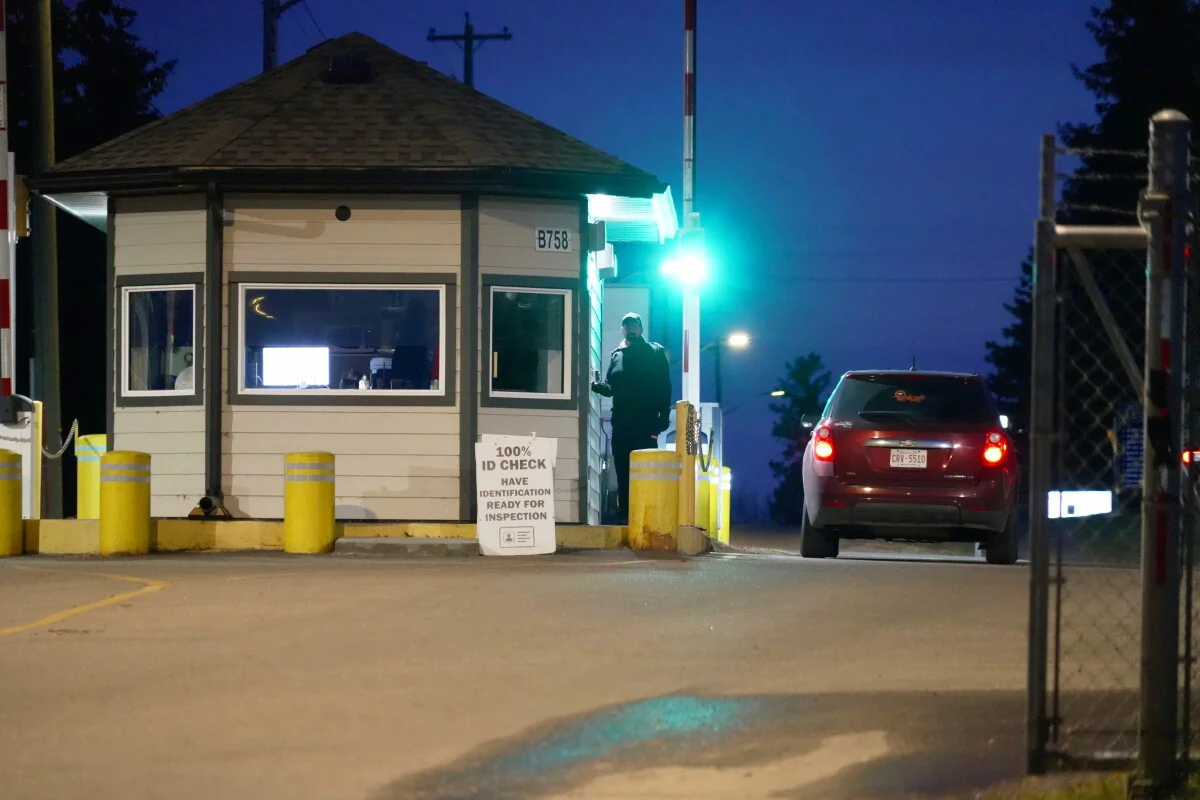
カナダは、兵士4人が死亡した軍事基地の致命的な火災を調査するため、調査員50人を派遣した。
Canada dispatches 50 investigators to probe fatal military base blaze that killed 4 soldiers
カナダは、兵士4人が死亡した軍事基地の致命的な火災を調査するため、調査員50人を派遣した。
Canada dispatches 50 investigators to probe fatal military base blaze that killed 4 soldiers
英国首相:米国運営の空軍基地における容疑された陰謀はほぼ確実にイランが指示
UK premier: Suspected plot at US-run air base almost certainly Iran-directed
英国首相:米国運営の空軍基地における容疑された陰謀はほぼ確実にイランが指示
UK premier: Suspected plot at US-run air base almost certainly Iran-directed
NATO司令官:同盟は戦争を回避しつつも「今夜戦う準備はできている」
NATO Commander: Alliance Shuns War Yet ‘Ready to Fight Tonight’
NATO司令官:同盟は戦争を回避しつつも「今夜戦う準備はできている」
NATO Commander: Alliance Shuns War Yet ‘Ready to Fight Tonight’
フライドバイのサウジアラビアでの凄まじい緊急着陸:知っておくべきこと
FlyDubai's Harrowing Forced Landing in Saudi Arabia: What to Know
フライドバイのサウジアラビアでの凄まじい緊急着陸:知っておくべきこと
FlyDubai's Harrowing Forced Landing in Saudi Arabia: What to Know
英仏間の移民小型ボート協定が破棄される
UK-France migrant small-boat deal scrapped
英仏間の移民小型ボート協定が破棄される
UK-France migrant small-boat deal scrapped
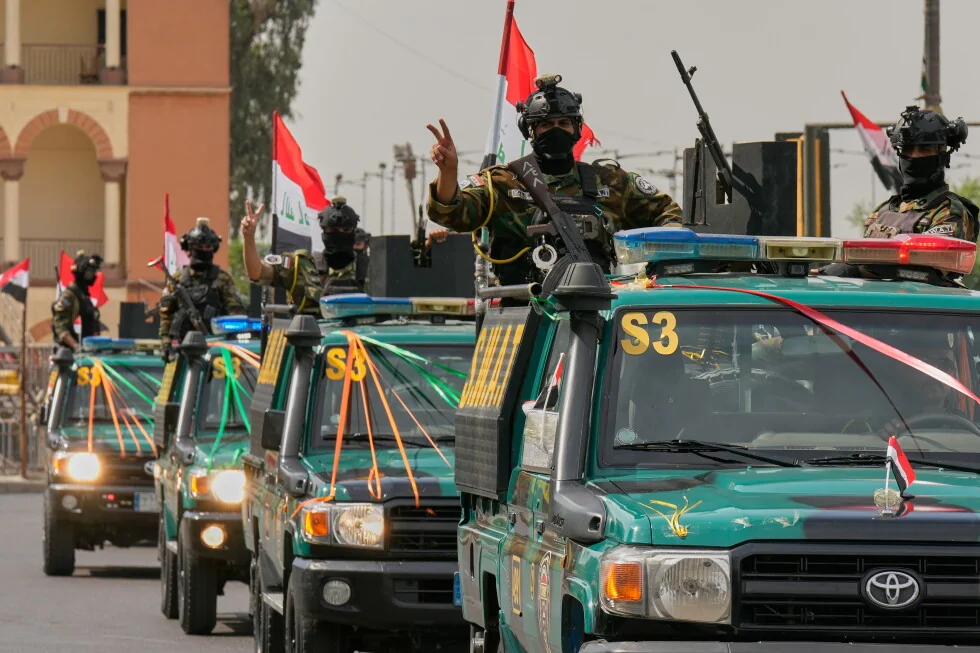
トランプ大統領、12年に及ぶ任務を経ての米軍のイラク撤退を称賛
Trump extols US military's departure from Iraq following 12-year mission
トランプ大統領、12年に及ぶ任務を経ての米軍のイラク撤退を称賛
Trump extols US military's departure from Iraq following 12-year mission