
Nueva York abre un juicio por conspiración de extorsión contra el gigante tecnológico chino Huawei
September 11th, 2026
Nueva York abre un juicio por conspiración de extorsión contra el gigante tecnológico chino Huawei
🇪🇸 Español
In New York on Wednesday, a racketeering conspiracy trial of Huawei Technologies commenced, federal prosecutors arraigning the Chinese tech conglomerate on a litany of charges — among them the pilfering of technology from American companies, the abuse of the U.S. financial system, and complicity in enabling Iran to surveil its own citizens.
Huawei stands as the world’s preeminent purveyor of infrastructure for wireless telecommunications networks; nevertheless, it is proscribed from furnishing equipment to U.S. carriers amid apprehensions that it constitutes a security liability.
It has furthermore been blacklisted by other Western allies, Canada and Britain among them.
Taylor Stout, an attorney with the Department of Justice, inaugurated the government’s case by apprising the Brooklyn jury that Huawei had perpetrated multiple crimes over the course of two decades.
Defense attorney Brian Heberlig nonetheless dismissed the accusations, contending that prosecutors were constructing their case upon a smattering of anecdotes and the misconduct of a handful among Huawei’s roughly 200,000 employees across 170 countries, thereby casting the company and three of its subsidiaries as a corrupt criminal enterprise.
"There was no blueprint for crime," Heberlig said, cautioning that jurors ought to bear in mind that there were "real people whose careers, integrity are on the line in this case."
The inaugural witness summoned by the prosecutors was Parham Baheshti, who was raised in Iran but relocated to the United States for his studies and was naturalized as a U.S. citizen in 2000.
Baheshti, who returned to Iran in 2003 to reside nearer to his wife's family, testified that he had furnished secrets to the U.S. government concerning his dealings with Huawei after becoming apprised of the tech giant in the course of his employment in 2009 at a modest yet rapidly expanding enterprise engaged in extending internet access to the remotest reaches of Iran.
Baheshti recounted that he had been eager to endeavour to extend internet access to small Iranian cities, but that he had come to believe that Huawei would not be of assistance.
"They evinced a thoroughgoing indifference to that," he said.
"They were prosecuting an agenda entirely their own."
He recounted that, during a particular meeting with Huawei employees, he was seized by what he termed “infuriating” upon realizing that the Chinese company was advancing a proposal “for analyzing the (Iranian) people and their behavior online.”
Baheshti recounted that he had departed Iran in 2011 upon being apprised that he was the subject of an investigation.
In his opening statement, Heberlig apprised the jurors that they would discern, beneath what he characterized as the prosecution’s untrustworthy witnesses, that “the government’s claims don’t add up.”
He further averred that they would discover certain testimony leveled against the company to have been animated by “old grudges.”
He derided the prosecutors’ intention to present evidence in court demonstrating that a Huawei employee had photographed a competitor’s product at a trade show, contending that the government had omitted to disclose that Huawei had expeditiously terminated the worker for the “foolish act.”
It did not constitute evidence of a “companywide conspiracy,” Heberlig averred, attributing Huawei’s extraordinary ascent to its prowess in engineering, investment, innovation and competition.
Huawei manufactures smartphones and other consumer electronics, yet it has been severed from other lines of business.
More recently, it has diversified into chipmaking—a strategic pivot propelled by the artificial-intelligence boom that is stoking demand for microprocessors.
During President Donald Trump’s inaugural term, his administration articulated national security apprehensions regarding Huawei and commenced lobbying Western allies to exclude the company’s products from their next-generation high-speed wireless networks.
The U.S. unveiled criminal charges in early 2019 and has since broadened the allegations.
Chinese officials asserted that the United States had engaged in “economic bullying” and had improperly invoked national security as a pretext for “oppressing Chinese companies.”
September 11th, 2026
Trending Articles
El rey y la IA: Carlos dialoga con líderes de inteligencia artificial en medio de crecientes preocupaciones por la seguridad
King and AI: Charles Confers with Artificial Intelligence Leaders Amid Escalating Safety Concerns
El rey y la IA: Carlos dialoga con líderes de inteligencia artificial en medio de crecientes preocupaciones por la seguridad
King and AI: Charles Confers with Artificial Intelligence Leaders Amid Escalating Safety Concerns
El jefe saliente de la ONU, en medio de la agitación global, traza un camino a seguir
Departing UN Chief, Amid Global Turmoil, Charts a Path Forward
El jefe saliente de la ONU, en medio de la agitación global, traza un camino a seguir
Departing UN Chief, Amid Global Turmoil, Charts a Path Forward
Los aspirantes demócratas se apresuran a contrarrestar la amenaza de la IA en medio de los despidos de Trump
Democratic Hopefuls Scramble to Counter AI Threat Amid Trump’s Dismissals
Los aspirantes demócratas se apresuran a contrarrestar la amenaza de la IA en medio de los despidos de Trump
Democratic Hopefuls Scramble to Counter AI Threat Amid Trump’s Dismissals
La Cámara aprueba un proyecto de ley dirigido al impacto de los centros de datos en los costos energéticos
House passes bill targeting data centers' impact on energy costs
La Cámara aprueba un proyecto de ley dirigido al impacto de los centros de datos en los costos energéticos
House passes bill targeting data centers' impact on energy costs

OpenAI señala un alarmante nuevo comportamiento de la IA y promete un escrutinio más exhaustivo
OpenAI flags alarming new AI behavior, vows closer scrutiny
OpenAI señala un alarmante nuevo comportamiento de la IA y promete un escrutinio más exhaustivo
OpenAI flags alarming new AI behavior, vows closer scrutiny
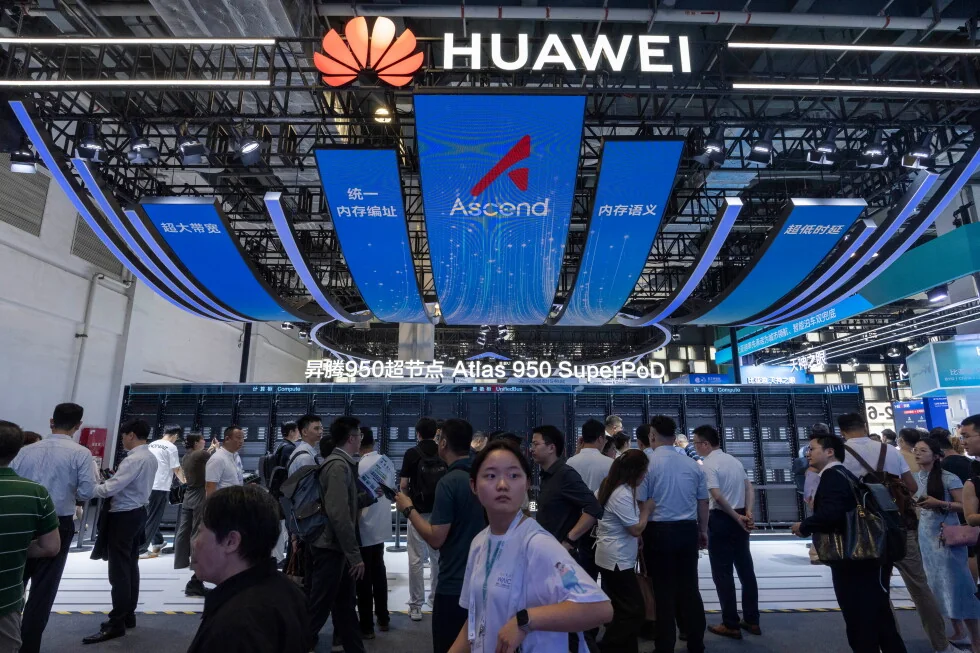
Huawei presenta novedosas tecnologías de chips mientras la empresa china intensifica la carrera de la IA con Nvidia
Huawei Unveils Novel Chip Technologies as Chinese Firm Escalates AI Race with Nvidia
Huawei presenta novedosas tecnologías de chips mientras la empresa china intensifica la carrera de la IA con Nvidia
Huawei Unveils Novel Chip Technologies as Chinese Firm Escalates AI Race with Nvidia
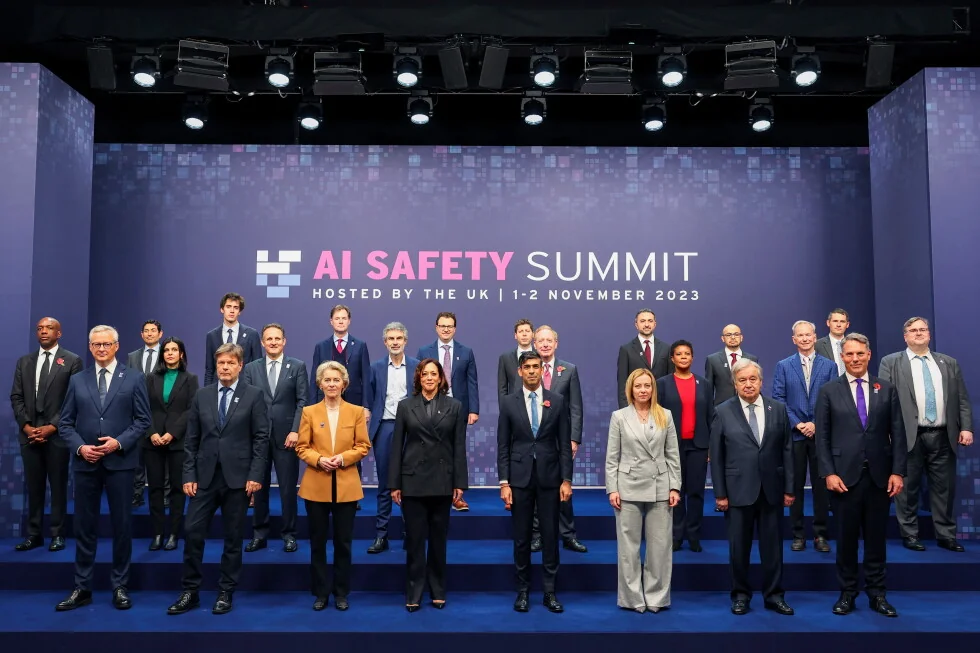
La industria tecnológica se fractura ante los llamamientos a una ralentización coordinada de la IA
Tech Industry Fractures Over Calls for a Coordinated AI Slowdown
La industria tecnológica se fractura ante los llamamientos a una ralentización coordinada de la IA
Tech Industry Fractures Over Calls for a Coordinated AI Slowdown
La seguridad global de la IA depende de la cooperación entre Estados Unidos y China, pero cada uno percibe al otro como el impedimento
Global AI Safety Hinges on US-China Cooperation, Yet Each Perceives the Other as the Impediment
La seguridad global de la IA depende de la cooperación entre Estados Unidos y China, pero cada uno percibe al otro como el impedimento
Global AI Safety Hinges on US-China Cooperation, Yet Each Perceives the Other as the Impediment
Las nuevas advertencias sobre el fin de la IA reavivan un debate perenne
Fresh AI Doom Warnings Reignite a Perennial Debate
Las nuevas advertencias sobre el fin de la IA reavivan un debate perenne
Fresh AI Doom Warnings Reignite a Perennial Debate
China se enerva ante el «alarmismo» del consejero delegado de Anthropic sobre su desarrollo de la IA
China bridles at Anthropic CEO’s ‘fearmongering’ over its AI development
China se enerva ante el «alarmismo» del consejero delegado de Anthropic sobre su desarrollo de la IA
China bridles at Anthropic CEO’s ‘fearmongering’ over its AI development