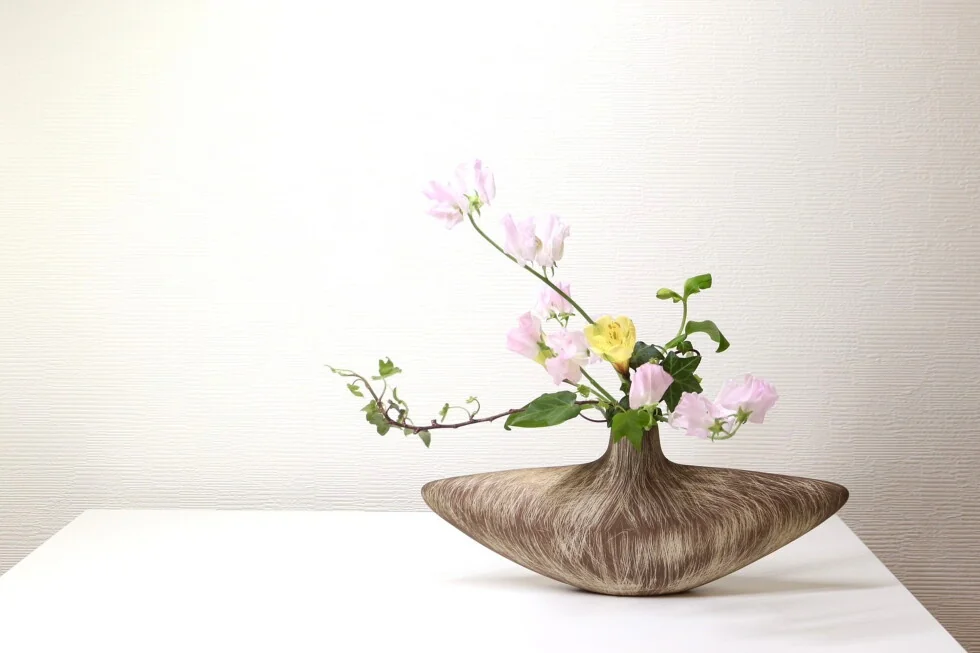
Ikebana: Die jahrhundertealte japanische Kunst, die Suchende nach Gelassenheit anzieht
September 22nd, 2026
Ikebana: Die jahrhundertealte japanische Kunst, die Suchende nach Gelassenheit anzieht
🇩🇪 Deutsch
Ikebana, the Japanese art of floral arrangement, constitutes a mode of expression whose provenance extends beyond five centuries.
It persists in its quiet efflorescence, embraced not solely by traditionalists but likewise by neophytes who find its confluence of creativity and mindfulness to be restorative.
Ikebana can resemble the resolution of a puzzle, save that no definitive solution exists.
Insofar as every flower, and every human individual, is distinct, a multiplicity of solutions presents itself.
"There is a 'detox' purifying factor, and a healing," remarks Hiroyuki Okada, 40, who embarked upon instruction in ikebana some seven years ago.
He now teaches Ikenobo, the most venerable of the three principal ikebana schools.
Okada, who likewise instructs anyone so inclined in the art of the backflip, customarily affects silver chains and denim, yet dons a fine kimono when formally demonstrating his arrangements.
He regards himself as emblematic of those whom ikebana presently attracts: individuals in pursuit of joy, purpose, or respite from the drudgery or anguish of contemporary existence.
“In the act of arranging, one is confronted with the vitality inherent therein—its beauty, to be sure—yet what one discovers is that which resides within one's own heart,” said Okada.
“You come face to face with yourself.”
The Kyoto-based Ikenobo school, whose very foundations are steeped in Buddhism, today sustains chapters across the globe.
Okada’s prior engagement at a nonprofit had entailed conversing with individuals hailing from every corner of the globe, and through this he came to apprehend the profound disparities — and striking affinities — that obtain among people.
Upon transitioning to his present position at a flower shop, he resolved to cultivate a pursuit that was distinctly Japanese, thereby affording him the means to explore that facet of his identity, and one that could be sustained over the long term, in solitude.
Ikebana entails an engagement with nature, albeit on a diminutive scale — typically within the confines of a modest vase.
"It pertains to the relationship of the creator with the flowers," said Senko Ikenobo, headmaster-designate of the Ikenobo school.
Her lineage can be traced through countless generations to the very progenitors of the art, and her father presently occupies the position of headmaster.
Jeannette Haviland-Jones, professor of social psychology at Rutgers University, avers that studies have demonstrated “that flowers and even flower scents promote happiness in people.
We suggested a coevolutionary theory for this in which flowers became the ‘pets’ of the plant world.”
Beyond a flower’s beauty and fragrance, the tactile sensation of its petals and leaves—reminiscent of stroking a kitten or a puppy—is, according to Okada, of paramount importance.
There exist toddlers practising Ikenobo in imitation of their mothers, alongside devoted centenarians.
The headmaster-designate recounts having witnessed ikebana afford succour to women negotiating the dual demands of employment and motherhood, or tending to ageing parents.
Ikebana exerts a restorative effect akin to that of yoga, meditation or play, remarks Mayu Shimizu, an employee of an online educational service who has been receiving instruction from Okada for approximately three years.
"I savour this interlude of nothingness, wherein one's attention is wholly captivated by the blossoms arrayed before one," she says.
"My mind attains greater clarity.
I feel a profounder serenity, and a gentler disposition."
One traditional Ikenobo arrangement is shoka shofutai, which endeavours to arrange the flowers, leaves and branches as they might appear in nature, reaching toward sunlight or bending in the wind.
The vase, sometimes crafted from wood or pottery, likewise becomes integral to the arrangement's vision.
Yet the overall aesthetic remains one of unadulterated simplicity, articulating the floral life cycle — from efflorescence to desiccation — by means of three principal elements:
— Shin, the loftiest constituent, is positioned foremost, emblematic of one's quintessence, ascending toward the heavens.
Soe—pruned to roughly two-thirds the height of the shin and positioned laterally—articulates the flower's distinctive character.
The leaves, meanwhile, may appear somewhat faded, emblematic of life's later stages.
— Tai, the third element, is the future.
Choose a blossom or fresh small leaves — entities in the very throes of coming into being.
There exist, moreover, freer, spinoff idioms whose appearance inclines more toward informal, Western-style bouquets than toward the austere, textbook-bound shoka shofutai—a prospect that may strike beginners as both easier and more enjoyable.
Just as ikebana forges a bond between practitioner and blossoms, those who devote themselves to the art contend that it is equally concerned with its transmission across generations—a thread that binds people together.
Yuri Kageyama maintains a presence on Threads, accessible at https://www.threads.com/@yurikageyama
September 22nd, 2026
Trending Articles
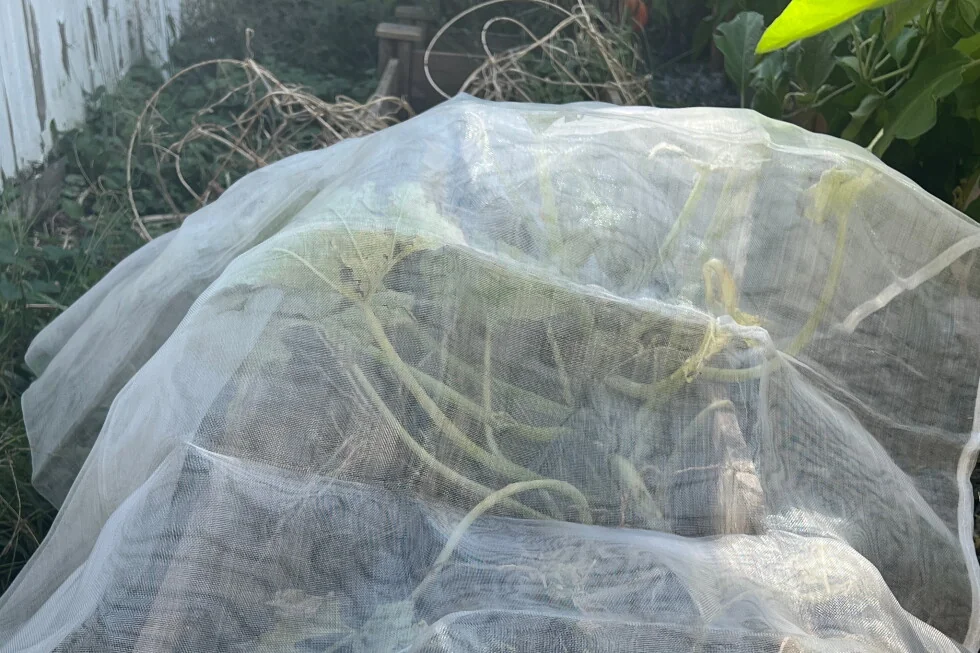
Schon ein einfaches Vlies kann spätsommerliches Gemüse retten, wenn der Frost droht
A mere row cover can rescue late-summer vegetables as frost looms
Schon ein einfaches Vlies kann spätsommerliches Gemüse retten, wenn der Frost droht
A mere row cover can rescue late-summer vegetables as frost looms

Eine 250 Jahre währende Konstante: Die Neigung der Amerikaner zur Übervorteilung
A 250-Year Constant: Americans’ Propensity for Dupery
Eine 250 Jahre währende Konstante: Die Neigung der Amerikaner zur Übervorteilung
A 250-Year Constant: Americans’ Propensity for Dupery
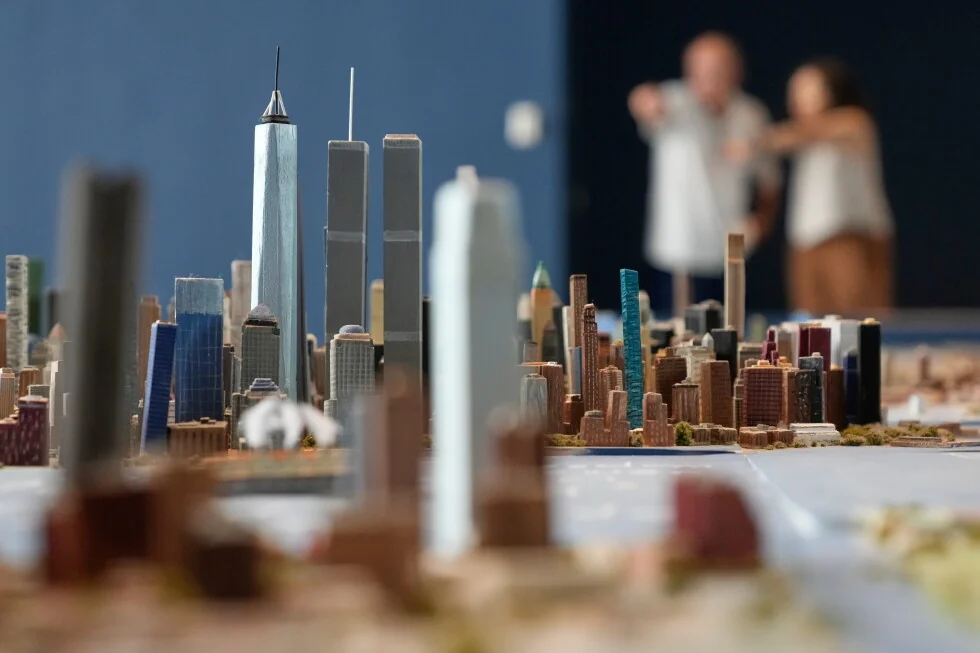
Das 800.000 Bauwerke umfassende NYC-Modell eines Truckers, das aus Spaß gebaut wurde, wird zur Museumsausstellung
Trucker’s 800,000-structure NYC model, built for fun, becomes museum exhibit
Das 800.000 Bauwerke umfassende NYC-Modell eines Truckers, das aus Spaß gebaut wurde, wird zur Museumsausstellung
Trucker’s 800,000-structure NYC model, built for fun, becomes museum exhibit

DoorDash und Uber Eats bieten Lieferungen aus US-Costco-Filialen an
DoorDash and Uber Eats to Provide Delivery from US Costco Outlets
DoorDash und Uber Eats bieten Lieferungen aus US-Costco-Filialen an
DoorDash and Uber Eats to Provide Delivery from US Costco Outlets

Chefkoch David Chang begibt sich in CNN's neuer Reiseserie auf eine kulinarische Odyssee quer durchs Land
Chef David Chang Embarks on a Cross-Country Culinary Odyssey in CNN's New Travel Series
Chefkoch David Chang begibt sich in CNN's neuer Reiseserie auf eine kulinarische Odyssee quer durchs Land
Chef David Chang Embarks on a Cross-Country Culinary Odyssey in CNN's New Travel Series

Der große amerikanische Roadtrip: Gefördert und untergraben vom Automobil, das er hervorbrachte
The Great American Road Trip: Fostered and Undermined by the Automobile It Engendered
Der große amerikanische Roadtrip: Gefördert und untergraben vom Automobil, das er hervorbrachte
The Great American Road Trip: Fostered and Undermined by the Automobile It Engendered
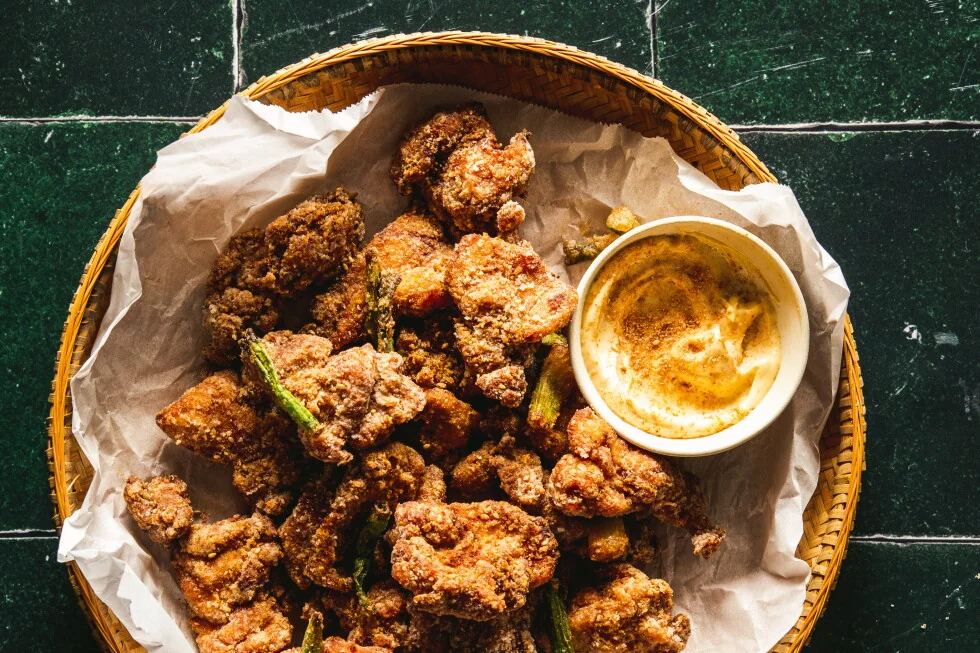
Betty Lius Sesam-Kreuzkümmel-Hähnchen: Zweimal frittiert für Geschmack und Knusprigkeit
Betty Liu’s Sesame-Cumin Chicken: Twice-Fried for Flavor and Crispness
Betty Lius Sesam-Kreuzkümmel-Hähnchen: Zweimal frittiert für Geschmack und Knusprigkeit
Betty Liu’s Sesame-Cumin Chicken: Twice-Fried for Flavor and Crispness

Ein vom Ground Zero geborgener Golfball: ein Sinnbild unermesslichen Verlusts
A golf ball recovered from Ground Zero: an emblem of unfathomable loss
Ein vom Ground Zero geborgener Golfball: ein Sinnbild unermesslichen Verlusts
A golf ball recovered from Ground Zero: an emblem of unfathomable loss
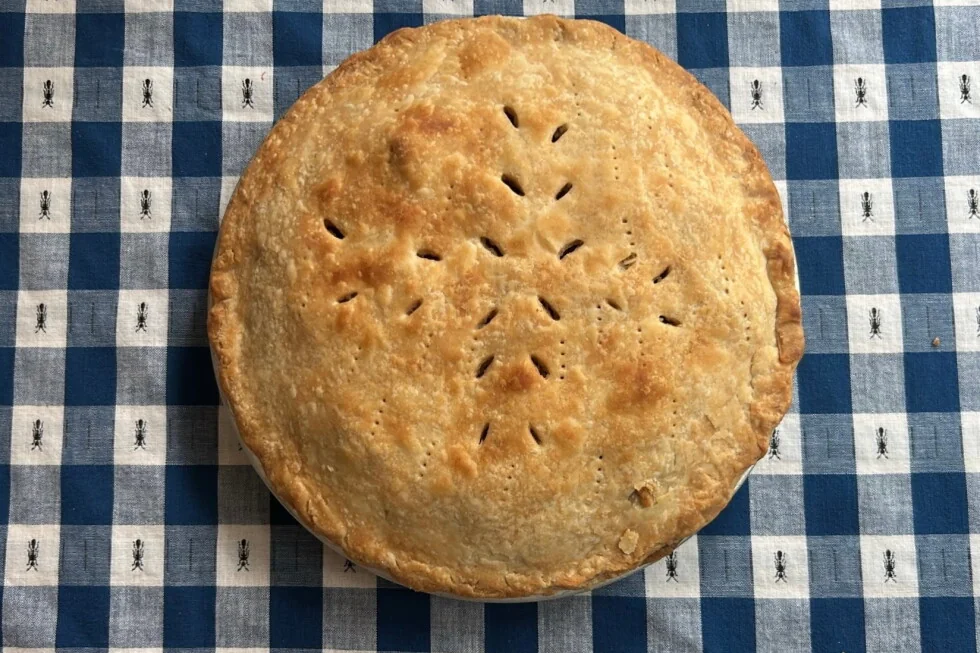
Der Apfelkuchen wurde, gleichsam wie die Mutterschaft selbst, zum Inbegriff des kulinarischen Sinnbilds einer Nation.
The apple pie, alongside motherhood itself, became the quintessential culinary emblem of a nation.
Der Apfelkuchen wurde, gleichsam wie die Mutterschaft selbst, zum Inbegriff des kulinarischen Sinnbilds einer Nation.
The apple pie, alongside motherhood itself, became the quintessential culinary emblem of a nation.