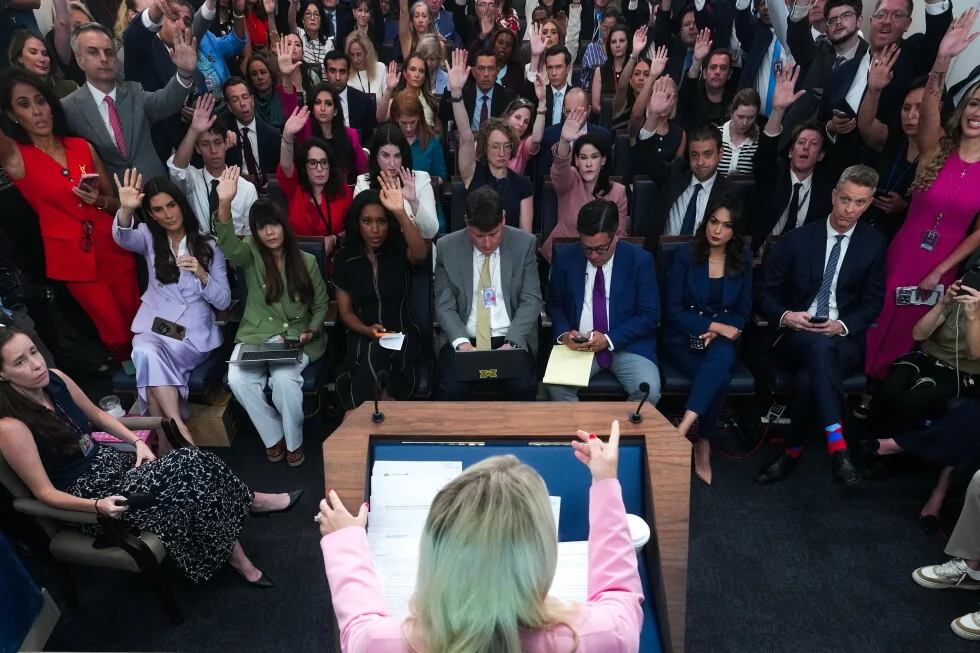
Les journalistes suivent un code d'éthique volontaire depuis un siècle. Les rédacteurs en chef le modernisent désormais pour l'ère de l'intelligence artificielle.
September 1st, 2026
Les journalistes suivent un code d'éthique volontaire depuis un siècle. Les rédacteurs en chef le modernisent désormais pour l'ère de l'intelligence artificielle.
🇫🇷 Français
Step into any corner of a newsroom and you'll often find it pinned to a bulletin board, perhaps peeking out from behind the coffee pot: the Society of Professional Journalists's Code of Ethics.
At under a thousand words, it fits neatly on a poster.
Those words — anchored in four core journalistic principles — are so crucial, Dan Axelrod contends, that they could well be what rescues our democracy.
"I'm going to just say it," says Axelrod, chairman of the SPJ Ethics Committee and former longtime Gannett business reporter.
"This is the way to protect democracy.
This is to protect society.
There but for the grace of God goes a society without journalists."
Axelrod is not only discussing the code's existence but also the need to update it from time to time.
This is a demanding process that takes about a year and involves countless hours of meetings and feedback, both virtual and in person.
Yet as the media landscape appears to shift almost daily and new technologies keep emerging, SPJ has concluded that the time has come — for the first time in 12 years, and only the sixth in the code's century-long history.
The gravity of the task brought the committee and other media ethics experts to Indianapolis in June, after numerous virtual meetings.
It was hardly the most relaxing way to spend a weekend.
“Passions certainly ran high,” Axelrod observes.
"Well, there were no fistfights," quips his colleague, Chris Roberts, vice chairman of the committee and a journalism professor at the University of Alabama.
He explains that there was "a lot of smithing of the words."
The outcome: no white smoke, but a 967-word draft code, 73 words longer than its predecessor.
But why update in the first place?
The primary impetus — scarcely unexpected — is the swift ascendancy of AI.
"We were contemplating artificial intelligence and the ways news organizations deploy—and sometimes misuse—it," Roberts says, "as they face this new technology that saves them money but also causes significant problems if not used effectively and ethically."
A further issue concerns the very term "professional journalists."
Recent years have witnessed a significant rise in independent, so-called "creator journalists."
The SPJ believes they, too, should have a code to guide them.
(The code, as always, is a voluntary guide and not enforceable.)
A central objective is to confront a fundamental crisis of legitimacy afflicting the field: the steadily eroding public confidence in the media.
"We are discussing a world that no longer trusts us as it once did," Roberts says.
"We are referring to politicians and others who deliberately go out of their way to disparage journalism because it dares to point out their shortcomings.
Meanwhile, the financial landscape of journalism has changed dramatically, and a third of journalists no longer work for traditional news organizations."
"All of those things and so many more are pretty good reasons to take another look," he says, "and to remind people that there are standards that should be upheld, regardless of whether you call yourself a journalist or the type of platform for which you work."
The Society of Professional Journalists, comprising approximately 4,000 members across the nation, was established in 1909.
It adopted its inaugural code of ethics in 1926, subsequently forming an ethics committee in 1948 and amending the code on five occasions, the most recent being in 2014.
The four immutable guiding principles: “Seek Truth and Report It.” “Minimize Harm.” “Act Independently.” “Be Accountable and Transparent.”
But much else has evolved.
A report accompanying the draft notes that traditional newsroom jobs are dwindling as the industry contracts.
Simultaneously, it says, there’s been a marked growth in citizen journalists, freelancers, online influencers and pundits.
The report cites a Pew study that shows fully one-third of journalists were freelance or self-employed in 2023.
It also highlights the dwindling number of watchdog news outlets, as well as "people, organizations and private investors without journalism backgrounds, who are buying or opening news properties, affecting news coverage, influencing editorial decisions and pushing personal agendas."
The Society of Professional Journalists argues that the rapid growth of generative AI and other new technologies — in news, as in other fields — raises ethical concerns.
A new line asserts: “Remember that speed, technology or medium do not excuse inaccuracy or unfairness.
Journalists are ethically responsible for their work, regardless of tools and technologies used.”
In essence, ultimate accountability rests with the journalist, irrespective of what AI may produce.
“We don’t want people invoking technology as a pretext to claim they couldn’t uphold ethical and transparent standards,” says Roberts.
The proposed draft, which is set to be voted on in October by the broader organization after the current feedback period, does not explicitly mention AI, referring only to tools and technologies to stay relevant as technology evolves.
It also deals with other issues such as verification, misinformation, crime reporting, and fabricated images.
A particularly noteworthy addition — and one that sparked considerable debate — is the following line: “Be vigilant and courageous about holding those with power accountable. Counter the unfair marginalization of those with less power.”
What is particularly striking is what it replaces.
The original text said: "Give voice to the voiceless."
That phrasing was seen as problematic, because it assumed that some groups lack a voice.
Notes committee member Eric Deggans: "It's not that they lack a voice; rather, mainstream news outlets often fail to pay attention to it, or are even unaware that it exists."
"What we wanted to address," says Deggans, NPR's critic-at-large and a media ethics professor at Washington and Lee University, "was the idea that certain groups may be excluded from news coverage... and journalists should make a point of including them when it's relevant, especially when it improves the story's accuracy."
Given the shifts reshaping the industry, a broader, more fundamental question inevitably arises: Is a single, universal code truly sufficient across all contexts?
And, more pertinently, will that question even receive the recognition it warrants?
“We shouldn’t shy away from it,” replies current SPJ President Chris Vaccaro, “simply because the industry is evolving or the very notion of what constitutes a journalist is changing.”
Vaccaro is confident that the code, which has been rendered into numerous languages, will be widely adopted.
That newsroom bulletin board, he asserts, now encompasses the entire world.
“We are certainly not going to proceed on the premise that nobody will engage with it, or that no one cares, or that journalism has undergone such a radical transformation that it no longer holds any significance,” says Vaccaro.
“It does hold significance.”
Deggans notes that he teaches two ethics classes, both of which examine the SPJ code.
Yet beyond preparing future journalists, the code serves other vital purposes.
"If you're operating in a country that has had authoritarian rule for a long time or doesn't have a long history of a free press, how do you figure out how that works? You turn to the SPJ code, right?"
Deggans wishes a greater number of working journalists would scrutinize the code.
And others, too: "I wish some people who owned journalism outlets would read the code, because too often they're pressuring their employees to do things that are unethical, and the employee has to figure out a way to preserve their journalism ethics and also give the employer what they want."
September 1st, 2026
Trending Articles
Jon Stewart sur son soutien philanthropique continu aux premiers intervenants
Jon Stewart on His Continued Philanthropic Backing of First Responders
Jon Stewart sur son soutien philanthropique continu aux premiers intervenants
Jon Stewart on His Continued Philanthropic Backing of First Responders
Duncan Sheik, compositeur et pop star d'« Spring Awakening », lauréat d'un Tony et d'un Grammy, est mort à 56 ans
Duncan Sheik, Tony- and Grammy-winning ‘Spring Awakening’ composer and pop star, dies at 56
Duncan Sheik, compositeur et pop star d'« Spring Awakening », lauréat d'un Tony et d'un Grammy, est mort à 56 ans
Duncan Sheik, Tony- and Grammy-winning ‘Spring Awakening’ composer and pop star, dies at 56
Un juge impose un préavis de 30 jours pour les changements majeurs au Kennedy Center
Judge mandates 30-day notice for Kennedy Center major changes
Un juge impose un préavis de 30 jours pour les changements majeurs au Kennedy Center
Judge mandates 30-day notice for Kennedy Center major changes
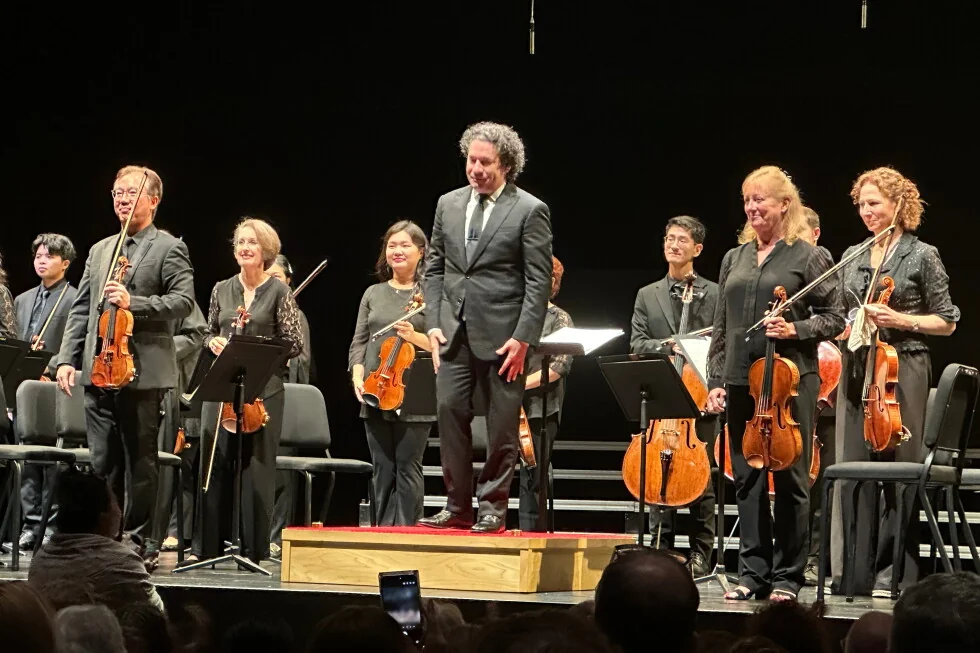
Après les acclamations à Los Angeles, le chef d'orchestre Gustavo Dudamel s'attaque à New York
After LA acclaim, conductor Gustavo Dudamel takes on New York
Après les acclamations à Los Angeles, le chef d'orchestre Gustavo Dudamel s'attaque à New York
After LA acclaim, conductor Gustavo Dudamel takes on New York
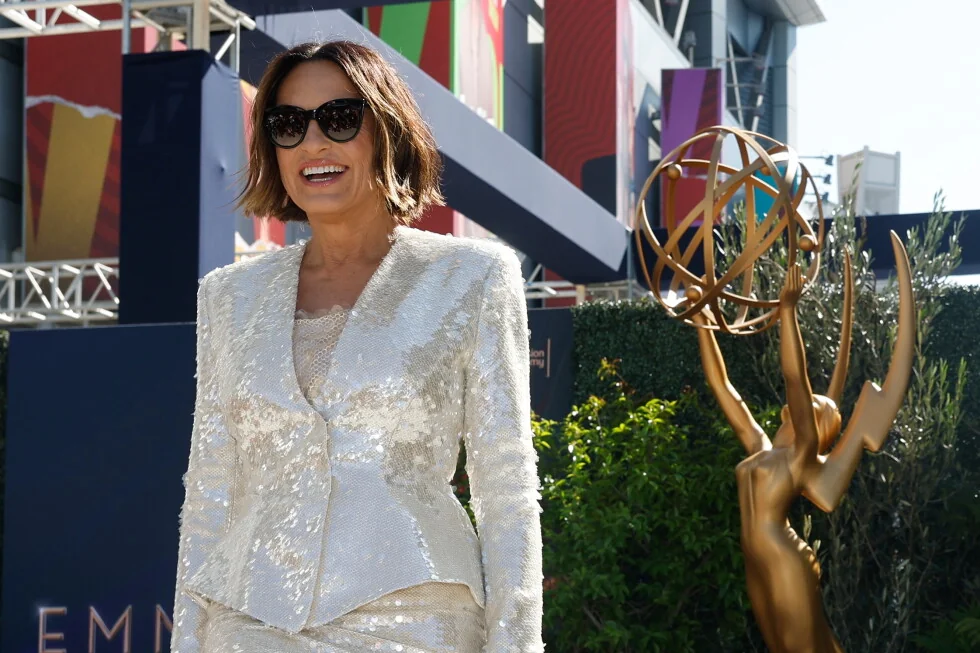
« The Pitt » vise une nouvelle victoire tandis que « Widow’s Bay » menace de réaliser un grand chelem épique aux Emmy Awards
‘The Pitt’ aims for a repeat win as ‘Widow’s Bay’ threatens an epic sweep at the Emmy Awards
« The Pitt » vise une nouvelle victoire tandis que « Widow’s Bay » menace de réaliser un grand chelem épique aux Emmy Awards
‘The Pitt’ aims for a repeat win as ‘Widow’s Bay’ threatens an epic sweep at the Emmy Awards
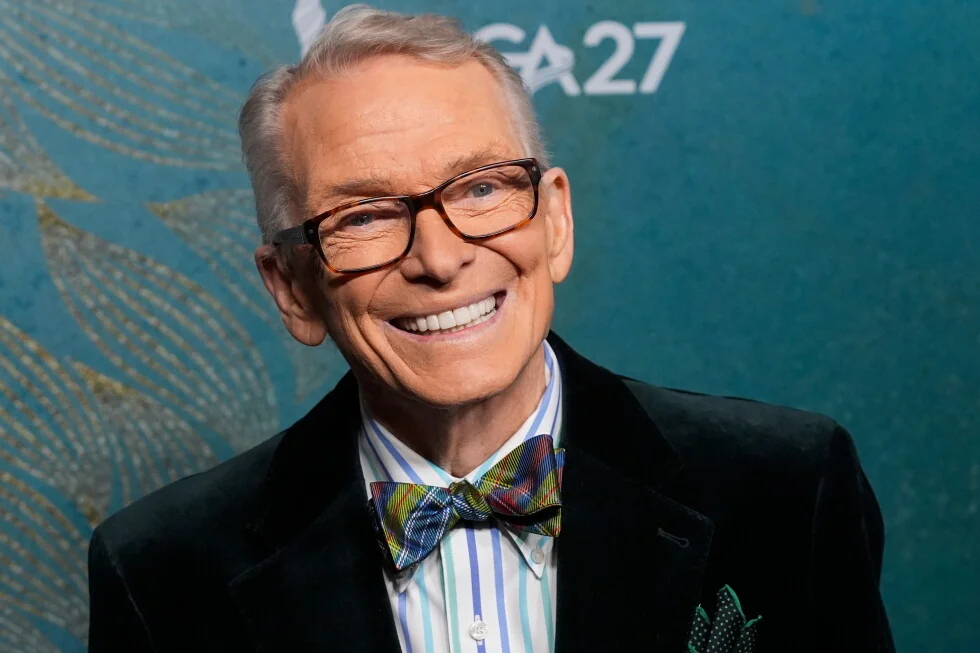
Bob Mackie, couturier des stars qui habillait Cher et Marilyn et a défini le glamour des années 70, est mort à 87 ans
Bob Mackie, designer to the stars who dressed Cher and Marilyn and defined ‘70s glamour, dies at 87
Bob Mackie, couturier des stars qui habillait Cher et Marilyn et a défini le glamour des années 70, est mort à 87 ans
Bob Mackie, designer to the stars who dressed Cher and Marilyn and defined ‘70s glamour, dies at 87

Critique de film : « Practical Magic 2 » aurait dû rester fidèle au grimoire original
Movie Review: ‘Practical Magic 2' ought to have remained faithful to the original spell book
Critique de film : « Practical Magic 2 » aurait dû rester fidèle au grimoire original
Movie Review: ‘Practical Magic 2' ought to have remained faithful to the original spell book
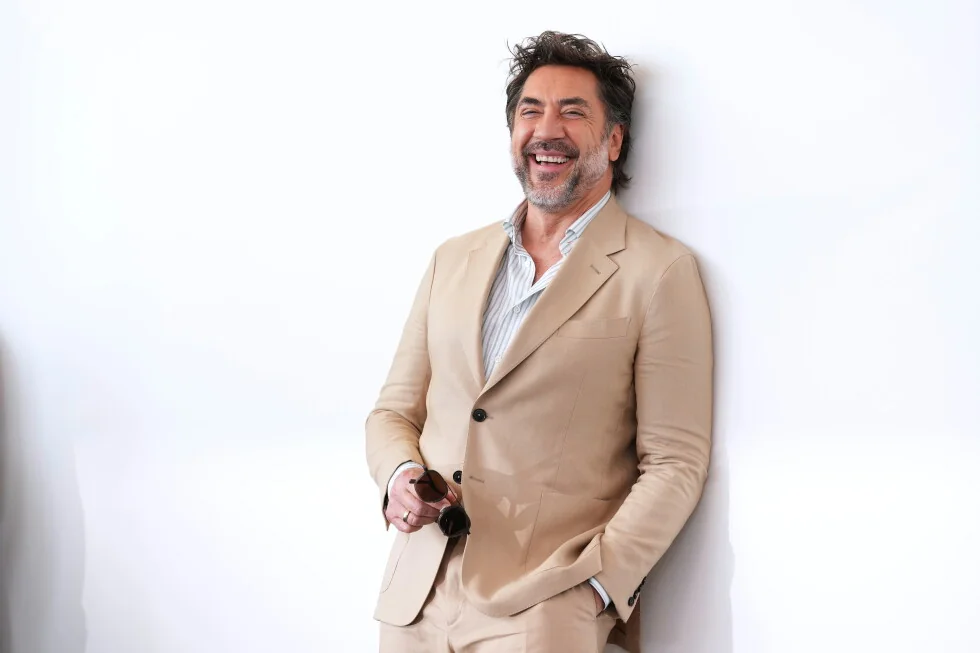
Un documentaire sur Elon Musk et un thriller avec Penélope Cruz et Javier Bardem en première à Venise
Elon Musk documentary and Penélope Cruz–Javier Bardem thriller premiere at Venice
Un documentaire sur Elon Musk et un thriller avec Penélope Cruz et Javier Bardem en première à Venise
Elon Musk documentary and Penélope Cruz–Javier Bardem thriller premiere at Venice
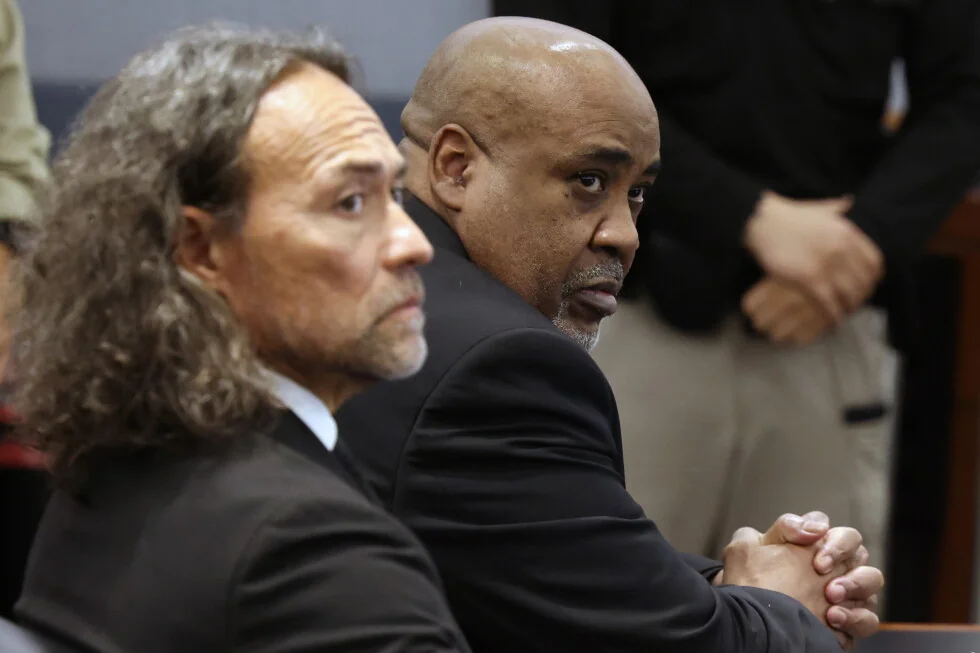
Un jury déclare un homme coupable de meurtre au premier degré dans le meurtre en 1996 du rappeur emblématique Tupac Shakur.
Jury convicts man of first-degree murder in 1996 slaying of rap icon Tupac Shakur
Un jury déclare un homme coupable de meurtre au premier degré dans le meurtre en 1996 du rappeur emblématique Tupac Shakur.
Jury convicts man of first-degree murder in 1996 slaying of rap icon Tupac Shakur