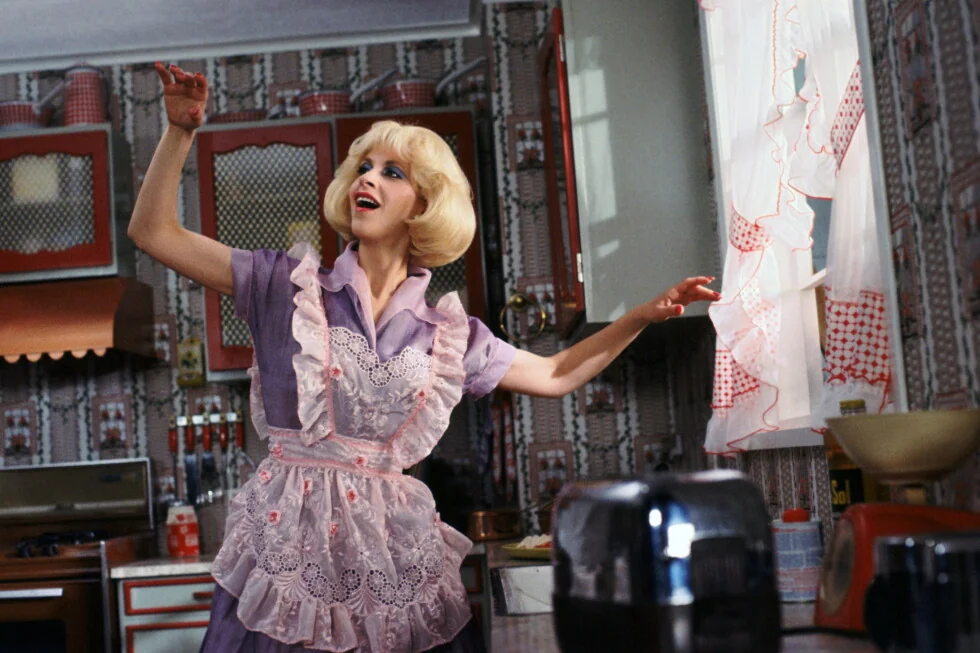
엘런 그린이 영화 개봉 40주년을 맞아 '리틀 샵 오브 호러스'의 오드리를 재조명하다
August 14th, 2026
엘런 그린이 영화 개봉 40주년을 맞아 '리틀 샵 오브 호러스'의 오드리를 재조명하다
🇰🇷 한국어
Ellen Greene retains the consummate artistry to render an Audrey that is nothing short of devastatingly captivating, a performance of such singular allure that it borders on the sublime.
In conversation, she seamlessly slips in and out of that singular voice — a little breathy, a little squeaky, a little lispy, a little New York — that made her “Little Shop of Horrors” heroine an instant icon.
It wasn’t a register she’d planned on hitting at the audition.
It just came out of her in the moment, and it stuck.
“I hadn’t given it any consideration,” Greene, 75, remarked during a recent conversation with Reporters.
“It was peculiar—frankly, I’m at a loss as to the provenance of half of that material.”
Throughout her extensive and distinguished career across both stage and screen, Audrey stands as perhaps Greene's quintessential role.
Her poignant yet comedic portrayal of a skid-row shopgirl captivated audiences, first captivating them off-Broadway in 1982, and subsequently in Frank Oz's 1986 film alongside Rick Moranis.
The perennially irresistible musical about that carnivorous flora never lingers too far in the rearview mirror.
Every few years, it seems, she is summoned for a triumphant return.
In 2015, she once again assumed the role for three consecutive sell-out performances, with Jake Gyllenhaal cast as Seymour.
Commencing this weekend, she will embark upon a nationwide tour spanning the ensuing several months, dedicated to screenings commemorating the 40th anniversary, traversing from Seattle (Aug. 18) to Atlanta (Nov. 13).
Performances of “Somewhere That’s Green” have likewise been pledged.
That aching ballad about yearning for more, apart from standing as one of the production's principal showstoppers, occupies a singularly cherished position in Greene's affections.
She recollects her initial encounter with it while queuing at the unemployment office, awaiting her benefit disbursement, and murmuring the lyrics softly to herself.
“I was acutely cognizant that an Audrey lay latent within me, awaiting her moment of emergence,” Greene remarked.
She bore that sensation into the audition, where composer Alan Menken spontaneously joined at the keyboard while lyricist Howard Ashman—already her intimate confidant—looked on.
Upon her conclusion, the entire room was moved to tears.
The acquisition of the role hardly constituted an immediate windfall either.
Upon commencing their engagement at the WPA Theatre in New York, her remuneration stood at a mere $50 per week, covering a month of rehearsals followed by two months of off-Broadway performances.
Yet the production proved to be a resounding success.
On one particular evening, Steve Martin—who would subsequently portray Audrey’s abusive dentist boyfriend in the cinematic adaptation—attended the performance in the company of Mary Tyler Moore.
Upon the stage, she delivered “Somewhere That’s Green” while perched atop a refuse receptacle.
For the cinematic adaptation, Ashman conceived the number to be choreographed in the manner of the Leslie Caron and Cyd Charisse sequences they both revered, wherein a character enters a room and is instantaneously transformed into an entirely different ensemble for the duration of the song.
One might reasonably assume that I would have been utterly overwhelmed and beside myself with elation upon receiving such a gift from him, she remarked.
Instead, I telephone him, and I am weeping profusely.
And I say to him, brace yourself for this, Where is my refuse receptacle?
Ashman, she said, merely laughed and reassured her that they would elicit the identical response once the camera pulls back to reveal she remains on skid row.
Ironically, this entire exchange transpired before she had even been formally cast in the film.
The production history of the film was protracted and fraught with vicissitudes; John Landis was initially slated to direct, followed briefly by Martin Scorsese, before the project ultimately found its way to Oz.
Greene’s involvement was likewise never assured, as producer David Geffen sought to secure a “bigger name,” such as Cyndi Lauper, for the screen.
"I never envisaged that I would ultimately secure the film," Greene remarked.
Yet it is difficult to conceive of any other performer delivering so singular a portrayal.
So profoundly did test audiences embrace her Audrey that they categorically rejected any conclusion in which she met her demise.
"I find that death scene profoundly compelling, personally," Greene remarked.
"Yet I harbored a suspicion, you see, because Frank directed the Audrey for the screen with a more heroine-like portrayal."
He had excised from the play such lines as “you don’t meet nice boys when you live on skid row,” she articulated in her characteristic Audrey-esque cadence.
She contends that this afforded her a somewhat distinct positioning.
Subsequently, toward the conclusion, there emerges the line “when I die, which should be very shortly.”
On the stage, she delivered it directly to the audience; in the cinematic rendition, however, she addresses it to Seymour, rendering the moment markedly more intimate and somber in tone.
Frank attributes it to our failure to take a bow, as one would in a theatrical performance, whereas I suspect the divergence stems from the line being susceptible to two distinct interpretations—one framing the situation as inherently absurd, in which case I am perfectly at ease, and the other rendering it as profoundly genuine and emotionally resonant, she remarked.
Oz ultimately capitulated, and they proceeded to shoot a more sanguine denouement.
Greene, for her part, now simply appreciates that both iterations coexist—the original preserved in a director’s cut.
Recalling *Little Shop* also serves as a means of commemorating Ashman, who succumbed to complications arising from AIDS in 1991.
Their bond was characterized by an abundance of laughter, song, and escapades; indeed, he was the one who introduced her to Paris on her inaugural visit.
“We retired to my quarters, and he drew a bath infused with aromatic bubbles, mindful of my fondness for such indulgence.
I immersed myself, and he presented me with Champagne and caviar, while the strains of Piaf filled the air,” she recounted.
“We maintained separate chambers, naturally, yet our proximity rendered that a mere formality—what could one do?
And hailing from the theatrical world, I am scarcely afflicted with prudishness.”
He also kept a watchful eye over her.
As they were drafting the contracts for the London staging of “Little Shop,” her sole preoccupation was securing the city’s inclusion.
What she did not realize was that Ashman had, unbeknownst to her, also allotted her half a point of the profits, “because I created Audrey,” she recounted.
“Such was the depth of his generosity and affection, and the magnitude of his love for me,” she reflected.
“The universal adoration for Audrey stems from the fact that we—I—cherished her before anyone else.
Likewise, the enduring acclaim for ‘Little Shop’ is a testament to the profound devotion we infused into it…
I remain profoundly grateful and deeply humbled, for in their affection for ‘Little Shop,’ they perpetuate its vitality and, in doing so, keep the spirit of Howard Ashman eternally alive.”
August 14th, 2026
Trending Articles
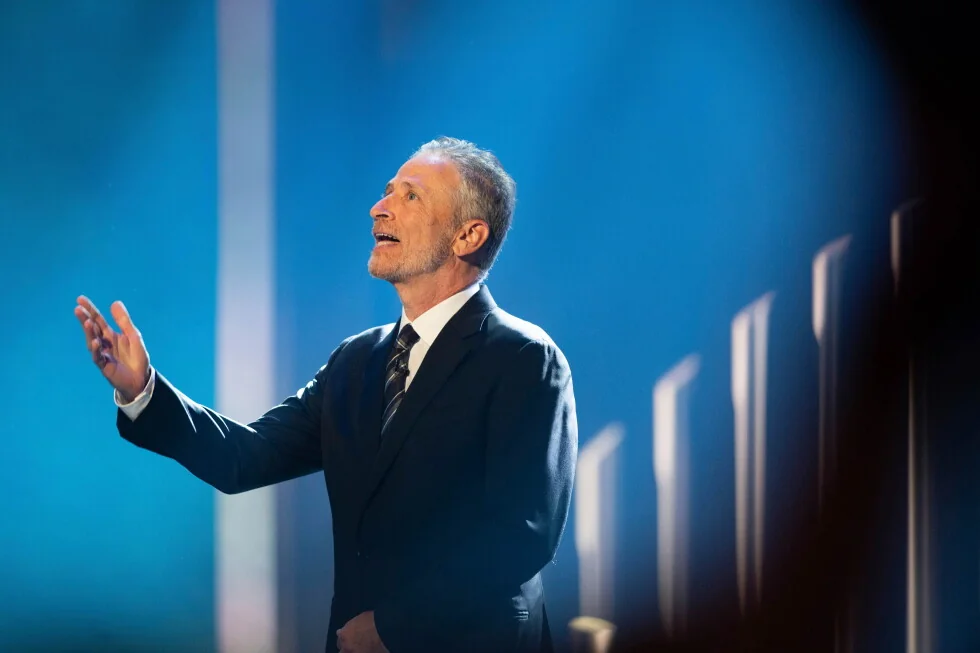
존 스튜어트가 응급 구조 요원들에 대한 자신의 지속적인 자선적 지원을 해명한다
Jon Stewart elucidates his sustained philanthropic backing of first responders
존 스튜어트가 응급 구조 요원들에 대한 자신의 지속적인 자선적 지원을 해명한다
Jon Stewart elucidates his sustained philanthropic backing of first responders
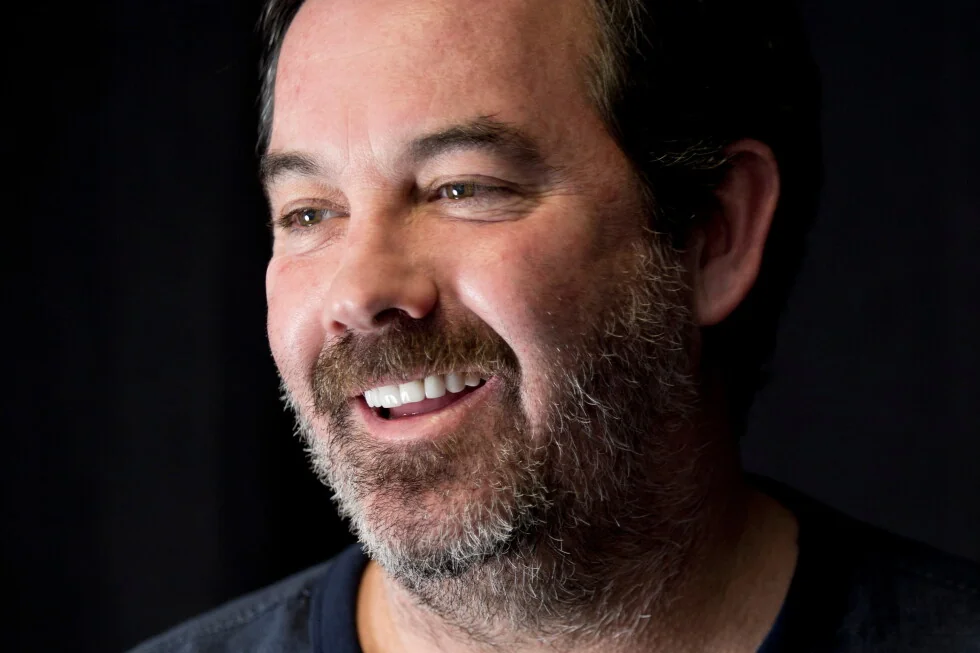
토니상과 그래미상을 수상한 ‘스프링 어웨이크닝’의 작곡가이자 팝 아이콘인 던컨 셰이크가 56세의 나이로 사망했다
Duncan Sheik, Tony- and Grammy-winning ‘Spring Awakening’ composer and pop icon, dies at 56
토니상과 그래미상을 수상한 ‘스프링 어웨이크닝’의 작곡가이자 팝 아이콘인 던컨 셰이크가 56세의 나이로 사망했다
Duncan Sheik, Tony- and Grammy-winning ‘Spring Awakening’ composer and pop icon, dies at 56

판사, 케네디 센터는 중대한 물리적 변경 전 30일 통지를 해야 한다고 판결
Kennedy Center Must Give 30 Days’ Notice Before Major Physical Changes, Judge Rules
판사, 케네디 센터는 중대한 물리적 변경 전 30일 통지를 해야 한다고 판결
Kennedy Center Must Give 30 Days’ Notice Before Major Physical Changes, Judge Rules
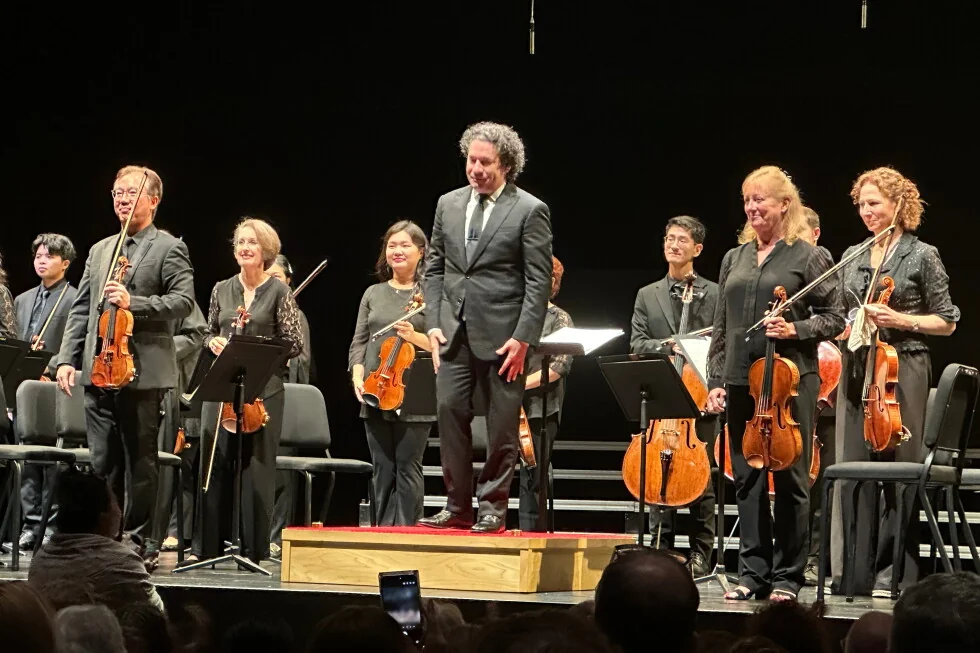
LA의 찬사에서 뉴욕으로: 구스타보 두다멜의 다음 악장
From LA Acclaim to New York: Gustavo Dudamel's Next Movement
LA의 찬사에서 뉴욕으로: 구스타보 두다멜의 다음 악장
From LA Acclaim to New York: Gustavo Dudamel's Next Movement
'더 피트'는 '위도우스 베이'가 에미상에서 대규모 석권을 위협하자 앙코르를 노린다
‘The Pitt’ seeks encore as ‘Widow’s Bay’ threatens an epic sweep at the Emmy Awards
'더 피트'는 '위도우스 베이'가 에미상에서 대규모 석권을 위협하자 앙코르를 노린다
‘The Pitt’ seeks encore as ‘Widow’s Bay’ threatens an epic sweep at the Emmy Awards
셰어와 메릴린을 치장하고 70년대 글래머의 정수를 보여준 스타들의 쿠튀리에, 밥 매키가 87세로 별세하다
Bob Mackie, couturier to the stars who garbed Cher and Marilyn and epitomized ’70s glamour, dies at 87
셰어와 메릴린을 치장하고 70년대 글래머의 정수를 보여준 스타들의 쿠튀리에, 밥 매키가 87세로 별세하다
Bob Mackie, couturier to the stars who garbed Cher and Marilyn and epitomized ’70s glamour, dies at 87

영화 리뷰: ‘프랙티컬 매직 2’는 원래의 주문서에 충실했어야 했다
Movie Review: ‘Practical Magic 2' ought to have remained faithful to the original spell book
영화 리뷰: ‘프랙티컬 매직 2’는 원래의 주문서에 충실했어야 했다
Movie Review: ‘Practical Magic 2' ought to have remained faithful to the original spell book
일론 머스크 다큐멘터리와 페넬로페 크루스-하비에르 바르뎀 스릴러가 베니스에서 초연된다.
Elon Musk documentary and Penélope Cruz–Javier Bardem thriller premiere at Venice
일론 머스크 다큐멘터리와 페넬로페 크루스-하비에르 바르뎀 스릴러가 베니스에서 초연된다.
Elon Musk documentary and Penélope Cruz–Javier Bardem thriller premiere at Venice
배심원단은 1996년 랩 아이콘 투팍 샤커 살해 사건에서 한 남성에게 1급 살인죄로 유죄 평결을 내렸다.
Jury convicts a man of first-degree murder in the 1996 slaying of rap icon Tupac Shakur
배심원단은 1996년 랩 아이콘 투팍 샤커 살해 사건에서 한 남성에게 1급 살인죄로 유죄 평결을 내렸다.
Jury convicts a man of first-degree murder in the 1996 slaying of rap icon Tupac Shakur
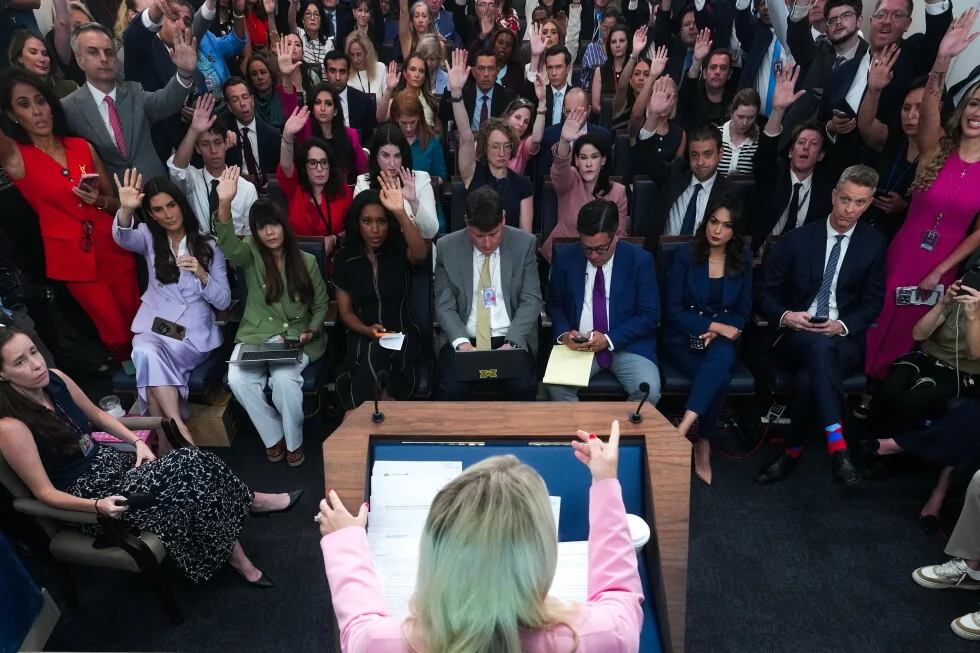
한 세기 동안 이어져 온 자발적 언론 윤리강령이 이제 편집자들에 의해 AI 시대에 맞춘 전면 개편을 맞이하고 있다.
A century of voluntary journalistic ethics codes faces an AI-era overhaul by editors.
한 세기 동안 이어져 온 자발적 언론 윤리강령이 이제 편집자들에 의해 AI 시대에 맞춘 전면 개편을 맞이하고 있다.
A century of voluntary journalistic ethics codes faces an AI-era overhaul by editors.