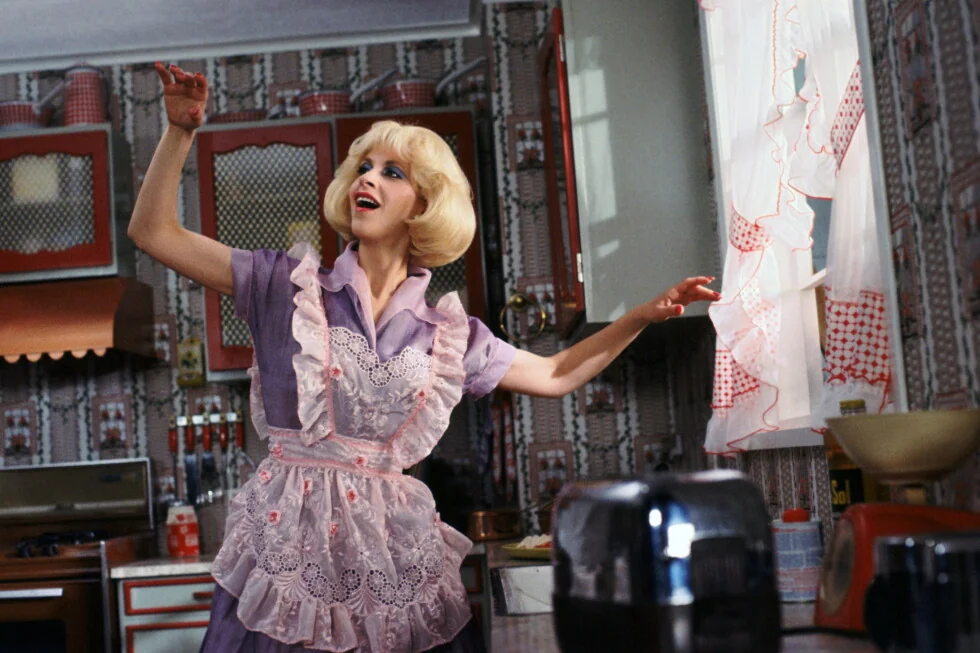
Ellen Greene revisits Audrey from ‘Little Shop of Horrors’ for the film’s 40th anniversary
August 14th, 2026
Ellen Greene revisits Audrey from ‘Little Shop of Horrors’ for the film’s 40th anniversary
🇺🇸 English
エレン・グリーンは、まさに圧倒的な魅力を放つオードリーを演じる完璧な芸術性を今なお保持しており、その類まれなる魅力は崇高の域に達するかのような演技である。
会話の最中、彼女はその特異な声——少しかすれて、少し甲高く、少し舌足らずで、少しニューヨーク訛り——を、寸分の隙もなく出したり引っ込めたりする。その声が、彼女の『リトル・ショップ・オブ・ホラーズ』のヒロインを瞬く間にアイコンへと押し上げたのだ。
それは、オーディションで意図して出そうとした声域では決してなかった。
それはただ、その瞬間に彼女の内側から自然と湧き出たものであり、そしてそのまま定着したのである。
「そんなことは考えたこともなかった」と、75歳のグリーンは最近の記者との対談で述べた。
「奇妙でしたね——率直に言って、あの素材の半分がどこから来たのか、私には皆目見当がつきません」
舞台とスクリーンの双方にわたる彼女の広範かつ卓越したキャリアを通じて、オードリーはおそらくグリーンの最も象徴的な役柄として屹立している。
貧困街の店員を描いた彼女の痛切でありながら喜劇的な演技は観客を魅了し、まず1982年にオフ・ブロードウェイで、その後フランク・オズの1986年の映画においてリック・モラニスと共演して、彼らを魅了したのである。
その肉食植物を題材にした、永遠に抗いがたい魅力を放つミュージカルは、決して記憶の彼方に消え去ることはない。
数年ごとに、彼女は凱旋帰還を果たすべく招集されるかのようだ。
2015年には、ジェイク・ギレンホールをシーモア役に迎え、彼女は再びその役を引き受け、完売続きの公演を三夜連続で務め上げた。
今週末より、彼女は40周年を記念した上映会に捧げる全国ツアーに乗り出し、シアトル(8月18日)からアトランタ(11月13日)までを巡る数ヶ月に及ぶ旅路に就く。
「サムホエア・ザッツ・グリーン」の演奏も同様に約束されている。
さらなるものを希求するその痛切なバラードは、作品の主要な見せ場の一つであるばかりか、グリーンの心中において格別に愛惜される位置を占めている。
彼女は、失業給付の支給を待つために失業局に列をなし、そっと歌詞を口ずさみながら、この曲との最初の出会いを追憶する。
「私の中にオードリーが潜んでいて、彼女が出現する瞬間を待っていることを痛感していた」とグリーンは述懐した。
彼女はその感覚を胸にオーディションへ臨み、作曲家アラン・メンケンが即興で鍵盤に加わり、詞作家ハワード・アシュマン——すでに彼女の親密な腹心——が見守る中で歌唱した。
彼女が歌い終えるや、室内の全員が感極まって涙した。
その役の獲得は、即座の棚ぼた的利益とはほど遠いものであった。
ニューヨークのWPAシアターでの公演が始まった際、彼女の報酬は週わずか50ドルで、1ヶ月のリハーサルとそれに続く2ヶ月のオフ・ブロードウェイ公演を賄うものであった。
しかしながら、その公演は鳴り物入りの大成功を収めることとなった。
ある特定の夜、映画化作品においてオードリーの虐待的な歯科医の恋人を後に演じることになるスティーヴ・マーティンが、メアリー・タイラー・ムーアを伴ってその公演に足を運んだ。
舞台上で彼女は、ごみ箱の上に腰掛けたまま「サムホエア・ザッツ・グリーン」を披露した。
映画化に際して、アシュマンは、二人がともに敬愛していたレスリー・キャロンやシド・シャリースのシークエンスの様式でこの曲を振付ける構想を練った。すなわち、登場人物が部屋に入ると、曲の間じゅう、瞬時にまったく別の衣装へと変貌するという趣向である。
彼からそのような贈り物をいただいたなら、私はすっかり圧倒され、歓喜のあまり我を忘れていただろうと、誰もが当然のように推測するかもしれない、と彼女は述懐した。
ところが実際には、私は彼に電話をかけ、涙が止まらずに泣きじゃくっていたのだ。
そして私は彼にこう言うのだ、覚悟して聞いてほしい、私のゴミ箱はどこにあるの?
彼女が語るところによれば、アシュマンはただ笑い、カメラが引いて彼女が依然として貧民街にいることが明らかになれば、同じ反応を引き起こすだろうと彼女を安心させたという。
皮肉なことに、この一連のやり取りはすべて、彼女が正式に映画に起用される前に起こったのである。
本作の製作史は長期にわたり、数多の変転に満ちていた。当初はジョン・ランディスが監督に予定され、その後一時的にマーティン・スコセッシが名を連ねたものの、最終的に本プロジェクトはオズの手に委ねられることとなった。
グリーンの起用もまた、決して確約されたものではなかった。プロデューサーのデヴィッド・ゲフィンが、スクリーン向けにより「知名度の高い」人物、例えばシンディ・ローパーといった人選を模索していたからである。
「最終的にこの映画の役を獲得するとは、思いもよりませんでした」とグリーンは述懐した。
しかしながら、これほど特異な演技を他のいかなる俳優が披露し得たかと想像することは、至難の業である。
試写会の観客は彼女のオードリーをかくも深く受け入れたがゆえに、彼女が死を迎えるいかなる結末も断固として拒絶したのである。
「個人的には、あの死の場面は深く心を打たれるものだと思う」とグリーンは述べた。
「だが、私は疑念を抱いていたのだ。というのも、フランクはスクリーン向けにオードリーを、よりヒロインらしい描写で演出していたからだ。」
彼は戯曲から「スキッド・ロウに住んでいれば、良い男に出会えるはずがない」といった台詞を削除していた、と彼女は特徴的なオードリー風の抑揚で語った。
彼女は、これによって自身がやや特異な位置づけを得たと主張する。
その後、結末に近づくにつれ、「私が死ぬ時、それは間もなくであろう」という台詞が現れる。
舞台では、彼女はそれを観客に直接向けて発したが、映画版ではシーモアに向けて語りかけ、その瞬間を著しく親密で陰鬱な趣に変えている。
フランクは、それを劇場公演で行うようにお辞儀をしなかった私たちの失敗に帰しているが、私はその相違は、その台詞が本質的に不条理な状況として捉える解釈—その場合には私はまったく気楽である—と、深く真摯で感情的に共鳴するものとして描く解釈という、二つの異なる解釈を受け入れる余地があることに起因すると考えている、と彼女は述べた。
オズは結局折れ、彼らはより楽観的な結末を撮影することに踏み切った。
グリーンはその身として、今や両方の版が共存していることを単純に評価している——オリジナルはディレクターズ・カットに保存されているのだ。
『リトル・ショップ』を回想することは、1991年にエイズ由来の合併症でこの世を去ったアシュマンを追悼する手段としても機能する。
二人の絆は、笑い、歌、そして冒険に満ち溢れていた。実際、彼こそが彼女を初めてのパリ訪問に導いた人物だったのだ。
「私たちは私の私室に引き上げ、彼は私がそんな贅沢を好むことを心得て、香り豊かな泡を張った風呂を用意してくれた。
私が湯に浸かると、彼はシャンパンとキャヴィアを差し出し、その間ピアフの調べが空気に満ちていた」と彼女は回顧した。
「私たちは無論、別々の部屋を保っていたが、その近さゆえにそれは単なる形式に過ぎなかった——どうしようもないではないか?
そして演劇界の出身である私が、貞淑さに悩まされることなどほとんどないのだ。」
彼はまた、彼女のことを常に気にかけていた。
ロンドン公演『リトル・ショップ・オブ・ホラーズ』の契約書を起草している間、彼女の唯一の関心事は、その都市が含まれることを確保することだった。
彼女が気づかなかったのは、アシュマンが彼女に知らせることなく、利益の0.5ポイントも彼女に割り当てていたことであり、「なぜなら私がオードリーを創造したからだ」と彼女は語った。
「彼の寛容さと愛情の深さ、そして私への愛の大きさは、まさにそのようなものでした」と彼女は回想した。
「オードリーへの普遍的な崇拝は、私たち—いや、私—が誰よりも先に彼女を大切にしていたという事実に由来しています。
同様に、『リトル・ショップ』への永続的な称賛は、私たちがそこに注ぎ込んだ深遠な献身の証です…
私は深く感謝し、また深く謙虚な気持ちでおります。なぜなら、彼らが『リトル・ショップ』に寄せる愛情によって、その生命力を永続させ、そうすることでハワード・アシュマンの精神を永遠に生かし続けているからです。」
August 14th, 2026
Trending Articles
John Stewart discusses his ongoing philanthropic support for first responders
ジョン・スチュワート、ファーストレスポンダーへの継続的慈善支援を語る
John Stewart discusses his ongoing philanthropic support for first responders
ジョン・スチュワート、ファーストレスポンダーへの継続的慈善支援を語る
Duncan Sheik, the Tony and Grammy Award-winning composer and pop star of "Spring Awakening," dies at 56
ダンカン・シーク、『春のめざめ』でトニー賞&グラミー賞を受賞した作曲家兼ポップスター、56歳で逝去
Duncan Sheik, the Tony and Grammy Award-winning composer and pop star of "Spring Awakening," dies at 56
ダンカン・シーク、『春のめざめ』でトニー賞&グラミー賞を受賞した作曲家兼ポップスター、56歳で逝去
The judge ordered 30 days' notice prior to major physical alterations to the Kennedy Center.
判事、ケネディセンターの大規模物理改変に先立ち30日前通知を命令
The judge ordered 30 days' notice prior to major physical alterations to the Kennedy Center.
判事、ケネディセンターの大規模物理改変に先立ち30日前通知を命令
After LA acclaim, Gustavo Dudamel takes on New York
After LA acclaim, Gustavo Dudamel takes on New York
After LA acclaim, Gustavo Dudamel takes on New York
After LA acclaim, Gustavo Dudamel takes on New York

'The Pit' Poised for Back-to-Back Wins; 'Widows' Bay' May Cause a Stir at the Emmys
『ザ・ピット』、連覇へ;『ウィドウズ・ベイ』、エミー賞で大波紋か
'The Pit' Poised for Back-to-Back Wins; 'Widows' Bay' May Cause a Stir at the Emmys
『ザ・ピット』、連覇へ;『ウィドウズ・ベイ』、エミー賞で大波紋か

Bob Mackie Dies at 87: The Designer Who Defined '70s Glamour with Costumes for Cher and Marilyn
ボブ・マッキー死去、87歳:シェールとマリリンの衣装で70年代のグラマーを定義したデザイナー
Bob Mackie Dies at 87: The Designer Who Defined '70s Glamour with Costumes for Cher and Marilyn
ボブ・マッキー死去、87歳:シェールとマリリンの衣装で70年代のグラマーを定義したデザイナー

Film Review: "Practical Magic 2" Should Have Remained in the Original Spellbook
映画レビュー:「プラクティカル・マジック2」はオリジナルの呪文書に留まるべきだった
Film Review: "Practical Magic 2" Should Have Remained in the Original Spellbook
映画レビュー:「プラクティカル・マジック2」はオリジナルの呪文書に留まるべきだった

Thieves steal four Renoir works from a French museum; two remain unaccounted for.
Thieves steal four Renoir works from a French museum; two remain unaccounted for.
Thieves steal four Renoir works from a French museum; two remain unaccounted for.
Thieves steal four Renoir works from a French museum; two remain unaccounted for.

Elon Musk Documentary and Penélope Cruz–Javier Bardem Thriller Premiere at Venice
Elon Musk Documentary and Penélope Cruz–Javier Bardem Thriller Premiere at Venice
Elon Musk Documentary and Penélope Cruz–Javier Bardem Thriller Premiere at Venice
Elon Musk Documentary and Penélope Cruz–Javier Bardem Thriller Premiere at Venice

Jury convicts man of first-degree murder in 1996 slaying of rap icon Tupac Shakur
Jury convicts man of first-degree murder in 1996 slaying of rap icon Tupac Shakur
Jury convicts man of first-degree murder in 1996 slaying of rap icon Tupac Shakur
Jury convicts man of first-degree murder in 1996 slaying of rap icon Tupac Shakur