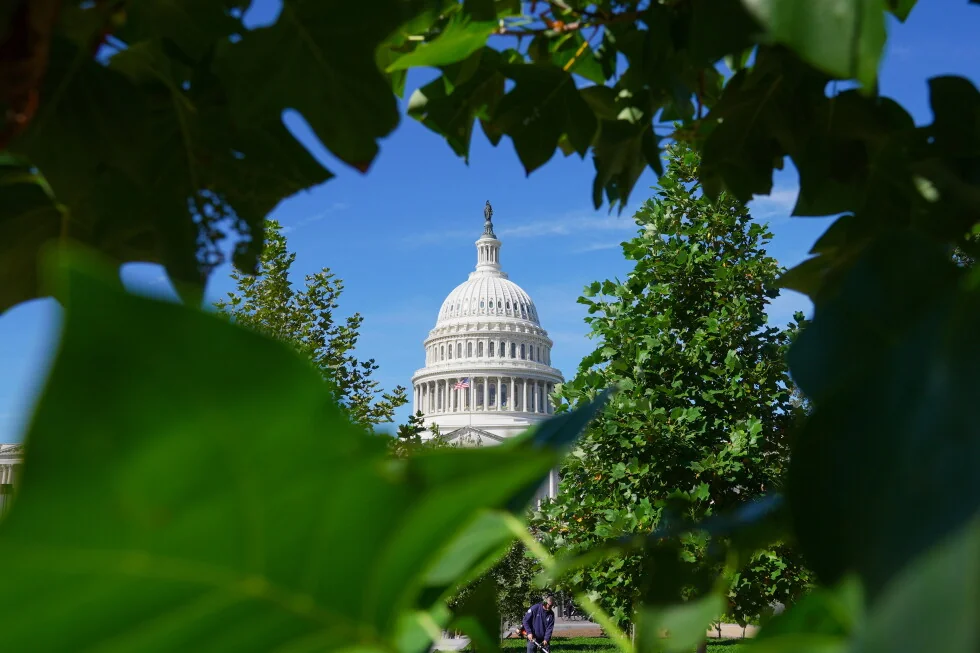
参议院就加速新能源项目审批的许可法案达成两党协议
September 30th, 2026
参议院就加速新能源项目审批的许可法案达成两党协议
🇨🇳 中文
Senators from both parties said Wednesday they had reached a bipartisan deal on legislation aimed at speeding up permitting reviews for new energy and infrastructure projects, which now face yearslong delays, as lawmakers seek to meet growing demand for electricity and other forms of energy.
Proponents contend that the bill would shorten the arduous timeline for launching major energy projects, at a time when demand is rising due to mushrooming data centers for AI.
The bill would ensure that data centers are compelled to pay for the increased electricity they use, and it would mark a significant change to a landmark environmental law that critics say slows down the process of building energy projects.
Republican Sen. Shelley Moore Capito of West Virginia, chair of the Environment and Public Works Committee, called the bill “a major step toward making it faster and more efficient and easier to build infrastructure projects” of all types while maintaining important environmental protections.
“The American people dispatched us here to accomplish big things.
This is a big thing.
It’s monumental and it’s legacy-setting,” Capito said at a news conference at the Capitol where she was joined by Republican Sen. Mike Lee of Utah and Democratic Sens. Martin Heinrich of New Mexico and Sheldon Whitehouse of Rhode Island.
The four senators lead the chamber’s energy and environment panels.
Heinrich stated that the bill “will mean more energy on the grid, more good-paying jobs, and lower electricity costs for families and businesses.
And as data centers drive demand for more power, it will ensure they pay their fair share of the grid upgrades they require – not leave that bill to American families.”
A vote on the bill will not occur until after the midterm elections — a reflection of the fraught political reality, as elections that could shift partisan control of both chambers approach.
Yet the bill represents a rare instance of bipartisanship on the country's energy policy, as lawmakers from both parties agree on the need to build new energy projects of all types.
Lee, who chairs the energy committee, said he is confident the bill will be approved in a lame-duck session in November, noting its bipartisan support and encouragement from business and environmental groups.
This website is safeguarded by reCAPTCHA, and the Google Privacy Policy and Terms of Service are applicable.
Whitehouse, the top Democrat on the environment panel, was also hopeful, though he said Democrats were still seeking clarity on how the bill would prevent President Donald Trump's administration from blocking wind and solar projects.
He and Heinrich, the top Democrat on energy, have decried what they call Trump's "reckless and vindictive assault on wind energy," which includes repeated actions to block large-scale wind projects under construction off the East Coast.
In December, the administration suspended five offshore wind projects, citing unspecified national security concerns.
The projects subsequently advanced following intervention by federal judges.
A federal judge likewise invalidated Trump’s executive order obstructing wind energy projects early in his second term.
The White House refrained from issuing an immediate response to a request for comment regarding the permitting bill.
Trump's opposition to wind power has consistently hindered a deal on permitting reform, which Democrats say can only move forward if the administration agrees to let previously approved projects proceed.
Trump recently offered to ease his administration's hold on renewable energy projects, partly to persuade Democrats to agree to a permitting deal.
The White House characterized the proposal as reasonable while maintaining that the broader issue remains “unresolved.”
Capito was confident that such obstacles could be surmounted.
Both parties acknowledge that for far too long, “America has had a permitting system filled with delays, expenses, red tape, uncertainty,’' she said.
“Too long, too expensive.
And we’ve seen projects that should be finished more quickly (take) decades” to complete.
The Senate bill would restrict legal challenges under the National Environmental Policy Act, a fundamental environmental law that requires federal agencies to consider a project's possible environmental impacts before it is approved.
The law has increasingly been blamed for delaying projects of all types.
Challenges brought under the National Historic Preservation Act would likewise be curtailed.
The legislation safeguards Native American cultural treasures, along with other significant artifacts.
The bill would streamline the siting of interstate transmission lines and reinforce the Federal Energy Regulatory Commission's authority to review major projects in parallel with state reviews, thereby helping needed projects move through the overall permitting process more quickly.
The bill would also require data centers to cover all associated transmission costs, so that these expenses cannot be passed on to families or businesses.
September 30th, 2026
Trending Articles
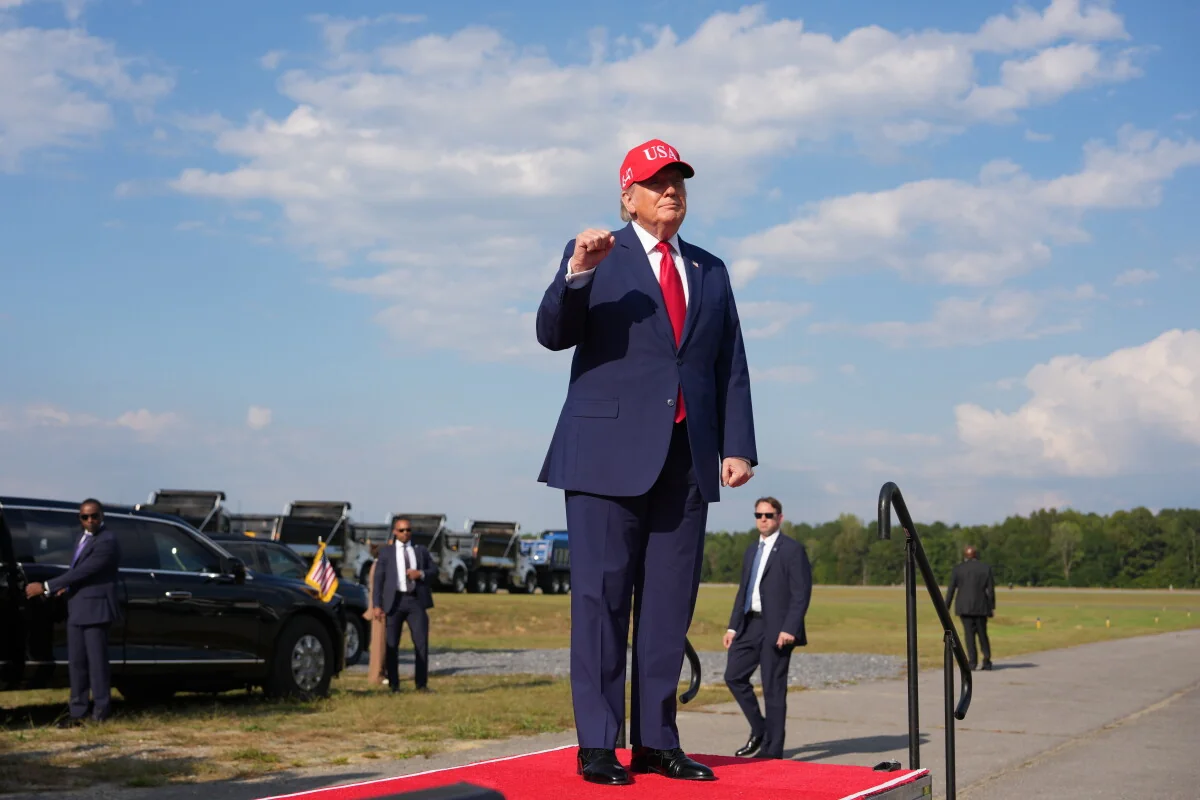
共和党依赖农民的选票;特朗普前往堪萨斯州之际,高昂的收成成本引发担忧
GOP Relies on Farmers' Votes; Costly Harvest Raises Concerns as Trump Heads to Kansas
共和党依赖农民的选票;特朗普前往堪萨斯州之际,高昂的收成成本引发担忧
GOP Relies on Farmers' Votes; Costly Harvest Raises Concerns as Trump Heads to Kansas
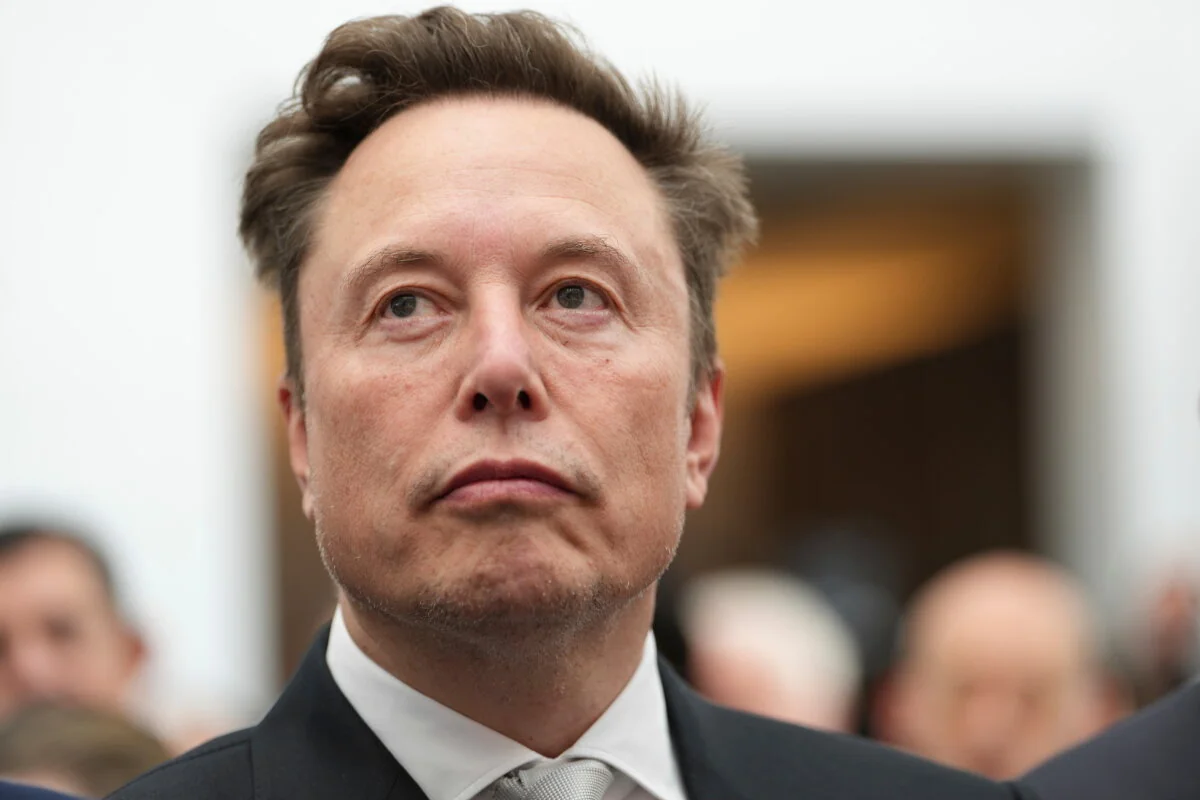
马斯克承诺将SpaceX的一部分股份送给“美国每一个孩子”
Musk pledges to give a share of SpaceX to ‘every kid in America’
马斯克承诺将SpaceX的一部分股份送给“美国每一个孩子”
Musk pledges to give a share of SpaceX to ‘every kid in America’

中国经济在7月至9月这一季度增长势头增强,主要受强劲出口的推动。
China’s economy gained momentum in the July-September quarter, driven by robust exports
中国经济在7月至9月这一季度增长势头增强,主要受强劲出口的推动。
China’s economy gained momentum in the July-September quarter, driven by robust exports
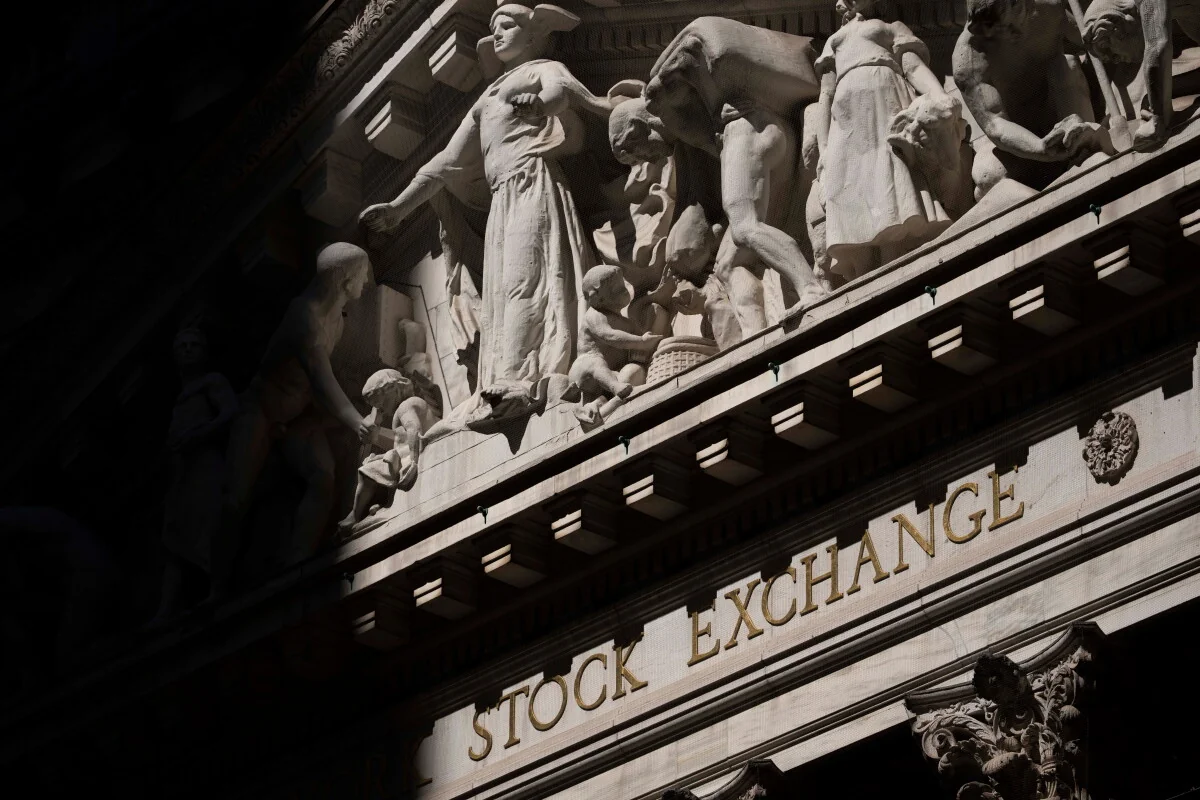
AI股票推动华尔街反弹,欧洲市场则在抗议中下跌
AI stocks drive Wall Street rebound as European markets fall amid protests
AI股票推动华尔街反弹,欧洲市场则在抗议中下跌
AI stocks drive Wall Street rebound as European markets fall amid protests
美国股市在华尔街涨跌互现的交易中徘徊于历史高点附近
US stocks linger near record highs amid mixed Wall Street trading
美国股市在华尔街涨跌互现的交易中徘徊于历史高点附近
US stocks linger near record highs amid mixed Wall Street trading

从“解放双手”到“解放双眼”:通用汽车基于仿真的自动驾驶之路
From ‘hands-free’ to ‘eyes-off’: General Motors’ simulation-based path to autonomous driving
从“解放双手”到“解放双眼”:通用汽车基于仿真的自动驾驶之路
From ‘hands-free’ to ‘eyes-off’: General Motors’ simulation-based path to autonomous driving
欧盟就无人机和导弹零部件问题对近1600名俄罗斯人和企业实施制裁
EU sanctions almost 1,600 Russians and companies over drone and missile components
欧盟就无人机和导弹零部件问题对近1600名俄罗斯人和企业实施制裁
EU sanctions almost 1,600 Russians and companies over drone and missile components
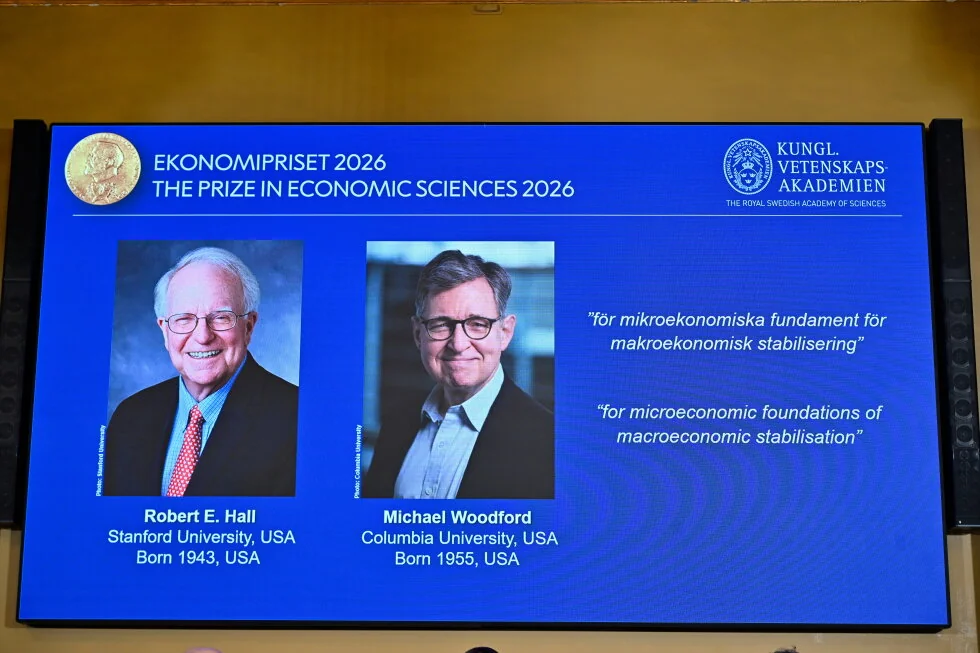
两名美国经济学家因经济冲击管理研究获诺贝尔奖
Two American economists awarded Nobel Prize for research on economic shock management
两名美国经济学家因经济冲击管理研究获诺贝尔奖
Two American economists awarded Nobel Prize for research on economic shock management
华尔街在令人鼓舞的通胀数据更新后有望迎来胜利的九月
Wall Street Nears Winning September After Encouraging Inflation Update
华尔街在令人鼓舞的通胀数据更新后有望迎来胜利的九月
Wall Street Nears Winning September After Encouraging Inflation Update
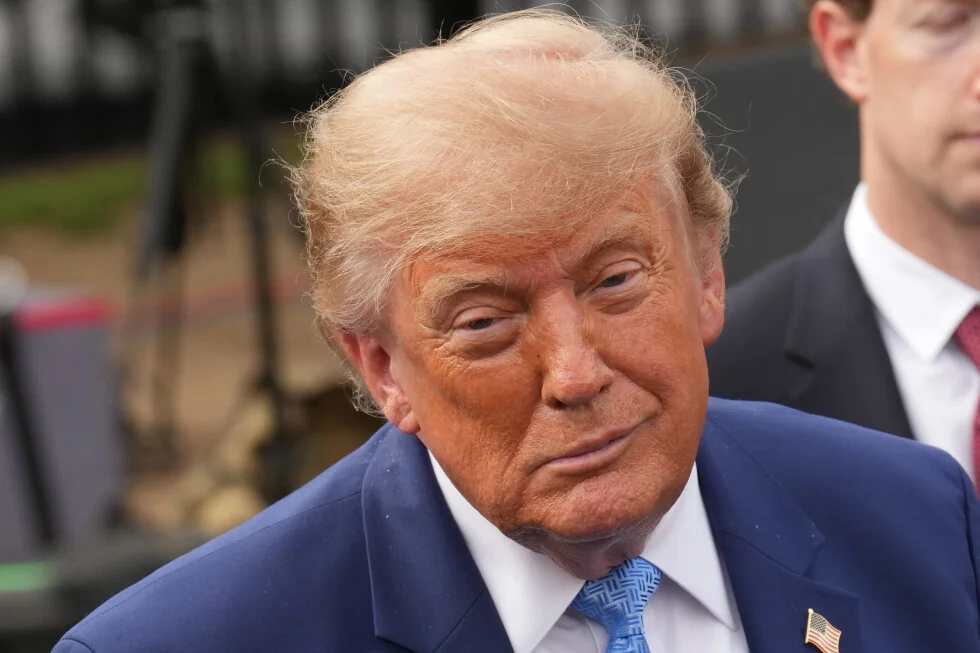
特朗普将在阿拉斯加公布韩国540亿美元的投资,而该州参议院选情胶着
Trump to unveil $54 billion in South Korean investment in Alaska, where a Senate race is tight
特朗普将在阿拉斯加公布韩国540亿美元的投资,而该州参议院选情胶着
Trump to unveil $54 billion in South Korean investment in Alaska, where a Senate race is tight