
US diesel prices surpass $6 per gallon, exacerbating the burden of transporting everyday goods
September 11th, 2026
US diesel prices surpass $6 per gallon, exacerbating the burden of transporting everyday goods
🇺🇸 English
미국 디젤 가격이 금요일 또다시 사상 최고치를 경신하며 갤런당 평균 6달러를 상회하였다.
이는 워싱턴의 대이란 전쟁이 세계 연료 유통을 교란시킨 데 따른 귀결이다.
자동차 협회 AAA의 집계에 따르면, 전국 평균 가격은 지난주 5.85달러와 전년 동기 약 3.71달러로부터 상승하여 거의 6.06달러에 달한 것으로 나타났다.
디젤 가격의 상승은 필연적으로 수많은 일상용품의 운송 비용 증가를 초래하는바, 이는 디젤이 다수의 화물 및 배송 네트워크 전반에 걸쳐 광범위하게 활용되고 있기 때문이다.
일부 기업들은 이미 온라인 주문 및 우편 소포에 추가 요금을 부과함으로써 인상된 비용을 소비자에게 전가하는 양상을 보이고 있다.
소비자들은 특히 식료품 코너에서 한층 더 극심한 가격 충격을 체감할 수밖에 없다.
육류와 농산물을 비롯한 신선식품은 빈번한 운송과 재입고를 요하거나 연료로 구동되는 농기계를 통해 수확되어야 하는 까닭에, 값비싼 디젤 가격이 초래하는 가장 즉각적인 부담을 고스란히 떠안게 된다.
이러한 비용이 소비자에게 전가되기까지는 상당한 시일이 소요될 수 있다.
그러나 디젤 가격의 급등세는 당분간 수그러들 기미를 보이지 않는다.
디젤 및 일반 휘발유의 주유소 소매 가격은 원유 가격의 변동을 긴밀히 추종하는 경향이 있다.
금요일 기준 미국 내 일반 휘발유 평균 가격은 거의 4.30달러에 육박했다.
그런데 최근 유가는 재차 상승 국면에 접어들었다.
이번 주 미국과 이란 간의 무력 충돌이 재격화되면서, 국제 벤치마크인 브렌트유와 미국산 원유 모두 수개월 만에 처음으로 배럴당 100달러 선을 상회했다.
그동안 정치적 파장이 증폭될 여지가 있다.
자신이 공동으로 개시한 전쟁의 여파를 축소하려 애써온 도널드 트럼프 대통령은 유가가 11월 중간선거가 지난 뒤에나 하락할 것이라고 언명했다.
미국 디젤 가격은 미국과 이스라엘이 지난 2월 말 이란을 공격하기 이전 대비 현재 60% 이상 상승한 상태이다.
당시 AAA 기준 전국 평균가는 갤런당 약 3.76달러에 달했다.
중동 전역에서 공급망 교란이 심화됨에 따라 디젤과 휘발유 등 정제 연료의 주원료인 원유 가격이 급등하면서 가격은 빠르게 치솟았다.
특히 대부분의 유조선 통행이 핵심 요충지인 호르무즈 해협에서 병목 현상을 빚었다.
비록 초여름의 평화에 대한 기대가 일부 존재하였음에도 불구하고, 전투가 재차 격화됨에 따라 유가는 상승 국면을 재개하였다.
게다가 공급 차질이 더욱 누적되고 있는 실정이다.
국제에너지기구(IEA)는 금요일, 사우디의 원유 생산량이 후티 반군의 에너지 시설 공격으로 인해 지난달 30년 이래 최저치로 급감하였다고 보고하였다.
또한 IEA는 금요일, 우크라이나 전쟁으로 인해 중동에서 발생한 손실이 증폭되었다고 지적했다.
우크라이나의 강력한 공격으로 촉발된 러시아 정제 시스템의 차질로 인해 제품 수출이 사실상 중단되었다.
인플레이션을 감안할 때, 과거에 연료 가격이 더 높았던 시기가 존재한 바 있다.
예컨대 2008년 금융 위기 직전 디젤 가격은 갤런당 약 4.74달러였으며, 이는 정부의 최신 데이터에 의거할 때 2026년 기준 7.20달러에 상응한다.
나아가 러시아의 우크라이나 침공이 있은 지 불과 수개월 후에 도달한 2022년의 당시 기록인 약 5.82달러는 인플레이션을 감안하면 올해 약 6.56달러로 환산된다.
그렇다고 해서 오늘날의 급등한 가격이 초래하는 고통이 소멸하는 것은 결코 아니다.
이는 이미 경제 전반과 총체적인 생활비에 파급 효과를 초래하고 있으며, 운전자들 역시 휘발유 가격에서 그 고통을 체감하고 있다.
금요일 기준 일반 무연 휘발유의 갤런당 평균 가격 4.29달러는 이란 전쟁 발발 이전의 2.98달러로부터 상승한 수치이기는 하나, 2022년 전국 최고치였던 갤런당 약 5.02달러에는 여전히 미치지 못하고 있다.
디젤은 미국에서 수십 년간 휘발유보다 높은 가격을 유지해 왔으며, 그 가격 상승 속도는 이전 어느 때보다도 가파른 양상을 보인 바 있다.
이러한 현상의 일부 원인으로는 수요의 비탄력성과 세계 상거래 전반에서 디젤이 점하는 위상이 작용한다.
예컨대 개별 가구의 경우 휘발유 가격이 급등하면 운전을 줄일 방안을 모색할 수 있으나, 전 세계적으로 상품을 운송하기 위해 디젤에 의존하는 네트워크에는 즉각적으로 활용 가능한 대체재가 거의 존재하지 않는다.
디젤은 식품 공급망 전반에 걸쳐 불가결한 요소로서, 농기계와 어선은 물론 식료품점으로 향하는 기차와 트럭에 이르기까지 동력을 공급한다.
전 세계 7,500개 슈퍼마켓 그룹인 독립 식료품 연합(Independent Grocers Alliance)에 따르면, 연료비는 식료품 총지출의 약 15~30%를 점유한다.
따라서 디젤 비용의 상승은 빈번히 식료품 가격의 인상으로 귀결되나, 에너지 충격이 공급망 전반에 걸쳐 파급 효과를 발휘하기까지는 상당한 시차가 발생할 수 있다.
미시간 주립대의 식품 경제 및 정책 교수인 데이비드 오르테가에 의하면, 운송 과정에서 냉장 보관을 요하는 품목들이 가격 상승을 가장 선행적으로 겪는 경향이 있다.
일례로 7월 미국의 전체 식료품 가격은 전년 동기 대비 2.7% 상승한 반면, 해산물 가격은 7%, 신선 과일 가격은 4.9% 상승했다.
오르테가는 여타 요인들 역시 작용할 가능성을 배제할 수 없다고 경고했다.
상추 또한 7월에 한층 더 높은 운송 비용에 직면하였으나, 사이클로스포라 발병으로 초래된 수요 감소가 가격을 하락시켰다.
그럼에도 불구하고, 디젤 가격이 고공행진을 지속할수록 소비자들이 체감하는 부담은 한층 가중될 수밖에 없다.
오르테가는 지난주 “초기에는 비용 증가의 상당 부분이 기존 운송 계약과 소매업체 마진을 통해 공급망 전반에 흡수된다”며 “그러나 계약이 재가격 책정되고 연료 할증료가 적용되면서 그 비용의 더 많은 부분이 식료품점으로 이어진다”고 설명했다.
지난 4월, 전자상거래의 거대 기업인 아마존은 일부 제3자 판매업체들을 대상으로 3.5%의 한시적 연료 및 물류 할증료를 도입하였다.
UPS, FedEx, 그리고 미국 우정청 역시 전쟁 발발 초기에 전반적인 연료 비용 상승을 근거로 일부 배송 패키지에 추가 요금을 부과하였다.
전문가들은 디젤 가격이 고공행진을 지속할수록 가격 인상이 누적될 가능성이 있다고 경고한다.
의류, 화장품, 가구를 비롯한 다양한 여타 제품 역시 디젤 동력 네트워크를 통해 운송된다.
그 파급 효과는 소비재의 범주를 초월한다.
일부 대중교통 버스와 기차마저 디젤로 운행되며, 디젤 발전기는 세계 일부 외딴 지역에서 중앙 전력원이 부재한 상황에서조차 백업 또는 비상 전력으로 빈번히 활용된다.
전문가들은 특히 중동 수입에 대한 의존도가 더욱 높고 이미 에너지 충격으로 가장 극심한 타격을 입은 아프리카와 아시아 국가들에서 그 여파가 계속해서 심화될 수 있다고 경고한다.
글로벌 페트롤 프라이시스(Global Petrol Prices)의 최신 데이터에 의거할 때, 나이지리아의 디젤 가격은 2월 말 이래 90% 이상 폭등하였으며, 인도네시아가 약 87%, 레바논이 80%로 그 뒤를 이었다.
가격표는 연료세로부터 지역 경제 상황에 이르기까지 다양한 요인들로 인해 국가별로 현저한 편차를 보인다.
월요일 기준 나이지리아의 디젤 가격은 갤런당 평균 약 4.95달러(리터당 1,730나이라)에 달했다.
반면, 글로벌 페트롤 프라이시스가 보고한 최고가는 홍콩으로, 전쟁의 여파로 디젤 비용이 약 26% 급등하면서 월요일 평균 갤런당 17.78달러(리터당 약 37 홍콩달러)를 기록했다.
공급 제약이 장기화되고, 그에 따라 가격이 한층 더 치솟는 국면이 우리 앞에 도래할 가능성이 배제되지 않는다.
S&P 글로벌 에너지는 목요일, 중동의 원유 생산이 2027년 말까지 전쟁 이전 수준으로 회복되지 않을 것이라는 전망을 내놓았다.
S&P 글로벌 에너지의 원유 연구 부사장 겸 글로벌 책임자인 짐 버크하드는 “시장은 진정으로 정상 궤도로 복귀하는 것이 아니라 새로운 정상 상태에 순응해 가고 있다”라고 언명하며, 안보 및 물류상의 제반 문제가 지속적으로 석유 흐름을 제약하고 있다고 지적했다.
September 11th, 2026
Trending Articles
Warren Buffett steps down as Berkshire Hathaway chairman in the next phase of succession planning
워런 버핏, 후계 계획의 다음 단계로 버크셔 해서웨이 회장직 사임
Warren Buffett steps down as Berkshire Hathaway chairman in the next phase of succession planning
워런 버핏, 후계 계획의 다음 단계로 버크셔 해서웨이 회장직 사임
Trump signals White House press ban for CNN, MS NOW, and Politico… widening targeting of news outlets
트럼프, CNN·MS NOW·폴리티코 백악관 출입 금지 예고…언론 매체 겨냥 확대
Trump signals White House press ban for CNN, MS NOW, and Politico… widening targeting of news outlets
트럼프, CNN·MS NOW·폴리티코 백악관 출입 금지 예고…언론 매체 겨냥 확대
Bank of Japan raises benchmark interest rate to 1.25% — highest in 31 years
일본 중앙은행, 기준금리 1.25%로 인상 — 31년 만의 최고치
Bank of Japan raises benchmark interest rate to 1.25% — highest in 31 years
일본 중앙은행, 기준금리 1.25%로 인상 — 31년 만의 최고치
Anthropic Reveals Its Model Claude Is Assisting in Developing Its Next Version
Anthropic Reveals Its Model Claude Is Assisting in Developing Its Next Version
Anthropic Reveals Its Model Claude Is Assisting in Developing Its Next Version
Anthropic Reveals Its Model Claude Is Assisting in Developing Its Next Version
The Federal Reserve's Interest Rate Hike: Background and Implications
연준의 금리 인상: 배경과 함의
The Federal Reserve's Interest Rate Hike: Background and Implications
연준의 금리 인상: 배경과 함의
Fed, in first rate hike in three years, directly counters Trump's demand for a cut
연준, 3년 만의 기준금리 인상으로 트럼프의 인하 요구에 정면 대응
Fed, in first rate hike in three years, directly counters Trump's demand for a cut
연준, 3년 만의 기준금리 인상으로 트럼프의 인하 요구에 정면 대응
Jobless Claims Fall to 196,000, Lowest Since Mid-July...Layoffs Remain Subdued
Jobless Claims Fall to 196,000, Lowest Since Mid-July...Layoffs Remain Subdued
Jobless Claims Fall to 196,000, Lowest Since Mid-July...Layoffs Remain Subdued
Jobless Claims Fall to 196,000, Lowest Since Mid-July...Layoffs Remain Subdued
Trump, characterizing AI risk as a 'hoax,' claims the opposition to AI and data centers is a 'pathological conspiracy'
트럼프, AI 위험을 '사기'로 규정하며 AI·데이터 센터 반대하는 '병적인 음모' 주장
Trump, characterizing AI risk as a 'hoax,' claims the opposition to AI and data centers is a 'pathological conspiracy'
트럼프, AI 위험을 '사기'로 규정하며 AI·데이터 센터 반대하는 '병적인 음모' 주장
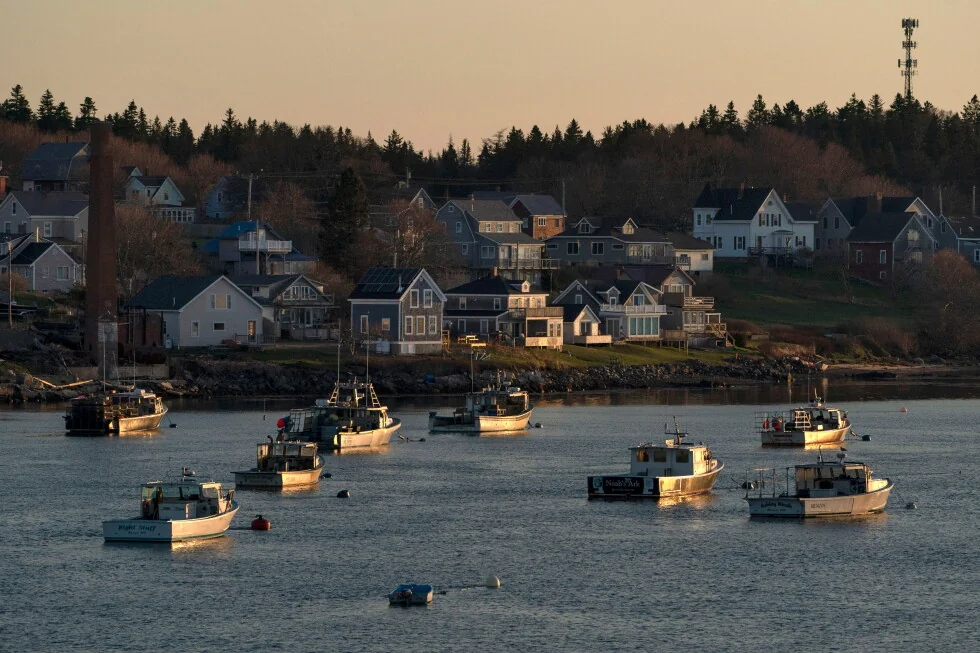
Supreme Court to Decide Whether to Hear Maine Lobstermen's Challenge to GPS Boat-Tracking Mandate
Supreme Court to Decide Whether to Hear Maine Lobstermen's Challenge to GPS Boat-Tracking Mandate
Supreme Court to Decide Whether to Hear Maine Lobstermen's Challenge to GPS Boat-Tracking Mandate
Supreme Court to Decide Whether to Hear Maine Lobstermen's Challenge to GPS Boat-Tracking Mandate
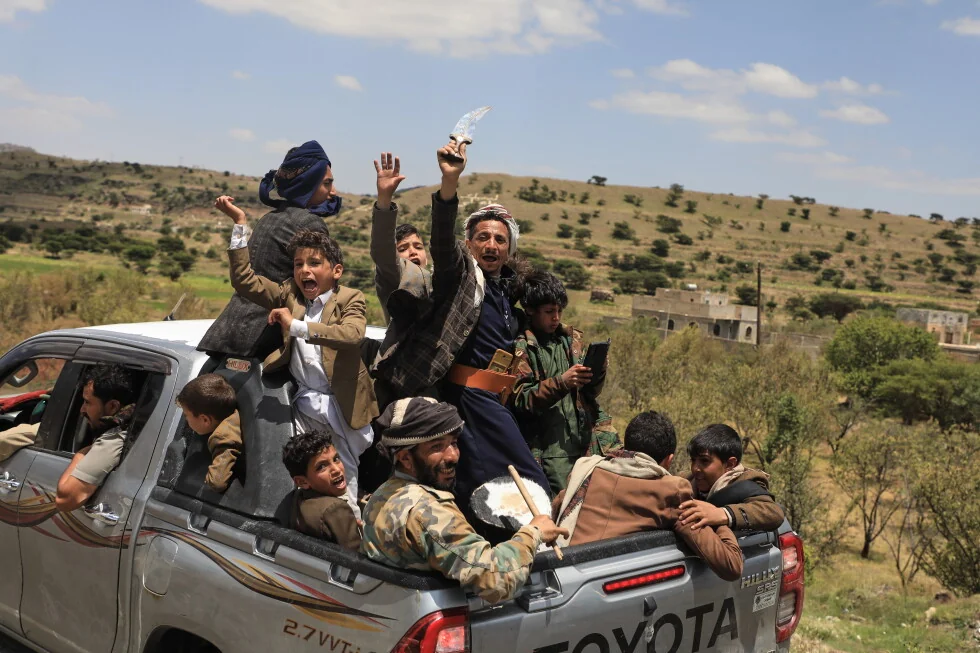
Houthi rebels seize two strategic Red Sea islands... An overview of the Middle East situation
후티 반군, 전략적 홍해 도서 2곳 장악... 중동 정세 개관
Houthi rebels seize two strategic Red Sea islands... An overview of the Middle East situation
후티 반군, 전략적 홍해 도서 2곳 장악... 중동 정세 개관