北約指揮官:聯盟避戰卻「今晚即可一戰」
October 12th, 2026
北約指揮官:聯盟避戰卻「今晚即可一戰」
🇹🇼 中文
NATO’s supreme military commander declared the alliance “ready to fight tonight” in the event of an attack, as European officials caution that Russia might probe NATO’s defenses through an escalation of covert operations or a limited military incursion.
In recent months, European nations have confronted an escalation in covert Russian operations, encompassing an arson attack targeting an Estonian defense company and a thwarted attempt to assault a Ukrainian aircraft at a German airport.
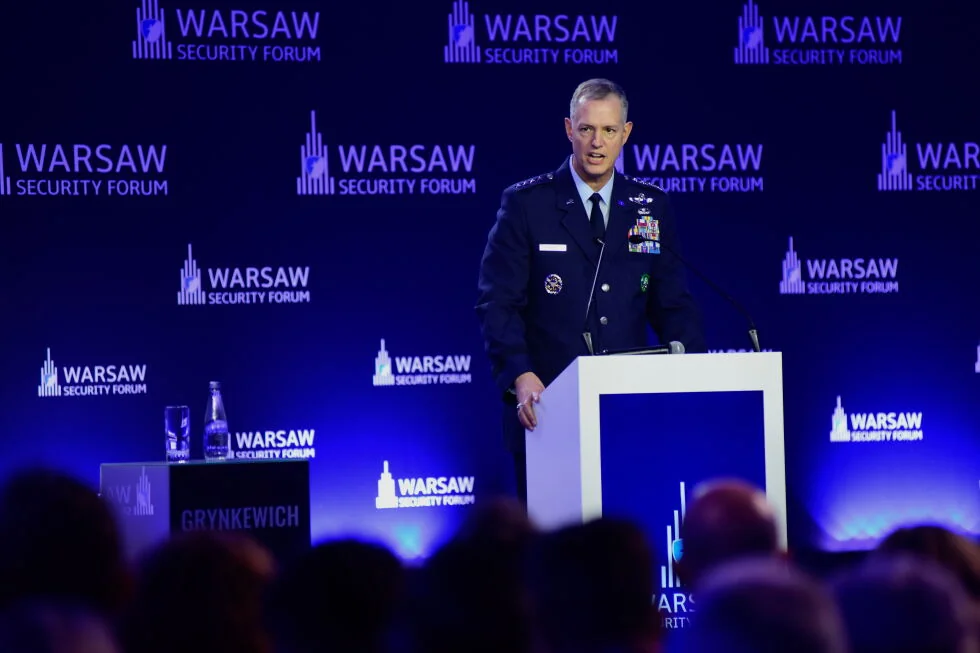
Should Russia elect to launch an assault upon NATO, the alliance would counter by deploying sensors, autonomous systems and military force to repel any such offensive, NATO’s Supreme Allied Commander, U.S. General Alexus Grynkewich, declared in Warsaw on Monday.
At the Warsaw Security Forum, Grynkewich expounded upon what he termed NATO’s “Theory of Victory.”
The NATO commander averred that he does not deem a conflict either imminent or inevitable, and that the surest means of safeguarding peace lies in preparing for war while sustaining open channels of communication in order to “resolve misunderstandings.”
Grynkewich vouchsafed no particulars as to the nature of the attack for which NATO is girding itself, nor its locale, nor the composition of the forces to be committed.
Yet, in sketching what a riposte to a Russian assault might resemble, Grynkewich averred that NATO’s combined land, sea and air forces would move to forestall Moscow’s seizure of territory and to deprive Russia of the capacity to hold ground.
"My theory of victory is simplicity incarnate," he told the Warsaw conference.
We shall parry the initial onslaught.
Should the assault persist, we shall blunt it and forestall any enemy advance.
And should circumstances demand it, we shall shatter the enemy's forces and the operational war-fighting system arrayed against us.
That encompasses not merely the attacking force but each and every element that supports, sustains and controls it, he said.
In recent weeks, senior European officials and intelligence services have cautioned that Russia may be contemplating testing the NATO alliance through an escalation of covert attacks or even an incursion, following a spate of sabotage incidents across the continent.
Denmark’s defense intelligence service specifically warned that Russia could employ such tactics to fracture the NATO alliance.
Yet concurrently, President Donald Trump has likewise sent shock waves rippling through Europe by acceding to an agreement to procure diesel from Russia in a bid to drive down prices in the U.S. ahead of the midterm elections.
Earlier this year, the U.S. president declared his intention to withdraw American troops from Europe, and his war with Iran has precipitated acute shortages of sophisticated air-defense missiles across the continent.
“Ultimately it’s a political decision,” Grynkewich said, regarding where troops are deployed, yet “no one should question the U.S. commitment to the alliance.”
Grynkewich underscored the imperative that alliance members marshal a “coherent” riposte to Russian activity, thereby rendering unmistakable to Moscow “where our red lines are.”
The riposte to heightened Russian malign activity and sabotage, he averred, ought to entail redoubling support for Ukraine.
Whereas Polish Prime Minister Donald Tusk cautioned that Russia is orchestrating an escalation involving drone or rocket strikes against European allies backing Ukraine, other nations have urged restraint.
Denmark’s Defense Intelligence Agency has assessed that there exists a “low but growing risk” that Russia will mount a limited military incursion against one or several NATO member states bordering Russia.
NATO harbours no belligerent designs toward any party, yet it will discern an impending military assault and “is unlikely to be caught by surprise,” Grynkewich said.
Although Grynkewich asserted that NATO would mount a defence against any Russian attack by means of a network of sensors and autonomous systems, certain NATO nations have hitherto struggled to acquit themselves in exercises simulating drone warfare.
They have likewise encountered difficulties detecting and responding to incursions by drones that have penetrated their airspace.
Numerous attack drones have crashed within NATO member states abutting Russia, Ukraine and Belarus.
Furthermore, in May, residents of Vilnius, the Lithuanian capital, were instructed to seek refuge after a drone encroached upon Lithuanian airspace.
When queried as to whether NATO could deter Russia in the manner Grynkewich had delineated, his spokesperson, Col. Martin O’Donnell, averred that NATO nations are increasingly deploying ground sensors and other technology to detect and counter drones.
The network interconnecting the systems designed to shoot down drones and the sensors is in the process of being established, although they have not yet taken down any drones, he said.
In September, Germany accused Russia of masterminding a plot at Leipzig airport to deploy an explosives-laden drone against a Ukrainian aircraft.
British officials, for their part, asserted that they had foiled a Russian plot targeting a drone facility outside London, while Estonian officials attributed to Russia a fire at a defense company.
The incidents rank among no fewer than 211 that Western officials have attributed to Russia since Moscow’s invasion of Ukraine and that Reporters has tracked.
In its assessment released earlier in September, Denmark’s defense intelligence service posited that Russia might endeavor to procure Ukrainian drones and deploy them in attacks upon Europe, thereby obfuscating any Russian culpability.
Tusk intimated that Russia would in all likelihood present any such attacks as “accidental” so as to “paralyze or at least weaken the motivation of NATO countries” to hasten to the defense of a member state falling under attack.
The Danish service said the aim of any such attack would be to divert European resources away from supporting Ukraine and sow division in NATO.
But both the Danish service and O’Donnell said while Russia is fighting in Ukraine, it would be difficult to launch an outright attack on NATO.
October 12th, 2026
Trending Articles
人權組織報告稱,蘇丹境內靠近衣索比亞邊界發生準軍事組織無人機襲擊,造成41人喪生
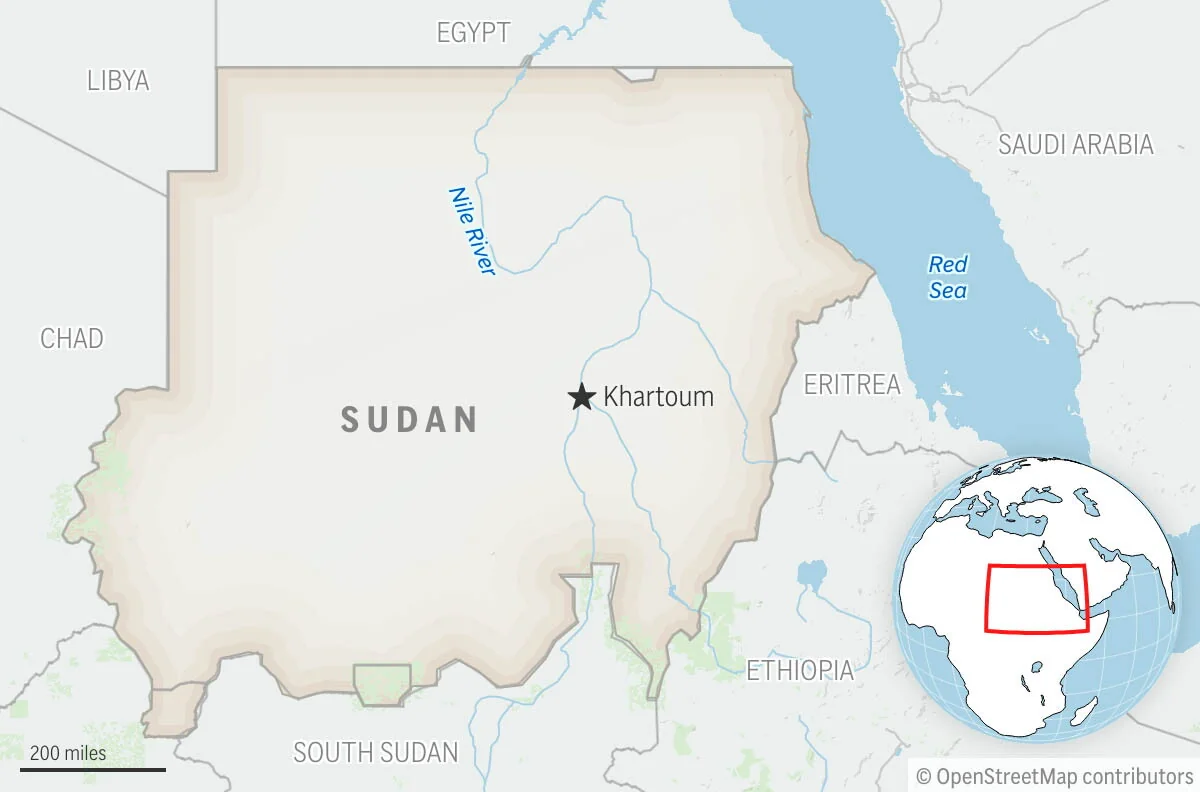
Rights group reports paramilitary drone strike in Sudan killed 41 near Ethiopian border
人權組織報告稱,蘇丹境內靠近衣索比亞邊界發生準軍事組織無人機襲擊,造成41人喪生
Rights group reports paramilitary drone strike in Sudan killed 41 near Ethiopian border

巴黎警方在首都兩個區實施宵禁,以防範進一步的騷亂。
Paris Police Impose Overnight Curfew in Two Capital Districts to Avert Further Unrest
巴黎警方在首都兩個區實施宵禁,以防範進一步的騷亂。
Paris Police Impose Overnight Curfew in Two Capital Districts to Avert Further Unrest

國土安全部准予逾10萬烏克蘭人與蘇丹人臨時暫緩遣返
Homeland Security Grants Temporary Deportation Reprieve to Over 100K Ukrainians and Sudanese
國土安全部准予逾10萬烏克蘭人與蘇丹人臨時暫緩遣返
Homeland Security Grants Temporary Deportation Reprieve to Over 100K Ukrainians and Sudanese

加拿大派遣五十名調查人員,調查導致四名士兵喪生的軍事基地致命大火
Canada dispatches 50 investigators to probe fatal military base blaze that killed 4 soldiers
加拿大派遣五十名調查人員,調查導致四名士兵喪生的軍事基地致命大火
Canada dispatches 50 investigators to probe fatal military base blaze that killed 4 soldiers
英國首相:美國營運空軍基地的疑似陰謀幾乎肯定是伊朗指使
UK premier: Suspected plot at US-run air base almost certainly Iran-directed
英國首相:美國營運空軍基地的疑似陰謀幾乎肯定是伊朗指使
UK premier: Suspected plot at US-run air base almost certainly Iran-directed
沙烏地阿拉伯調查防禦系統為何未能攔截胡塞武裝對利雅德機場的致命襲擊
Saudis investigate how defense systems failed to intercept deadly Houthi strike on Riyadh airport
沙烏地阿拉伯調查防禦系統為何未能攔截胡塞武裝對利雅德機場的致命襲擊
Saudis investigate how defense systems failed to intercept deadly Houthi strike on Riyadh airport
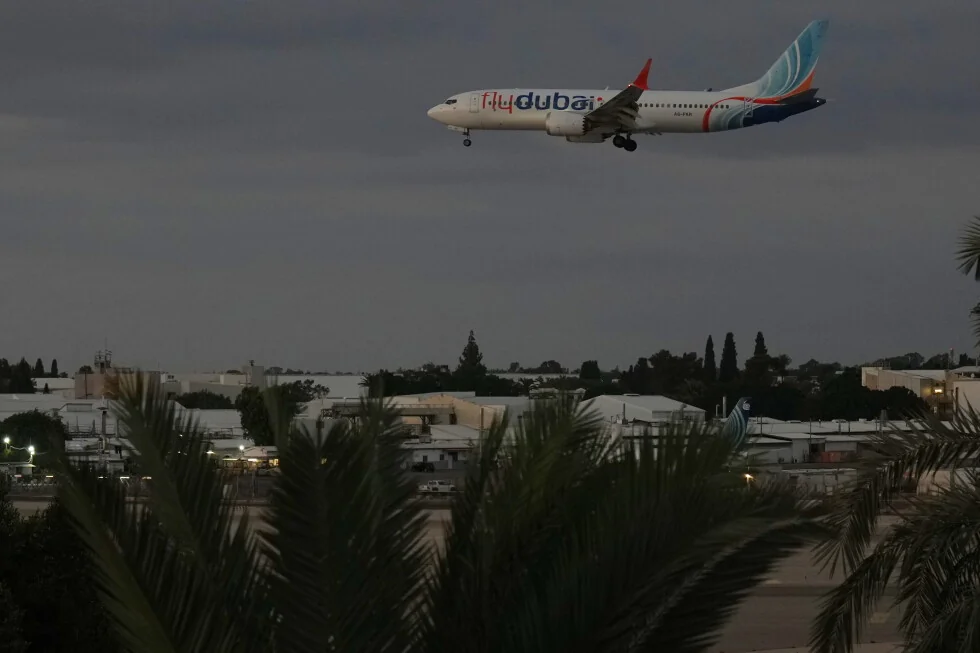
杜拜航空在沙烏地阿拉伯的驚險迫降:須知事項
FlyDubai's Harrowing Forced Landing in Saudi Arabia: What to Know
杜拜航空在沙烏地阿拉伯的驚險迫降:須知事項
FlyDubai's Harrowing Forced Landing in Saudi Arabia: What to Know

英法移民小船協議告吹
UK-France migrant small-boat deal scrapped
英法移民小船協議告吹
UK-France migrant small-boat deal scrapped

川普讚揚美軍在歷經十二年任務後撤離伊拉克
Trump extols US military's departure from Iraq following 12-year mission
川普讚揚美軍在歷經十二年任務後撤離伊拉克
Trump extols US military's departure from Iraq following 12-year mission