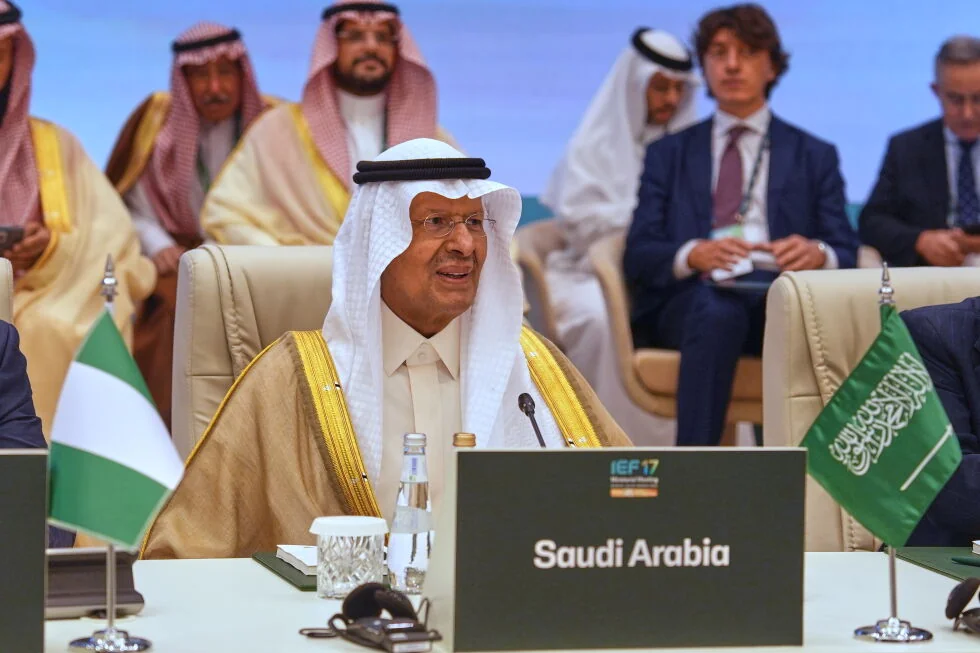
Les Saoudiens enquêtent sur la défaillance des systèmes de défense qui n'ont pas intercepté la frappe meurtrière des Houthis contre l'aéroport de Riyad
October 12th, 2026
Les Saoudiens enquêtent sur la défaillance des systèmes de défense qui n'ont pas intercepté la frappe meurtrière des Houthis contre l'aéroport de Riyad
🇫🇷 Français
Saudi Arabia has opened an investigation into how its air defenses failed to intercept a barrage of missiles and drones fired by Iran-backed Houthi rebels, including an attack on Riyadh airport that killed at least 13 people and wounded over 300, two regional officials said Monday.
The officials, who spoke on condition of anonymity because they were not authorized to comment publicly, said the initial probe showed that Yemen's Houthis first fired multiple drones to pave the way for a mix of cruise and ballistic missiles to reach Riyadh's King Khalid International Airport.
The Houthis possess ballistic missiles and advanced systems fitted with warheads that can change direction during flight, posing a challenge to Patriot interceptors and other defense systems used by the Saudis.
One of the officials stated that the investigation also seeks to ascertain why air defense systems failed to provide earlier warning of the attack, in which Houthi missiles and drones traversed over 1,000 kilometers (620 miles) to reach Riyadh.
The incident, one of a series of Houthi attacks on Saudi airports since last week, has exposed weaknesses in Saudi Arabia's defense system and marked a dangerous turning point in a widening Middle East conflict that began over seven months ago, when the U.S. and Israel launched their war against Iran.
The Saudi-led coalition further stated that it had intercepted and destroyed, on two separate occasions, ballistic missiles launched on Monday by Yemen's Houthi rebels targeting Riyadh.
At least three explosions were audible within the city on Monday night.
No claim of responsibility was immediately forthcoming.
Civil Defense officials subsequently declared that the danger had passed.
Earlier on Monday, Saudi state-run media reported that its military was responding to a fresh attack involving drones and cruise missiles, though it refrained from providing any specifics.
“The events of recent weeks are grave,” Saudi Energy Minister Prince Abdul Aziz bin Salman told the World Petroleum Energy Congress in Riyadh on Monday.
“Our response must be equally grave.”
The Saudi government-operated Center for International Communication, which supervises foreign media, did not immediately respond to a request for comment regarding the probe into defense failures.
The Saudis are seeking a more direct U.S. involvement in their campaign against the Houthis.
While Washington has furnished intelligence sharing, target identification and operational planning for a Saudi-led offensive, it has thus far refrained from conducting strikes against the Houthis.
A U.S. intervention could prompt the Houthis to attempt to halt shipping through the Bab el-Mandeb Strait, at the southern end of the Red Sea off Yemen, thereby restricting the flow of oil out of the Persian Gulf.
The flow of Mideast oil has already been complicated by Iranian efforts to choke off the Strait of Hormuz, through which about one-fifth of the world's oil flowed before the U.S.-Iran war began.
Last month, the rebels seized control of strategic areas along the Bab el-Mandeb, and the Saudi-led coalition, which backs forces loyal to Yemen’s internationally recognized government, has been trying to recapture them.
U.S. President Donald Trump informed reporters on Saturday, in the aftermath of the deadly airport strike, that he was contemplating the prospect of launching U.S. attacks against the Houthis.
Yet this conflict arises at a precarious juncture for Trump, merely weeks ahead of U.S. midterm elections that will determine whether his Republican Party retains its grip on Congress.
Persistent inflation and high gas prices, fueled by the ongoing conflict with Iran, have driven widespread American disapproval of that war.
Expanding U.S. military involvement in the region risks further stoking voters' resentment.
Yemen’s Houthi-run health ministry reported on Monday that airstrikes targeting a government complex and a residence in the northern province of al-Jawf had killed nine people, among them five children and a woman, and wounded seven others, according to the Houthi-controlled SABA news agency.
Houthi officials likewise reported that Saudi Arabia had launched fresh strikes on Sanaa, the Yemeni capital, resulting in one fatality and twelve injuries.
Riyadh airport remained closed on Monday, while workers in the capital's financial district were instructed to work from home.
Nevertheless, on Monday the Saudis proceeded with the second day of the World Petroleum Energy Congress.
Separately, an Emirati diplomat on Monday issued a call for “joint Gulf action” aimed at defending Gulf countries against attacks perpetrated by Iran and its allied groups.
Anwar Gargash, a diplomatic adviser to the rulers of the United Arab Emirates, said Iran and its allies had wrongly assessed that Gulf Arabs were “the weakest link” in the U.S. war against Iran, during which Tehran and its allies repeatedly attacked Arab countries on the other side of the Gulf.
“It has become evident that we are all targeted, and that our security is indivisible,” he wrote on social media.
Iran’s Foreign Ministry expressed concern on Monday regarding the hostilities between the Saudis and the Houthis, stating that Iran would be prepared to resolve disputes.
“We are deeply concerned about developments in the Arabian Peninsula,” spokesman Esmail Baghaei said at his weekly briefing.
“We have repeatedly announced our readiness to use our good offices to facilitate talks between the two sides.”
Baghaei stated that Foreign Minister Abbas Araghchi and his Saudi counterpart, Prince Faisal bin Farhan Al-Saud, held a telephone conversation on Sunday regarding the situation, though no further particulars were disclosed.
Dozens of mourners gathered on Monday for the funeral of a Jordanian national slain in the missile strike on King Khalid International Airport.
Mahmoud Al-Barqawi, 33, a father of two who had been employed at a café in Riyadh, was laid to rest following a funeral procession that commenced at a mosque in Amman.
His father, Hasan al-Barqawi, said the family was struggling to cope.
"No one can truly grasp the suffering caused by this tragedy," he said.
The strike additionally left four Jordanian citizens wounded.
Jordan’s Royal Court chief, Yousef Al-Issawi, was in attendance at the funeral, where he conveyed his condolences on behalf of the king and the crown prince.
October 12th, 2026
Trending Articles
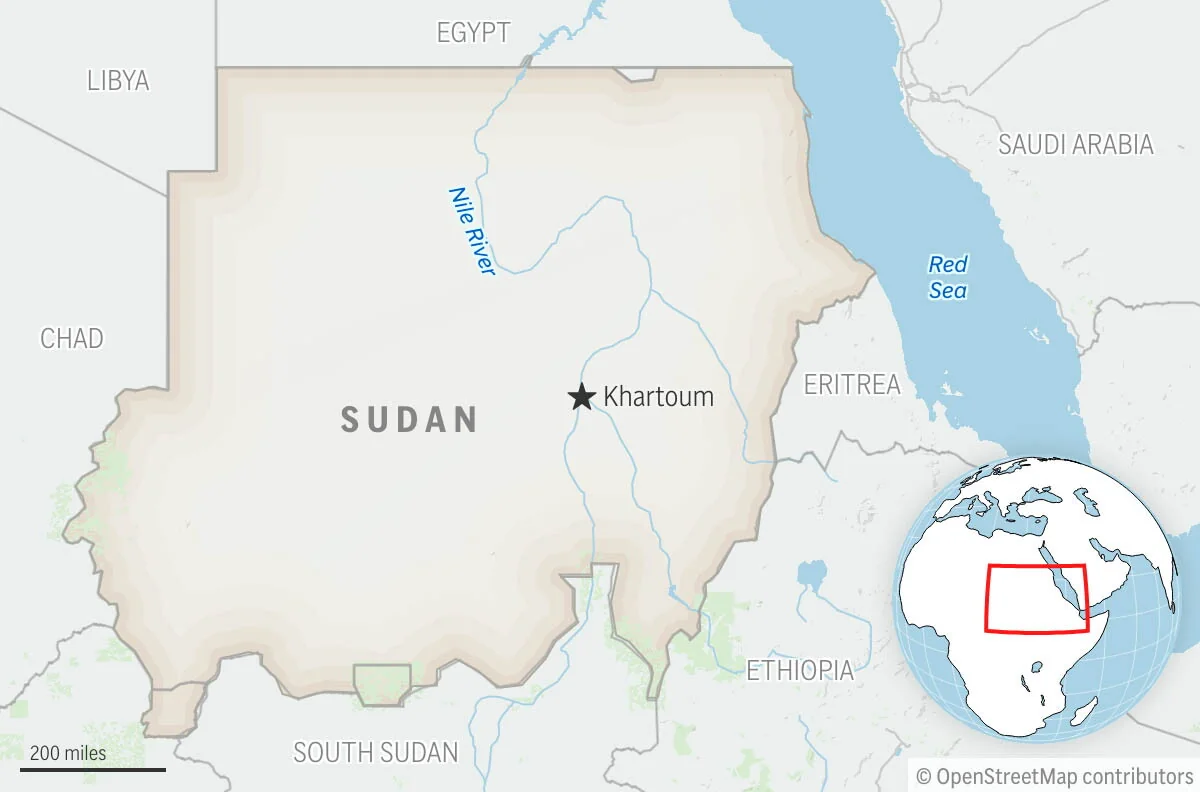
Soudan : une ONG rapporte qu'une frappe de drone paramilitaire a tué 41 personnes près de la frontière éthiopienne
Sudan: Rights group reports paramilitary drone strike killed 41 near Ethiopian border
Soudan : une ONG rapporte qu'une frappe de drone paramilitaire a tué 41 personnes près de la frontière éthiopienne
Sudan: Rights group reports paramilitary drone strike killed 41 near Ethiopian border

La police parisienne instaure un couvre-feu nocturne dans 2 zones pour prévenir de nouvelles violences
Paris police impose overnight curfew in 2 areas to prevent further unrest
La police parisienne instaure un couvre-feu nocturne dans 2 zones pour prévenir de nouvelles violences
Paris police impose overnight curfew in 2 areas to prevent further unrest

Le département de la Sécurité intérieure accorde une protection temporaire contre l'expulsion à plus de 100 000 Ukrainiens et Soudanais
Homeland Security Grants Temporary Deportation Relief to Over 100K Ukrainians and Sudanese
Le département de la Sécurité intérieure accorde une protection temporaire contre l'expulsion à plus de 100 000 Ukrainiens et Soudanais
Homeland Security Grants Temporary Deportation Relief to Over 100K Ukrainians and Sudanese
Le Canada envoie 50 enquêteurs pour examiner l'incendie d'une base militaire qui a tué 4 soldats
Canada sends 50 investigators to examine military base fire that killed 4 soldiers
Le Canada envoie 50 enquêteurs pour examiner l'incendie d'une base militaire qui a tué 4 soldats
Canada sends 50 investigators to examine military base fire that killed 4 soldiers
Le premier ministre britannique : un complot présumé sur une base aérienne américaine presque certainement orchestré par l’Iran
UK prime minister: suspected plot at US-run air base almost certainly directed by Iran
Le premier ministre britannique : un complot présumé sur une base aérienne américaine presque certainement orchestré par l’Iran
UK prime minister: suspected plot at US-run air base almost certainly directed by Iran
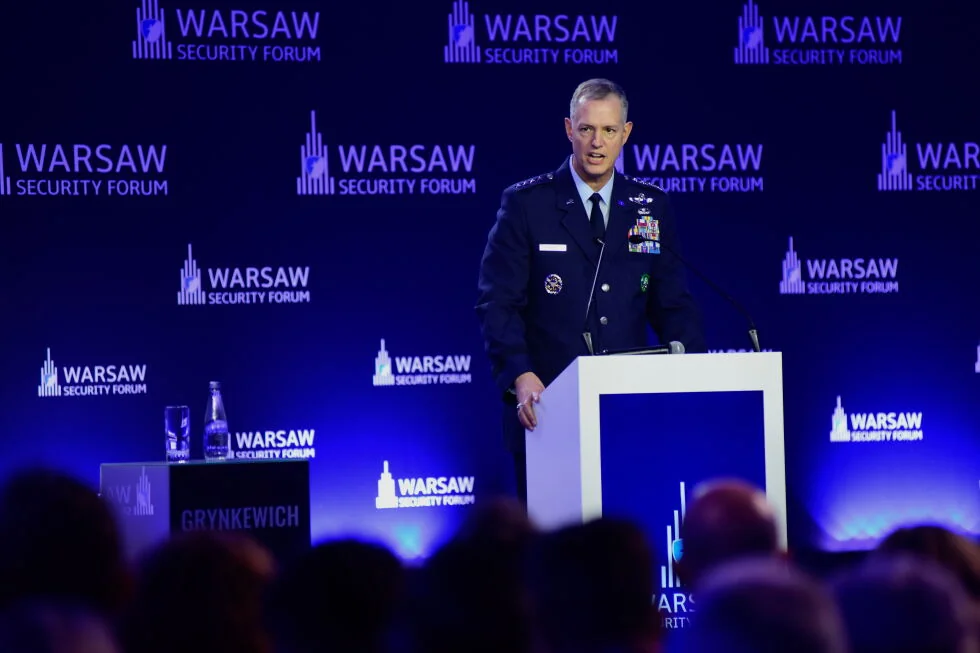
Commandant de l'OTAN : l'alliance ne veut pas la guerre mais est « prête à se battre dès ce soir »
NATO commander: alliance doesn’t want war but is ‘ready to fight tonight’
Commandant de l'OTAN : l'alliance ne veut pas la guerre mais est « prête à se battre dès ce soir »
NATO commander: alliance doesn’t want war but is ‘ready to fight tonight’
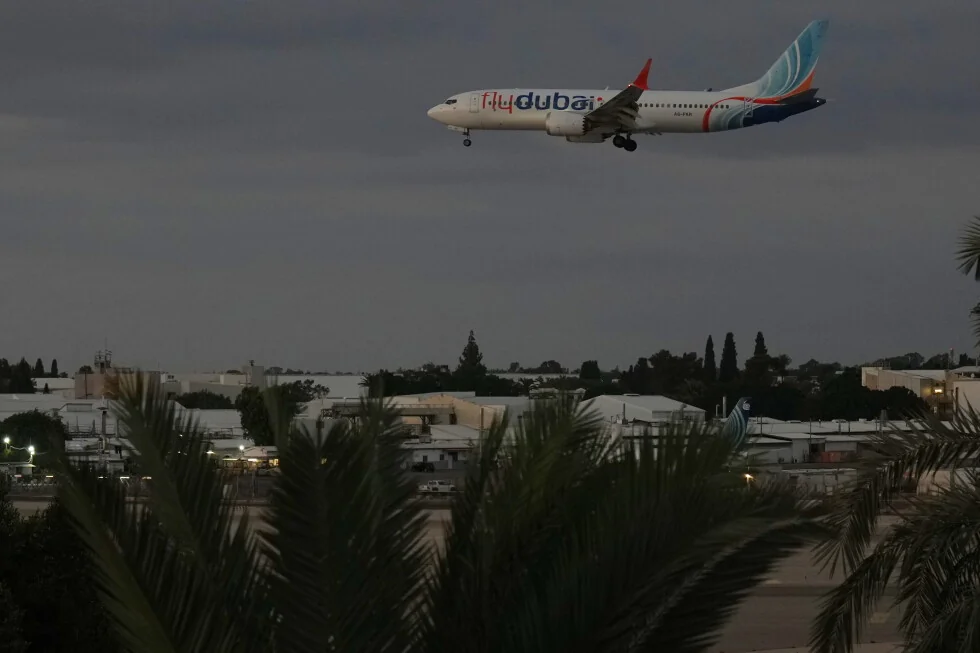
Ce qu'il faut savoir sur le vol terrifiant de FlyDubai contraint d'atterrir en Arabie saoudite
What to know about the terrifying FlyDubai flight forced to land in Saudi Arabia
Ce qu'il faut savoir sur le vol terrifiant de FlyDubai contraint d'atterrir en Arabie saoudite
What to know about the terrifying FlyDubai flight forced to land in Saudi Arabia
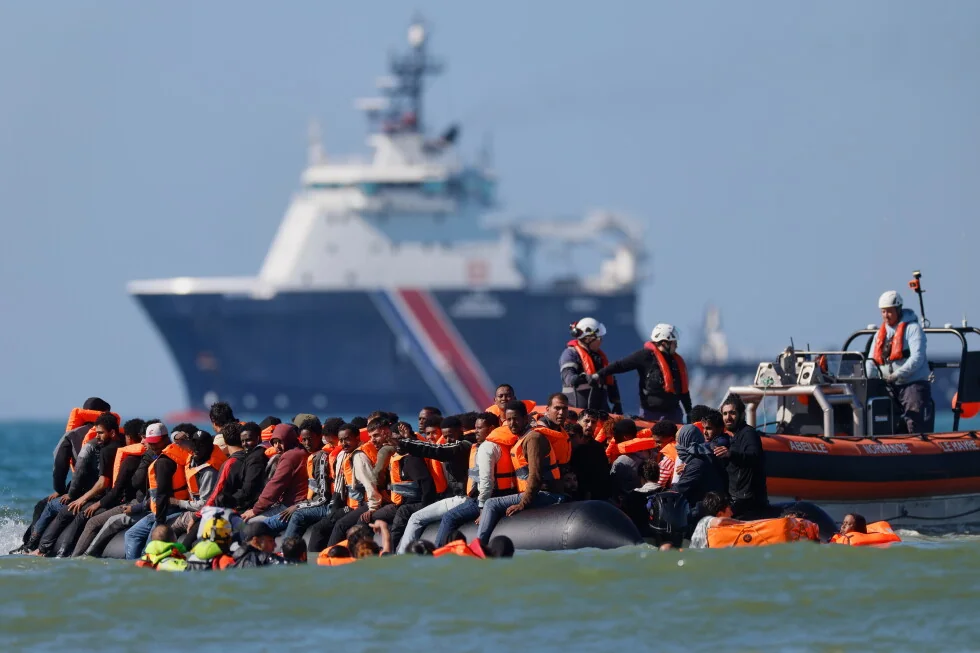
L'accord franco-britannique sur les petits bateaux de migrants abandonné
UK-France migrant small boat deal scrapped
L'accord franco-britannique sur les petits bateaux de migrants abandonné
UK-France migrant small boat deal scrapped
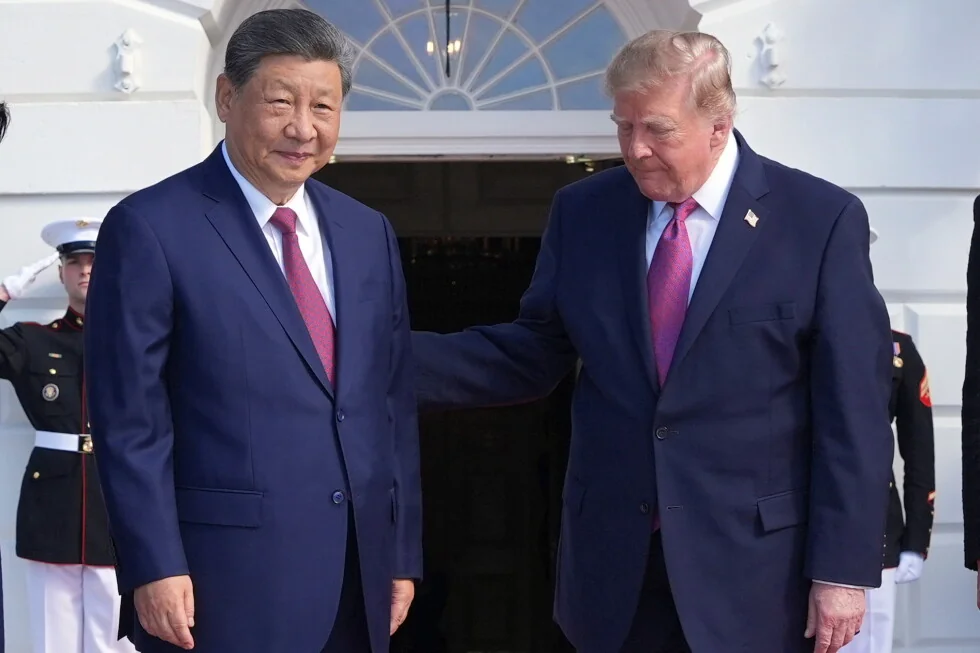
Trump loue une amitié profonde avec Xi alors que le dirigeant chinois appelle à une concurrence « saine » entre les deux puissances
Trump praises deep friendship with Xi as China’s leader calls for ‘healthy’ competition between 2 powers
Trump loue une amitié profonde avec Xi alors que le dirigeant chinois appelle à une concurrence « saine » entre les deux puissances
Trump praises deep friendship with Xi as China’s leader calls for ‘healthy’ competition between 2 powers