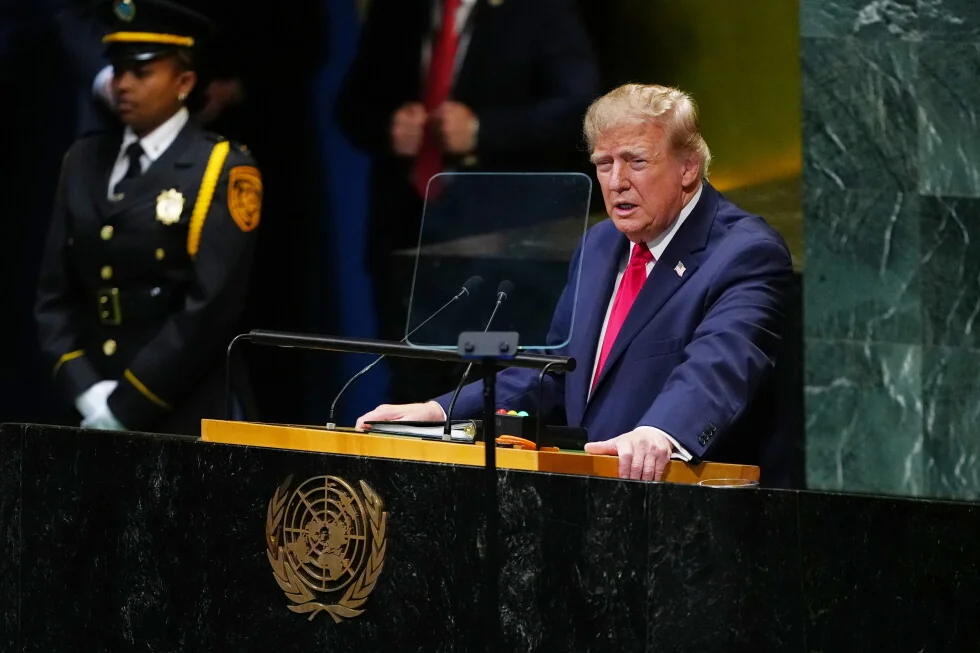
トランプ、国連総会で世界の指導者たちに向けた演説でイラン戦争の決定を擁護
September 22nd, 2026
トランプ、国連総会で世界の指導者たちに向けた演説でイラン戦争の決定を擁護
🇯🇵 日本語
President Donald Trump returned to the U.N. General Assembly on Tuesday at a tumultuous moment for the world — and for his presidency — and argued that he had demonstrated fortitude while other leaders had equivocated.
The president began his address by listing off achievements — including the creation of private sector jobs, the reduction of illegal migration and the fight against crime — before moving on to a full-throated defense of his decision to go to war with Iran.
"The terrorist regime is behaving badly, not because they are strong and confident, but because they are weak and desperate," Trump said.
"If we stand united, we will soon see a world free of the last 51 year menace of Iranian terror."
Trump also accused Iran of stalling on a deal to fully reopen the Strait of Hormuz and to negotiate an end to the war until after the United States' midterm elections.
He insisted that this tactic would not affect how he approaches the conflict.
“I gave absolutely no credence to the election regarding Iran, and I will not give any,” Trump said.
“It doesn’t even enter my mind.”
Most of Iran's delegation left the chamber as Trump railed against the Islamic Republic.
Upon arriving at the U.N., Trump briefly spoke to reporters, telling them it was an honor to address the world body before his attention suddenly shifted to his resentments with the news media.
Over the weekend, Trump announced a White House ban on CNN, MS NOW and Politico, asserting that their coverage of his presidency had been biased.
The news outlets have filed a lawsuit seeking to restore their access to White House grounds.
Trump snapped at a CNN reporter in the U.N. scrum.
“I find it astonishing that CNN is here covering me,” Trump said.
“You have no business being here.”
This website is safeguarded by reCAPTCHA, and the Google Privacy Policy and Terms of Service are applicable.
After addressing the annual gathering of world leaders, Trump is expected to hold talks with the new British Prime Minister Andy Burnham, Japanese Prime Minister Sanae Takaichi, and Ukrainian President Volodymyr Zelenskyy, as well as a more informal meeting with Venezuela’s acting President Delcy Rodríguez, according to the White House.
He is also due to meet with leaders and senior officials from Gulf Cooperation Council nations — Bahrain, Kuwait, Oman, Qatar, Saudi Arabia, and the United Arab Emirates — to discuss the way forward on the war in Iran and the growing concern over recent Iran-backed rebel attacks on Saudi Arabia.
Trump also plans to attend an event on the Shield of the Americas, an initiative he launched with Latin American countries earlier this year to combat violent cartels.
The visit to the U.N. comes at a time when Trump's foreign policy approach — particularly his decision to start a war with Iran — has become a drag on his fellow Republicans' hopes of retaining control of both chambers of Congress during the coming midterm elections.
Nevertheless, Trump is making the case in his address that the world is better off for his leadership.
“As president of the most extraordinary nation in history,” Trump said, “I have no interest in leaving dangers to grow for another day.
I do not believe in letting problems fester.”
In his address to the United Nations last year, Trump asserted that the United States had "demolished" Iran's nuclear capabilities, following his authorization of the June 2025 bombardment of three key facilities.
He returned to the General Assembly as the new war against Iran neared its seven-month mark—a conflict he insists is necessary to address the nuclear threat posed by Iran.
The war has become more complicated, even though strikes by the United States and Israel have killed much of Iran's top leadership and destroyed its air force and navy, while a U.S. blockade of Iranian oil has left Tehran's economy in ruins.
The energy market remains persistently unnerved by the war, with oil prices continuing to run high.
Earlier this month, Saudi Arabia shut down a crucial pipeline that had served as a relief valve for oil stranded in the Gulf.
The kingdom took this step after the pipeline was targeted by Iran-backed militants in Iraq.
At the same time, territorial grabs by the Yemen-based Houthi rebels—another Iranian-backed group—near the Bab al-Mandab Strait have now made it treacherous for oil carriers to use that Red Sea shipping lane.
But Trump reiterated his assertion that the elevated oil prices constitute a transient issue that will dissipate once the war concludes.
“Oil prices will come plummeting down even lower than they were at the start of the conflict,” Trump said.
“And they were very low in the United States. They were really low.”
Majed al-Ansari, the chief spokesman for the Qatari Foreign Ministry, said on Monday that Qatar and other mediators are trying to overcome a “deep deficit of trust” between the U.S. and Iran and bring the two sides back to negotiations.
“Either we sign a deal now or sign a deal 10 months away,” said al-Ansari, speaking at the Concordia Annual Summit, a global affairs forum taking place during the U.N.’s high-level week.
“The only difference is the number of dead and destruction that we see.”
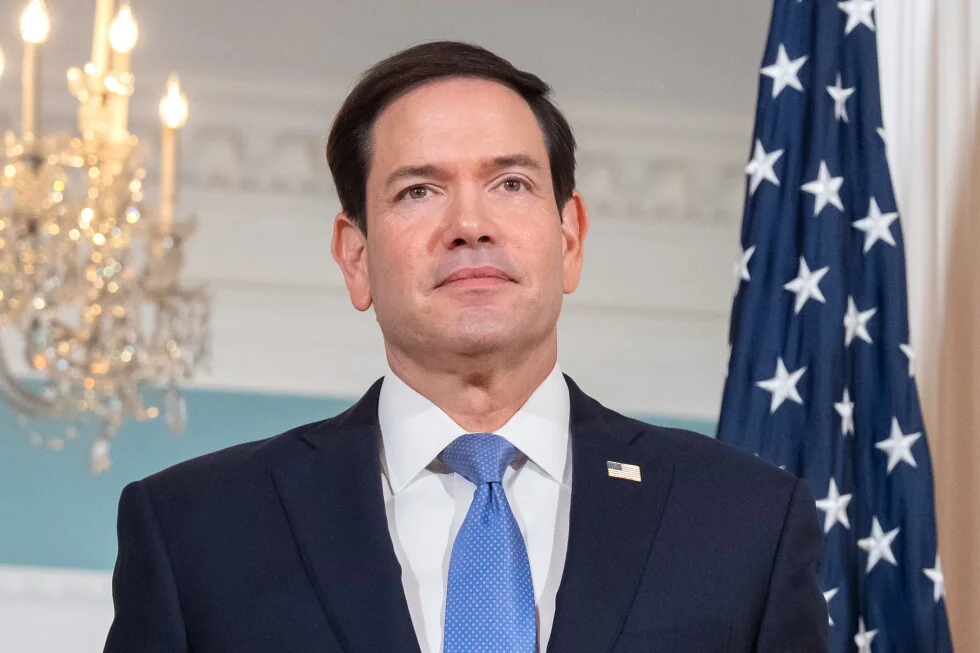
On Tuesday, Secretary of State Marco Rubio indicated that Trump would be amenable to meeting with Iran’s president, Masoud Pezeshkian, during the latter’s stay in New York for the General Assembly.
"This is a president who, for the most part, will meet with anybody, because he believes that engaging with people is important if you're going to solve problems," Rubio said on NBC's "Today" show.
"That doesn't mean you're going to end up agreeing with them, but it's important."
At last year’s General Assembly, Trump praised his record as a peacemaker, claiming that “everyone says that I should get the Nobel Peace Prize” for his administration’s efforts to mediate several conflicts around the globe.
This year, Trump is set to sign an agreement on the sidelines of the General Assembly with Danish and Greenlandic leaders, aiming to set the pathway for the expansion of the U.S. military's footprint on Greenland.
The deal, announced last week, came together after Trump repeatedly threatened to “take over” Greenland, a territory of NATO-ally Denmark, by military force if necessary.
Trump said Tuesday the U.S. will immediately begin the process of developing a larger military presence in Greenland including “building two very major military bases.”
Pursuant to the agreement, Greenland continues to constitute Danish territory.
The president might additionally address Russia’s ongoing war against Ukraine during the speech — a conflict that, throughout his 2024 campaign, he forecast would be settled on Day One of his second term.
The president has routinely voiced frustration regarding the conflict.
He has not concealed that his patience is being tested by Ukraine’s targeting of Russia’s diesel refineries — a matter that has exacerbated volatility in oil markets — as well as by Russia’s targeting of Ukraine’s energy grid.
Trump asserted last week that he had persuaded both sides to refrain from targeting each other’s energy infrastructure.
Zelenskyy, who is scheduled to meet with Trump on Tuesday afternoon, said he was prepared to endorse Trump’s plan provided that Russia adhered to it.
Russia stated that it could only countenance Trump’s energy truce proposal if Western energy sanctions on Moscow were lifted beforehand.
Both sides have persisted in conducting strikes on refineries and other energy infrastructure.
Among the reporters who contributed to this story was Diplomatic Writer Matthew Lee.
September 22nd, 2026
Trending Articles
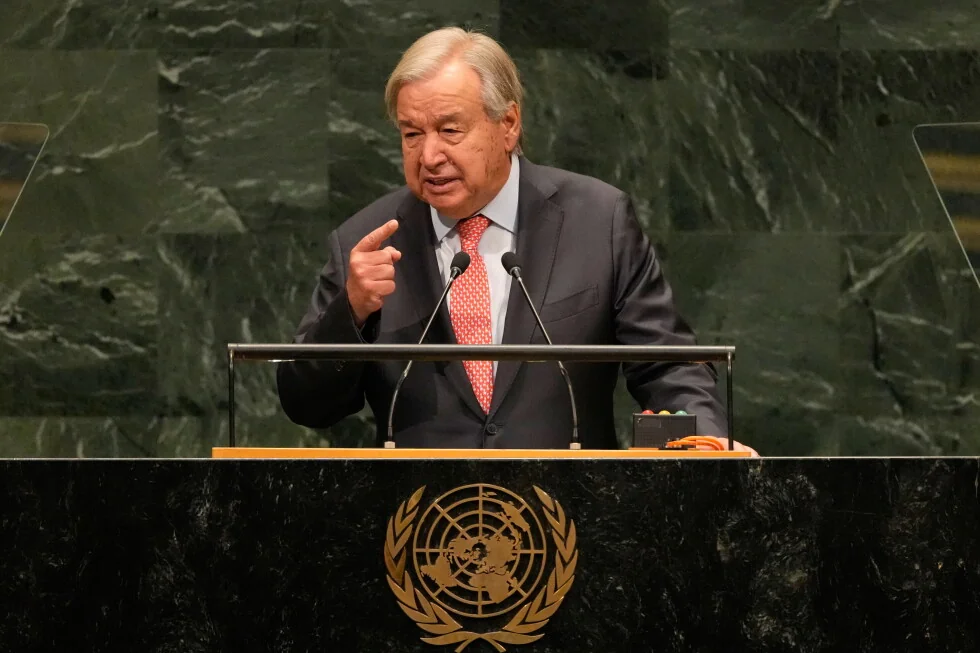
国連指導者らが集結、事務総長は「相互依存の上に築かれた世界」を呼びかける
UN leaders convene as secretary-general calls for ‘world built on interdependence’
国連指導者らが集結、事務総長は「相互依存の上に築かれた世界」を呼びかける
UN leaders convene as secretary-general calls for ‘world built on interdependence’
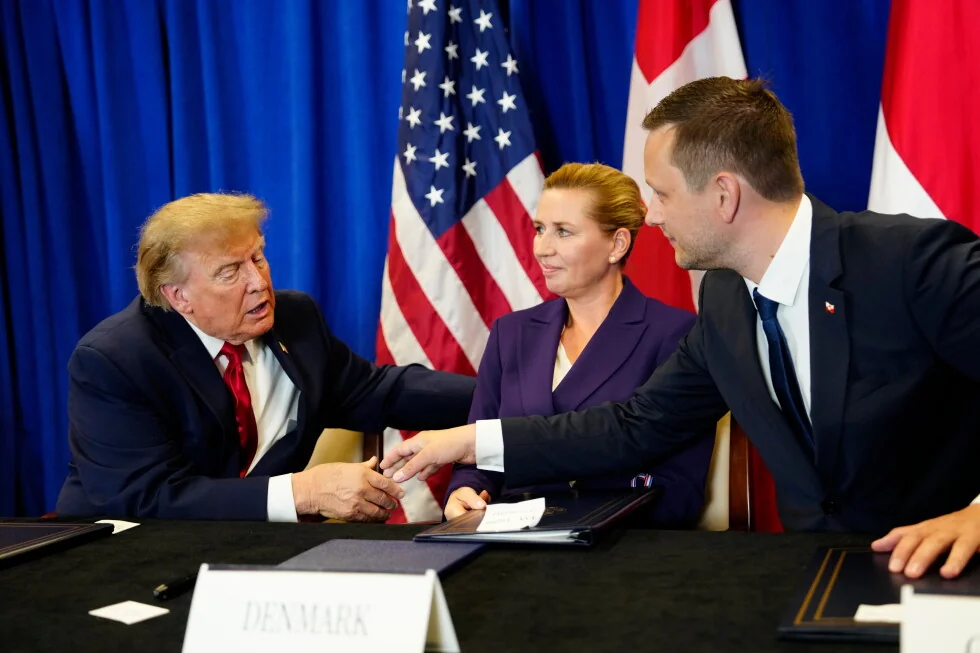
トランプ、アメリカ・デンマーク・グリーンランド間の協定に署名、北極の安全保障を強化
Trump signs US-Denmark-Greenland pact to strengthen Arctic security
トランプ、アメリカ・デンマーク・グリーンランド間の協定に署名、北極の安全保障を強化
Trump signs US-Denmark-Greenland pact to strengthen Arctic security
国連の混乱:年次会合の開幕に際し、外交官たちは混沌とした予測不能な世界を描写する
UN in turmoil: Diplomats depict a chaotic, unpredictable world as annual meeting opens
国連の混乱:年次会合の開幕に際し、外交官たちは混沌とした予測不能な世界を描写する
UN in turmoil: Diplomats depict a chaotic, unpredictable world as annual meeting opens
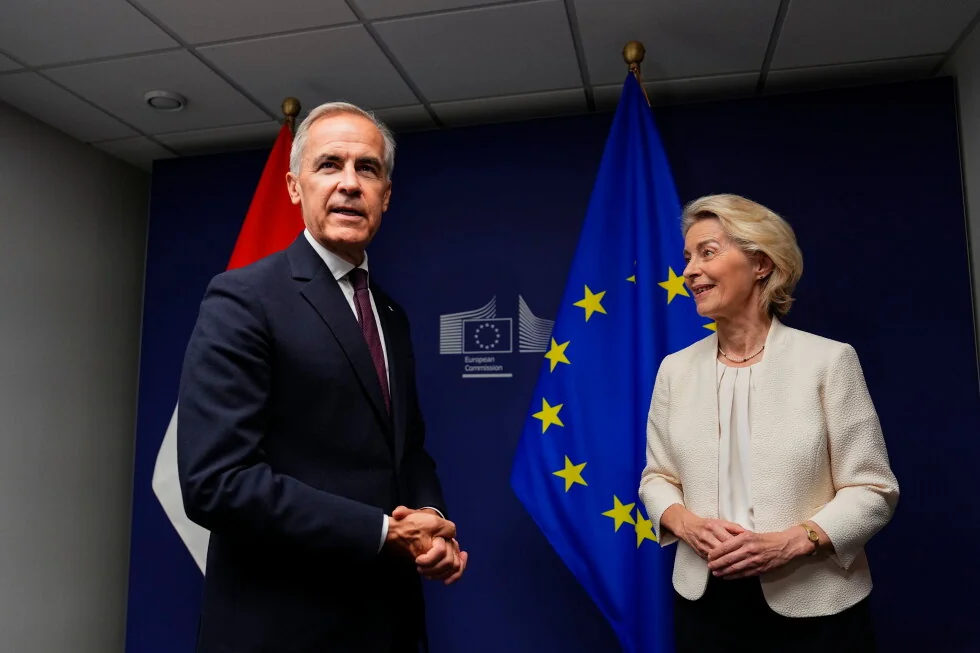
EUのカナダへの「準加盟国」提案が示唆しうるもの
What the EU’s ‘associate member’ offer to Canada could signify
EUのカナダへの「準加盟国」提案が示唆しうるもの
What the EU’s ‘associate member’ offer to Canada could signify
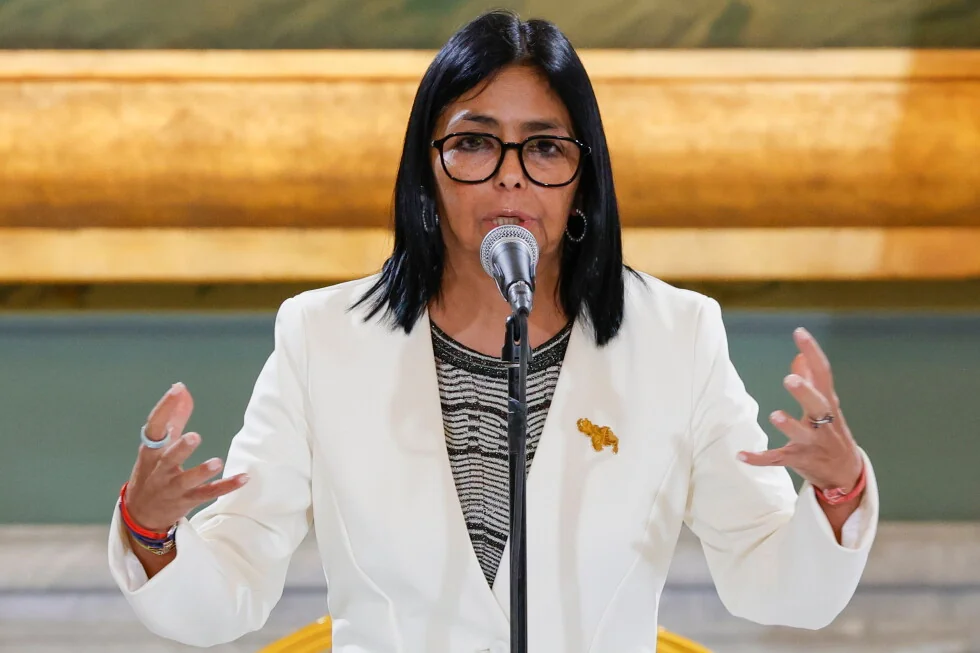
ホワイトハウスによると、トランプ氏は来週ニューヨークでベネズエラのデルシー・ロドリゲス暫定大統領と会談する予定である。
Trump to meet Venezuela's acting President Delcy Rodríguez in New York next week, White House says
ホワイトハウスによると、トランプ氏は来週ニューヨークでベネズエラのデルシー・ロドリゲス暫定大統領と会談する予定である。
Trump to meet Venezuela's acting President Delcy Rodríguez in New York next week, White House says
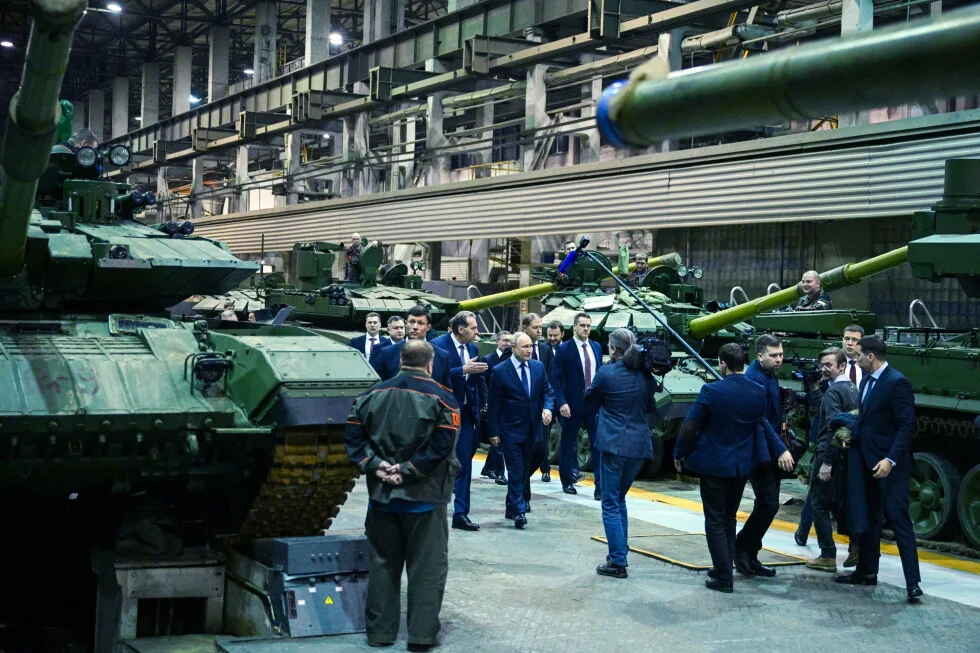
ロシアの戦時経済は債務と軍事支出による長期的な侵食に直面している
Russia’s Wartime Economy Faces Long-Term Erosion from Debt and Military Spending
ロシアの戦時経済は債務と軍事支出による長期的な侵食に直面している
Russia’s Wartime Economy Faces Long-Term Erosion from Debt and Military Spending
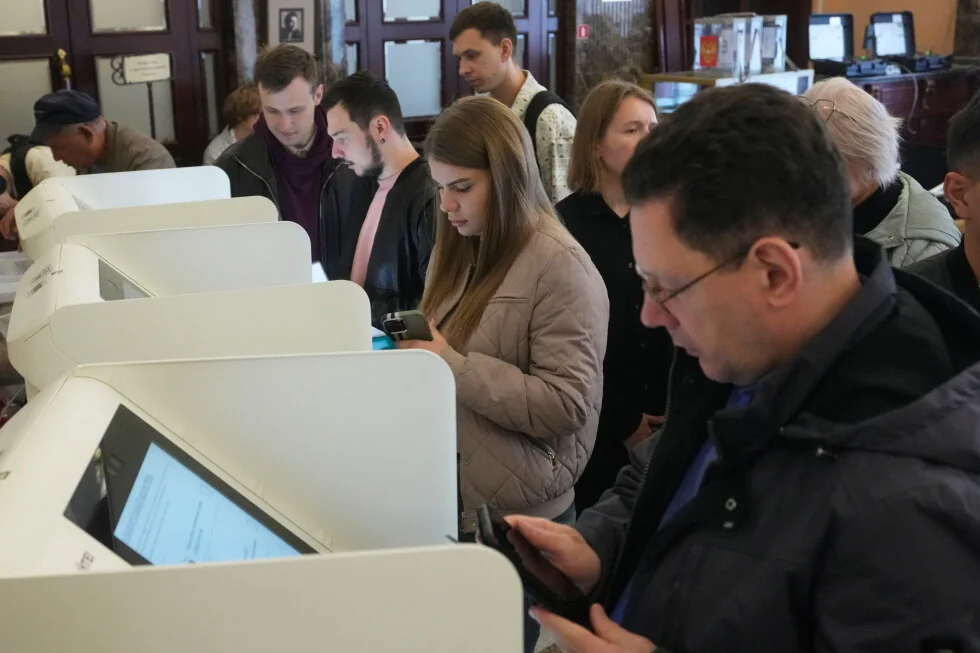
ロシアは、クレムリンの権力を確固たるものにするとみられる議会選挙で3日間の投票を開始した
Russia starts 3 days of voting in a parliamentary election poised to cement the Kremlin’s power
ロシアは、クレムリンの権力を確固たるものにするとみられる議会選挙で3日間の投票を開始した
Russia starts 3 days of voting in a parliamentary election poised to cement the Kremlin’s power
戦時中の敵対関係にもかかわらず、アメリカ合衆国は国連ハイレベル会合のためイランの最高指導者らにビザを付与
US grants visas to top Iranian leaders for UN high-level meeting despite wartime hostilities
戦時中の敵対関係にもかかわらず、アメリカ合衆国は国連ハイレベル会合のためイランの最高指導者らにビザを付与
US grants visas to top Iranian leaders for UN high-level meeting despite wartime hostilities
国連専門家、イラン攻撃におけるアメリカ合衆国の戦争犯罪の可能性を主張
UN experts allege possible US war crimes in Iran strikes
国連専門家、イラン攻撃におけるアメリカ合衆国の戦争犯罪の可能性を主張
UN experts allege possible US war crimes in Iran strikes