ロシアの戦時経済は債務と軍事支出による長期的な侵食に直面している
September 18th, 2026
ロシアの戦時経済は債務と軍事支出による長期的な侵食に直面している
🇯🇵 日本語
The frictions in Russia’s wartime economy are growing, as massive military spending balloons the budget deficit.
Consumers and businesses are gloomier.
Growth has slowed.
None of this, however, portends an imminent financial crisis or economic collapse, according to economists.
With vital oil export revenues remaining robust owing to elevated prices stemming from the Iran war, the government is able to secure the funds to finance its 4 1/2-year-old invasion of Ukraine, at least for the time being.
At the same time, low unemployment and government generosity in poorer regions help to keep consumer complaints in check.
That image fits the Kremlin’s narrative of stability in the run-up to Russia’s stage-managed parliamentary election, which began on Friday and ends on Sunday.
But economists warn that longer-term problems are undermining the foundations — and could one day lead to a crisis.
Indicators of consumer sentiment have been declining since a peak in 2024-25, when increased military spending was boosting growth and wages.
More recently, consumers have dealt with higher gasoline prices and shortages caused by Ukrainian drone attacks that destroyed refineries.
And many small businesses have lost inventory and customers because of strikes against the online retailers Wildberries and Ozon.
Concurrently, growth has decelerated from a peak exceeding 4% annual expansion in 2023-24.
The government anticipates 0.6% this year, and the economy contracted in the first quarter before recovering somewhat in the second.
The consumer sentiment index compiled by the Levada Center, an independent Russian pollster, declined to 94 over the summer, a drop from 116 in spring and summer of 2025.
Readings below 100 signify that consumer sentiment is more negative than positive.
Those who were questioned regarding the election in Moscow tended to respond with largely rudimentary concerns about pensions and prices.
Alexander Vertukhin, a 72-year-old retired military prosecutor, asserted that the government ought to be concentrating on “a decent standard of living for pensioners.”
Regarding his own circumstances, he remarked, “I’m doing fine, both financially and in every other respect.”
“On the whole, I would like housing to become more affordable, and I would like pensioners to be able to live decently rather than merely survive,” said Dmitry Kirillin, 26.
“I would also like travel within our country to be more affordable.
Those are the main things that first come to mind; were I to give it more thought, I could probably name others.”
He added, “I would prefer that prices rise more gradually, if that is feasible under the present circumstances.”
The gasoline situation and the Wildberries strikes have made the war more visible to people, but they do not constitute a crisis, said Chris Weafer, CEO of the Macro-Advisory Ltd. consultancy active across the former Soviet Union.
He described the economy as being in a state of “tolerable stability” and the public mood as “grumbling” but not protesting.
"The economy is under strain — it's stagnant, in the sense that it's stable but not growing," Weafer said.
"But it's not facing recession either."
Most people “are not that affected” by the Ukrainian strikes, he said.
“Just because your shopping habits are disrupted, that’s not going to change the public support for the Kremlin.”
President Vladimir Putin’s approval rating has waned in recent months, yet it still surpasses the level it held prior to the outbreak of the war in 2022.
A key sign of stress is Russia’s budget deficit and the government’s efforts to find new sources of money.
Putin has resorted to increasing value-added tax paid by consumers at the cash register, raising a raft of other fees and tightening taxation of small businesses.
But the deficit has continued to climb.
By the end of July, budget data had revealed a deficit amounting to 2.8% of annual economic output — nearly double the original annual budget target.
The resources remaining in Russia's reserve fund have been depleted to 1.6% of GDP, necessitating that the Kremlin borrow from domestic banks.
That, however, entails paying high borrowing costs, since interest rates on Russian bonds can reach 17%, according to Janis Kluge, an expert on Russia's finances at the German Institute for International and Security Affairs.
Budgetary pressures are “adding to doubts about how long Russia can sustain the war,” he wrote in a recent report.
Russia’s central bank has maintained elevated interest rates in order to curb the inflation generated by wartime expenditure.
This places strain on civilian enterprises, which are denied the privileged access to credit enjoyed by defense firms.
Another source of war funding has been the increased private lending by Russia's compliant banks to defense-related companies, meaning that those debts do not appear in the deficit figures.
Over the long term, Western sanctions deprive Russia of the new investment that would render its economy more productive.
And the risk factors — high spending, low growth, rising debt and elevated borrowing costs — lead some economists to warn that, while Russia's economy has not collapsed, its structural foundations are eroding dangerously.
According to Torbjörn Becker of the Stockholm School of Economics, the current trajectory is “unsustainable.”
Nevertheless, “the timing of a crisis remains highly uncertain.”
Oil export earnings, which had dipped below $10 billion per month in the run-up to the Iran war, recovered to $15.8 billion by June and $13.8 billion in July.
Russia’s budgetary constraints “may effectively disappear for as long as elevated energy prices persist,” Becker wrote.
To change that, he argued, tougher measures against Russia's sanctions-evading oil tanker fleet must be a priority.
Funding for defense factories and enlistment bonuses has proven a boon to Russia’s provinces, which are poorer than Moscow and St. Petersburg.
With factories frequently operating at full capacity, unemployment stands at 2.2% nationwide.
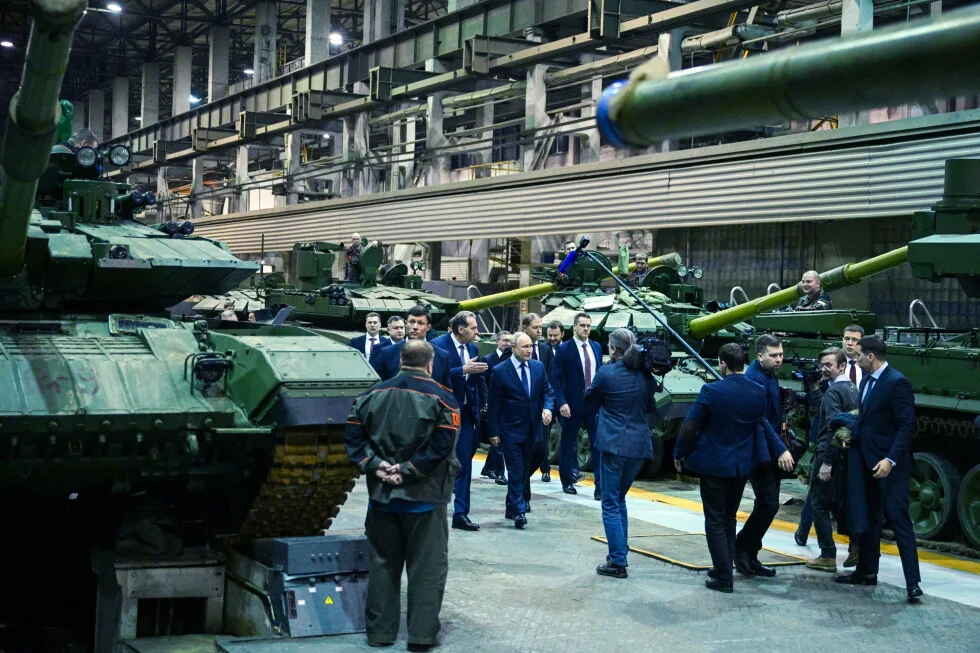
According to a recent report from the Center for Strategic & International Studies on Russia’s defense industries, the Uralvagonzavod tank factory in Nizhny Tagil, in the Urals region, has increased its workforce from about 20,000 to more than 38,000 since the invasion of Ukraine, as it launched 24-hour production.
Kupol, which makes drones and surface-to-air missiles, is the largest industrial enterprise in the Udmurtia region on the Volga River and more than doubled its output in 2025.
Shortages of skilled labor are holding back production at defense firms and throughout the wider economy, a problem made worse by the emigration of several hundred thousand mostly younger people fleeing conscription and political repression.
Kremlin spokesperson Dmitry Peskov said month-to-month deficit figures were volatile and that “this is not a figure that should be cause for concern.
Macroeconomic stability is absolutely ensured.”
However, Andrei Klepach, chief economist at Russia's state-owned VEB.RF state development bank, cautioned in a speech that, owing to sanctions and economic isolation, "we're falling behind in the technological and economic competition in the world," and that "we can't win the competition in this war of attrition."
He was relieved of his duties.
Dasha Litvinova, reporting from Tallinn, Estonia, contributed to this report.
September 18th, 2026
Trending Articles
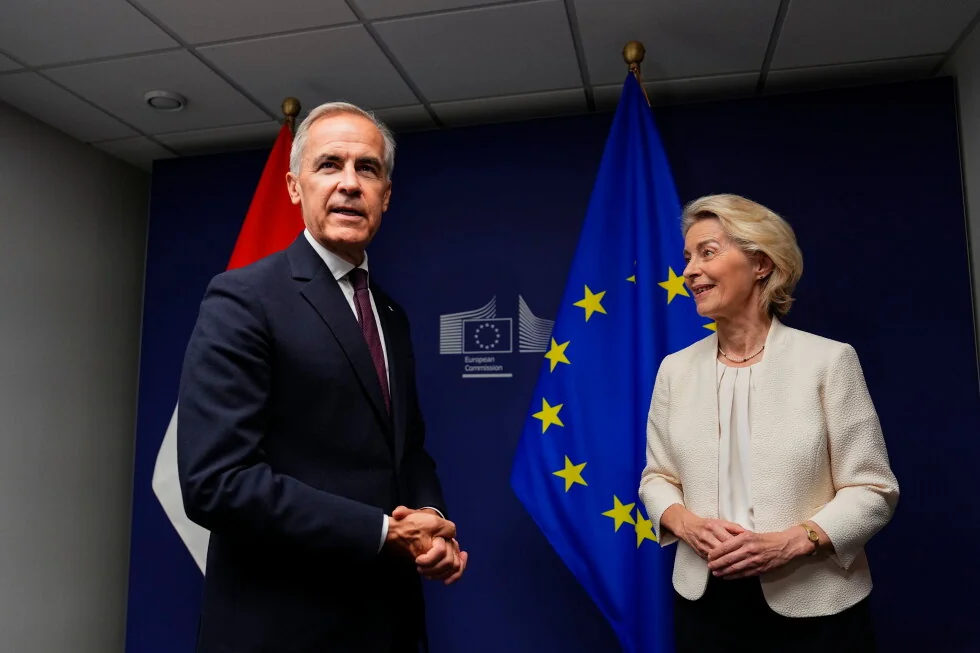
EUのカナダへの「準加盟国」提案が示唆しうるもの
What the EU’s ‘associate member’ offer to Canada could signify
EUのカナダへの「準加盟国」提案が示唆しうるもの
What the EU’s ‘associate member’ offer to Canada could signify
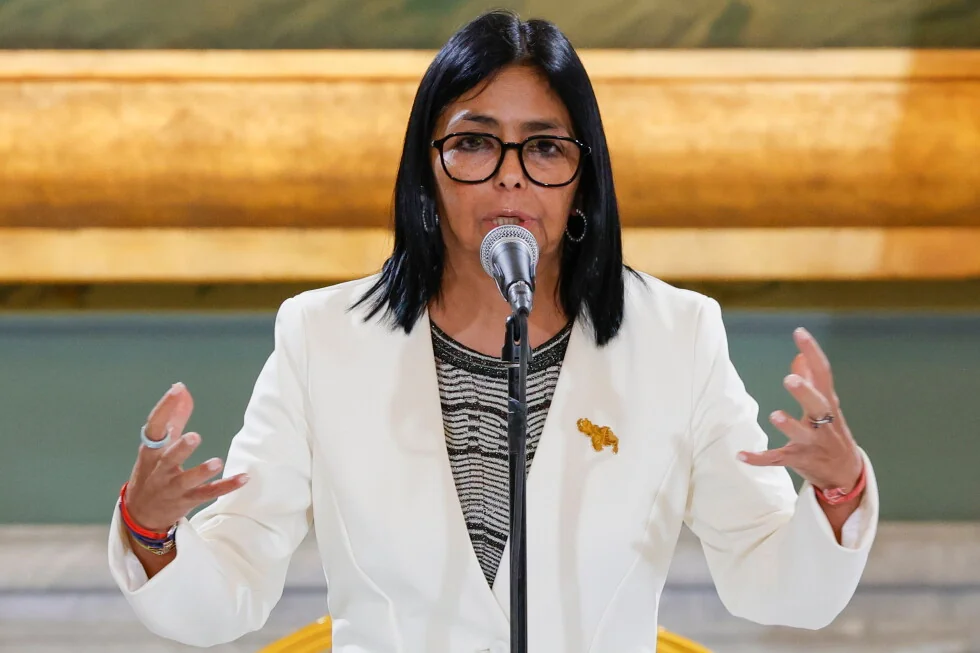
ホワイトハウスによると、トランプ氏は来週ニューヨークでベネズエラのデルシー・ロドリゲス暫定大統領と会談する予定である。
Trump to meet Venezuela's acting President Delcy Rodríguez in New York next week, White House says
ホワイトハウスによると、トランプ氏は来週ニューヨークでベネズエラのデルシー・ロドリゲス暫定大統領と会談する予定である。
Trump to meet Venezuela's acting President Delcy Rodríguez in New York next week, White House says
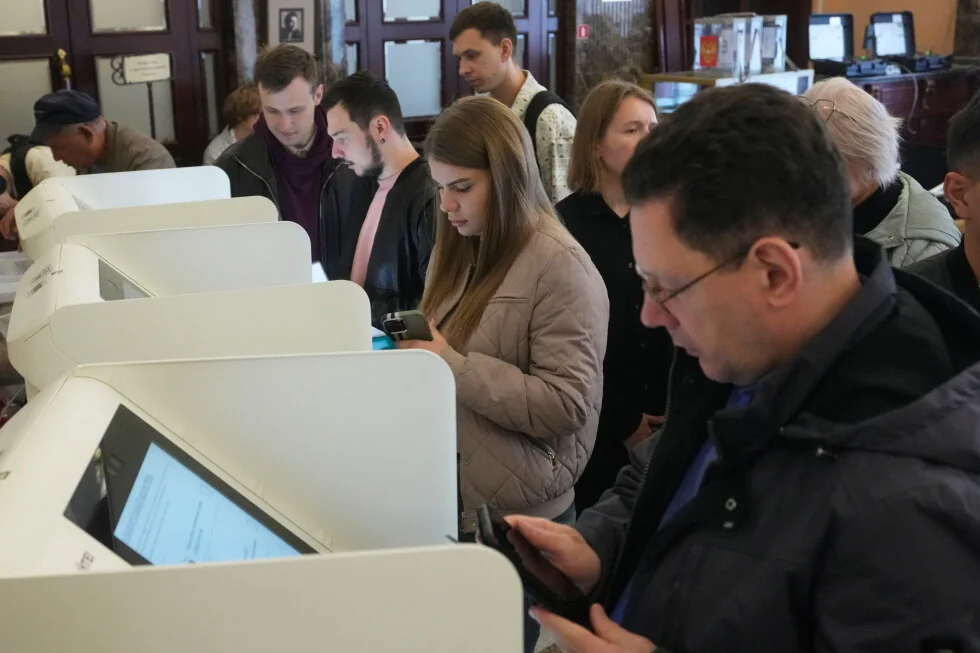
ロシアは、クレムリンの権力を確固たるものにするとみられる議会選挙で3日間の投票を開始した
Russia starts 3 days of voting in a parliamentary election poised to cement the Kremlin’s power
ロシアは、クレムリンの権力を確固たるものにするとみられる議会選挙で3日間の投票を開始した
Russia starts 3 days of voting in a parliamentary election poised to cement the Kremlin’s power
戦時中の敵対関係にもかかわらず、アメリカ合衆国は国連ハイレベル会合のためイランの最高指導者らにビザを付与
US grants visas to top Iranian leaders for UN high-level meeting despite wartime hostilities
戦時中の敵対関係にもかかわらず、アメリカ合衆国は国連ハイレベル会合のためイランの最高指導者らにビザを付与
US grants visas to top Iranian leaders for UN high-level meeting despite wartime hostilities
国連専門家、イラン攻撃におけるアメリカ合衆国の戦争犯罪の可能性を主張
UN experts allege possible US war crimes in Iran strikes
国連専門家、イラン攻撃におけるアメリカ合衆国の戦争犯罪の可能性を主張
UN experts allege possible US war crimes in Iran strikes
ルーマニア国境沿いの住民、ドローン警報の増加に警戒感を強める
Romanian Border Residents Alarmed as Drone Alerts Mount
ルーマニア国境沿いの住民、ドローン警報の増加に警戒感を強める
Romanian Border Residents Alarmed as Drone Alerts Mount
カーニー氏、トランプ氏がカナダを欧州へと押しやる中、EU準加盟国としての地位を支持
Carney backs EU associate membership as Trump pushes Canada toward Europe
カーニー氏、トランプ氏がカナダを欧州へと押しやる中、EU準加盟国としての地位を支持
Carney backs EU associate membership as Trump pushes Canada toward Europe

アメリカのホルムズ海峡再開への進展、しかしイラン戦争は依然続く
US Progress on Strait of Hormuz Reopening, Yet Iran War Persists
アメリカのホルムズ海峡再開への進展、しかしイラン戦争は依然続く
US Progress on Strait of Hormuz Reopening, Yet Iran War Persists

ナイジェリア人6人、ロマンス詐欺で女性から600万ドルを騙し取ったとしてアメリカ合衆国へ身柄引き渡しへ
6 Nigerians to Be Extradited to US for Defrauding Women of $6M in Romance Scams
ナイジェリア人6人、ロマンス詐欺で女性から600万ドルを騙し取ったとしてアメリカ合衆国へ身柄引き渡しへ
6 Nigerians to Be Extradited to US for Defrauding Women of $6M in Romance Scams