EUのカナダへの「準加盟国」提案が示唆しうるもの
September 18th, 2026
EUのカナダへの「準加盟国」提案が示唆しうるもの
🇯🇵 日本語
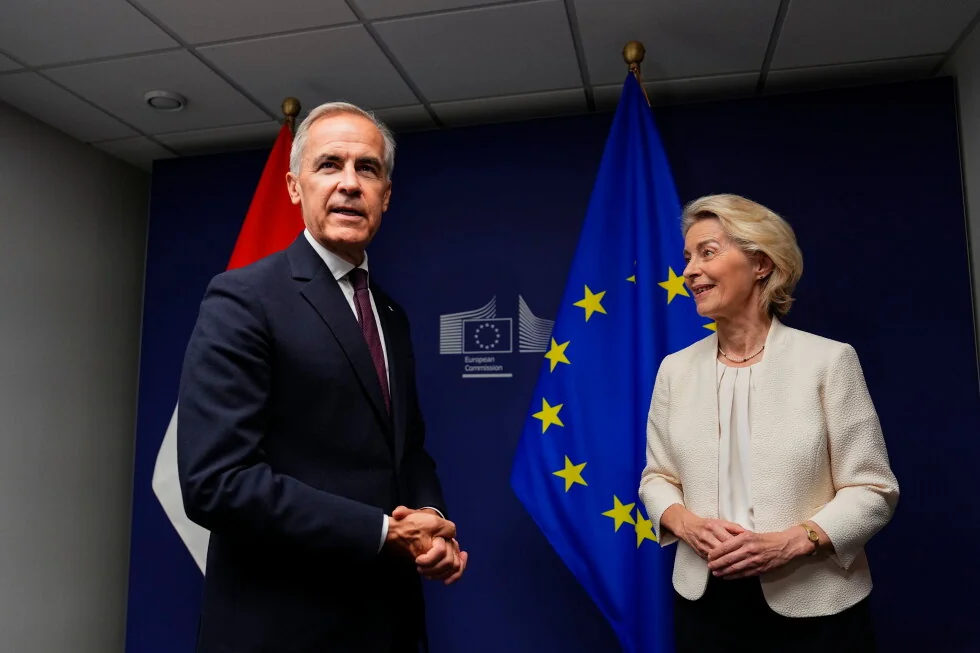
By opening the door this week for Canada to become the first “associate member” of the European Union, European Commission President Ursula von der Leyen gave Prime Minister Mark Carney hope, but also an illusion.
There are numerous ways to move toward joining the world’s largest trade bloc, or to deepen trade or political ties with it, but associate membership is not one of them.
It simply does not exist.
Still, however vague von der Leyen's offer was, it was a win for Carney, who is locked in a trade war with U.S. President Donald Trump.
It also gives the EU a firm partnership with another Western democracy as its own ties with and trust in its old ally the United States fade.
“In this new world, we must urgently reimagine our partnerships,” von der Leyen said on Wednesday.
Then she did exactly that, saying to Carney: “I would like to work with you on opening the door for Canada being the first associate member of the EU.”
While the precise parameters of “associate membership” remain to be delineated, Association Agreements are already an established instrument.
Over 20 countries — spanning from Albania to Israel to Ukraine — have already concluded such agreements with the bloc.
These treaties regulate trade and security relations and are regarded as a significant step toward membership.
It remains uncertain how von der Leyen’s proposal of associate membership would differ, or whether Canada would first have to consent to such a treaty.
Association Agreements, as well as any other decisions concerning the enlargement of the EU and its formal relations with the outside world, require the unanimous approval of all 27 EU member countries, and von der Leyen did not consult widely regarding her proposal of associate membership.
Getting all 27 countries to support the offer, especially one this vague, will be a major challenge.
Yet even among those who support closer ties with Canada, there are concerns.
Stefan Kornelius, a spokesperson for the German government, said that Berlin welcomes the idea but has reservations — at least about the name the new relationship might be given.
"We are open to discussing new partnership models," he said after von der Leyen's speech.
"But we should rethink the concept, the title that is connected with this."
In May, German Chancellor Friedrich Merz pressed the EU to consider offering associate membership to conflict-torn Ukraine, aiming to revive talks to end over four years of war with Russia.
Ukraine is seeking full membership, nothing less.
Meanwhile, Helen McEntee, Ireland's minister for foreign affairs and trade — the country currently holding the EU's rotating presidency — said her government was prepared "to explore associate membership for Canada."
David McAllister, who chairs the European Parliament’s Foreign Affairs Committee, struck a more cautious note, stating that the proposal’s “concrete terms now need careful assessment.”
Carney himself welcomed the invitation, though he remained uncertain as to what form it might take.
“We are going to better define the broad lines of this new alliance,” he said at the European Parliament on Thursday.
He pointed to the EU-Canada summit in Montreal on Oct. 29-30 as a good place to start.
"What matters is the substance.
What are we actually building together, how do we combine our strengths in a way that better serves our people, protects our fundamental rights and creates prosperity," Carney said.
He was unequivocal on one point, however.
“Canada is not in a position, nor seeking, to become a full member of the European Union,” he said.
The offer certainly caught Trump’s attention.
He suggested that allowing Canada to become an associate EU member could be a “hostile act” and threatened to respond by imposing more trade restrictions on the bloc.
Trump remarked that should European leaders be acting out of “a good intention, that’s fine.
If it’s a bad intention, we’ll put very heavy tariffs on Europe.”
Carney insisted that Canada, through its overtures to the EU, is not seeking to create a bloc that would become “a great power rival, only with better manners.”
Neither he nor von der Leyen mentioned Trump by name during their speeches.
According to Fabian Zuleeg, chief executive at the European Policy Centre think tank, Trump’s response demonstrated that the newly forged EU-Canada partnership was of consequence.
But Zuleeg agreed that the practical details of EU-Canada ties matter far more than its name.
"The label must now be filled with concrete substance, not remain another announcement," he said.
September 18th, 2026
Trending Articles
ホワイトハウスによると、トランプ氏は来週ニューヨークでベネズエラのデルシー・ロドリゲス暫定大統領と会談する予定である。
Trump to meet Venezuela's acting President Delcy Rodríguez in New York next week, White House says
ホワイトハウスによると、トランプ氏は来週ニューヨークでベネズエラのデルシー・ロドリゲス暫定大統領と会談する予定である。
Trump to meet Venezuela's acting President Delcy Rodríguez in New York next week, White House says
ロシアの戦時経済は債務と軍事支出による長期的な侵食に直面している
Russia’s Wartime Economy Faces Long-Term Erosion from Debt and Military Spending
ロシアの戦時経済は債務と軍事支出による長期的な侵食に直面している
Russia’s Wartime Economy Faces Long-Term Erosion from Debt and Military Spending
ロシアは、クレムリンの権力を確固たるものにするとみられる議会選挙で3日間の投票を開始した
Russia starts 3 days of voting in a parliamentary election poised to cement the Kremlin’s power
ロシアは、クレムリンの権力を確固たるものにするとみられる議会選挙で3日間の投票を開始した
Russia starts 3 days of voting in a parliamentary election poised to cement the Kremlin’s power
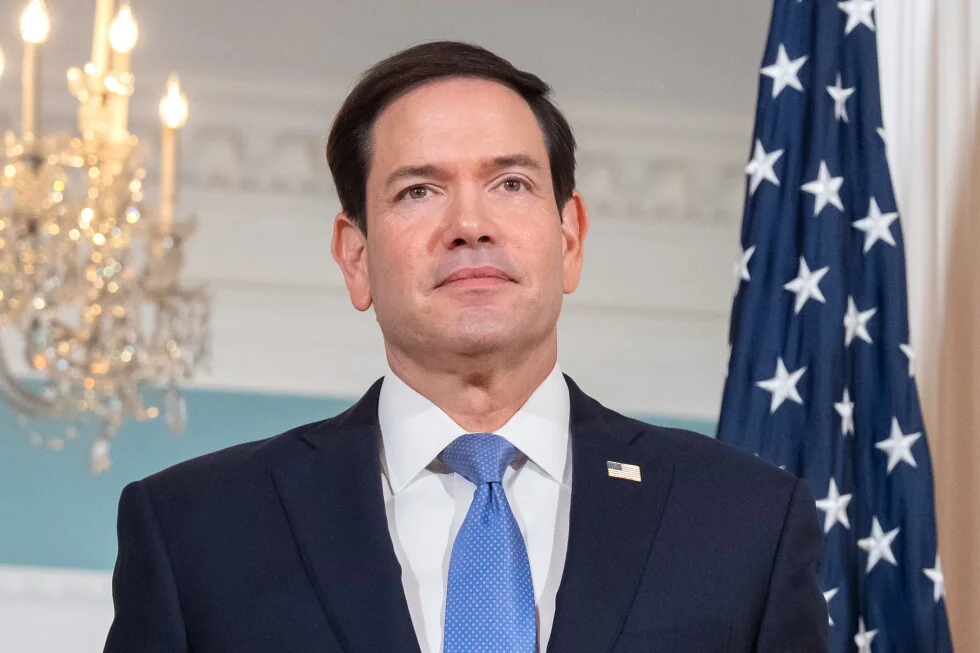
戦時中の敵対関係にもかかわらず、アメリカ合衆国は国連ハイレベル会合のためイランの最高指導者らにビザを付与
US grants visas to top Iranian leaders for UN high-level meeting despite wartime hostilities
戦時中の敵対関係にもかかわらず、アメリカ合衆国は国連ハイレベル会合のためイランの最高指導者らにビザを付与
US grants visas to top Iranian leaders for UN high-level meeting despite wartime hostilities
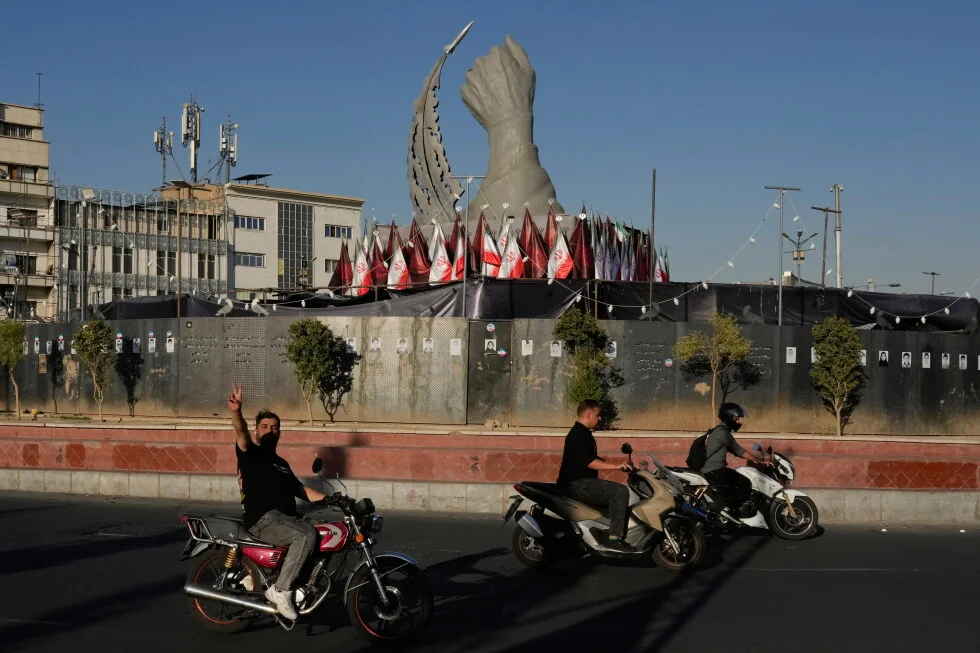
国連専門家、イラン攻撃におけるアメリカ合衆国の戦争犯罪の可能性を主張
UN experts allege possible US war crimes in Iran strikes
国連専門家、イラン攻撃におけるアメリカ合衆国の戦争犯罪の可能性を主張
UN experts allege possible US war crimes in Iran strikes
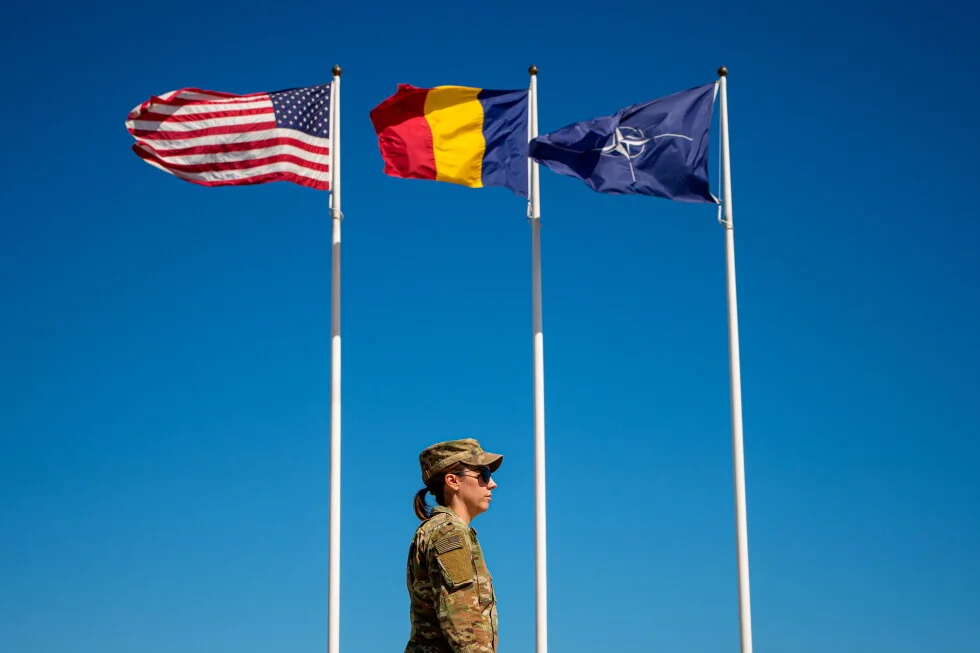
ルーマニア国境沿いの住民、ドローン警報の増加に警戒感を強める
Romanian Border Residents Alarmed as Drone Alerts Mount
ルーマニア国境沿いの住民、ドローン警報の増加に警戒感を強める
Romanian Border Residents Alarmed as Drone Alerts Mount
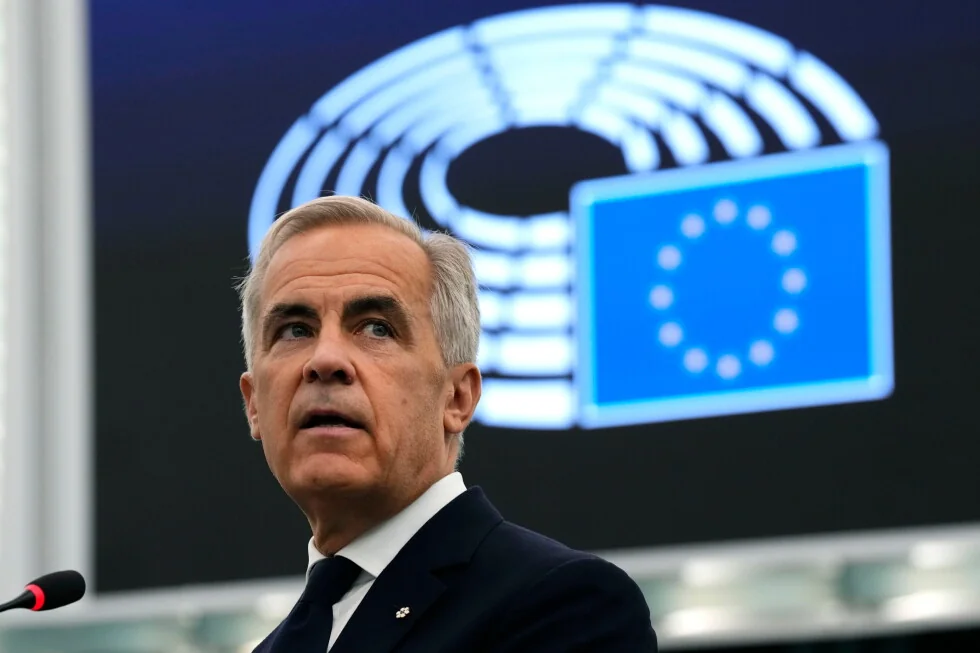
カーニー氏、トランプ氏がカナダを欧州へと押しやる中、EU準加盟国としての地位を支持
Carney backs EU associate membership as Trump pushes Canada toward Europe
カーニー氏、トランプ氏がカナダを欧州へと押しやる中、EU準加盟国としての地位を支持
Carney backs EU associate membership as Trump pushes Canada toward Europe

アメリカのホルムズ海峡再開への進展、しかしイラン戦争は依然続く
US Progress on Strait of Hormuz Reopening, Yet Iran War Persists
アメリカのホルムズ海峡再開への進展、しかしイラン戦争は依然続く
US Progress on Strait of Hormuz Reopening, Yet Iran War Persists

ナイジェリア人6人、ロマンス詐欺で女性から600万ドルを騙し取ったとしてアメリカ合衆国へ身柄引き渡しへ
6 Nigerians to Be Extradited to US for Defrauding Women of $6M in Romance Scams
ナイジェリア人6人、ロマンス詐欺で女性から600万ドルを騙し取ったとしてアメリカ合衆国へ身柄引き渡しへ
6 Nigerians to Be Extradited to US for Defrauding Women of $6M in Romance Scams