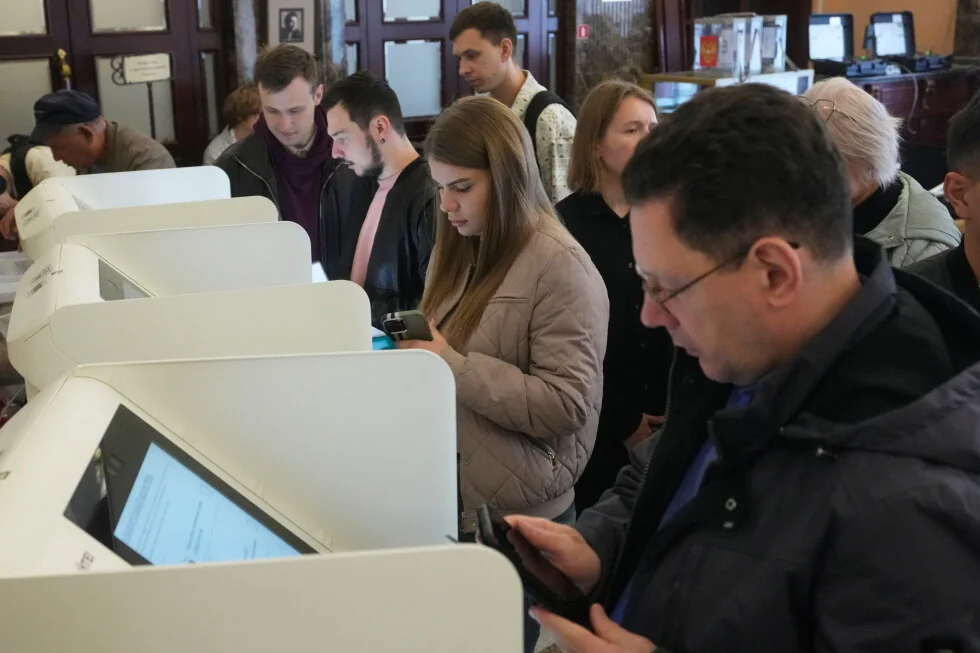
ロシアは、クレムリンの権力を確固たるものにするとみられる議会選挙で3日間の投票を開始した
September 18th, 2026
ロシアは、クレムリンの権力を確固たるものにするとみられる議会選挙で3日間の投票を開始した
🇯🇵 日本語
On Friday, Russians began three days of voting in the country's first wartime parliamentary election, which has almost no opposition and is almost certain to ensure the Kremlin's political dominance.
In an effort to boost turnout among the 111 million eligible voters, authorities extended the election over the weekend, concluding on Sunday, and even permitted electronic balloting.
According to the Central Election Commission, turnout stood at approximately 30% as of late Friday, including online voting.
The Kremlin wants the parliamentary election — the first since the full-scale invasion of Ukraine in 2022 — to highlight public support for the war and give its actions a veneer of legitimacy.
It has tried to avoid any political risks by stamping out even the slightest sign of dissent.
“Your choice and resolve will once again demonstrate that millions of people stand behind our fighters, that we are a united people, bound by shared values, historical memory, and love for the Motherland,” President Vladimir Putin told the nation before the vote.
The Kremlin announced that Putin had cast his ballot online on Friday, disseminating images of him seated before a computer screen.
The principal Kremlin party, United Russia, is virtually certain to preserve its overwhelming dominance of the lower chamber, the State Duma.
A number of smaller parties belonging to the “systemic opposition,” which align their votes with the government on every pivotal issue, are likewise anticipated to maintain their representation.
Voters cast two separate ballots, filling half of the Duma’s 450 seats by selecting political parties listed on the ballot.
The remainder are contested in single-seat constituencies, where voters choose individual candidates.
Russians interviewed by reporters voiced divergent expectations regarding the election.
Dmitry Kirillin, in Moscow, stated earlier this week that he would like “to see some changes.
To see a different party” at the helm.
Muscovite Alexander Vertukhin, however, was of the conviction that “what United Russia and the communists are doing is quite sufficient; their platforms cover everything.”
Addressing those gathered at a Moscow polling station on Friday, pensioner Galina Vavilova remarked that she believed bringing the war in Ukraine to an end “is the main thing, of course.”
"That is the most crucial matter at present.
Everyone desires peace; that is essentially what it amounts to.
So that our people remain safe and unharmed," she said.
Another pensioner, Lyudmila Kalinina, expressed a wish for life “to stabilize for the better” and for “an end to the big divide between the ultra-rich and the extremely poor, because, after all, many people don’t live a very sweet life.”
Vladimir Chubarev, a 72-year-old professor, voiced his hope “for all the important initiatives our government is undertaking to succeed,” adding: “And, of course, for victory.”
The liberal Yabloko party, the only registered political entity that dared to criticize the war, was removed from the ballot last month by Russia’s Supreme Court, and it has only a few dozen candidates in the single-constituency races.
In addition, some anti-war politicians have been imprisoned or forced to flee abroad before the campaign.
The election follows a summer of Ukraine's long-range drone strikes on oil refineries, which triggered a widespread fuel crisis.
Warehouses belonging to the online retailers Wildberries and Ozon were also attacked.
The damage has worsened problems for the Russian economy and brought the war home for millions.
In Russia’s Black Sea resort of Sochi, polling stations were temporarily shuttered owing to the threat of a drone attack, according to local officials.
One polling station in the Krasnodar region had to be relocated to an alternative venue after a drone shattered its windows, said Central Election Commission head Ella Pamfilova.
For the first time, the parliamentary election includes residents of four Ukrainian regions that Moscow illegally annexed after the war began, but still doesn’t fully control.
Voting also is taking place in Crimea, the Black Sea peninsula that was illegally annexed by Russia in 2014.
Voters deposited their ballots into a box at a polling station situated in the Russian-held portion of eastern Ukraine's Donetsk region, while an armed Russian soldier stood nearby, observing.
Addressing a meeting with officials, Putin asserted that Ukraine was endeavouring to obstruct the vote, citing a Ukrainian strike that killed the head of a polling station in the Zaporizhzhia region.
In the Russian-occupied Luhansk region, 14 polling stations were operating on backup power after Ukrainian drones inflicted damage on electrical lines, according to Pamfilova.
Separately, Russian officials reported that Ukrainian strikes earlier this week had killed the head of a polling station and wounded another individual in the Russian-controlled Zaporizhzhia region.
Ukraine has yet to issue any immediate response to the accusation.
Kyiv's authorities denounced the voting in Russian-held areas as illegal and urged foreign governments and international organizations not to recognize the election, warning Ukrainians that taking part in organizing the balloting could carry criminal liability.
European Commission spokesperson Christian Wigand also condemned the voting in Russian-held regions as "illegal", adding that the European Union condemns it.
“These so-called elections represent yet another blatant violation of international law.
The European Union does not, and will never, recognize either the holding of these so-called elections, sham elections, in the temporarily occupied territories of Ukraine or their results,” he said.
Wigand said the way the elections are held “underscores the continued and deepening erosion of democracy in Russia,” and that the Kremlin “deprives voters in Russia of a genuine choice about the future of their country.”
He further remarked that Russia had opted against inviting observers from the Organization for Security and Cooperation in Europe, thereby flouting its commitments.
He pledged that the EU would persist in its support for Russian civil society organizations, human rights groups and independent media.
Lorne Cook, stationed in Brussels, was a contributor to this report.
September 18th, 2026
Trending Articles
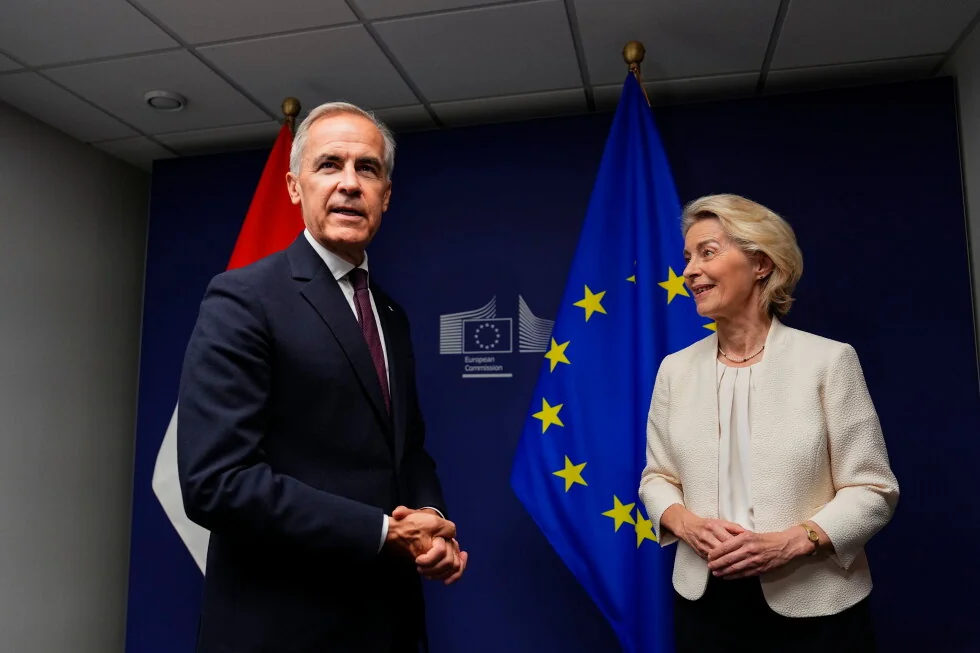
EUのカナダへの「準加盟国」提案が示唆しうるもの
What the EU’s ‘associate member’ offer to Canada could signify
EUのカナダへの「準加盟国」提案が示唆しうるもの
What the EU’s ‘associate member’ offer to Canada could signify
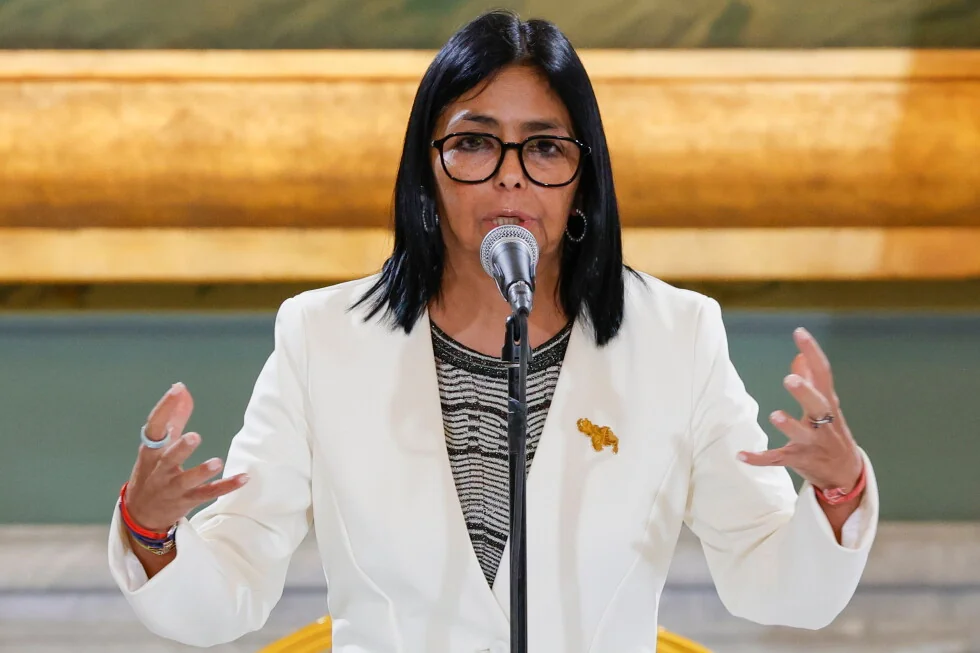
ホワイトハウスによると、トランプ氏は来週ニューヨークでベネズエラのデルシー・ロドリゲス暫定大統領と会談する予定である。
Trump to meet Venezuela's acting President Delcy Rodríguez in New York next week, White House says
ホワイトハウスによると、トランプ氏は来週ニューヨークでベネズエラのデルシー・ロドリゲス暫定大統領と会談する予定である。
Trump to meet Venezuela's acting President Delcy Rodríguez in New York next week, White House says
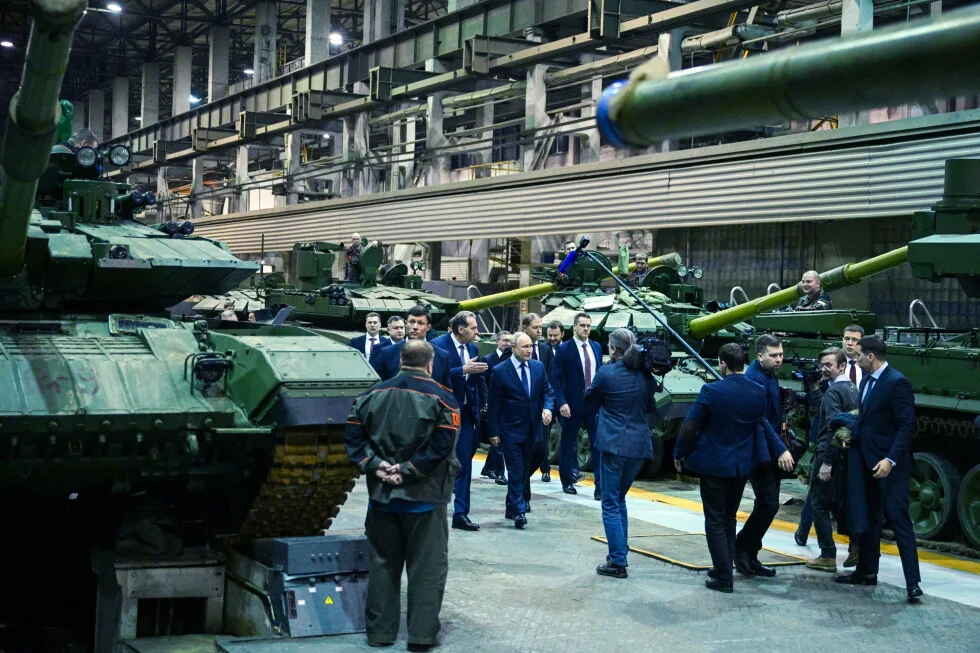
ロシアの戦時経済は債務と軍事支出による長期的な侵食に直面している
Russia’s Wartime Economy Faces Long-Term Erosion from Debt and Military Spending
ロシアの戦時経済は債務と軍事支出による長期的な侵食に直面している
Russia’s Wartime Economy Faces Long-Term Erosion from Debt and Military Spending
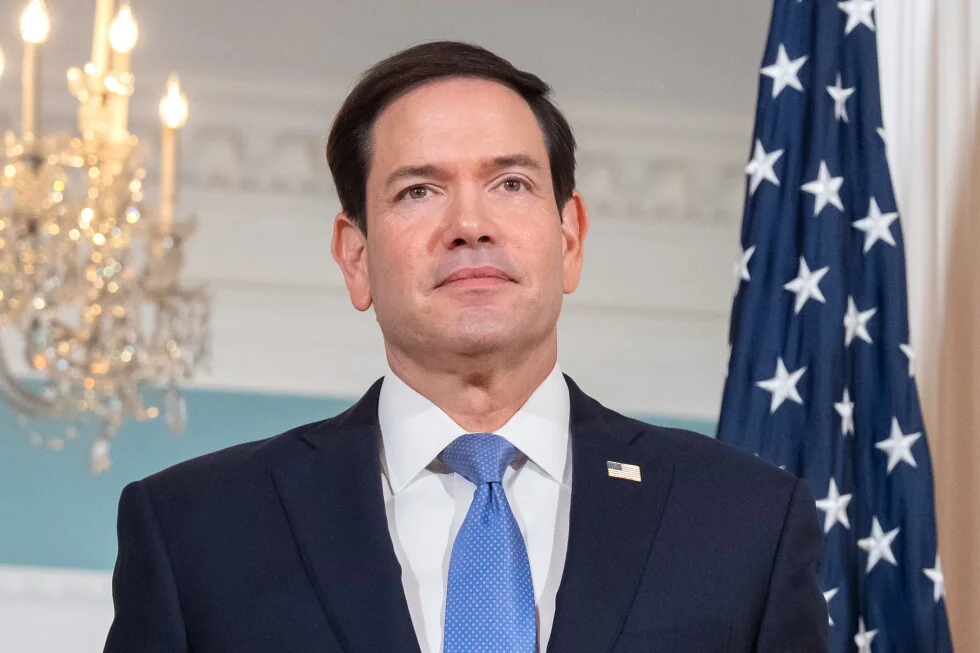
戦時中の敵対関係にもかかわらず、アメリカ合衆国は国連ハイレベル会合のためイランの最高指導者らにビザを付与
US grants visas to top Iranian leaders for UN high-level meeting despite wartime hostilities
戦時中の敵対関係にもかかわらず、アメリカ合衆国は国連ハイレベル会合のためイランの最高指導者らにビザを付与
US grants visas to top Iranian leaders for UN high-level meeting despite wartime hostilities
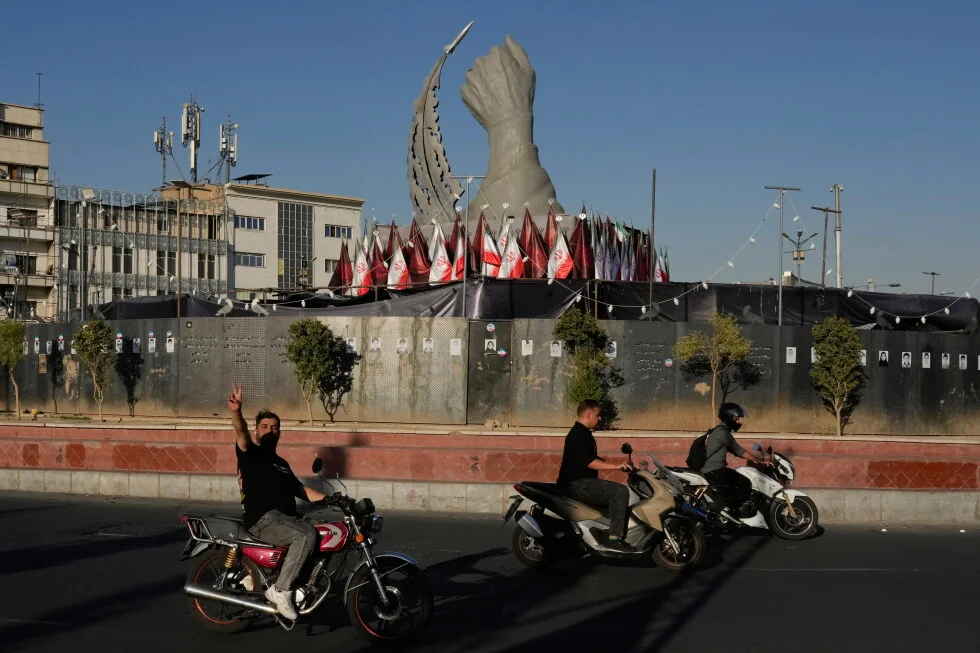
国連専門家、イラン攻撃におけるアメリカ合衆国の戦争犯罪の可能性を主張
UN experts allege possible US war crimes in Iran strikes
国連専門家、イラン攻撃におけるアメリカ合衆国の戦争犯罪の可能性を主張
UN experts allege possible US war crimes in Iran strikes
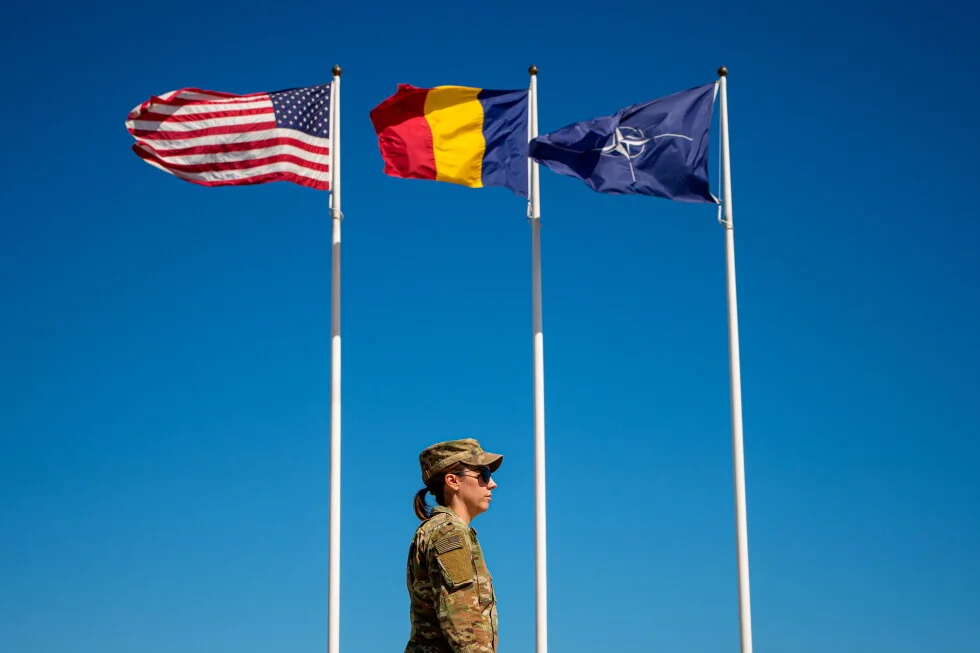
ルーマニア国境沿いの住民、ドローン警報の増加に警戒感を強める
Romanian Border Residents Alarmed as Drone Alerts Mount
ルーマニア国境沿いの住民、ドローン警報の増加に警戒感を強める
Romanian Border Residents Alarmed as Drone Alerts Mount
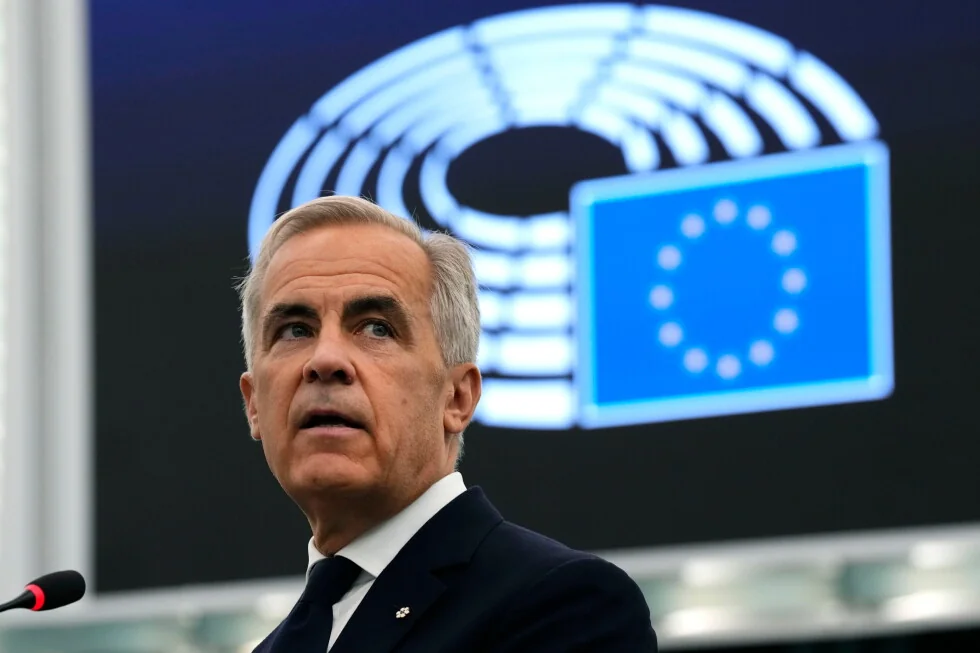
カーニー氏、トランプ氏がカナダを欧州へと押しやる中、EU準加盟国としての地位を支持
Carney backs EU associate membership as Trump pushes Canada toward Europe
カーニー氏、トランプ氏がカナダを欧州へと押しやる中、EU準加盟国としての地位を支持
Carney backs EU associate membership as Trump pushes Canada toward Europe

アメリカのホルムズ海峡再開への進展、しかしイラン戦争は依然続く
US Progress on Strait of Hormuz Reopening, Yet Iran War Persists
アメリカのホルムズ海峡再開への進展、しかしイラン戦争は依然続く
US Progress on Strait of Hormuz Reopening, Yet Iran War Persists

ナイジェリア人6人、ロマンス詐欺で女性から600万ドルを騙し取ったとしてアメリカ合衆国へ身柄引き渡しへ
6 Nigerians to Be Extradited to US for Defrauding Women of $6M in Romance Scams
ナイジェリア人6人、ロマンス詐欺で女性から600万ドルを騙し取ったとしてアメリカ合衆国へ身柄引き渡しへ
6 Nigerians to Be Extradited to US for Defrauding Women of $6M in Romance Scams