
アメリカのホルムズ海峡再開への進展、しかしイラン戦争は依然続く
September 11th, 2026
アメリカのホルムズ海峡再開への進展、しかしイラン戦争は依然続く
🇯🇵 日本語
In recent weeks, the United States has managed to loosen Iran's grip over the Strait of Hormuz while all but halting Iran's own oil exports, thereby speeding its economic free fall.
But the war that the U.S. and Israel launched in February — expected to last only a few weeks — is still far from over, and the deadlock is costly for both sides.
An agreement reached in June quickly fell apart, with no sign of diplomatic progress since.
Low-level fighting continues, and the U.S. does not appear to have an exit strategy.
The mounting economic pressure on Iran has yet to spark an uprising, and if its leaders are pushed into a corner, they may choose military escalation over surrender.
Meanwhile, their Houthi allies in Yemen have intensified attacks on Saudi Arabia, helping to drive oil prices back up.
The price of a barrel of Brent crude, the international benchmark, surged above $100 this week, while diesel — heavily relied upon in transport and agriculture — reached a record high, potentially fuelling inflation.
U.S. President Donald Trump has conceded that gas prices are likely to remain elevated throughout the midterm congressional elections.
"Unfortunately, the U.S. is not prevailing in the war with Iran, despite its limited success in loosening Iran's grip over the strait and the devastating impact on Iran's economy," said Mona Yacoubian, a Middle East expert at the Center for Strategic and International Studies in Washington.
Iran shows no sign of backing down, and instead has demonstrated a willingness not only to fight back, but to escalate wherever it can.
The war is likely to be protracted, with no clear victor.
In the opening days of the war, Iran effectively closed the Strait of Hormuz — through which a fifth of the world's traded oil and gas passes in peacetime — leveraging the global economic shock that followed.
Meanwhile, it continued to export its own oil, mainly to China.
Yet in recent weeks, that balance has been upended.
According to figures compiled by Homayoun Falakshahi, an oil analyst at Kpler, a global trade monitor, a U.S. blockade has all but brought Iran's exports to a standstill, while the American military has enabled Gulf countries to export more.
He found that Iran’s oil exports had fallen sharply, from 1.85 million barrels a day the previous spring to roughly 255,000 by August.
At the same time, exports of non-Iranian oil climbed from 300,000 barrels a day at the height of the war to 8.4 million in September, and exports through alternative routes raised that total to 10.8 million.
U.S. Energy Secretary Chris Wright boasted of comparable figures on Sunday, asserting that “we’re probably two-thirds or more of preconflict flows.”
According to Falakshahi, non-Iranian exports had stood at approximately 14 million barrels a day prior to the war.
Yet the heightened traffic depends on a substantial U.S. deployment in the strait, one that has stretched the military’s resources thin.
The unpopular war has already cost American taxpayers more than $37.5 billion and left 18 U.S. service members dead, and it is expected to weigh on Republicans in November’s election.
The tightened blockade, together with new U.S. sanctions, is already taking a heavy toll on Iran's economy, driving up prices and causing even longer lines outside gas stations.
But so far, it has shown no sign of pushing the country's increasingly hard-line leaders to make concessions on the Strait of Hormuz, Iran's disputed nuclear program, or its support for armed groups in the region.
"Washington's core problem is that it still lacks a theory of victory: more ships are getting through, and Iran is hurting, yet none of that has produced a political outcome," said Ali Vaez, an Iran expert at the International Crisis Group think tank.
Iran has persisted in attacking ships in the strait, which prompted limited U.S. strikes on its coastal areas and then retaliatory missile attacks on Arab countries hosting U.S. forces.
Trump recently dismissed the conflict as “small potatoes.”
Yet with America's supply of sophisticated interceptors showing strain, Iran might be tempted to escalate its attacks — or to respond through regional proxies.
This week, the Iran-backed Houthis launched a wave of attacks on Saudi oil facilities, marking the latest escalation in a conflict that goes back more than a decade but has heated up in recent weeks.
The Houthis are also attacking Saudi shipping, threatening its oil exports and a crucial trade route through the Bab el-Mandeb chokepoint leading to the Red Sea and the Suez Canal.
The Houthis have damaged Saudi Arabia's Jizan refinery, a major supplier of diesel and jet fuel to Europe, Falakshahi said.
The volume of Saudi oil passing through the Bab el-Mandeb bound for Asia has plunged from around 3.4 million barrels a day in June to just 128,000 in August, according to Kpler's figures, though it has recovered slightly to some 700,000 barrels per day in September.
“Tehran has repeatedly signaled that it will respond to growing U.S. pressure by moving up the escalation ladder, not by backing down,” wrote Danny Citrinowicz, a senior researcher at Israel’s Institute for National Security Studies and a former Israeli intelligence officer focused on Iran, on X.
“Iran will not simply accept an indefinite maritime blockade, nor will it allow Washington to impose mounting economic costs without imposing costs of its own,” he wrote.
Krauss reported from the Middle East for over two decades, having been posted in Cairo, Jerusalem and Baghdad.
September 11th, 2026
Trending Articles
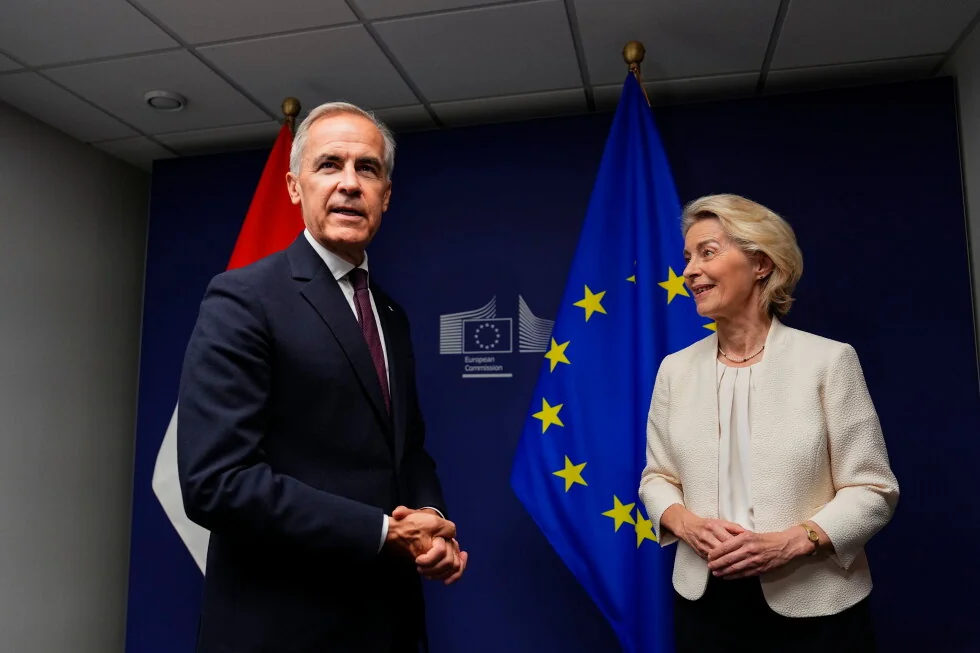
EUのカナダへの「準加盟国」提案が示唆しうるもの
What the EU’s ‘associate member’ offer to Canada could signify
EUのカナダへの「準加盟国」提案が示唆しうるもの
What the EU’s ‘associate member’ offer to Canada could signify
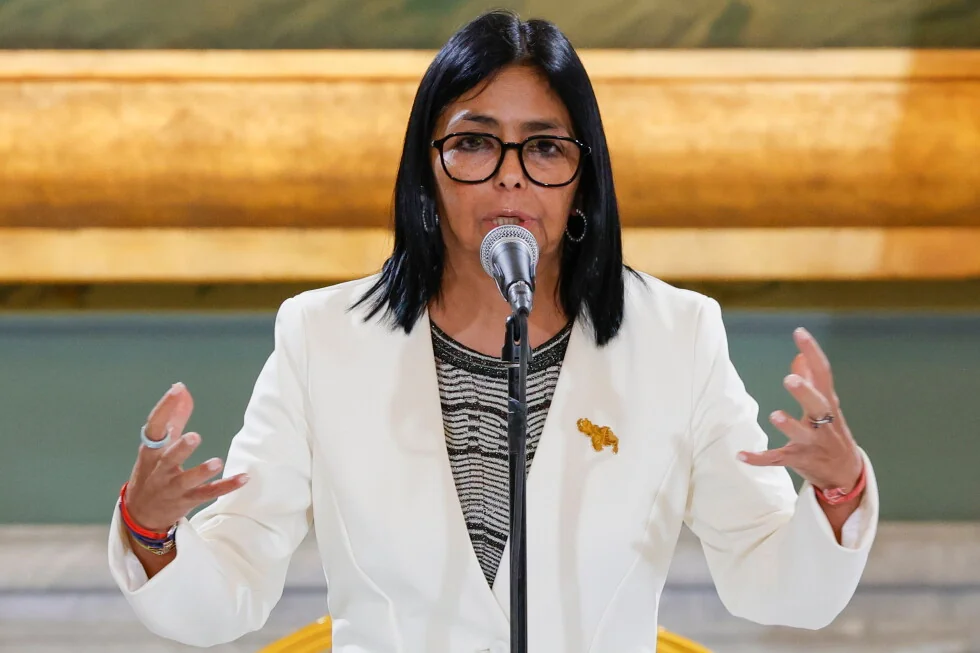
ホワイトハウスによると、トランプ氏は来週ニューヨークでベネズエラのデルシー・ロドリゲス暫定大統領と会談する予定である。
Trump to meet Venezuela's acting President Delcy Rodríguez in New York next week, White House says
ホワイトハウスによると、トランプ氏は来週ニューヨークでベネズエラのデルシー・ロドリゲス暫定大統領と会談する予定である。
Trump to meet Venezuela's acting President Delcy Rodríguez in New York next week, White House says
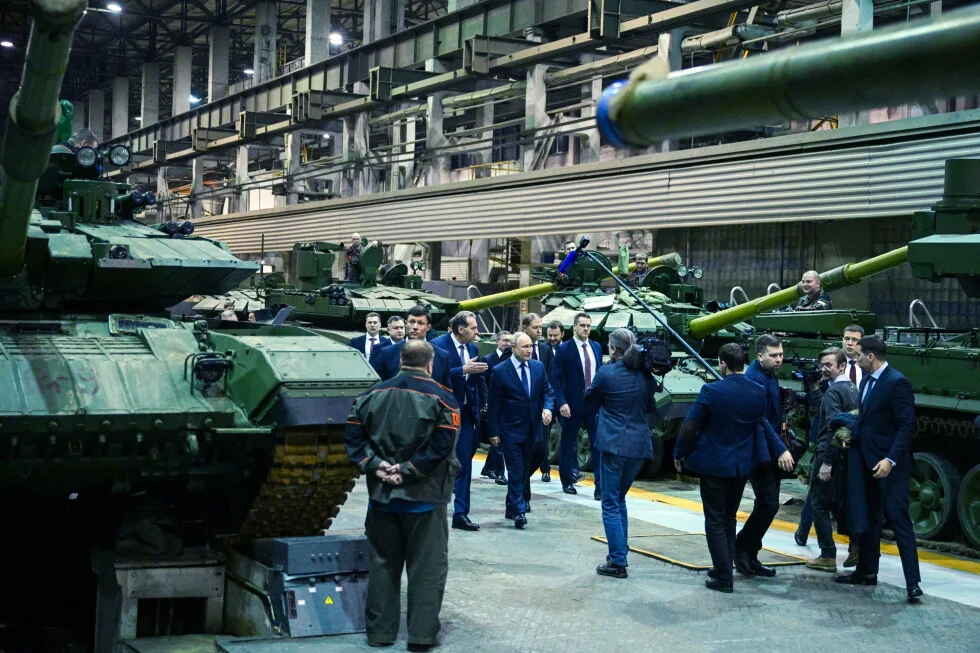
ロシアの戦時経済は債務と軍事支出による長期的な侵食に直面している
Russia’s Wartime Economy Faces Long-Term Erosion from Debt and Military Spending
ロシアの戦時経済は債務と軍事支出による長期的な侵食に直面している
Russia’s Wartime Economy Faces Long-Term Erosion from Debt and Military Spending

ロシアは、クレムリンの権力を確固たるものにするとみられる議会選挙で3日間の投票を開始した
Russia starts 3 days of voting in a parliamentary election poised to cement the Kremlin’s power
ロシアは、クレムリンの権力を確固たるものにするとみられる議会選挙で3日間の投票を開始した
Russia starts 3 days of voting in a parliamentary election poised to cement the Kremlin’s power
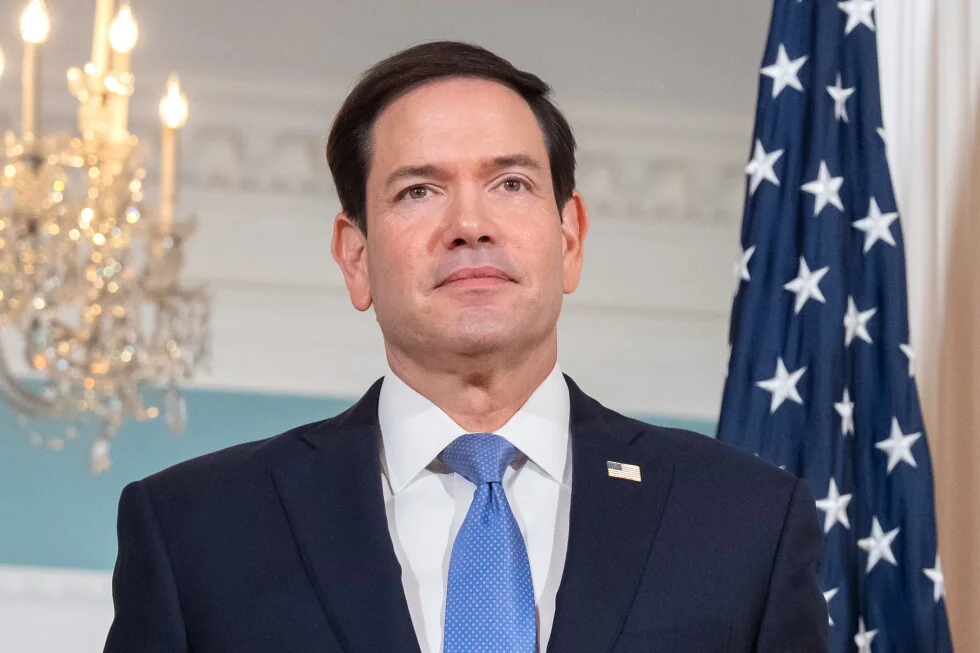
戦時中の敵対関係にもかかわらず、アメリカ合衆国は国連ハイレベル会合のためイランの最高指導者らにビザを付与
US grants visas to top Iranian leaders for UN high-level meeting despite wartime hostilities
戦時中の敵対関係にもかかわらず、アメリカ合衆国は国連ハイレベル会合のためイランの最高指導者らにビザを付与
US grants visas to top Iranian leaders for UN high-level meeting despite wartime hostilities
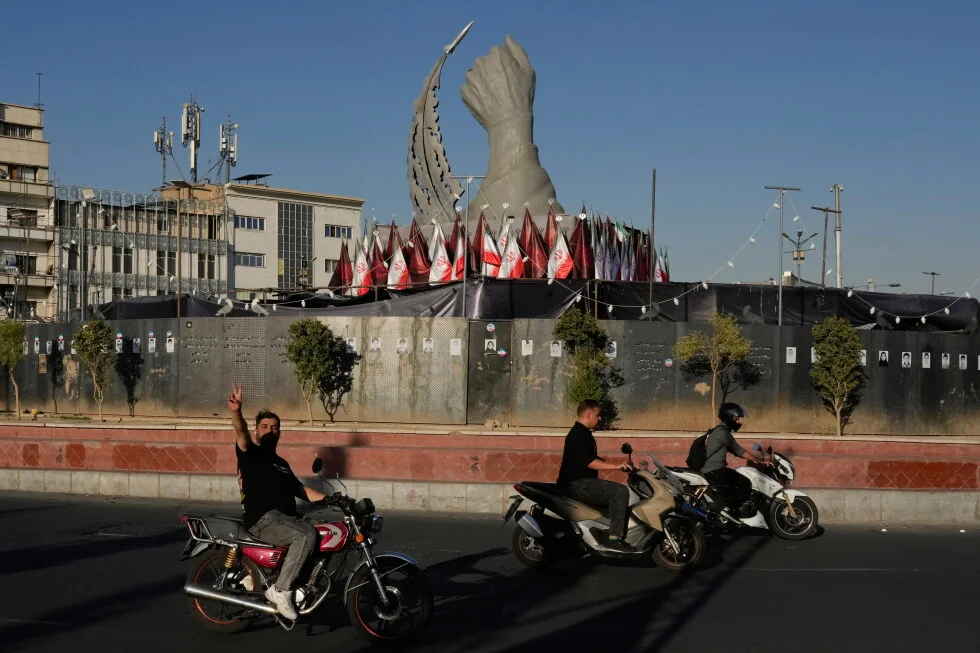
国連専門家、イラン攻撃におけるアメリカ合衆国の戦争犯罪の可能性を主張
UN experts allege possible US war crimes in Iran strikes
国連専門家、イラン攻撃におけるアメリカ合衆国の戦争犯罪の可能性を主張
UN experts allege possible US war crimes in Iran strikes
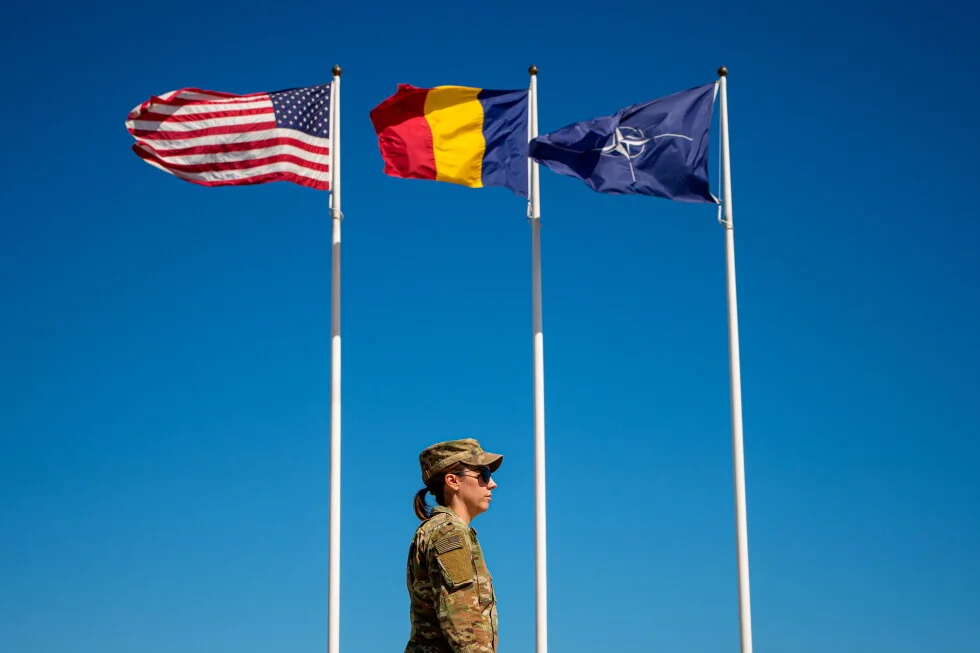
ルーマニア国境沿いの住民、ドローン警報の増加に警戒感を強める
Romanian Border Residents Alarmed as Drone Alerts Mount
ルーマニア国境沿いの住民、ドローン警報の増加に警戒感を強める
Romanian Border Residents Alarmed as Drone Alerts Mount
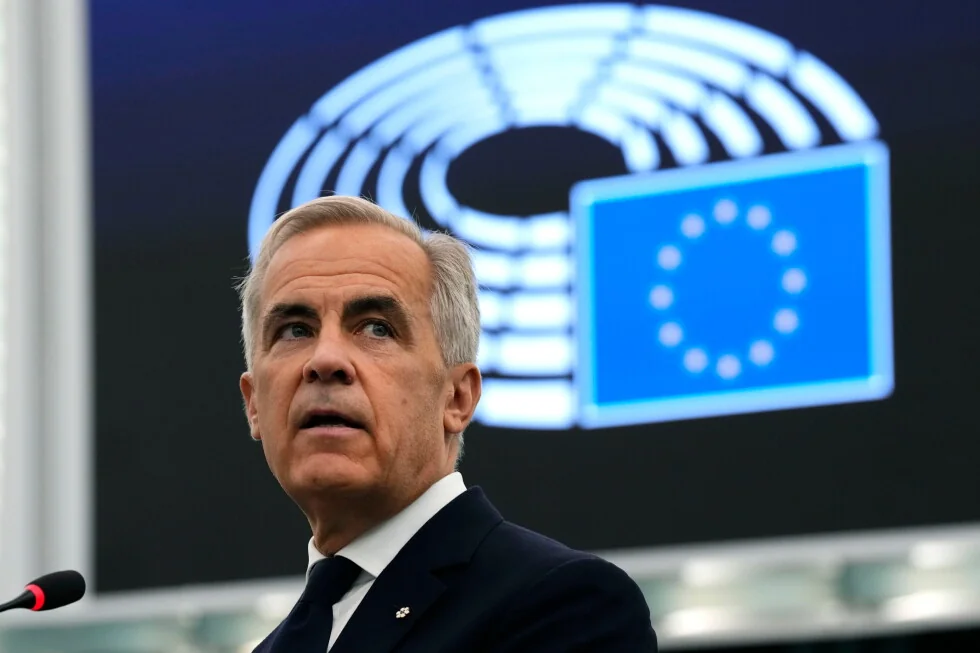
カーニー氏、トランプ氏がカナダを欧州へと押しやる中、EU準加盟国としての地位を支持
Carney backs EU associate membership as Trump pushes Canada toward Europe
カーニー氏、トランプ氏がカナダを欧州へと押しやる中、EU準加盟国としての地位を支持
Carney backs EU associate membership as Trump pushes Canada toward Europe

ナイジェリア人6人、ロマンス詐欺で女性から600万ドルを騙し取ったとしてアメリカ合衆国へ身柄引き渡しへ
6 Nigerians to Be Extradited to US for Defrauding Women of $6M in Romance Scams
ナイジェリア人6人、ロマンス詐欺で女性から600万ドルを騙し取ったとしてアメリカ合衆国へ身柄引き渡しへ
6 Nigerians to Be Extradited to US for Defrauding Women of $6M in Romance Scams