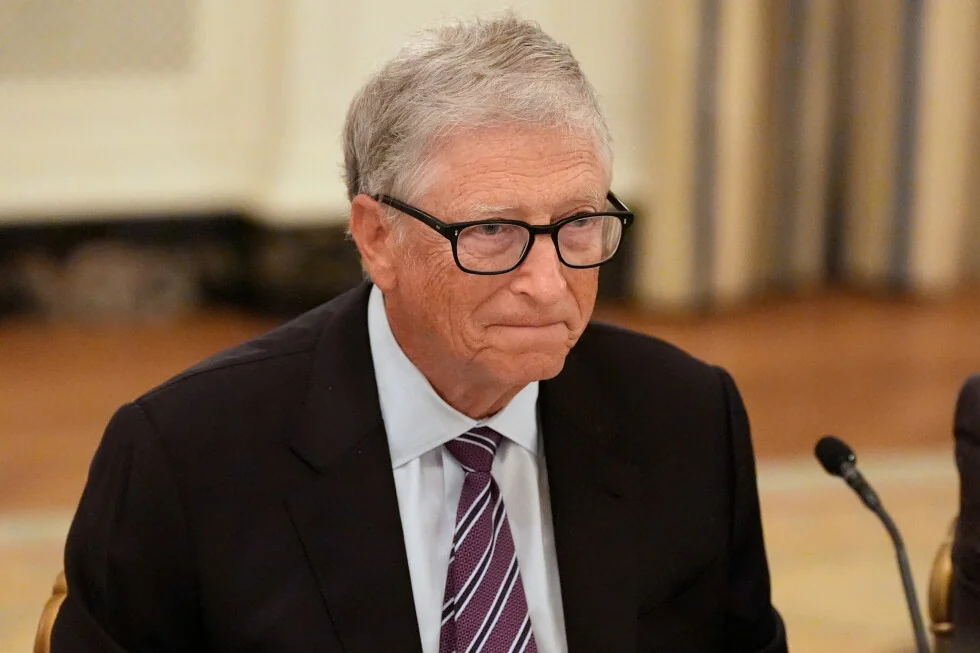
ビル・ゲイツは、自身の財団がより代表的な言語データを開発する中で、AIの「賢い活用」を提唱している。
September 22nd, 2026
ビル・ゲイツは、自身の財団がより代表的な言語データを開発する中で、AIの「賢い活用」を提唱している。
🇯🇵 日本語
Bill Gates told his foundation’s Goalkeepers gathering that “increased generosity” and “the smart use of AI” together could accelerate the fight against inequality, urging the world’s richest countries to expand international aid and apply artificial intelligence toward what he considers “lifesaving innovations.”
"We failed to instil the appropriate human values and mechanisms for ensuring our moral code governs the behaviour of these AIs," remarked Gates, the foundation's chair, during a Monday conversation with political commentator Van Jones at Jazz at Lincoln Center in New York.
The Gates Foundation’s annual event, typically held during the week of the United Nations’ high-level meetings, opened with a stark reminder: 26 of the world’s 34 wealthiest nations cut development aid to poorer countries last year.
Meanwhile, the U.N. has warned that progress on its sustainable development goals — ambitious targets to reduce poverty, improve health and protect the environment by 2030 — is “slow and uneven.”
The contraction comes at a time when Gates suggested “we have some of the best innovations ever to improve people’s lives.”
His foundation spent much of its two-hour event elevating educators, farmers and health workers who are using AI to identify students’ learning gaps, combat pest infestations and better recall patients’ medical records.
The Gates Foundation also promoted its new coalition of Anthropic, Google, the OpenAI Foundation and dozens of other organizations working to make AI more accessible in underrepresented languages.
The partners — 60 in total, according to Monday's announcement — comprise frontier AI labs, corporations, philanthropies and others already working to expand the number of languages available in AI tools that the Gates Foundation believes could combat global inequality.
By better coordinating existing efforts, the coalition aims to reach more than 3 billion people over five years.
According to Gates Foundation CEO Mark Suzman, this is work that must continue “full speed ahead,” even as some of the largest AI companies urge their industry to slow the development of advanced models.
Governments, he said, must regulate the impacts on cybersecurity or children’s development, while extending AI’s humanitarian applications to poor communities currently “shut out” from the technology.
"Even if AI were frozen right now — which I don't expect and am not calling for — we would still want to build these language sets and make them usable with the tools we have available right now," Suzman said.
The collaboration follows last week’s Goalkeepers report, in which the foundation committed $1 billion to AI-focused efforts to improve health outcomes, upgrade educational tools and inform small farmers’ practices around the world.
The report warned that unrepresentative language data could lead a model to mistranslate a pregnant Malawi woman saying her “water has broken” as the direct English that she’d “thrown away water.”
According to E.M. Lewis-Jong, CEO of the Mozilla Data Collective—a company incubated by the Mozilla Foundation and now a subsidiary of the not-for-profit Mozilla.org—the "original sin" is that many AI tools were trained on language data scraped from the internet.
The data-sharing platform seeks to help communities upload cultural and linguistic data sets on their own terms, rather than have that data taken from the web without their explicit consent.
"The internet is not a representative space," she said.
"Why would you presume that you were going to derive a culturally diverse and representative system from something that was predominantly trained on Reddit?"
According to Suzman, details such as the coalition’s governance are still being hammered out.
A secretariat will monitor each signatory’s commitments, and the Gates Foundation may prod partners into filling larger gaps when necessary.
Google, a member of the coalition, has been financing an initiative to amass over 150,000 hours of audio spanning every district in India.
Termed Project Vaani, this undertaking underscores the imperative of gathering speech data on dialects within languages, according to Google senior vice president James Manyika.
To accomplish this, he said, Google is collaborating with local partners to record speech in the field.
Anthropic, whose CEO published an essay calling for industrywide cooperation on decelerating advancements, was already working with the foundation to speed up vaccine developments and bolster its chatbot’s data set of local crops.
Elizabeth Kelly, the head of beneficial deployments at Anthropic, acknowledged that the company’s products “lag in many African languages in particular.”
"We are acutely aware that none of the benefits we seek—whether improving patient outcomes or improving literacy and numeracy for students across the globe—can be achieved unless we get this language piece right," she told AP.
September 22nd, 2026
Trending Articles

Google、EUの位置情報規則違反で4億6300万ドルの罰金
Google hit with $463 million fine for violating EU location-data rules
Google、EUの位置情報規則違反で4億6300万ドルの罰金
Google hit with $463 million fine for violating EU location-data rules

中国のアリババが強力な新型チップと野心的なAIモデル計画を発表
Alibaba of China unveils powerful new chip and ambitious AI model plans
中国のアリババが強力な新型チップと野心的なAIモデル計画を発表
Alibaba of China unveils powerful new chip and ambitious AI model plans

アンディ・バーナムは国連でトランプ大統領との共通点を模索し、英国をAIの主要プレーヤーとして売り込む
Andy Burnham seeks common ground with Trump at the UN and pitches the UK as a major AI player
アンディ・バーナムは国連でトランプ大統領との共通点を模索し、英国をAIの主要プレーヤーとして売り込む
Andy Burnham seeks common ground with Trump at the UN and pitches the UK as a major AI player
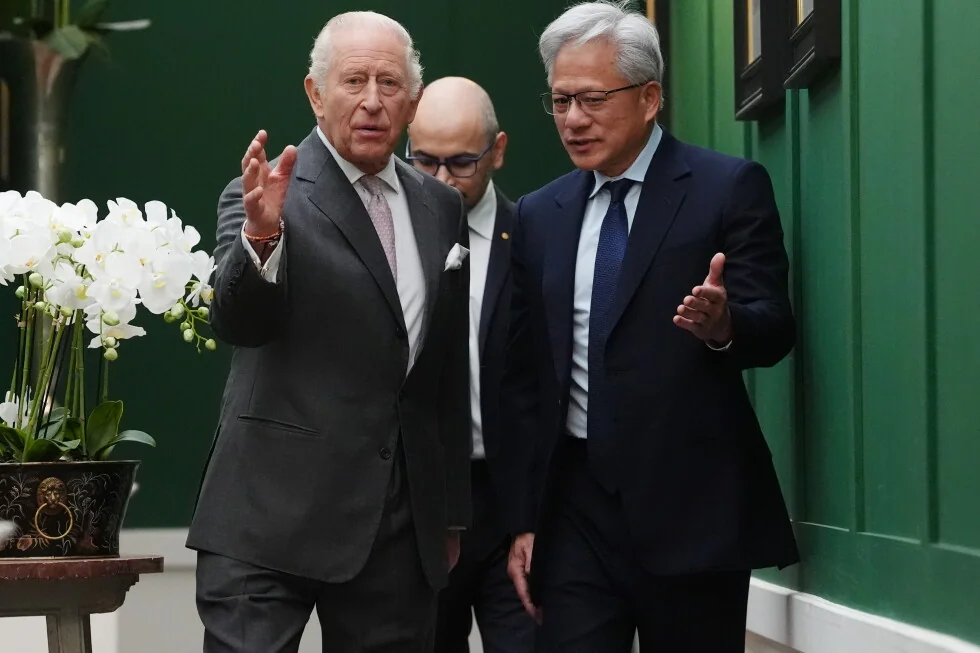
チャールズ国王、安全性への懸念が高まる中、AI指導者らと会談
King Charles Meets AI Leaders as Safety Concerns Mount
チャールズ国王、安全性への懸念が高まる中、AI指導者らと会談
King Charles Meets AI Leaders as Safety Concerns Mount
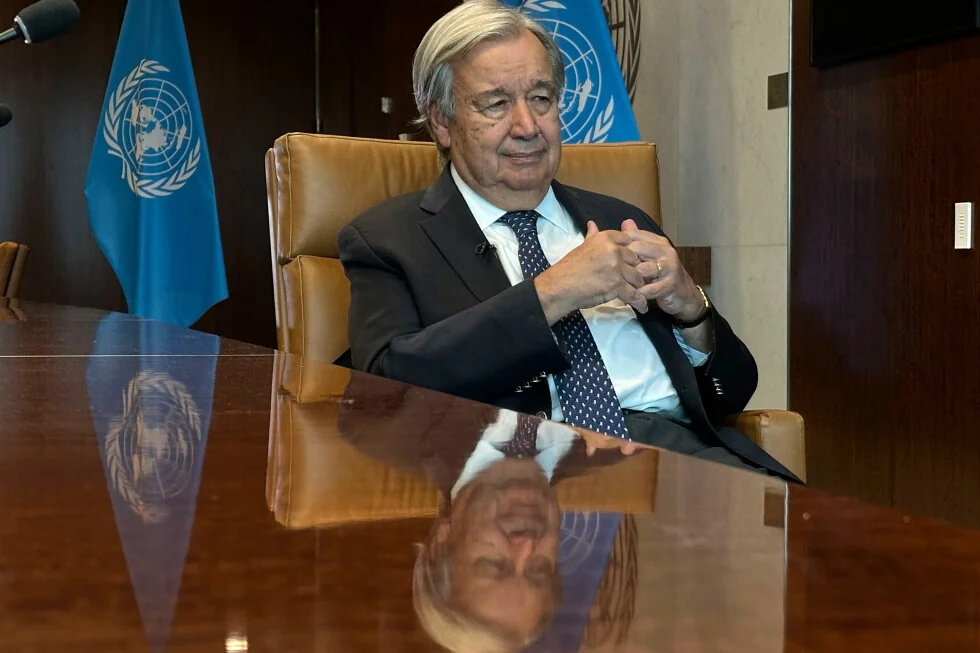
世界が諸問題に悩まされる中、国連事務総長は離任を控え、前進の道筋について語る
UN chief, with world beset by problems, talks of way forward as he prepares to leave office
世界が諸問題に悩まされる中、国連事務総長は離任を控え、前進の道筋について語る
UN chief, with world beset by problems, talks of way forward as he prepares to leave office
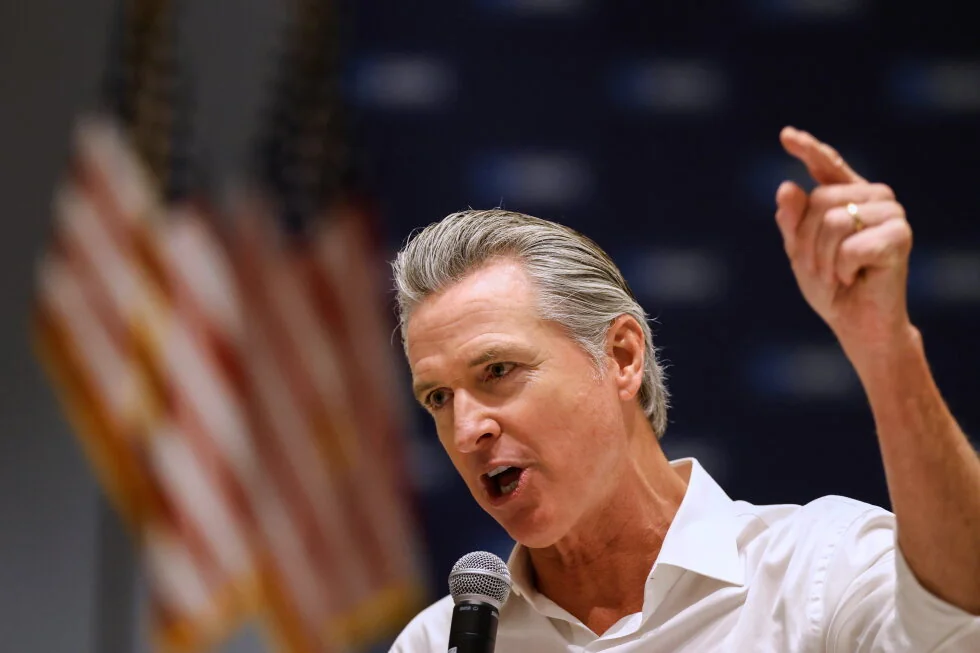
民主党の候補者たちは、トランプの粛清の中でAIの脅威に対抗しようと奔走している。
Democratic hopefuls scramble to counter AI threat as Trump purges
民主党の候補者たちは、トランプの粛清の中でAIの脅威に対抗しようと奔走している。
Democratic hopefuls scramble to counter AI threat as Trump purges

下院、データセンターがエネルギー費用に与える影響を対象とする法案を可決
House passes bill targeting data centers' impact on energy costs
下院、データセンターがエネルギー費用に与える影響を対象とする法案を可決
House passes bill targeting data centers' impact on energy costs

OpenAIは、AIの憂慮すべき新たな行動を指摘し、監視体制を強化すると誓約
OpenAI flags alarming new AI behavior, vows closer monitoring
OpenAIは、AIの憂慮すべき新たな行動を指摘し、監視体制を強化すると誓約
OpenAI flags alarming new AI behavior, vows closer monitoring

ファーウェイ、中国企業がエヌビディアとのAI競争を激化させる中、新たなチップ技術を公開
Huawei unveils new chip technologies as Chinese firm intensifies AI race with Nvidia
ファーウェイ、中国企業がエヌビディアとのAI競争を激化させる中、新たなチップ技術を公開
Huawei unveils new chip technologies as Chinese firm intensifies AI race with Nvidia