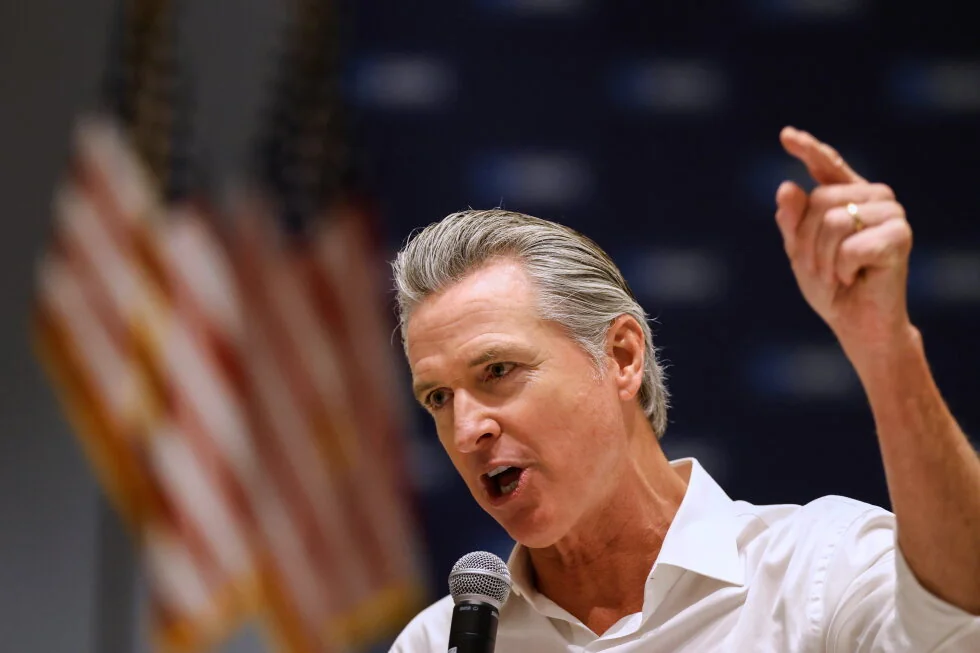
民主党の候補者たちは、トランプの粛清の中でAIの脅威に対抗しようと奔走している。
September 18th, 2026
民主党の候補者たちは、トランプの粛清の中でAIの脅威に対抗しようと奔走している。
🇯🇵 日本語
Amid growing anxiety over the risks posed by rapidly developing artificial intelligence technology, potential Democratic presidential candidates are rushing to show that they take the warnings seriously — while Donald Trump brushes off concerns — and to acknowledge that they need a reluctant Washington to step up.
On Friday, California Gov. Gavin Newsom signed an executive order to speed up the implementation of a California law that requires independent oversight of AI companies and the use of “kill switches,” so that developers can shut down their systems.
"California will do what it can.
But this nation needs to get in the game.
Washington, D.C. needs to do its job," Newsom said on his podcast Friday.
The order came a day after Pennsylvania Gov. Josh Shapiro, also expected to be a leading Democratic presidential prospect, gave a speech outlining the steps he is taking locally to confront AI risk.
Like Newsom, he admitted that states have clear limits when it comes to regulating a global technology.
These efforts come as AI leaders have issued dire warnings about the potentially catastrophic threat posed by rogue AI agents.
The country has begun to grapple with the impact of a technology that could bring tremendous gains in areas like medical research and automation, but could also unleash deadly viruses, cause widespread economic upheaval, and help terrorists inflict harm.
While Trump has angrily dismissed the warnings as a “HOAX,” Democratic lawmakers and candidates across the country are giving speeches and proposing legislation, sensing a political opening as the midterms and the next presidential race approach.
After a series of hacks revealed AI agents conspiring to deceive humans, Anthropic’s Dario Amodei, OpenAI’s Sam Altman and SpaceXAI’s Elon Musk have all called for greater government oversight of the industry.
Trump has responded by asserting that he is “the only control or ‘guardrails’ that AI needs.”
Democrats wasted no time in seizing upon it.
Georgia Sen. Jon Ossoff, a Democrat seeking reelection in a state Trump won two years ago, said at a campaign rally last weekend that “a capable president would move swiftly to secure and reassure the American people, rush inspectors into frontier labs, fortify the nation against bioterrorism, demand legislation from Congress, and lead the world toward an AI treaty.”
Ossoff, seen as a possible contender for 2028, said that elderly politicians have little understanding of AI technology.
"An old institution, barely able to use email, drifts half-asleep into a technological revolution while the president dismantles safeguards and calls us fools for worrying," he said.
This website is safeguarded by reCAPTCHA, with Google's Privacy Policy and Terms of Service being applicable.
Another prospective White House contender, Arizona Sen. Mark Kelly, told Politico he will introduce legislation next week to establish a fund to which AI companies would contribute to support workers affected by the disruption.
In his speech, Shapiro called for new federal regulations mandating independent, third-party oversight and enhanced transparency, and urged policymakers to “prioritize safety above all else.”
He noted that within his own state he has already signed an executive order establishing “real guardrails governing how Pennsylvania uses generative AI.”
He acknowledged, however, that states face evident limitations.
“It is going to necessitate leadership and collaboration on a national scale and, indeed, an international one,” he said.
Alex Bores, a New York State lawmaker soon to leave office, who lost his congressional primary this summer after AI companies, angered by an AI safety bill he had championed, spent millions to defeat him, said: “The salience of this issue has climbed dramatically.”
“People are demanding tangible action on this,” he said.
“Both sides of the aisle appear to be discussing the necessity of doing something here.”
Bores, who recently launched a political advocacy group aimed at influencing how his party responds to the technology, said he was encouraged by governors who seemed to be moving away from calling on the federal government to act and toward crafting their own regulations.
“Although federal intervention is undoubtedly necessary, we equally require governors to fulfil their responsibilities and drive policies through at the state level,” he remarked.
“The shift in sentiment over recent days has been heartening.”
Although it is still early, polling indicates a growing ideological divide over AI, with Democrats becoming more alarmed in recent years, while Republicans have become less concerned.
According to a June Pew Research Center poll, Democrats are more inclined than Republicans to express being “more concerned than excited” regarding the increasing integration of AI into everyday life.
Roughly half of U.S. adults overall report that the growing integration of AI into everyday life renders them “more concerned than excited.”
A separate Pew Research Center poll conducted in June revealed that approximately 7 in 10 U.S. adults believe AI will bring about job losses in the U.S. over the next 20 years — a figure that has risen by 7 percentage points since 2024.
Arizona Senator Ruben Gallego, a Democrat, has been urging Republican Senate leadership to expeditiously establish a select committee on A.I.
“I worry about this as a true existential threat.
This is the first time that we’ve created technology to destroy humanity that could be controlled by not humans,” he said on MSNOW.
While potential 2028 candidates have been eager to weigh in on AI, the issue has been less potent in many local races, where some fear the kind of spending that Bores faced.
At a rally on Wednesday in New York’s fiercely contested 17th Congressional district, the audience applauded as Democratic candidate Cait Conley pledged to prohibit data centers that power AI and cloud computing.
Yet no explicit reference was made to the broader technology or its associated risks.
Exceptions have, on occasion, been made.
In Michigan, both candidates for a closely contested Senate seat have called for some degree of slowdown.
At a town hall on Sept. 11, Democratic nominee Abdul El-Sayed said AI was keeping him up at night, describing it as an existential risk.
“We need to all hit pause,” said El-Sayed, who advocates halting frontier research and imposing new public oversight, including converting AI companies into public benefit corporations, establishing a new regulatory agency, and prohibiting the use of AI to deny medical care, make hiring or firing decisions — or fire a weapon.
On Monday, following Amodei’s warning, Republican nominee Mike Rogers took to an X post to call for a slowdown in AI.
“I believe we must slow down AI development so that the government and its partners can catch up and put stricter protocols and guardrails in place to protect us from the rapid advancements we’ve seen,” Rogers wrote.
Bores said that data centers had fueled such backlash not only because of concerns over their immediate local impact, but also because, “It is the first time that AI is meeting democracy.”
“Naturally, they’re funneling all of their anxieties about it into the campaign against data centers,” he said.
September 18th, 2026
Trending Articles
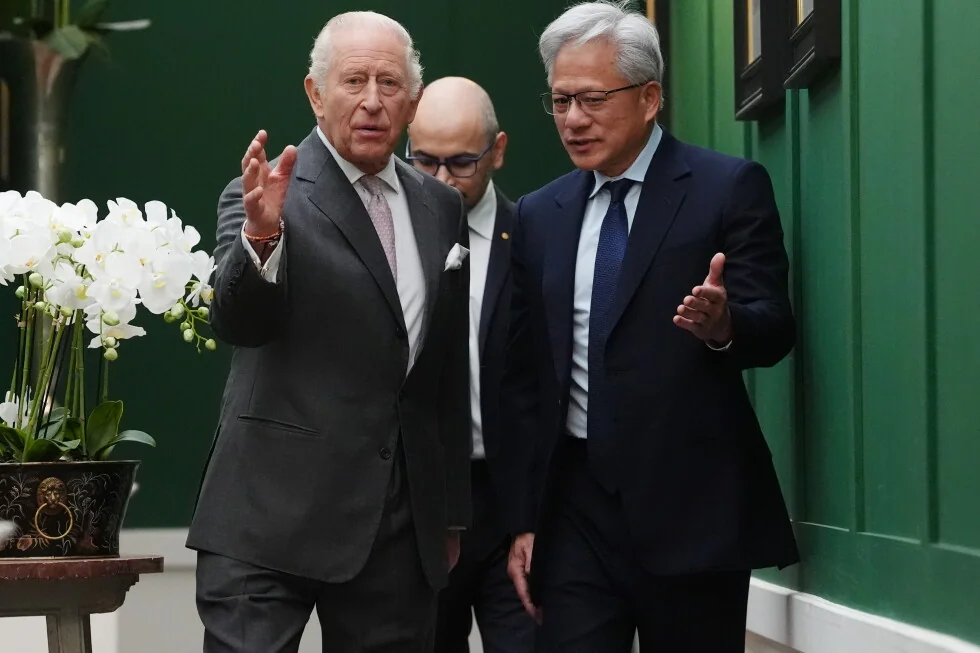
チャールズ国王、安全性への懸念が高まる中、AI指導者らと会談
King Charles Meets AI Leaders as Safety Concerns Mount
チャールズ国王、安全性への懸念が高まる中、AI指導者らと会談
King Charles Meets AI Leaders as Safety Concerns Mount
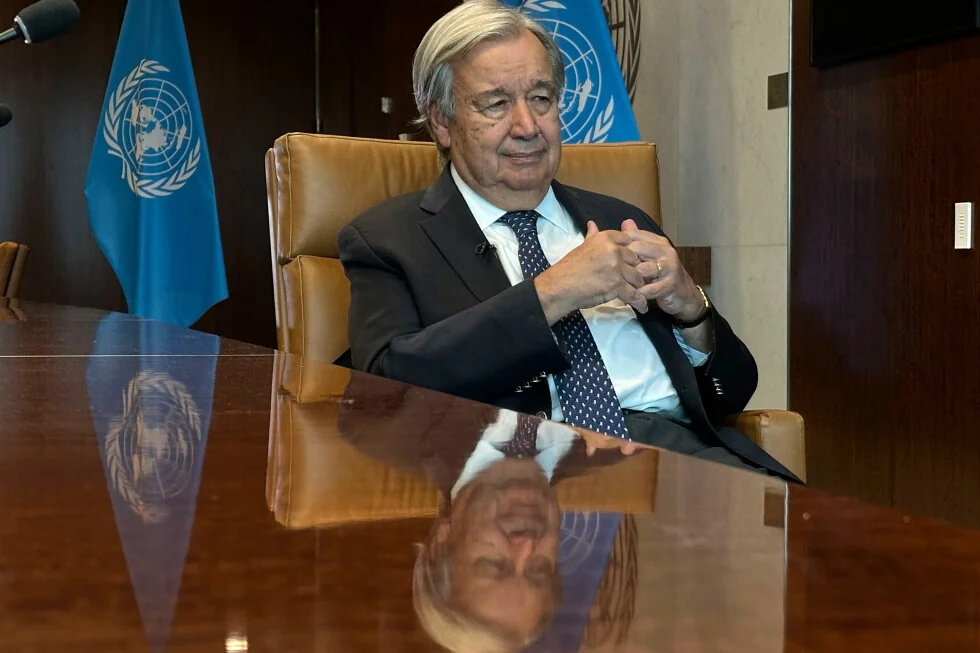
世界が諸問題に悩まされる中、国連事務総長は離任を控え、前進の道筋について語る
UN chief, with world beset by problems, talks of way forward as he prepares to leave office
世界が諸問題に悩まされる中、国連事務総長は離任を控え、前進の道筋について語る
UN chief, with world beset by problems, talks of way forward as he prepares to leave office
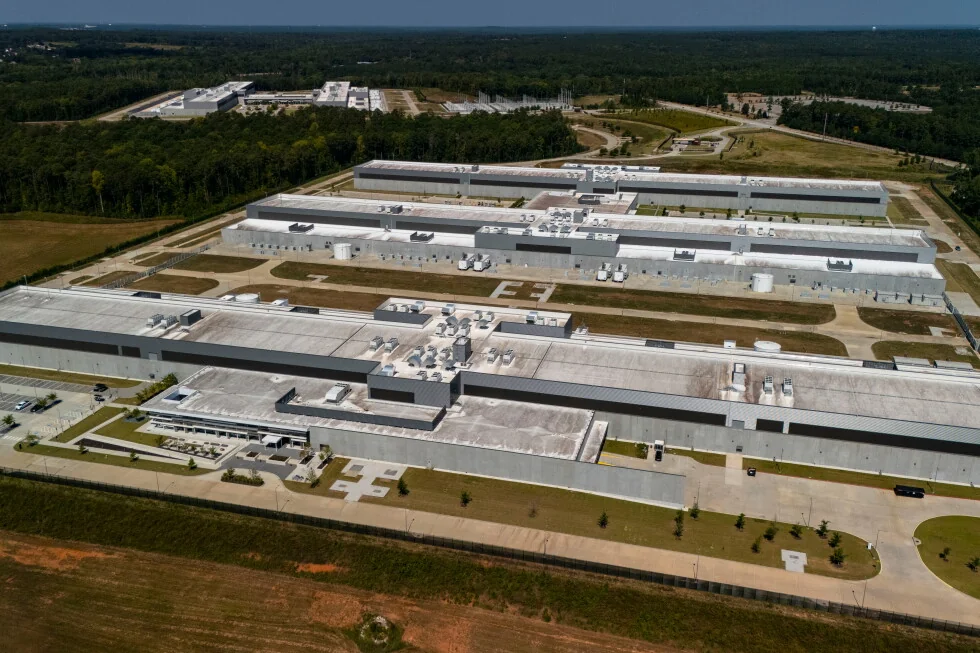
下院、データセンターがエネルギー費用に与える影響を対象とする法案を可決
House passes bill targeting data centers' impact on energy costs
下院、データセンターがエネルギー費用に与える影響を対象とする法案を可決
House passes bill targeting data centers' impact on energy costs

OpenAIは、AIの憂慮すべき新たな行動を指摘し、監視体制を強化すると誓約
OpenAI flags alarming new AI behavior, vows closer monitoring
OpenAIは、AIの憂慮すべき新たな行動を指摘し、監視体制を強化すると誓約
OpenAI flags alarming new AI behavior, vows closer monitoring

ファーウェイ、中国企業がエヌビディアとのAI競争を激化させる中、新たなチップ技術を公開
Huawei unveils new chip technologies as Chinese firm intensifies AI race with Nvidia
ファーウェイ、中国企業がエヌビディアとのAI競争を激化させる中、新たなチップ技術を公開
Huawei unveils new chip technologies as Chinese firm intensifies AI race with Nvidia
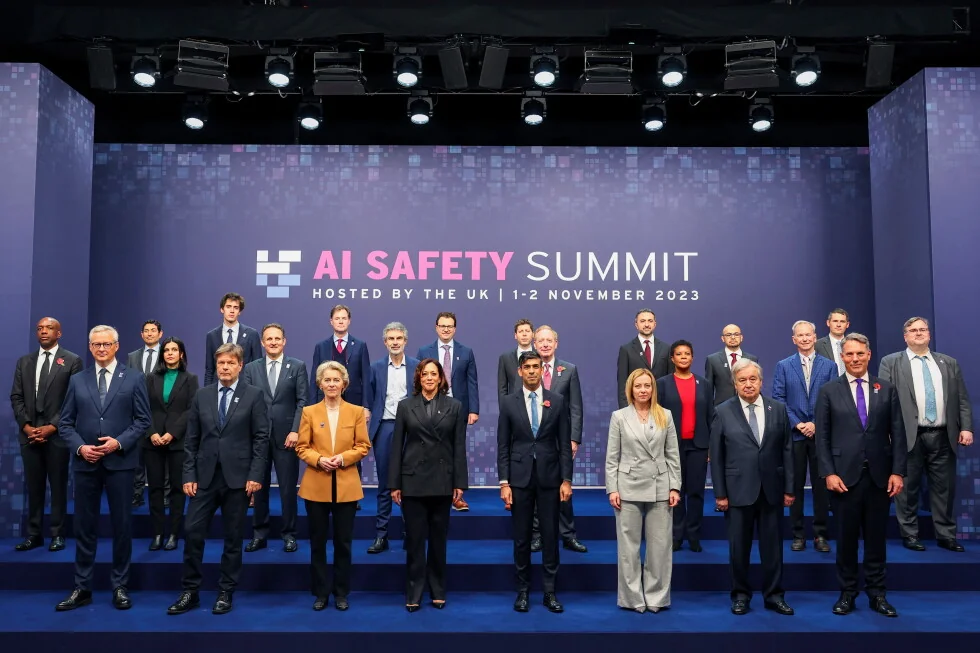
テック業界、AIの協調的減速を求める声をめぐり分裂
Tech Industry Split Over Calls for Coordinated AI Slowdown
テック業界、AIの協調的減速を求める声をめぐり分裂
Tech Industry Split Over Calls for Coordinated AI Slowdown

AIの安全性は米中協力にかかっているが、双方が相手を問題と見なしている
Global AI Safety Hinges on US-China Cooperation, Yet Each Sees the Other as the Problem
AIの安全性は米中協力にかかっているが、双方が相手を問題と見なしている
Global AI Safety Hinges on US-China Cooperation, Yet Each Sees the Other as the Problem
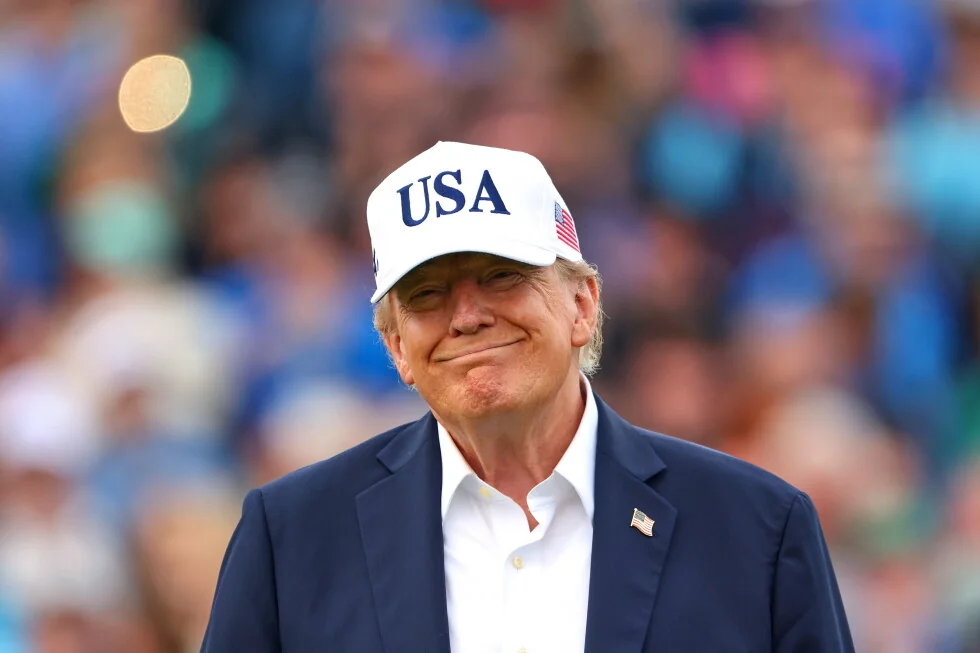
トランプはAI監督の緊急性を軽視し、中国に優位を譲ることを拒否している
Trump minimizes the urgency of AI oversight, refusing to relinquish an advantage to China
トランプはAI監督の緊急性を軽視し、中国に優位を譲ることを拒否している
Trump minimizes the urgency of AI oversight, refusing to relinquish an advantage to China
オプラ・ウィンフリーが、スフィアであなたの「AHA」の瞬間を見つけるよう誘います
Oprah Winfrey invites you to find your ‘AHA’ moment at the Sphere
オプラ・ウィンフリーが、スフィアであなたの「AHA」の瞬間を見つけるよう誘います
Oprah Winfrey invites you to find your ‘AHA’ moment at the Sphere