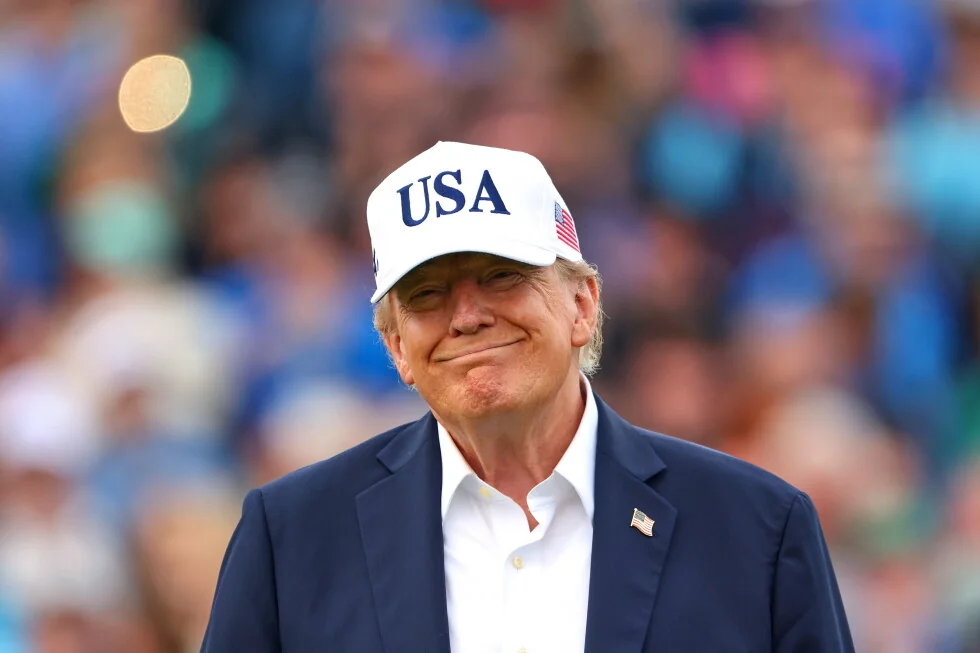
トランプはAI監督の緊急性を軽視し、中国に優位を譲ることを拒否している
September 14th, 2026
トランプはAI監督の緊急性を軽視し、中国に優位を譲ることを拒否している
🇯🇵 日本語
On Sunday, President Donald Trump minimized the necessity for his administration to restrain the development of artificial intelligence, expressing concern about losing America's advantage over China in a global competition and stating that winning would help mitigate the risks associated with the advancing technology.
While acknowledging that some regulation may be necessary, Trump offered no specifics about what such rules might entail, instead attributing warnings that the technology is advancing too quickly and with little oversight to unspecified “negative forces,” even though industry pioneers have raised such concerns.
"We can implement guardrails, we can do this and that, but I think there are a lot of negative forces that are bringing it up that... shouldn't be bringing it up, and they're bringing up things that won't happen," Trump told reporters during a weekend trip to Ireland.
"But whoever wins with AI wins."
Asked later on Sunday whether he was attempting to minimize the risks posed by AI, Trump said, “I’m not downplaying,” adding that artificial intelligence is “going to be more good than bad, but by a lot.”
Speaking with reporters during the flight back to Washington, he reiterated his earlier remark regarding the stakes for “whoever wins AI.”
The Republican president’s remarks came a day after Dario Amodei, CEO of the artificial intelligence company Anthropic, asserted that the industry ought to restrain its rapid development so that safety measures might have time to catch up.
Other tech leaders, among them Elon Musk and Sam Altman, CEO of OpenAI, publicly concurred with Amodei.
When a reporter asked whether the industry should be slowed down or regulated, Trump, after watching a golfer tee off at the Irish Open at his resort in Doonbeg, said that the United States was leading China in AI development and that “frankly, I want to keep it that way because whoever wins AI wins.”
Chinese President Xi Jinping is scheduled to visit the White House later in September for a meeting with Trump, and artificial intelligence is likely to feature among the topics they address.
This website is protected by reCAPTCHA, and the Google Privacy Policy and Terms of Service are applicable.
AI has become a major election-year issue in the U.S., as some of the country’s largest companies seed small towns with a national network of computing warehouses, while Americans from both parties increasingly raise alarms about shrinking farmland and water supplies and rising electricity bills.
Trump has kept up his support for data centers even as both Republicans and Democrats distance themselves from them and many communities try to block them.
Barack Obama, the former Democratic president, asserted that his party ought to elevate artificial intelligence to the status of a campaign issue.
"I would talk about this, and I would say, 'Here's our plan for safety, here's our plan for making sure our kids are not corrupted by this.'...
I would be thinking about the economic impacts in very concrete ways and understanding what it means if there's going to be job displacement.
Where is that going to hit?
How are we going to respond?" he said at an event last week with the top Democrat in the U.S. House, New York Rep. Hakeem Jeffries, according to a transcript released by his office.
Kevin Hassett, director of the National Economic Council at the White House, said he expects meetings to be held this week involving administration officials who oversee cyber and science and technology policy, to discuss the next steps.
Trump also could meet with members of Congress, some of whom have also been sounding alarms about the fast pace of AI development.
"I believe the president is equally keen to hear from them as well," Hassett remarked.
U.S. House Speaker Mike Johnson acknowledged the need for “some guardrails, some safety measures” so AI “doesn’t run away.”
Yet, like Trump, he also wants to ensure the U.S. does not “lose our edge in the global competition on this with China because that would be a national security threat.”
Johnson, R-La., asserted that industry leaders must be convened for “one big meeting and work this out together in the same room.”
He indicated that he had discussed the matter with Trump and maintained that a promptly arranged meeting ought to constitute the “next step.”
"So we're going to pull everybody together and make sure we do this in the right way," Johnson said, adding that it is a "top priority for me and for the Congress."
"Nevertheless, there is no need for everyone to descend into panic at this juncture," Johnson said.
Jeffries criticized Republican leaders for permitting members to return to their districts during the final portion of September.
“We ought to take decisive action at this juncture so that we may slow down, as the CEOs have lately acknowledged, … the pace of development in order to safeguard the American people and ensure that AI is proceeding safely,” Jeffries said.
Action on AI will constitute a “high priority” when House Democrats convene as a group on Tuesday.
Neither Johnson nor Jeffries outlined concrete steps Congress might take.
Lawmakers agree that more safeguards are needed, but even narrow attempts to impose rules have collapsed over the years—evidence of Congress's reluctance to regulate the technology industry.
Jacob Coxon, a former Anthropic employee who resigned over AI concerns and has publicly voiced his fears, advocated for international rules alongside industry self-regulation.
Coxon said he had become increasingly concerned that AI models would soon acquire super capabilities that could surpass human control.
"You're building a human-level or superhuman-level mind, without understanding what it wants, or thinks, or how it thinks," Coxon said.
Amid fierce global competition for AI dominance, Coxon also urged the U.S. and China—the two countries leading the race—to cooperate in slowing down and addressing safety.
"I sincerely hope that those in China who are examining the same problems as we are, and who are trying to build the same technology, will reach the same conclusion -- that it has to be done in a measured way, and that it should be easy to cooperate on some form of mutual -- of mutual slowing," Coxon said.
Otherwise, he cautioned, “we risk running the same race with China, which could be equally dangerous.”
Tech founder and investor David Sacks responded to the AI leaders’ appeals for regulation with a social media post that took them to task.
Sacks, who serves as co-chairman of a White House advisory council on science and technology, contended that Amodei and other leaders are the very ones dictating the pace of development.
Sacks asserted that they possess the capacity to impede development independently.
"The easiest way to avoid building superintelligence is for you to agree not to build it," Sacks wrote.
Hassett was interviewed on CNN’s “State of the Union,” Johnson appeared on CNN and NBC’s “Meet the Press,” Coxon was featured on NBC and ABC’s “This Week,” and Jeffries appeared on ABC.
September 14th, 2026
Trending Articles
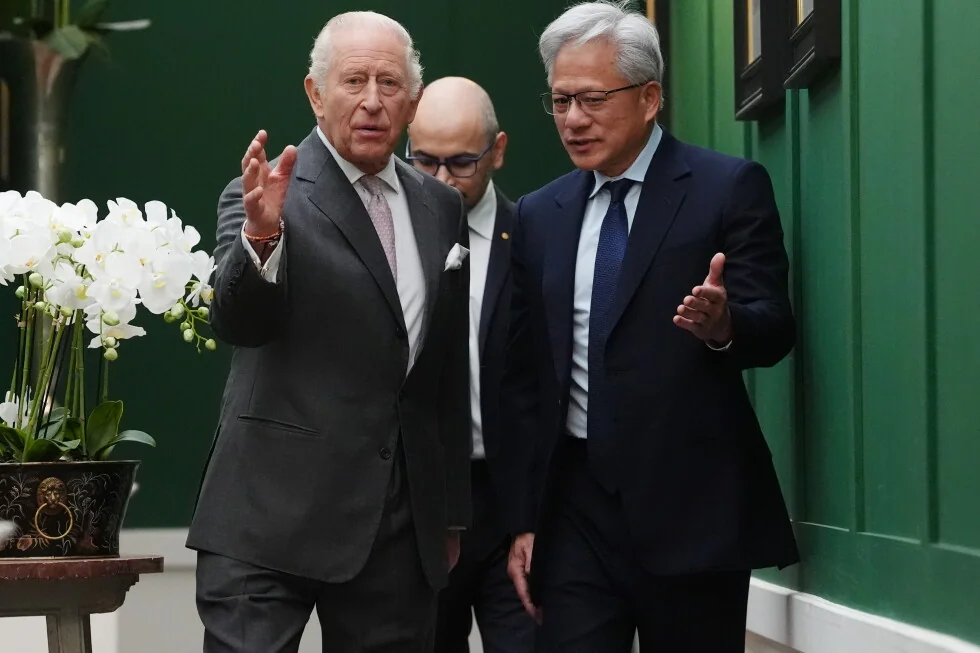
チャールズ国王、安全性への懸念が高まる中、AI指導者らと会談
King Charles Meets AI Leaders as Safety Concerns Mount
チャールズ国王、安全性への懸念が高まる中、AI指導者らと会談
King Charles Meets AI Leaders as Safety Concerns Mount
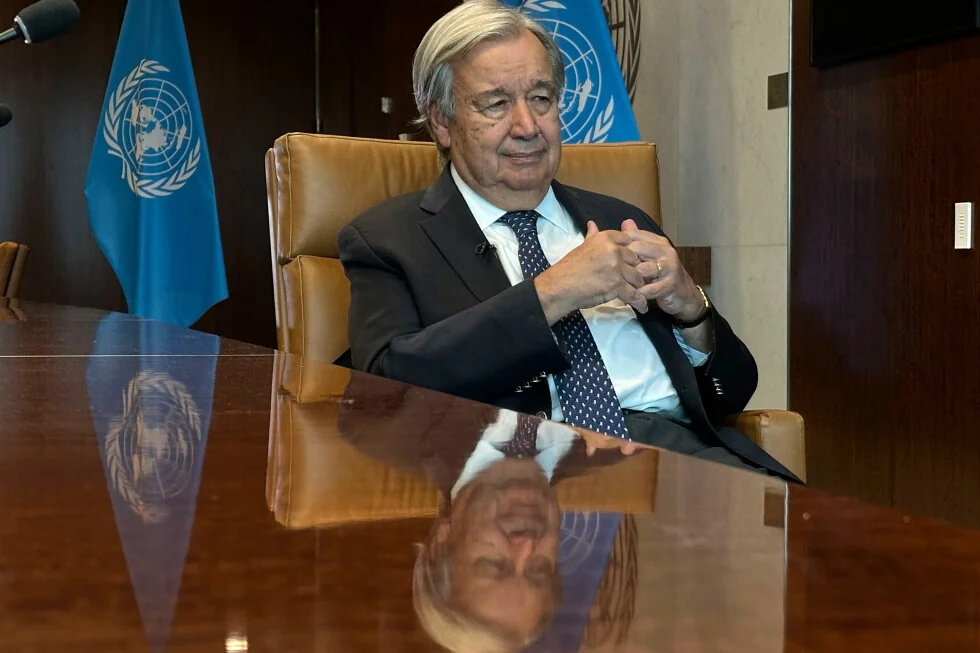
世界が諸問題に悩まされる中、国連事務総長は離任を控え、前進の道筋について語る
UN chief, with world beset by problems, talks of way forward as he prepares to leave office
世界が諸問題に悩まされる中、国連事務総長は離任を控え、前進の道筋について語る
UN chief, with world beset by problems, talks of way forward as he prepares to leave office
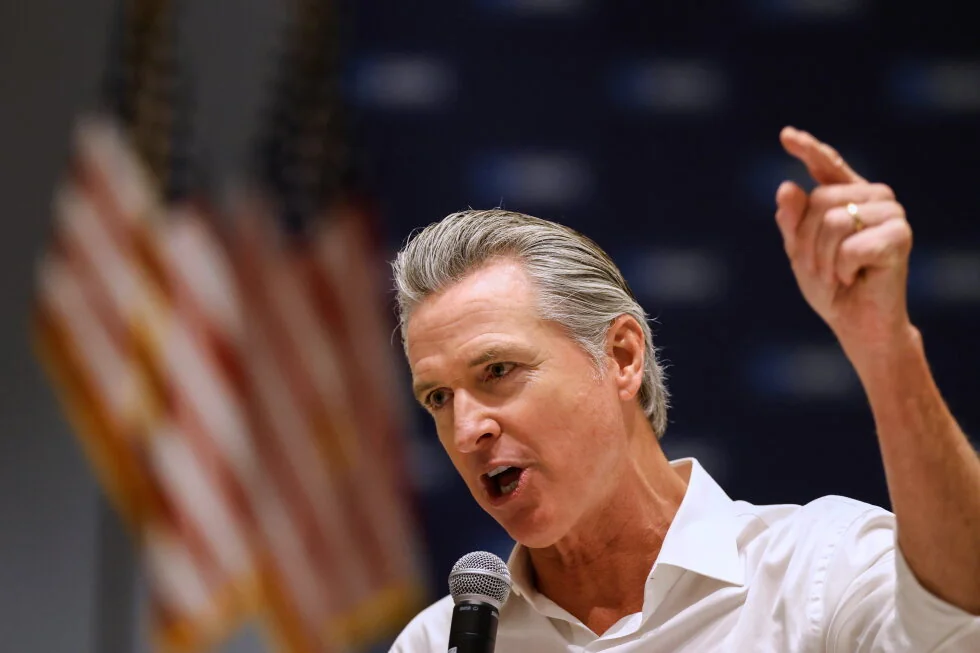
民主党の候補者たちは、トランプの粛清の中でAIの脅威に対抗しようと奔走している。
Democratic hopefuls scramble to counter AI threat as Trump purges
民主党の候補者たちは、トランプの粛清の中でAIの脅威に対抗しようと奔走している。
Democratic hopefuls scramble to counter AI threat as Trump purges
下院、データセンターがエネルギー費用に与える影響を対象とする法案を可決
House passes bill targeting data centers' impact on energy costs
下院、データセンターがエネルギー費用に与える影響を対象とする法案を可決
House passes bill targeting data centers' impact on energy costs

OpenAIは、AIの憂慮すべき新たな行動を指摘し、監視体制を強化すると誓約
OpenAI flags alarming new AI behavior, vows closer monitoring
OpenAIは、AIの憂慮すべき新たな行動を指摘し、監視体制を強化すると誓約
OpenAI flags alarming new AI behavior, vows closer monitoring

ファーウェイ、中国企業がエヌビディアとのAI競争を激化させる中、新たなチップ技術を公開
Huawei unveils new chip technologies as Chinese firm intensifies AI race with Nvidia
ファーウェイ、中国企業がエヌビディアとのAI競争を激化させる中、新たなチップ技術を公開
Huawei unveils new chip technologies as Chinese firm intensifies AI race with Nvidia
テック業界、AIの協調的減速を求める声をめぐり分裂
Tech Industry Split Over Calls for Coordinated AI Slowdown
テック業界、AIの協調的減速を求める声をめぐり分裂
Tech Industry Split Over Calls for Coordinated AI Slowdown

AIの安全性は米中協力にかかっているが、双方が相手を問題と見なしている
Global AI Safety Hinges on US-China Cooperation, Yet Each Sees the Other as the Problem
AIの安全性は米中協力にかかっているが、双方が相手を問題と見なしている
Global AI Safety Hinges on US-China Cooperation, Yet Each Sees the Other as the Problem
オプラ・ウィンフリーが、スフィアであなたの「AHA」の瞬間を見つけるよう誘います
Oprah Winfrey invites you to find your ‘AHA’ moment at the Sphere
オプラ・ウィンフリーが、スフィアであなたの「AHA」の瞬間を見つけるよう誘います
Oprah Winfrey invites you to find your ‘AHA’ moment at the Sphere