L’économie chinoise s’accélère au trimestre juillet-septembre grâce à de solides exportations
October 19th, 2026
L’économie chinoise s’accélère au trimestre juillet-septembre grâce à de solides exportations
🇫🇷 Français
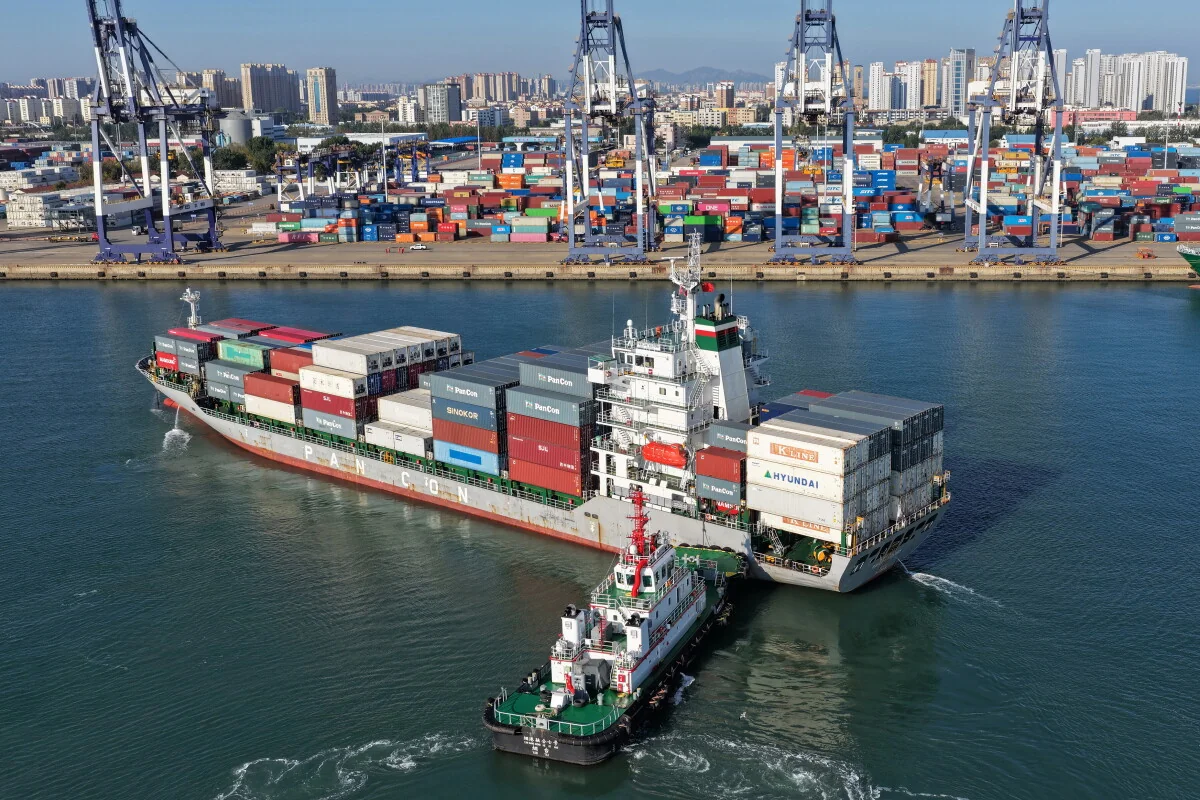
China announced on Monday that its economy expanded 4.5% in the July–September quarter relative to a year earlier, propelled by robust exports, edging closer to fulfilling its official annual growth target for the year as trading partners seek to redress their trade deficits with the country.
Economic growth accelerated from the 4.3% year-on-year rate recorded in the April–June quarter—the most sluggish expansion in over three years.
Its economy expanded 4.6% across the first three quarters.
Throughout the year, Chinese leaders have sustained a growth target of 4.5% to 5%, a downward revision from last year's 5% expansion.
Earlier this month, the International Monetary Fund revised downward its forecast for China's 2026 economic growth to 4.5%, the lower bound of Beijing's objective.
“Domestic demand was feeble, whereas trade expanded robustly,” remarked Dave Chia, an economist at Moody’s Analytics.
Exports are likely to remain vigorous; nevertheless, global trade barriers continue to pose a risk, he said.
China’s domestic demand has been encumbered by a protracted downturn in its property market.
The headline official growth figure is becoming “an increasingly poor indicator of how the broader economy is performing,” remarked Max Zenglein, Asia Pacific senior economist at The Conference Board.
That is because it masks “widening disparities across industries, regions, and households,” Zenglein said.
Beijing confronts difficult trade-offs, and managing domestic imbalances may prove more formidable than contending with external pressures, he added.
On Monday, Mao Shengyong, deputy head of China’s National Bureau of Statistics, cautioned of the economic challenges ahead.
“The international environment is complex and volatile, the problem of insufficient domestic demand remains relatively prominent and the foundation for a stable, improving economy still needs consolidation,” he told a news conference.
With exports constituting one of the few bright spots, China is on course to eclipse last year’s record global trade surplus of $1.2 trillion, having logged 36% export growth last month and already amassed a $938 billion surplus between January and September.
The imposition of elevated U.S. tariffs has disrupted segments of U.S.-China bilateral trade, impelling China to seek alternative markets, including Southeast Asia, Latin America and Europe.
High-tech exports—among them semiconductors and automobiles, encompassing hybrid and electric vehicles—rank among the sectors propelling its export growth this year.
In its pursuit of self-sufficiency as a means of shielding itself from Western export controls and trade uncertainties, China has built up formidable domestic manufacturing capacities across industries such as solar and EVs, which are heavily subsidized by the government.
Yet this output was scaled up rapidly at a time of weakened domestic consumption, with the result that many of these goods are shipped to overseas markets at competitive prices.
An export-reliant growth paradigm that is heavily technology-driven has yielded only limited job creation and broad-based income gains, while the risks of artificial-intelligence-induced labour displacement continue to mount, said Ecaterina Bigos, senior market strategist at BNP Paribas Asset Management.
Numerous trading partners harbour apprehensions that their domestic industries and economies are confronting escalating threats from lower-cost Chinese manufactured imports.
“It is untenable and unsustainable for the world’s second largest economy to rely on foreign demand to prop up its own growth,” said Eswar Prasad, a professor of economics and trade policy at Cornell University.
By dint of its persistent and substantial trade surpluses, China “has become a drag on world growth rather than an engine that pulls the rest of the world along,” Prasad said.
The European Union numbers among those chafing to redress its trade imbalance with China: the 27-nation bloc sustains a trade deficit with China exceeding $1.1 billion a day.
Over the first nine months of the year, Chinese exports to the EU climbed by 16%.
EU countries are now contemplating further curbs on China in the wake of the agreement reached with China this month to roughly halve Chinese hybrid vehicle imports over the coming years.
China is capable of collaborating with other nations on disputes and is intent on preserving its market access, said Gary Ng, a senior economist for Asia Pacific at French bank Natixis.
With a deal with the EU on hybrid cars, for instance, China can likely still sell more made-by-China products in the longer run while averting a broad tariff hike.
Even notwithstanding the agreements concluded between China and the EU, “trade imbalances will be difficult to resolve quickly,” remarked Lynn Song, chief economist for Greater China at the Dutch bank ING.
Policymakers contend that an undervalued yuan—China’s currency—relative to the dollar and the euro has contributed to China’s expanding trade surplus, notwithstanding that China’s central bank has dismissed such claims.
“We are likely to witness sustained resistance, escalating protectionism, and unrelenting pressure from economies worldwide to safeguard their industries and jobs, particularly in high-value sectors,” noted Bigos.
China maintains that it does not pursue a large trade surplus.
Central bank governor Pan Gongsheng stated on Friday that countries running trade deficits and those running trade surpluses ought to collaborate, and that China, as a responsible nation, is committed to expanding domestic demand.
October 19th, 2026
Trending Articles
Le GOP compte sur le vote des agriculteurs alors qu'une récolte coûteuse suscite l'inquiétude ; Trump se rend au Kansas
GOP Relying on Farmers' Votes as Costly Harvest Stirs Concern; Trump Heads to Kansas
Le GOP compte sur le vote des agriculteurs alors qu'une récolte coûteuse suscite l'inquiétude ; Trump se rend au Kansas
GOP Relying on Farmers' Votes as Costly Harvest Stirs Concern; Trump Heads to Kansas
Musk promet d’attribuer une part de SpaceX à « chaque enfant en Amérique »
Musk vows to allocate a stake in SpaceX to ‘every kid in America’
Musk promet d’attribuer une part de SpaceX à « chaque enfant en Amérique »
Musk vows to allocate a stake in SpaceX to ‘every kid in America’

Les actions liées à l’IA propulsent le rebond de Wall Street tandis que les marchés européens chutent en pleine contestation
AI Stocks Propel Wall Street Rebound as European Markets Slump Amid Protests
Les actions liées à l’IA propulsent le rebond de Wall Street tandis que les marchés européens chutent en pleine contestation
AI Stocks Propel Wall Street Rebound as European Markets Slump Amid Protests
Les actions américaines stagnent près de leurs sommets historiques au sein d'une séance mitigée à Wall Street
US equities linger near record highs amid mixed Wall Street trading
Les actions américaines stagnent près de leurs sommets historiques au sein d'une séance mitigée à Wall Street
US equities linger near record highs amid mixed Wall Street trading

Du « mains libres » au « regard détourné » : le parcours simulé de General Motors vers la conduite autonome
From ‘hands-free’ to ‘eyes-off’: General Motors’ simulated path to autonomous driving
Du « mains libres » au « regard détourné » : le parcours simulé de General Motors vers la conduite autonome
From ‘hands-free’ to ‘eyes-off’: General Motors’ simulated path to autonomous driving
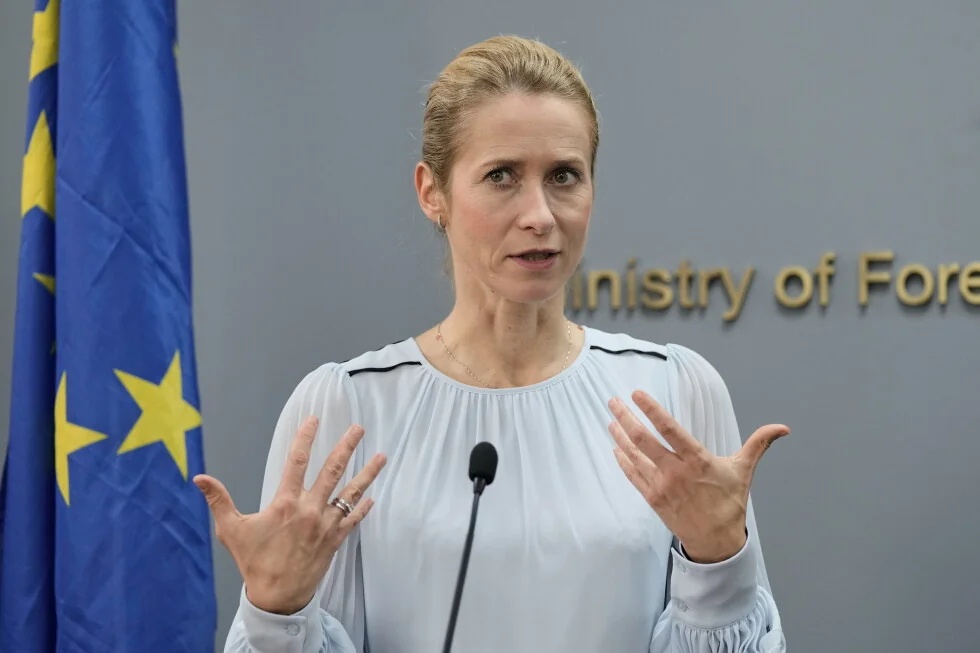
L'UE sanctionne près de 1 600 entités russes pour des composants de drones et de missiles
EU Sanctions Nearly 1,600 Russian Entities Over Drone and Missile Components
L'UE sanctionne près de 1 600 entités russes pour des composants de drones et de missiles
EU Sanctions Nearly 1,600 Russian Entities Over Drone and Missile Components
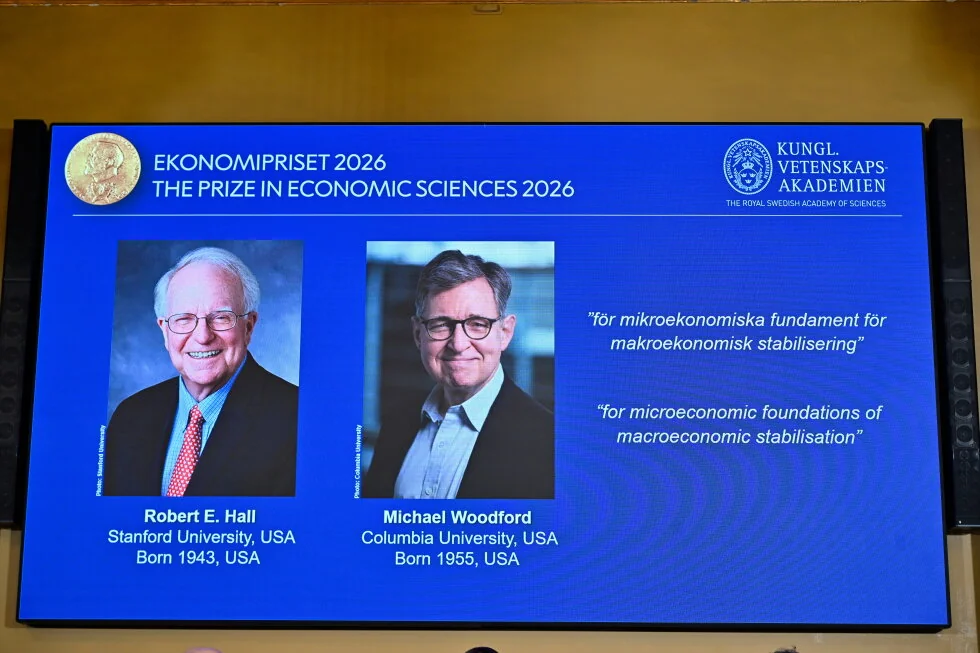
Deux économistes américains reçoivent le prix Nobel pour leurs recherches sur la gestion des chocs économiques
Two US economists awarded Nobel Prize for research on economic shock management
Deux économistes américains reçoivent le prix Nobel pour leurs recherches sur la gestion des chocs économiques
Two US economists awarded Nobel Prize for research on economic shock management
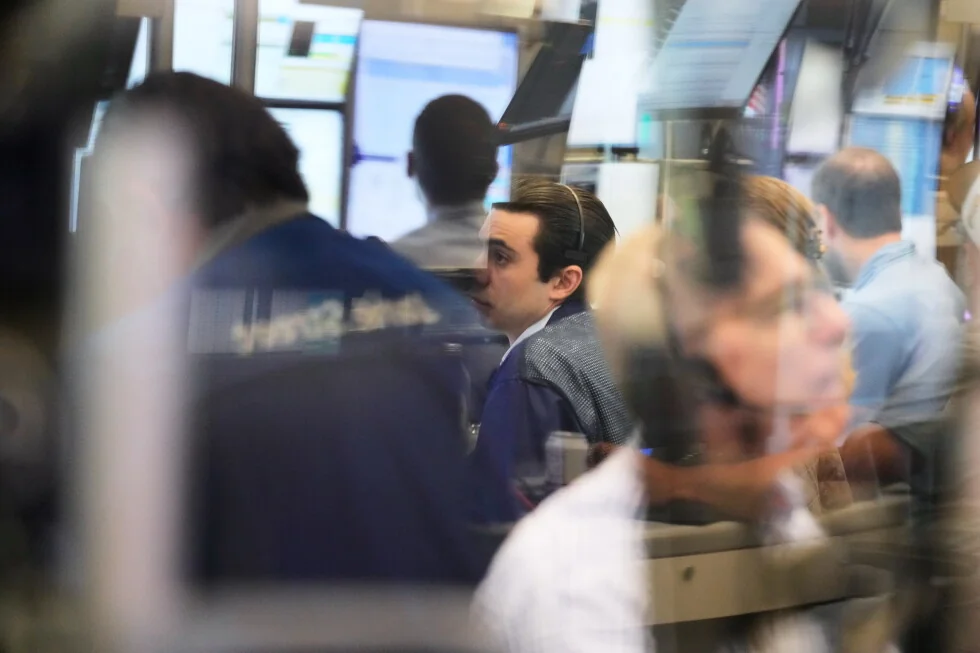
Wall Street en passe de signer un septembre gagnant grâce à des chiffres d’inflation encourageants
Wall Street Nears Winning September on Encouraging Inflation Update
Wall Street en passe de signer un septembre gagnant grâce à des chiffres d’inflation encourageants
Wall Street Nears Winning September on Encouraging Inflation Update
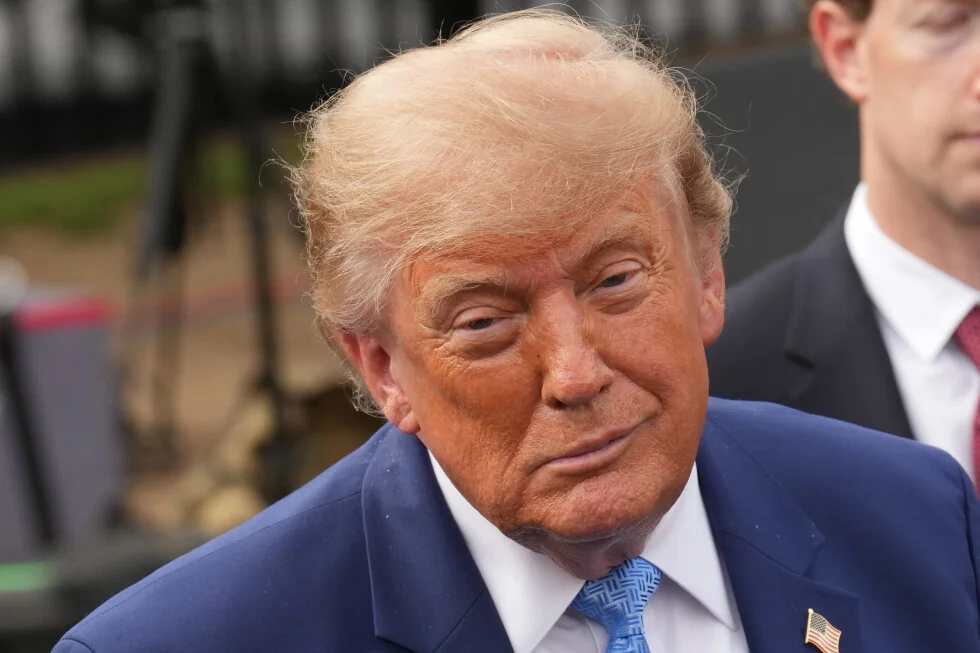
Trump va dévoiler un investissement sud-coréen de 54 milliards de dollars en Alaska, au cœur d'une course sénatoriale serrée
Trump to Unveil $54 Billion South Korean Investment in Alaska, Nexus of Tight Senate Race
Trump va dévoiler un investissement sud-coréen de 54 milliards de dollars en Alaska, au cœur d'une course sénatoriale serrée
Trump to Unveil $54 Billion South Korean Investment in Alaska, Nexus of Tight Senate Race