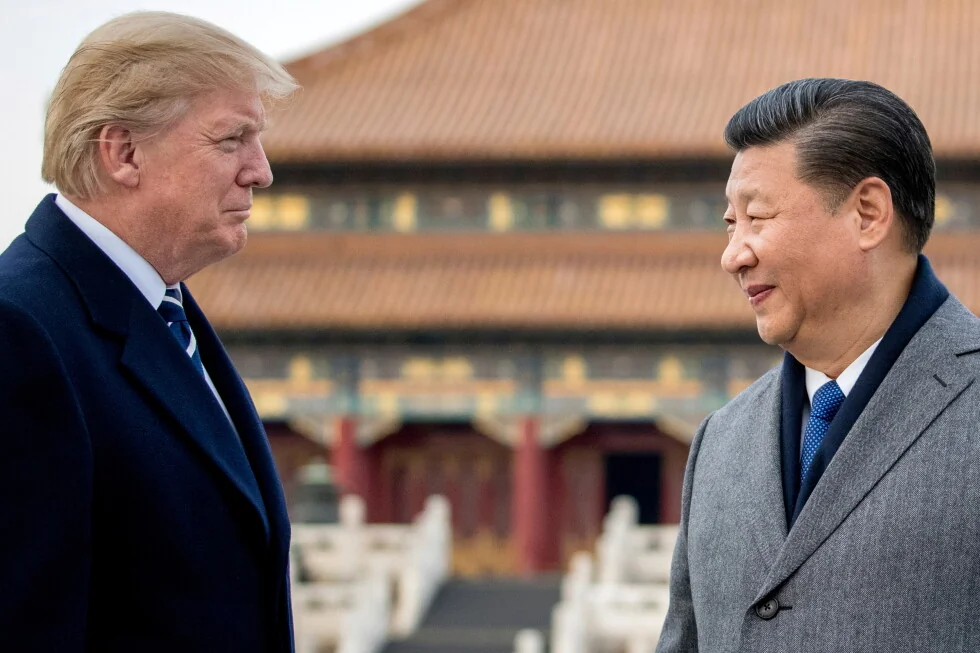
トランプと習近平はAI、貿易、イランをめぐって緊張が高まっているが、それでも安定を望んでいる。
September 22nd, 2026
トランプと習近平はAI、貿易、イランをめぐって緊張が高まっているが、それでも安定を望んでいる。
🇯🇵 日本語
President Donald Trump is hosting Chinese leader Xi Jinping in Washington this week.
Their countries are in an escalating economic and tech competition, especially over artificial intelligence.
Neither side expects a grand bargain, but both want to steady fragile ties.
It is their third meeting since Trump returned to the White House.
Sen. Steve Daines is a Montana Republican who advises Trump on China.
He said the meeting and the dialogue matter as much as any outcome.
Former Chinese ambassador Cui Tiankai said the two countries always have problems, sometimes very big ones.
However, he said they will try to keep overall stability.
Xi's visit is his first to Washington in 10 years.
It comes after last year's intense trade war, when both sides raised tariffs and China limited critical mineral supplies.
Both sides seek stability for deeply competitive reasons, said Evan Medeiros of The Asia Group consultancy.
He described them as two geopolitical strongmen circling each other.
Da Wei of Tsinghua University said the countries may be entering a "new normal" of overall stability.
He added that they need to move fast on deals their governments can carry out.
AI is a key battleground.
Trump has said whoever wins AI wins, and he claimed Monday that the U.S. leads China.
China's security minister, Chen Yixin, warned in a rare essay that AI threatens Communist Party rule.
He said this could happen if hostile forces gain superior capabilities.
The U.S. restricts AI chip exports to China.
It also accuses Chinese developers of extracting American models at scale.
Beijing says the practice is widely used and criticizes U.S. efforts to monopolize the industry.
Still, the two sides are taking a small step on AI.
Treasury Secretary Scott Bessent said the U.S. proposed a "notification mechanism" for AI incidents affecting national security.
Both countries still blacklist individual companies and ban specific products.
The U.S. has targeted Chinese telecom and surveillance equipment.
It has also targeted firms accused of forced labor in Xinjiang, and advanced robots and drones.
Beijing responded with export controls on drones.
It also blacklisted six U.S. companies over Xinjiang-related measures.
After the Supreme Court struck down Trump's tariffs this year, the administration imposed them in other ways.
The White House in July set a 12.5% tariff on imports from 60 trading partners, including China.
It plans an extra 7.5% tariff on China.
Analysts say current tariff levels are acceptable to both sides.
However, a significant uptick could renew tensions.
On Iran, Washington is pressing to isolate Tehran, but Beijing insists on its right to trade with Iran.
Trump paused a large weapons package to Taiwan after his May trip to Beijing.
Analysts say Xi will likely press him to delay arms sales further.
September 22nd, 2026
Trending Articles
ウォール街は最高値付近を維持、ブレント原油は一時1バレル98ドルを下回る
Wall Street stays near record as Brent oil briefly drops below $98 a barrel
ウォール街は最高値付近を維持、ブレント原油は一時1バレル98ドルを下回る
Wall Street stays near record as Brent oil briefly drops below $98 a barrel
韓国の李在明はAPに対し、北朝鮮の核廃棄に向けた段階的な計画を望んでいると語った。
South Korea's Lee tells AP he wants step-by-step plan for North Korea's nuclear dismantlement
韓国の李在明はAPに対し、北朝鮮の核廃棄に向けた段階的な計画を望んでいると語った。
South Korea's Lee tells AP he wants step-by-step plan for North Korea's nuclear dismantlement

ロシアとウクライナが激しい攻撃を交わす中、ゼレンスキーはトランプと会談する
Russia and Ukraine exchange deadly strikes before Zelenskyy meets Trump
ロシアとウクライナが激しい攻撃を交わす中、ゼレンスキーはトランプと会談する
Russia and Ukraine exchange deadly strikes before Zelenskyy meets Trump
ウォーレン・バフェット氏がバークシャー・ハサウェイの会長職を退き、後継者計画の次の段階へ進む
Warren Buffett gives up chairman role at Berkshire Hathaway in next step of succession plan
ウォーレン・バフェット氏がバークシャー・ハサウェイの会長職を退き、後継者計画の次の段階へ進む
Warren Buffett gives up chairman role at Berkshire Hathaway in next step of succession plan
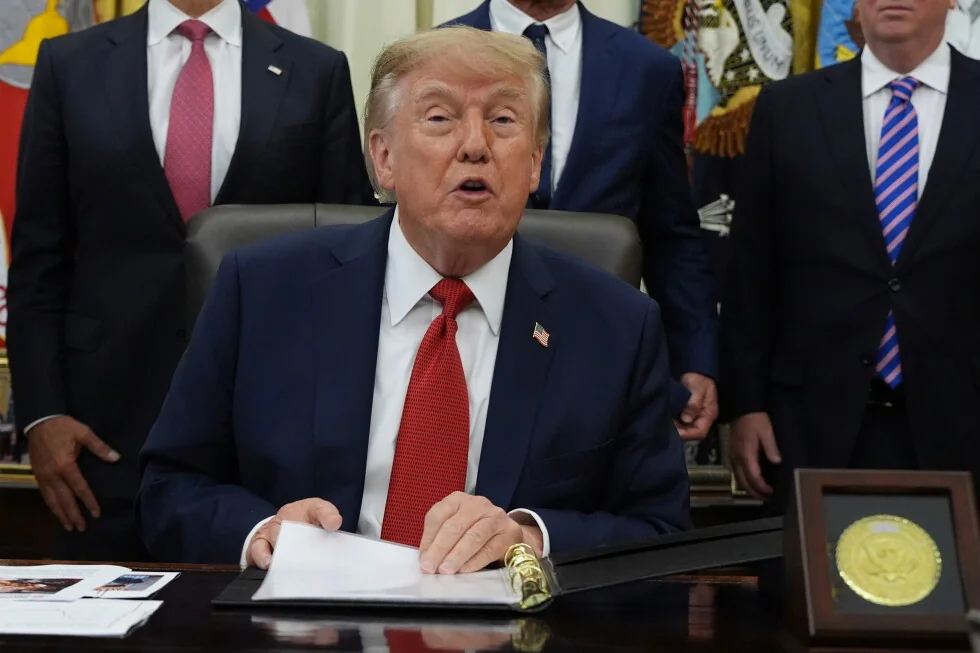
トランプはさらに多くの報道機関を標的にし、CNN、MS NOW、ポリティコをホワイトハウスから締め出すと述べた。
Trump targets more news outlets, says he will ban CNN, MS NOW and Politico from the White House
トランプはさらに多くの報道機関を標的にし、CNN、MS NOW、ポリティコをホワイトハウスから締め出すと述べた。
Trump targets more news outlets, says he will ban CNN, MS NOW and Politico from the White House
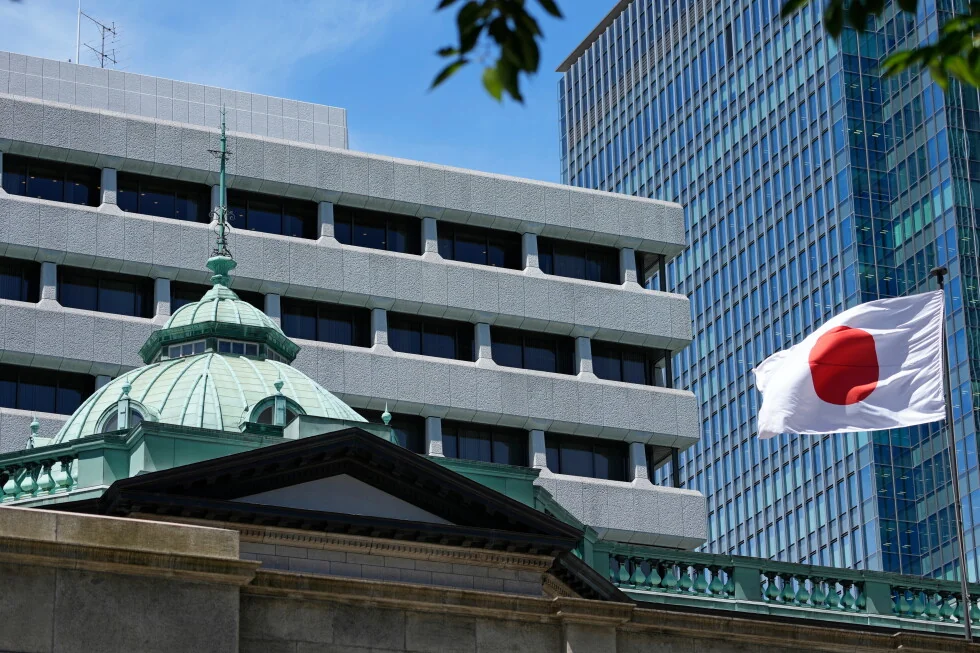
日本の中央銀行は主要な政策金利を1.25%に引き上げ、これは31年ぶりの高さとなった。
Japan’s central bank raises key interest rate to 1.25%, a 31-year high
日本の中央銀行は主要な政策金利を1.25%に引き上げ、これは31年ぶりの高さとなった。
Japan’s central bank raises key interest rate to 1.25%, a 31-year high
Anthropicは、自社のClaudeモデルが次世代版の開発に役立っていると述べている。
Anthropic says its Claude model is helping build the next version of itself
Anthropicは、自社のClaudeモデルが次世代版の開発に役立っていると述べている。
Anthropic says its Claude model is helping build the next version of itself
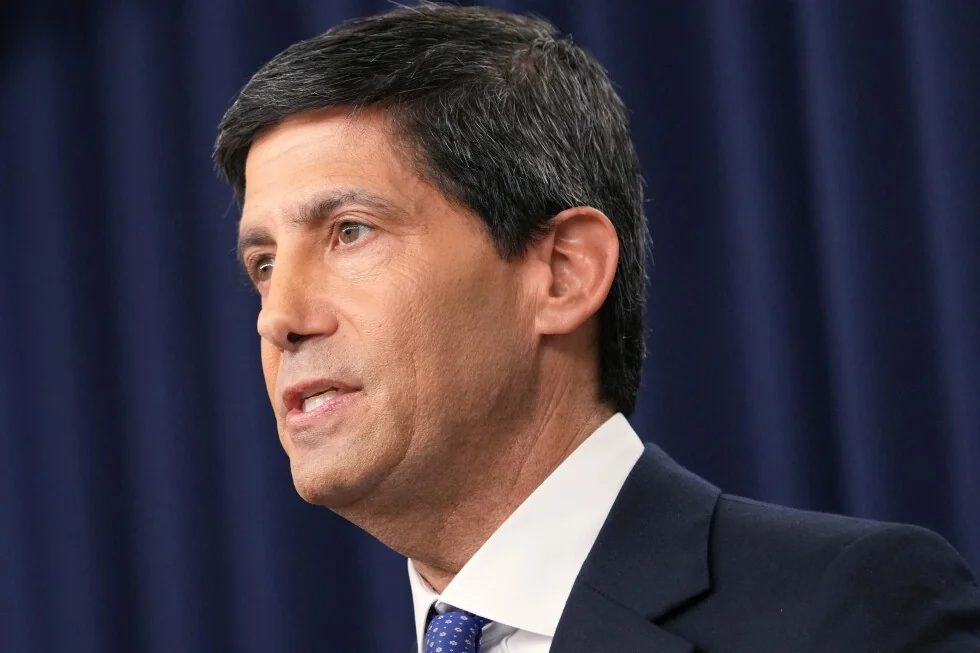
なぜ連邦準備制度は今、利上げをするのか、そしてそれが何を意味するのか
Why the Federal Reserve is raising rates now, and what it means
なぜ連邦準備制度は今、利上げをするのか、そしてそれが何を意味するのか
Why the Federal Reserve is raising rates now, and what it means
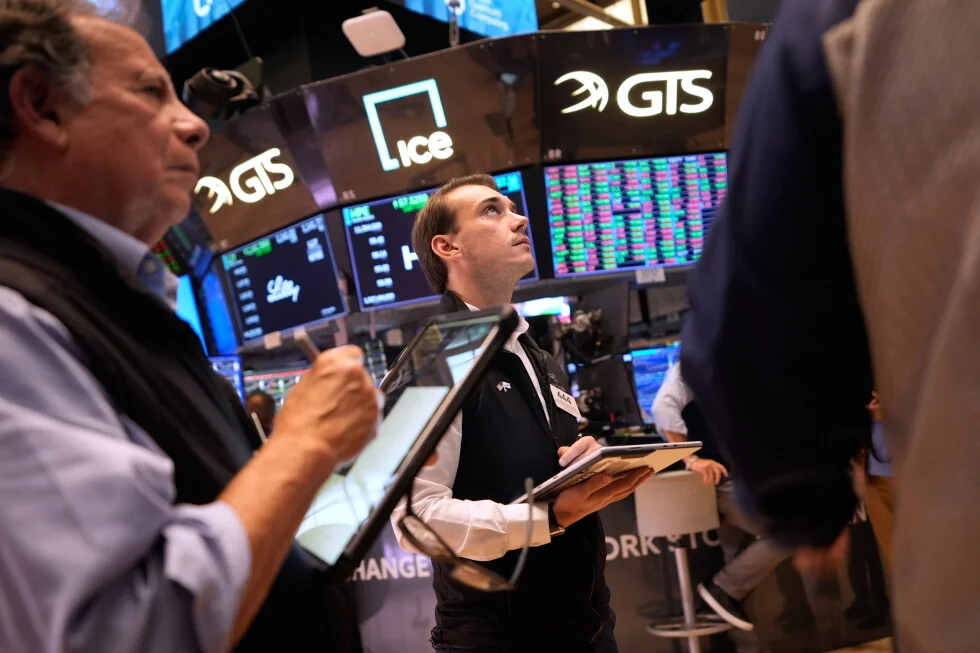
米国株は6週間で最高の一日となった。原油価格と債券利回りが下がったからだ。
US stocks have best day in 6 weeks as oil prices and bond yields fall
米国株は6週間で最高の一日となった。原油価格と債券利回りが下がったからだ。
US stocks have best day in 6 weeks as oil prices and bond yields fall