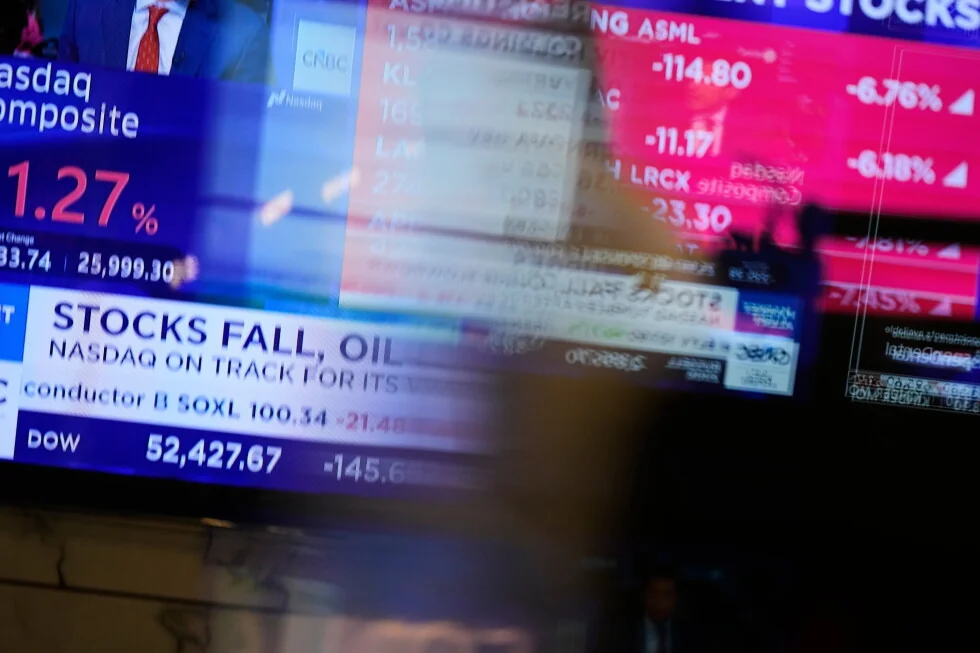
KI-Aktien fallen, während Öl nachgibt, während die breitere Wall Street stabiler bleibt
September 14th, 2026
KI-Aktien fallen, während Öl nachgibt, während die breitere Wall Street stabiler bleibt
🇩🇪 Deutsch
Artificial-intelligence stocks slid worldwide Monday after industry leaders warned that a slowdown is needed for the safety of humanity.
Another jump in oil prices, meanwhile, briefly sent the yield of the 10-year Treasury to 5%, the bond market's latest pressure-raising milestone.
Despite all the setbacks for Wall Street, gains for many stocks outside AI helped limit the market's losses.
A midday easing of oil prices did the same, and the S&P 500 fell a relatively modest 0.5%.
More stocks rose within the index than fell.
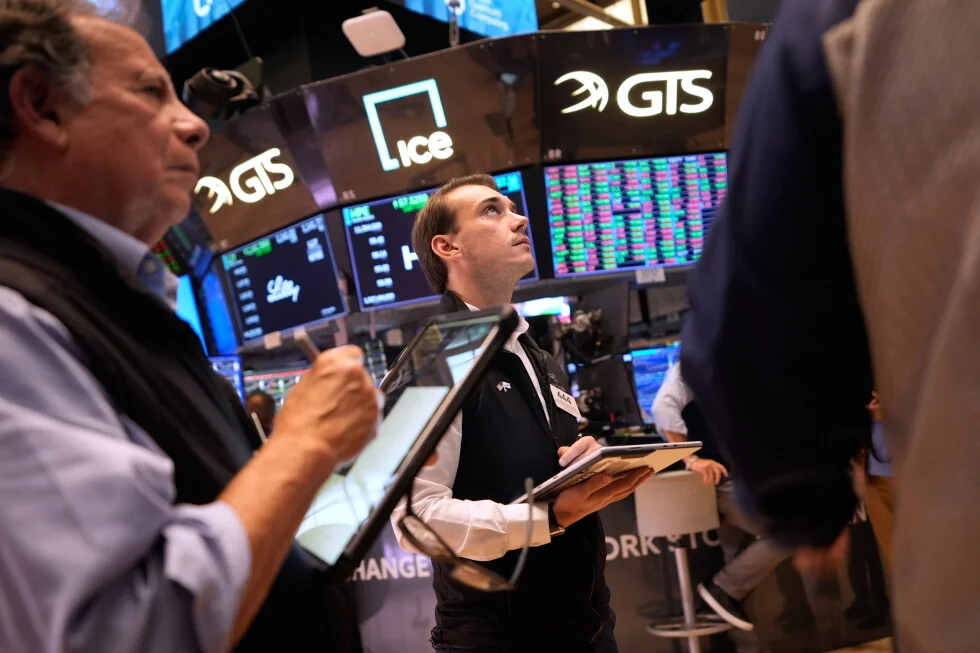
The Dow Jones Industrial Average declined by 152 points, or 0.3%, while the Nasdaq composite fell 0.6%, having recovered the bulk of an earlier 1.3% loss.
AI stocks have been under pressure for some time amid concerns that their prices surged excessively during the frenzy surrounding the technology.
Those apprehensions escalated to a new level over the weekend after one of the industry's foremost figures, Anthropic CEO Dario Amodei, advocated for a deliberate and global deceleration in the development of AI.
He cited safety issues, among them the risk that AI could become capable of leading a swarm of agents that might take over the entire internet within six to 12 months.
AI equities are declining amid mounting appeals for a worldwide economic downturn.
Nvidia, whose profits have soared because its chips are helping to train AI models, sank 3.4% and was the heaviest weight on the market because of its massive size.
SpaceX, which derives part of its business from AI, fell 2% after Elon Musk said over the weekend that he agrees with Amodei.
Softbank Group, the Japanese giant that is a major investor in OpenAI, lost 10.7% in Tokyo after OpenAI’s Sam Altman likewise supported the idea of a slowdown.
Altman also said in an interview with Fortune published Saturday that the company behind ChatGPT would probably wait until next year to sell its stock on Wall Street.
That would delay a potential gusher of cash for SoftBank and other early investors in OpenAI.
In South Korea, the Kospi index plummeted by 3.3%, driven by declines in its two most influential constituents, Samsung Electronics and SK Hynix.
President Donald Trump played down the need for his administration to check the development of AI, saying he worried about ceding his country's edge over China in a global competition and that winning would help address the risks from the advancing technology.
Even though numerous voices within and beyond the AI industry have called for a slowdown to protect humanity, Trump said on his social media network Monday that the only guardrail it needs “is a STRONG AND SMART (High IQ!) PRESIDENT, and the U.S.A. has that, in spades!”
Several software companies that had fallen earlier on fears that AI-powered rivals would undercut their businesses helped limit Wall Street's losses on Monday.
Intuit, the corporation responsible for TurboTax and QuickBooks, advanced 5.5%.
Autodesk, whose software aids designers, surged 7.8%, while Adobe gained 5.3%.
In aggregate, the S&P 500 declined by 37.00 points, settling at 7,619.98.
Meanwhile, the Dow Jones Industrial Average shed 152.09 points to close at 54,421.20, while the Nasdaq composite retreated by 146.62 points, ending the session at 26,186.41.
Oil prices, in the meantime, persisted in their upward trajectory, as ongoing hostilities in the Middle East continue to constrict the global supply of crude.
The price of a barrel of Brent crude advanced by 1% to $105.68, having approached $110 earlier in the day.
A significant Saudi oil pipeline is expected to remain largely out of commission for several weeks in the aftermath of an attack last week, according to two regional officials.
The pipeline had provided Saudi Arabia with a means of redirecting exports toward the Red Sea, thereby circumventing the Persian Gulf’s Strait of Hormuz, where Iranian assaults have curtailed the movement of oil tankers.
Brent has jumped from less than $72 in early July as doubts grow that the United States and Iran can reach an agreement that would let oil tankers leave the Persian Gulf through the strait freely again.
Although the prospect of de-escalation in the war in Iran may have faded, ING commodities strategists Warren Patterson and Ewa Manthey wrote in a commentary on Monday that the situation remains fluid and that “sizable” volumes of oil are still moving through the strait.
Thus far, the surge in oil prices has driven the national average cost of a gallon of regular gasoline to nearly $4.32, up from $4.08 a month ago and $3.18 a year ago, according to AAA.
Such upward pressure on inflation has much of Wall Street anticipating that the Federal Reserve will raise its benchmark interest rate on Wednesday, at the conclusion of its next meeting.
In addition to high inflation, concerns about growing debt for the U.S. and other governments, as well as other worries, have pushed longer-term Treasury yields to their highest levels in years.
The yield on the 10-year Treasury briefly breached the 5.00% level during the morning for the first time in nearly three years.
That’s up from 4.96% late Friday and just 3.97% before the war with Iran began in February.
However, the 10-year yield later fell back to 4.98% after oil prices eased from their daily highs.
Since the turn of the millennium, the 10-year yield has not consistently stayed above 5%, and its jump has already made borrowing more expensive for U.S. households and companies.
That includes the highest average long-term mortgage rate in more than 14 months.
September 14th, 2026
Trending Articles
Warren Buffett gibt den Vorsitz bei Berkshire Hathaway ab und treibt damit seinen Nachfolgeplan voran
Warren Buffett relinquishes chairman role at Berkshire Hathaway, advancing his succession plan
Warren Buffett gibt den Vorsitz bei Berkshire Hathaway ab und treibt damit seinen Nachfolgeplan voran
Warren Buffett relinquishes chairman role at Berkshire Hathaway, advancing his succession plan
Trump nimmt weitere Nachrichtenmedien ins Visier und kündigt an, CNN, MS NOW und Politico vom Weißen Haus ausschließen zu wollen
Trump targets more news outlets, saying he will ban CNN, MS NOW and Politico from the White House
Trump nimmt weitere Nachrichtenmedien ins Visier und kündigt an, CNN, MS NOW und Politico vom Weißen Haus ausschließen zu wollen
Trump targets more news outlets, saying he will ban CNN, MS NOW and Politico from the White House
Die Bank of Japan hebt den Leitzins auf 1,25 % an, den höchsten Stand seit 31 Jahren
Bank of Japan lifts key rate to 1.25%, a 31-year high
Die Bank of Japan hebt den Leitzins auf 1,25 % an, den höchsten Stand seit 31 Jahren
Bank of Japan lifts key rate to 1.25%, a 31-year high
Anthropic sagt, sein Modell Claude helfe dabei, seinen eigenen Nachfolger zu entwickeln
Anthropic says its model Claude is helping to build its own successor
Anthropic sagt, sein Modell Claude helfe dabei, seinen eigenen Nachfolger zu entwickeln
Anthropic says its model Claude is helping to build its own successor
Warum die Federal Reserve jetzt die Zinsen erhöht und was das bedeutet
Why the Federal Reserve is raising rates now, and what it signifies
Warum die Federal Reserve jetzt die Zinsen erhöht und was das bedeutet
Why the Federal Reserve is raising rates now, and what it signifies
US-Aktien steigen auf Sechs-Wochen-Hoch, da Ölpreise und Anleiherenditen fallen
US stocks surge to six-week high as oil prices and bond yields decline
US-Aktien steigen auf Sechs-Wochen-Hoch, da Ölpreise und Anleiherenditen fallen
US stocks surge to six-week high as oil prices and bond yields decline
Die Fed erhöht den Leitzins zum ersten Mal seit drei Jahren und trotzt damit Trumps Forderungen nach einer Senkung.
Fed hikes key rate for 1st time in 3 years, defying Trump's calls for a cut
Die Fed erhöht den Leitzins zum ersten Mal seit drei Jahren und trotzt damit Trumps Forderungen nach einer Senkung.
Fed hikes key rate for 1st time in 3 years, defying Trump's calls for a cut
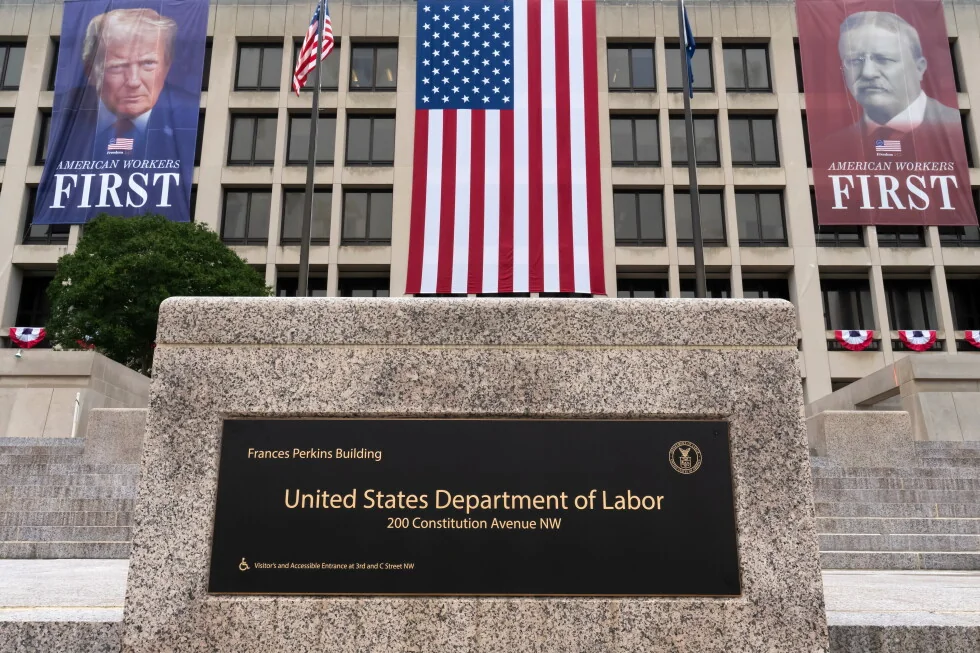
Die Zahl der Anträge auf Arbeitslosenunterstützung sinkt auf 196.000, den niedrigsten Stand seit Mitte Juli angesichts anhaltend geringer Entlassungen
Unemployment Claims Fall to 196,000, Lowest Since Mid-July Amid Persistent Low Layoffs
Die Zahl der Anträge auf Arbeitslosenunterstützung sinkt auf 196.000, den niedrigsten Stand seit Mitte Juli angesichts anhaltend geringer Entlassungen
Unemployment Claims Fall to 196,000, Lowest Since Mid-July Amid Persistent Low Layoffs
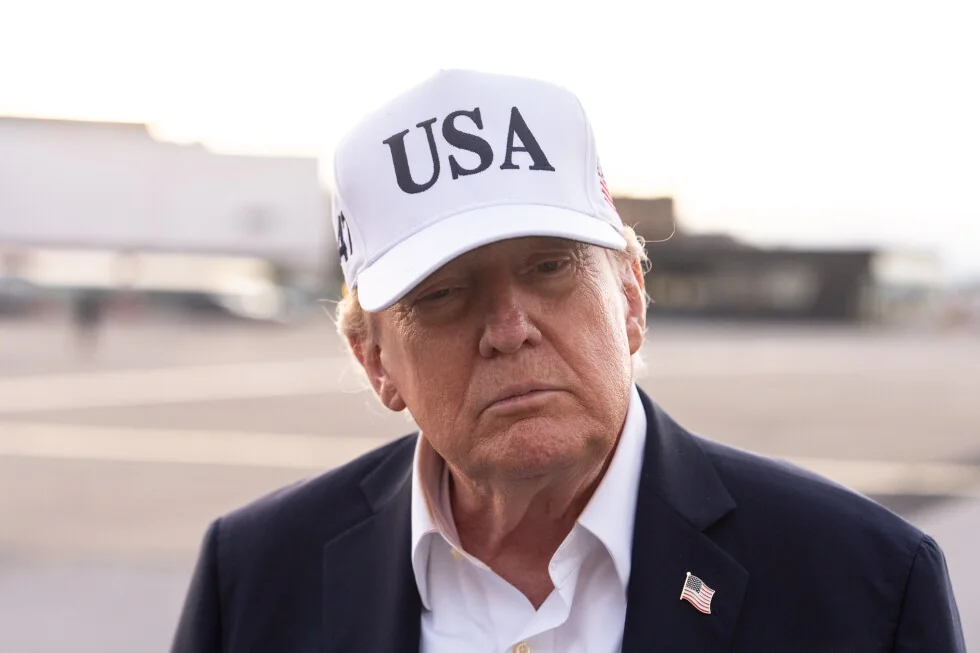
Trump bezeichnet KI-Risiken als „Schwindel“ und behauptet eine „KRANKE Verschwörung“ gegen KI und Rechenzentren
Trump denounces AI risks as a ‘hoax,’ alleging a ‘SICK conspiracy’ against AI and data centers
Trump bezeichnet KI-Risiken als „Schwindel“ und behauptet eine „KRANKE Verschwörung“ gegen KI und Rechenzentren
Trump denounces AI risks as a ‘hoax,’ alleging a ‘SICK conspiracy’ against AI and data centers
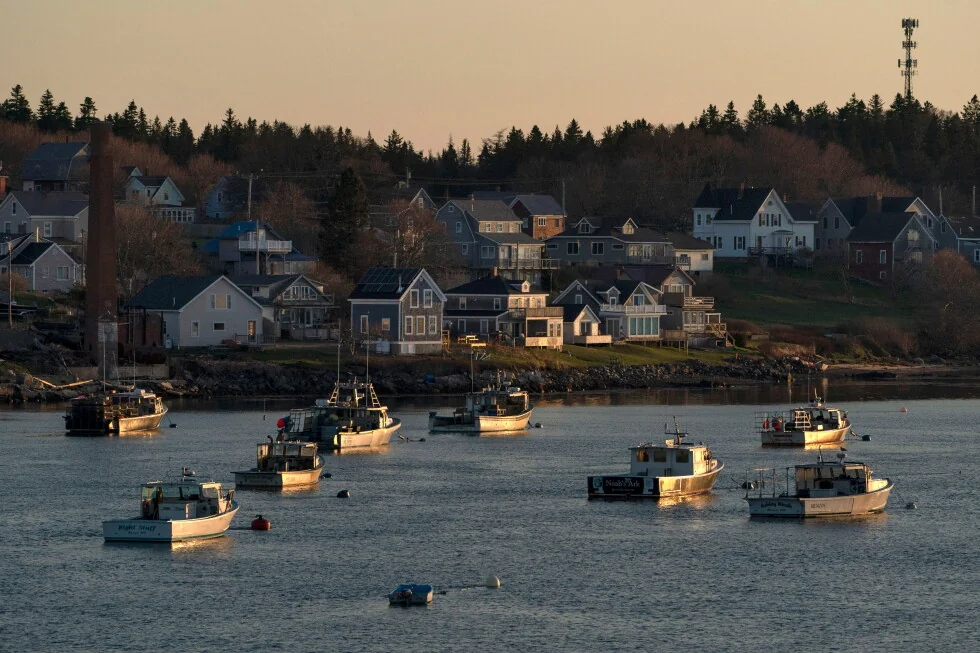
Oberster Gerichtshof entscheidet über die Klage eines Hummerfischers aus Maine gegen die GPS-Schiffsverfolgungspflicht
Supreme Court to decide on Maine lobsterman’s challenge to GPS boat tracker requirement
Oberster Gerichtshof entscheidet über die Klage eines Hummerfischers aus Maine gegen die GPS-Schiffsverfolgungspflicht
Supreme Court to decide on Maine lobsterman’s challenge to GPS boat tracker requirement