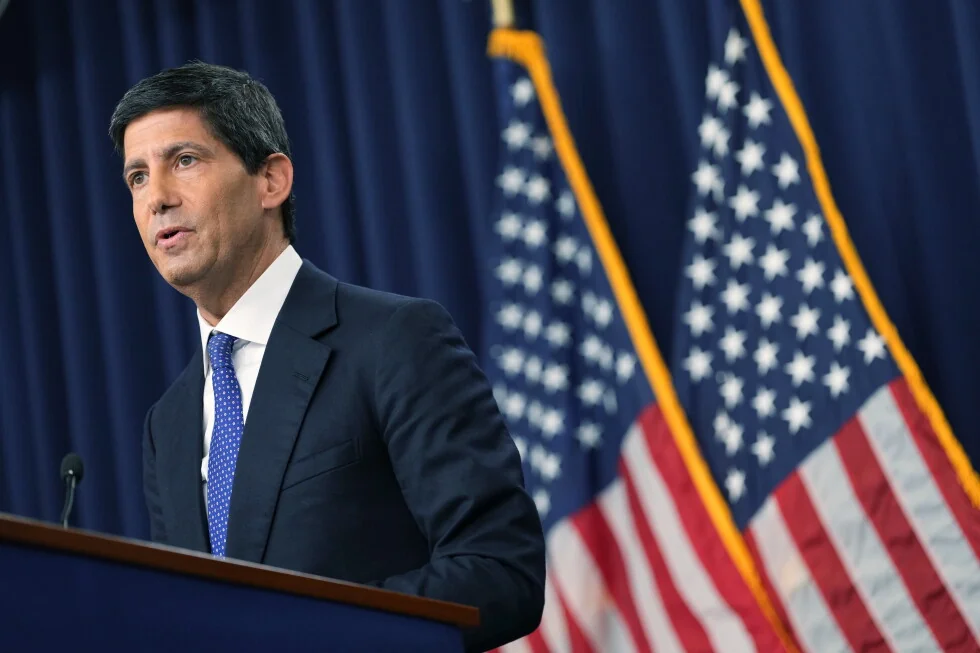
Die Fed erhöht den Leitzins zum ersten Mal seit drei Jahren und trotzt damit Trumps Forderungen nach einer Senkung.
September 17th, 2026
Die Fed erhöht den Leitzins zum ersten Mal seit drei Jahren und trotzt damit Trumps Forderungen nach einer Senkung.
🇩🇪 Deutsch
In an effort to quell stubbornly high inflation, the Federal Reserve raised its benchmark interest rate on Wednesday for the first time since 2023, and the central bank signaled that another rate hike could occur later this year.
The quarter-point increase elevates the Fed’s key rate to approximately 3.9% and, in due course, could translate into elevated borrowing costs for mortgages, auto loans and credit cards.
In a series of quarterly projections, the Fed additionally indicated that its rate-setting committee might raise it a second time, to 4.1%.
The move comes as Americans are already grappling with elevated costs for groceries, gas and housing.
Affordability has assumed a leading role in the upcoming midterm elections, just seven weeks away.
It introduces yet another potentially risky economic variable for Republicans and President Donald Trump, who strongly criticized the decision on Wednesday and accused the Fed's top policymakers of trying to harm him politically.
Chair Kevin Warsh, who was nominated by Trump, emphasized after the announcement that the economy had shown signs of gaining speed since the central bank decided to keep rates unchanged in late July.
Inflation has also stayed stubbornly above the Fed's 2% target, and he noted there is little sign it is cooling.
“The plain fact is that inflation is too high and has been for too long,” Warsh said.
“We must be confident that underlying inflation is moving to our objective clearly and at sufficient speed.
Today the FOMC decided that this standard has not been satisfied,” he added, referring to the policy-setting Federal Open Market Committee, an arm of the Fed.
“Warsh’s tough talk around inflation in the post-meeting press conference suggested that he may be pushing for higher rates in meetings to come,” said Preston Caldwell, chief U.S. economist at Morningstar.
Warsh also said that renewed combat between the U.S. and Iran, which had driven up gas prices, had convinced Fed officials to support rate hikes.
"There is no evading the world's hot spots," he said.
Speaking to reporters in North Carolina ahead of a midterm campaign rally, Trump made no mention of the policies of his that had influenced the decision, instead framing the historically independent Fed as merely another political actor in Washington.
“The board is exceedingly antagonistic. They are highly politicised. They are acting improperly. They are a collection of politicians,” he said, adding, “They are raising rates to make Trump do as poorly as they possibly can.”
Warsh observed that other central banks are raising interest rates in reaction to worldwide upheaval and elevated gas prices.
The European Central Bank increased its benchmark rate last week, and the Bank of Japan is anticipated to follow suit on Sept. 18.
The Fed next meets in late October, and most economists expect officials to keep rates unchanged then, as it is just a week before the midterm elections.
But according to futures prices, Wall Street analysts now see a rate hike by December as a near certainty.
Also late Wednesday, the yield, or interest rate, on the 2-year Treasury rose to 4.74% from 4.67%, another sign that investors expect the Fed to potentially lift rates further.
Still, if inflation does show signs of cooling in the coming months, that could change.
Since taking the lead at the Fed in May, Warsh has said it is firmly committed to taming inflation, and policymakers would take their cues from the data to determine if inflation was going in the right direction.
The rate hike marks a turnaround for Warsh.
He often suggested last year, when under consideration by Trump, that the Fed could reduce its key rate, echoing the president's call for lower borrowing costs.
In April, when the Senate Banking Committee was considering Warsh’s nomination, Trump said in a television interview that he would be disappointed if Warsh didn’t cut rates.
On the same day, however, Warsh told the committee he did not promise Trump he would cut rates and said he would be “an independent actor” as Fed chair.
Trump remarked in North Carolina that he had conversed with Warsh prior to the vote and had advised him, “You might as well vote with the board because it’s not going to matter.”
The ongoing disruptions caused by the Iran war, which have pushed average gas prices up by more than 7% compared with just a month ago, threaten to spread throughout the economy and keep broader inflation stubbornly high.
An inflation report last week showed that core prices, which exclude food and energy, accelerated slightly in August.
According to the Fed’s preferred measure, inflation was 3.7% in July compared with a year ago, up from 2.3% in April 2025, just before Trump unveiled sweeping tariffs.
Core inflation, which excludes the volatile food and energy categories, was 3.3% in July, the latest data available, up from 3% just before the Iran war and far above the Fed’s target.
Fed policymakers unanimously backed the rate hike, in contrast to late July, when the central bank kept rates steady and three officials dissented in favor of higher rates.
Of the 18 Fed policymakers who submitted growth and interest rate projections, 16 penciled in at least one further rate hike this year, with four supporting two more increases.
Earlier on Wednesday, the government said retail sales had jumped 1.2% in August from the previous month, a sign that consumers are still spending at healthy levels despite sentiment surveys that indicate Americans remain gloomy about the economy.
Strong spending is a sign that interest rates at current levels aren't necessarily restricting the economy and cooling inflation.
“While uncertainty remains elevated owing, in part, to geopolitical developments, domestic spending has been resilient,” the Fed said, in what was likely a reference to ongoing consumer spending and strong investment in artificial intelligence data centers by large technology companies.
Elevated inflation cannot be attributed solely to gasoline prices.
Sustained investment in AI has inflated the cost of computer chips and other electronic components, thereby exacerbating overall inflation.
Tariffs may still be driving up certain expenses, such as household appliances, which surged in price last month.
Trump had sharply criticized Warsh’s predecessor, Jerome Powell, for not cutting rates quickly enough.
His Justice Department even opened a criminal investigation into Powell over brief testimony he gave to Congress last year, though that probe was eventually dropped.
When questioned on Wednesday about how the president might respond to the rate increase, Warsh remarked, “I’ve got nothing for you on a discussion with the president.”
On Sunday, Kevin Hassett, Trump’s preeminent economic adviser, was queried during an interview with Fox News as to how Trump might respond to a rate hike.
"I'm certain he won't be particularly thrilled about it, but he will champion Kevin Warsh's independence above all else," Hassett said.
Warsh might enjoy a degree of protection owing to the fact that his father-in-law, Ronald Lauder, is both a friend of Trump's and a billionaire donor to his campaigns.
And the president, notwithstanding all his grievances, maintained that he wants Warsh “to be independent.”
When asked point-blank whether he still has confidence in Warsh, Trump replied, “I do.”
Reporter Bill Barrow contributed to this report from Atlanta.
September 17th, 2026
Trending Articles
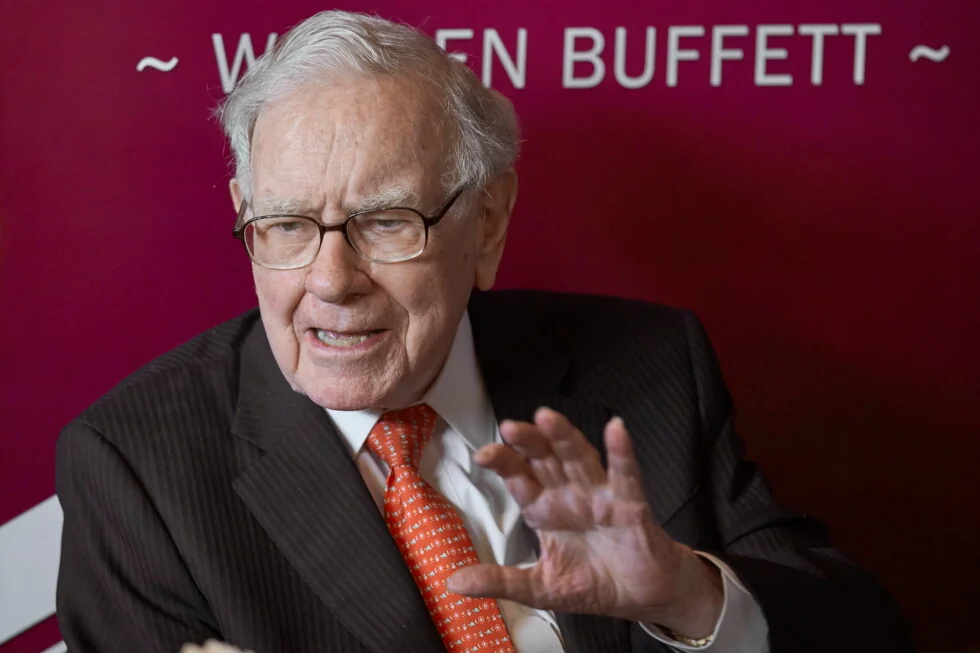
Warren Buffett gibt den Vorsitz bei Berkshire Hathaway ab und treibt damit seinen Nachfolgeplan voran
Warren Buffett relinquishes chairman role at Berkshire Hathaway, advancing his succession plan
Warren Buffett gibt den Vorsitz bei Berkshire Hathaway ab und treibt damit seinen Nachfolgeplan voran
Warren Buffett relinquishes chairman role at Berkshire Hathaway, advancing his succession plan
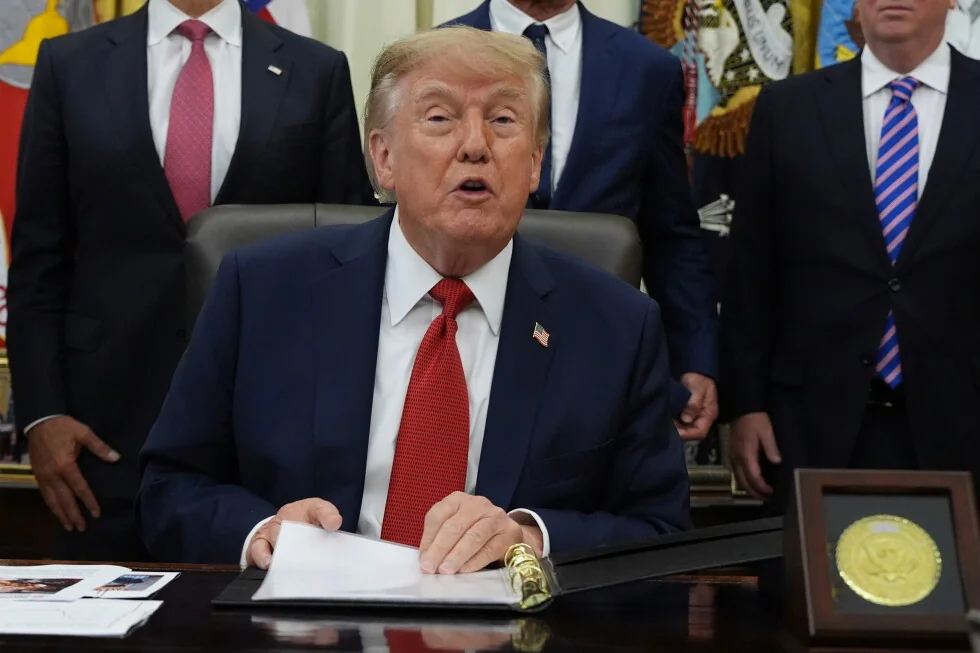
Trump nimmt weitere Nachrichtenmedien ins Visier und kündigt an, CNN, MS NOW und Politico vom Weißen Haus ausschließen zu wollen
Trump targets more news outlets, saying he will ban CNN, MS NOW and Politico from the White House
Trump nimmt weitere Nachrichtenmedien ins Visier und kündigt an, CNN, MS NOW und Politico vom Weißen Haus ausschließen zu wollen
Trump targets more news outlets, saying he will ban CNN, MS NOW and Politico from the White House
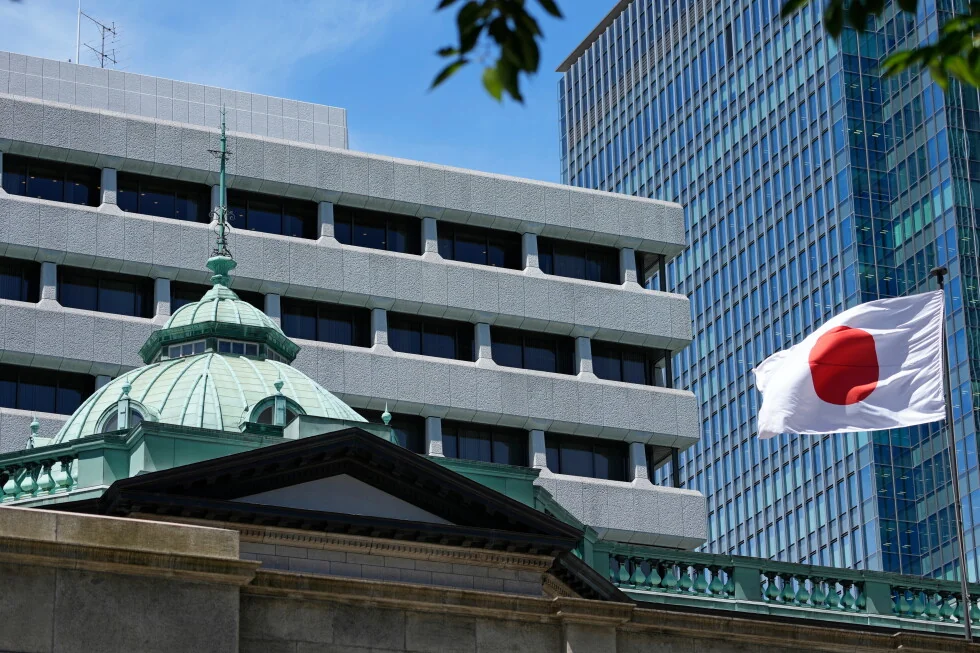
Die Bank of Japan hebt den Leitzins auf 1,25 % an, den höchsten Stand seit 31 Jahren
Bank of Japan lifts key rate to 1.25%, a 31-year high
Die Bank of Japan hebt den Leitzins auf 1,25 % an, den höchsten Stand seit 31 Jahren
Bank of Japan lifts key rate to 1.25%, a 31-year high
Anthropic sagt, sein Modell Claude helfe dabei, seinen eigenen Nachfolger zu entwickeln
Anthropic says its model Claude is helping to build its own successor
Anthropic sagt, sein Modell Claude helfe dabei, seinen eigenen Nachfolger zu entwickeln
Anthropic says its model Claude is helping to build its own successor
Warum die Federal Reserve jetzt die Zinsen erhöht und was das bedeutet
Why the Federal Reserve is raising rates now, and what it signifies
Warum die Federal Reserve jetzt die Zinsen erhöht und was das bedeutet
Why the Federal Reserve is raising rates now, and what it signifies
US-Aktien steigen auf Sechs-Wochen-Hoch, da Ölpreise und Anleiherenditen fallen
US stocks surge to six-week high as oil prices and bond yields decline
US-Aktien steigen auf Sechs-Wochen-Hoch, da Ölpreise und Anleiherenditen fallen
US stocks surge to six-week high as oil prices and bond yields decline
Die Zahl der Anträge auf Arbeitslosenunterstützung sinkt auf 196.000, den niedrigsten Stand seit Mitte Juli angesichts anhaltend geringer Entlassungen
Unemployment Claims Fall to 196,000, Lowest Since Mid-July Amid Persistent Low Layoffs
Die Zahl der Anträge auf Arbeitslosenunterstützung sinkt auf 196.000, den niedrigsten Stand seit Mitte Juli angesichts anhaltend geringer Entlassungen
Unemployment Claims Fall to 196,000, Lowest Since Mid-July Amid Persistent Low Layoffs
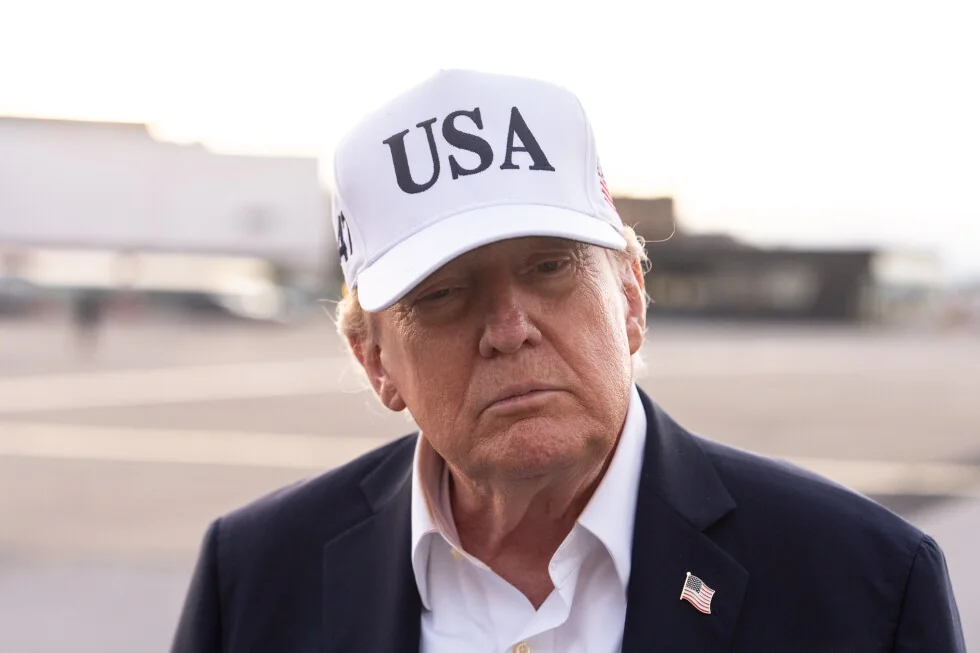
Trump bezeichnet KI-Risiken als „Schwindel“ und behauptet eine „KRANKE Verschwörung“ gegen KI und Rechenzentren
Trump denounces AI risks as a ‘hoax,’ alleging a ‘SICK conspiracy’ against AI and data centers
Trump bezeichnet KI-Risiken als „Schwindel“ und behauptet eine „KRANKE Verschwörung“ gegen KI und Rechenzentren
Trump denounces AI risks as a ‘hoax,’ alleging a ‘SICK conspiracy’ against AI and data centers
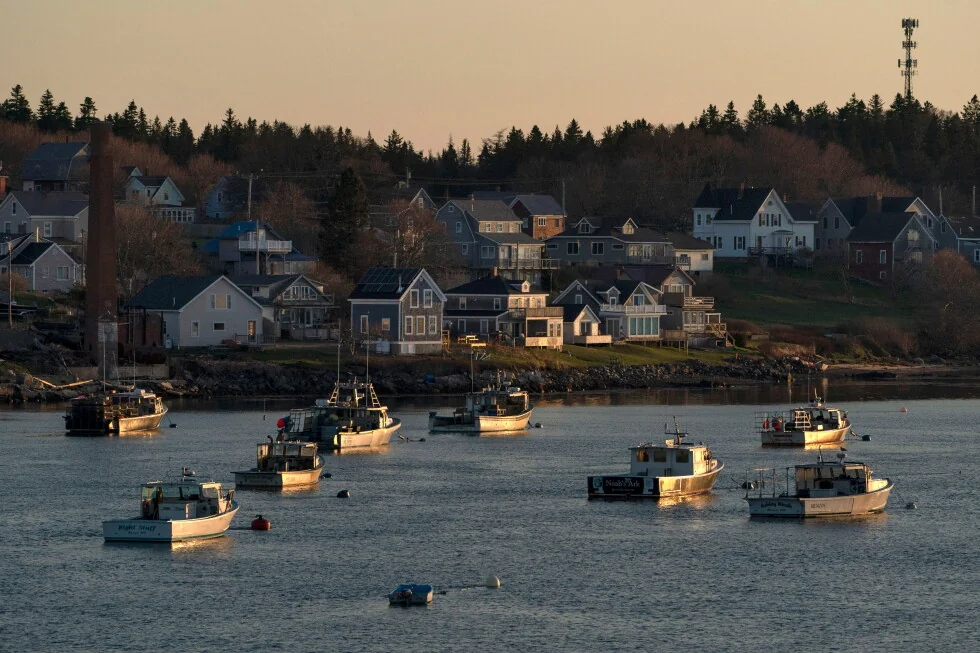
Oberster Gerichtshof entscheidet über die Klage eines Hummerfischers aus Maine gegen die GPS-Schiffsverfolgungspflicht
Supreme Court to decide on Maine lobsterman’s challenge to GPS boat tracker requirement
Oberster Gerichtshof entscheidet über die Klage eines Hummerfischers aus Maine gegen die GPS-Schiffsverfolgungspflicht
Supreme Court to decide on Maine lobsterman’s challenge to GPS boat tracker requirement