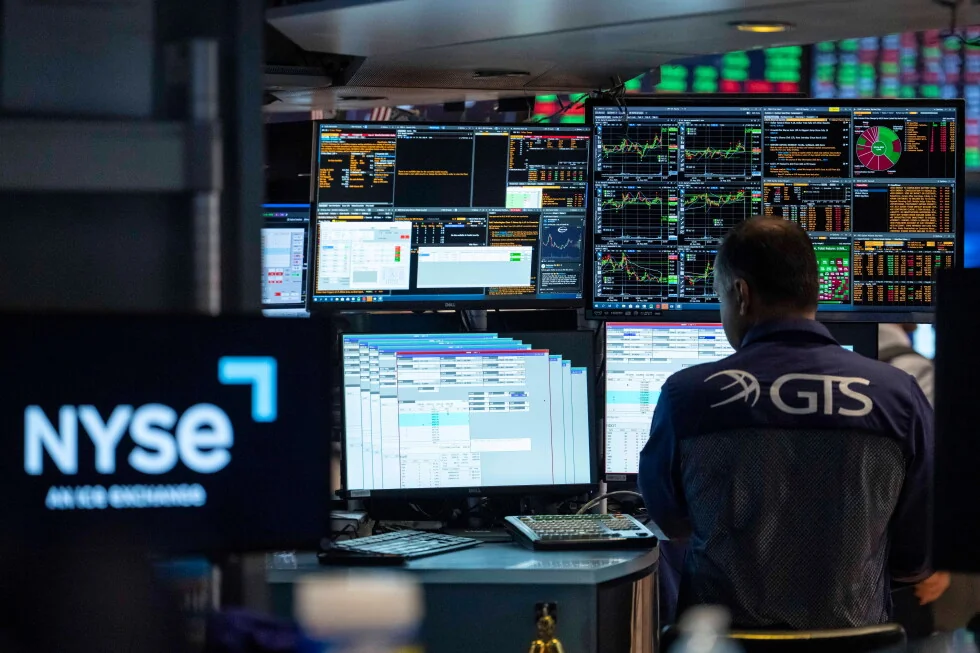
原油價格飆升,對華爾街構成日益沉重的壓力。
September 8th, 2026
原油價格飆升,對華爾街構成日益沉重的壓力。
🇹🇼 中文
U.S. equities declined on Tuesday upon resumption of trading following the three-day recess, as the latest hostilities in the conflict with Iran exerted upward pressure on crude prices.
The S&P 500 contracted by 0.6%, while the Dow Jones Industrial Average suffered a precipitous decline of 628 points—equivalent to a 1.2% downturn—and the Nasdaq composite experienced a marginal retreat of 0.3%.
The pressure they were under was compounded by the surge in crude prices, as a barrel of Brent briefly ascended to $99.46 before settling at $97.92—a 0.9% uptick—thereby extending its trajectory from approximately $72 in early July, given that heightened hostilities in the Middle East continue to impede the unimpeded global circulation of oil.
The escalation in crude oil prices has intensified apprehensions regarding the persistent inflationary pressures afflicting both households and enterprises nationwide, thereby lending considerable significance to a pair of forthcoming data releases later this week.
On Thursday, the U.S. government will unveil its August wholesale inflation figures, which economists anticipate will demonstrate an acceleration to 5.4%, up from July's 4.7%.
The escalating hostilities with Iran are placing an unprecedented degree of strain upon global financial markets, precipitating widespread volatility and uncertainty.
The more meticulously scrutinized inflation report, reflecting the pressures felt by U.S. consumers, is slated for release on Friday.
This forthcoming data will delineate the extent to which households are now disbursing more for groceries, apparel, and other living expenses relative to the same period last year, with economists anticipating a modest deceleration to 3.3% from July’s 3.4% rate.
Nevertheless, this figure remains substantially elevated above the 2% threshold that the Federal Reserve has established as its benchmark objective.
This week’s inflation data will constitute the final set of figures released prior to the Federal Reserve’s forthcoming assembly, at which policymakers will deliberate on whether to implement a reduction, an increase, or a maintenance of the current interest rate trajectory.
The Fed’s conventional response to elevated inflationary pressures entails an upward adjustment of its benchmark rate.
Such a maneuver would, in turn, propagate throughout the broader fixed-income market, thereby escalating the cost of borrowing for both corporations and individuals, decelerating aggregate economic activity, diminishing the valuation of investment assets, and, it is anticipated, curbing inflationary momentum.
President Donald Trump, however, has been advocating instead for a reduction in interest rates—a move that could impart an additional stimulus to both the economy and inflationary pressures.
Meanwhile, the newly appointed Federal Reserve Chair, Kevin Warsh, has expressed his intention to provide financial markets with considerably less forward guidance regarding the central bank's near-term policy trajectory on interest rates.
This confluence of factors has prompted traders to ascribe a probability approaching 60% to the Federal Reserve raising its federal funds rate upon the conclusion of its forthcoming meeting on September 16, as per data disseminated by CME Group.
Within the fixed-income arena, the yield on the 10-year Treasury note has ascended from 4.78% to 4.79%, thereby positioning it in close proximity to its zenith since the autumn of 2023.
Escalating Treasury yields intensify the imperative for corporations to augment their earnings, thereby underpinning equity valuations.
On Wall Street, Boston Scientific depreciated by 5.9% following its announcement that a cybersecurity-induced network outage earlier this summer renders it improbable to achieve its projected sales and profit figures for the third quarter and the entirety of fiscal 2026.
While the corporation anticipates recuperating a portion of the lost revenue as it progressively escalates global operations, fulfills customer requisitions, and diminishes outstanding order backlogs, the comprehensive ramifications remain, as yet, indeterminate.
Shares of Novartis trading on US exchanges plummeted 13.9% following the Swiss pharmaceutical giant's dispiriting disclosure regarding a clinical trial of a therapeutic intervention intended for individuals afflicted with myotonic dystrophy type 1, a debilitating neuromuscular disorder.
Qualcomm served as a bulwark against the market's downturn, surging 3.2% following the revelation of a strategic alliance with Amazon aimed at developing expansive AI data centers.
This agreement further confers upon Amazon the prerogative to procure up to 25 million Qualcomm shares at a price of $161.26 per share.
In the realm of overseas equities, Japan's Nikkei 225 experienced a precipitous decline of 1.7%, burdened by the tribulations of its preeminent exporters, whose fortunes were severely compromised by the yen's relentless ascent against the U.S. dollar.
An appreciation of the yen exerts a corrosive effect on the value of revenues denominated in U.S. dollars when Toyota Motor, Panasonic Holdings, and other exporters repatriate those earnings into the domestic currency.
Moreover, the Bank of Japan is slated to convene next week to deliberate on interest rates, and speculation is intensifying that it may elect to raise them, a move that could precipitate further appreciation of the yen.
In Hong Kong, indices declined by 0.4%, while their Shanghai counterparts advanced by 0.2%, following the world’s second-largest economy’s announcement that its exports had surged 25% year-on-year in August, buoyed by robust demand for automobiles and cutting-edge technological products.
September 8th, 2026
Trending Articles
華倫·巴菲特卸下波克夏·海瑟威董事長職務,推進其接班計畫
Warren Buffett relinquishes Berkshire Hathaway chairmanship, advancing his succession plan
華倫·巴菲特卸下波克夏·海瑟威董事長職務,推進其接班計畫
Warren Buffett relinquishes Berkshire Hathaway chairmanship, advancing his succession plan
川普升高對媒體的攻勢,揚言禁止CNN、MS NOW與Politico進入白宮
Trump escalates media offensive, vowing to bar CNN, MS NOW and Politico from the White House
川普升高對媒體的攻勢,揚言禁止CNN、MS NOW與Politico進入白宮
Trump escalates media offensive, vowing to bar CNN, MS NOW and Politico from the White House
日本銀行將基準利率上調至1.25%,創31年新高
Bank of Japan Lifts Benchmark Rate to 1.25%, a 31-Year Peak
日本銀行將基準利率上調至1.25%,創31年新高
Bank of Japan Lifts Benchmark Rate to 1.25%, a 31-Year Peak

Anthropic 聲稱 Claude 在其自身後繼模型的開發過程中發揮了關鍵作用
Anthropic claims Claude is instrumental in developing its own successor
Anthropic 聲稱 Claude 在其自身後繼模型的開發過程中發揮了關鍵作用
Anthropic claims Claude is instrumental in developing its own successor
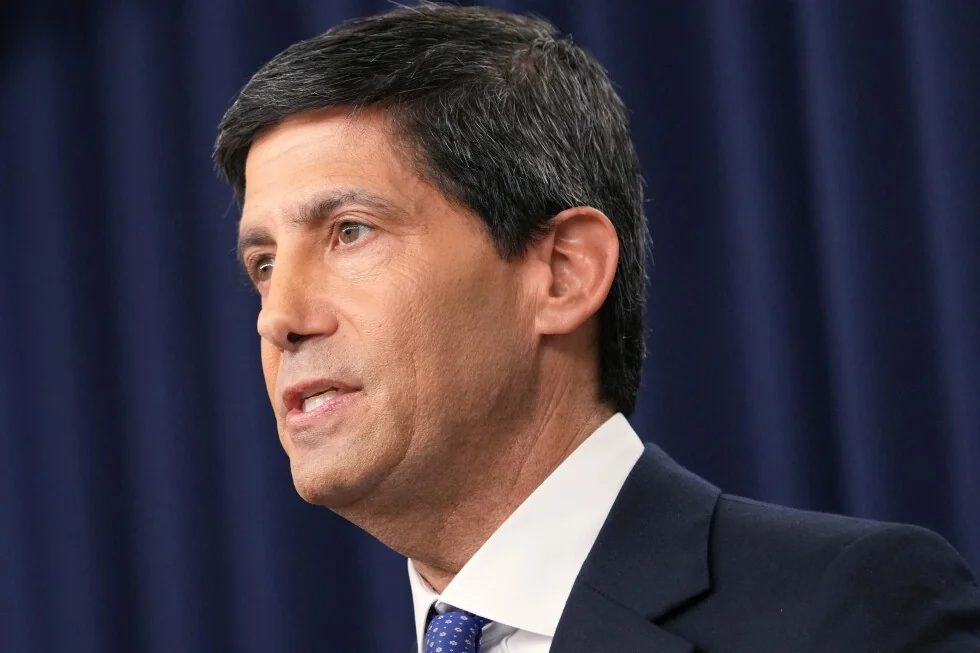
聯準會為何在此時升息——以及這預示著什麼
Why the Federal Reserve is raising rates now — and what it portends
聯準會為何在此時升息——以及這預示著什麼
Why the Federal Reserve is raising rates now — and what it portends
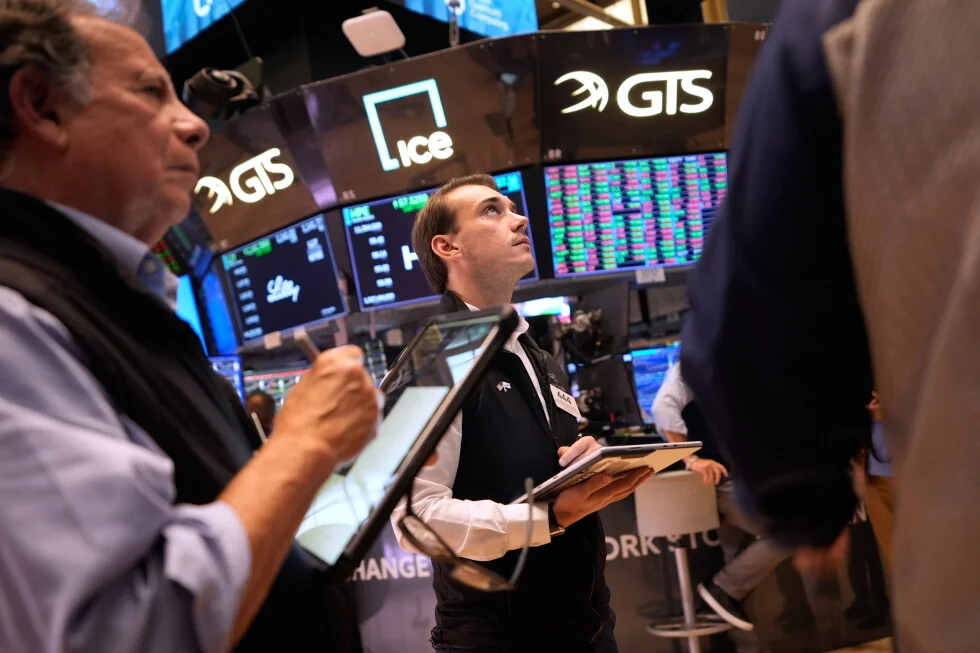
美國股市飆升至六週高點,因石油與債券殖利率回落
US equities surge to six-week peak as oil and bond yields retreat
美國股市飆升至六週高點,因石油與債券殖利率回落
US equities surge to six-week peak as oil and bond yields retreat
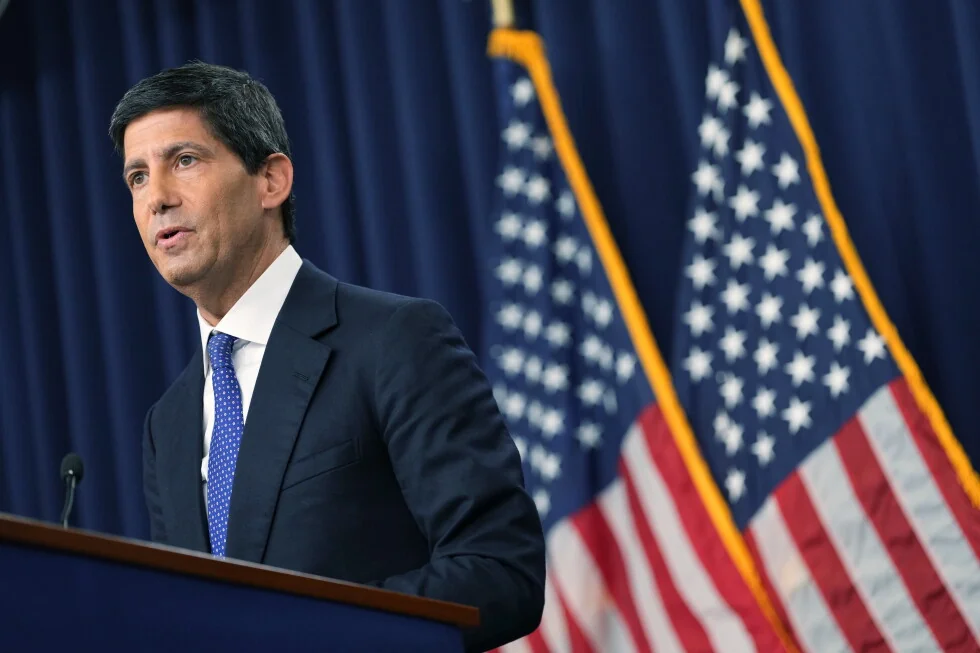
聯準會三年來首度調升基準利率,無視川普的降息要求
Fed hikes key rate for 1st time in 3 years, flouting Trump's cut demands
聯準會三年來首度調升基準利率,無視川普的降息要求
Fed hikes key rate for 1st time in 3 years, flouting Trump's cut demands
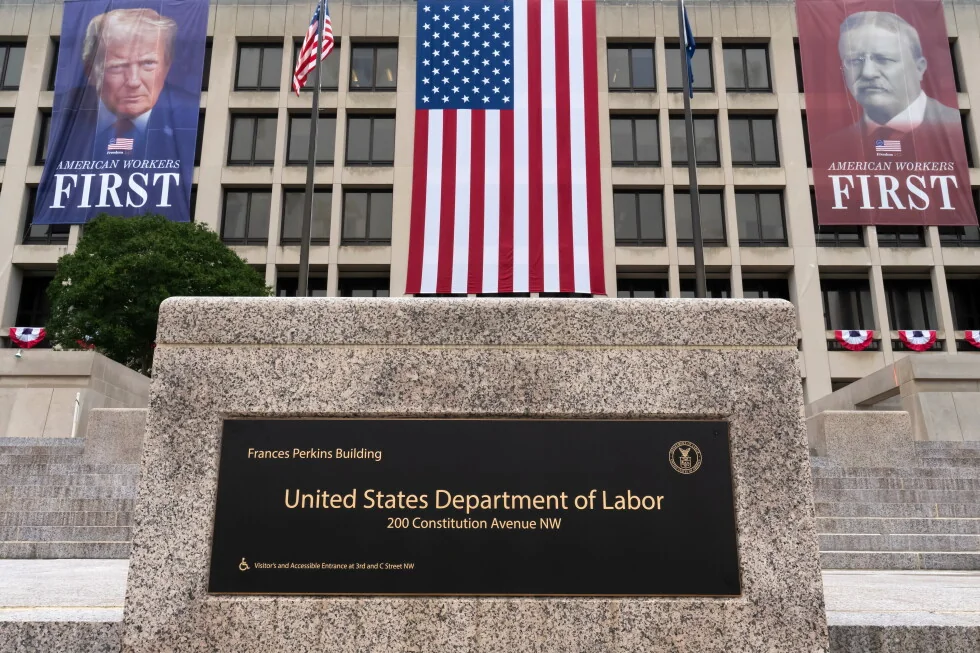
失業救濟申請人數驟降至196,000,創下自七月中旬以來新低,裁員人數持續維持低檔
Unemployment Claims Plummet to 196,000, Lowest Since Mid-July Amid Sustained Layoff Lows
失業救濟申請人數驟降至196,000,創下自七月中旬以來新低,裁員人數持續維持低檔
Unemployment Claims Plummet to 196,000, Lowest Since Mid-July Amid Sustained Layoff Lows
川普譴責AI風險為「騙局」,並指控針對AI與資料中心的「病態陰謀」
Trump denounces AI risks as ‘hoax,’ alleges ‘SICK conspiracy’ against AI and data centers
川普譴責AI風險為「騙局」,並指控針對AI與資料中心的「病態陰謀」
Trump denounces AI risks as ‘hoax,’ alleges ‘SICK conspiracy’ against AI and data centers

最高法院將裁定是否受理緬因州龍蝦漁民對GPS船舶追蹤器強制令的挑戰
Supreme Court to Determine Whether to Hear Maine Lobsterman’s Challenge to GPS Boat Tracker Mandate
最高法院將裁定是否受理緬因州龍蝦漁民對GPS船舶追蹤器強制令的挑戰
Supreme Court to Determine Whether to Hear Maine Lobsterman’s Challenge to GPS Boat Tracker Mandate