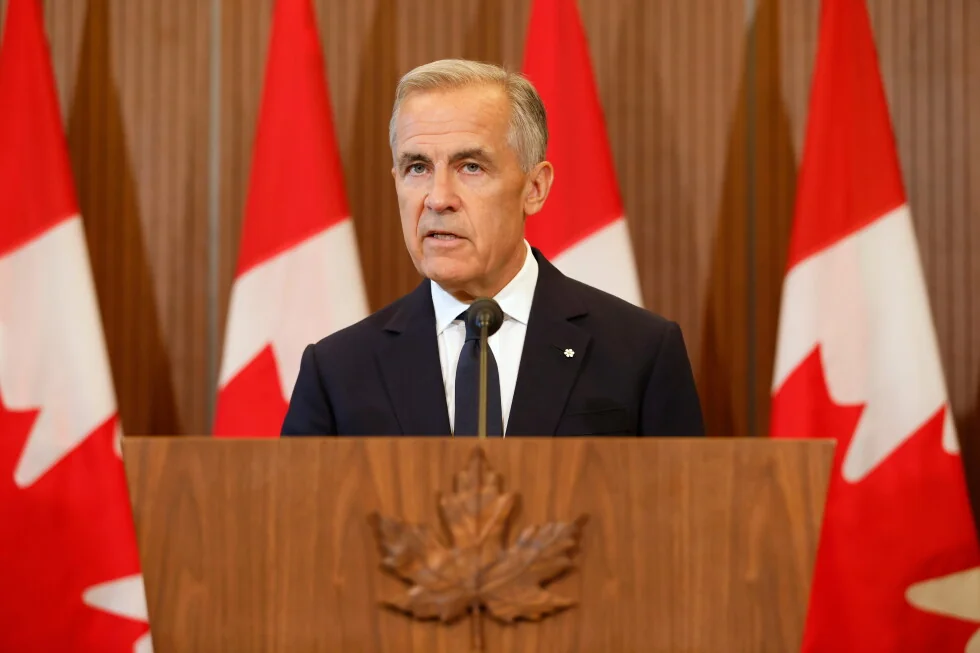
Fact check: Trump claims U.S. banks cannot operate in Canada — that is false.
September 8th, 2026
Fact check: Trump claims U.S. banks cannot operate in Canada — that is false.
🇺🇸 English
水曜日にカナダとの貿易戦争について質問を受けた際、ドナルド・トランプ大統領は、米国の銀行が北方の隣国との取引を禁じられていると誤って主張した。
この発言は、トランプ氏が両国間における貿易交渉の再開計画の有無について記者から質問を受けた後、オーバルオフィスで開催された米国旅行業界の幹部らとの会合中になされたものである。
専門家の見解によれば、米国の銀行は何らかの制約を受ける可能性はあるものの、カナダ国内での事業展開が全面的に禁じられているわけではない。
以下に、事実を詳細にわたって精査していくこととする。
トランプ氏:「彼らはここに銀行を有している。
カナダ銀行をはじめ、大手銀行すべてが—いずれも規模が大きく、実に見事な銀行だ。
当地には主要銀行が6、7行は存在していると見受けられる。
一方、我々は彼らの国に銀行を一切保有していない。
その理由がお分かりか?
彼らがそれを認めていないからだ。」
事実として、カナダ銀行協会の広報担当者によれば、現在、米国に本拠を置く15の銀行が、支店または子会社という形態でカナダ国内において事業を展開している。
専門家の見解では、特定の規制が米国の銀行にとって国境以北での競争を困難にする可能性はあるものの、市場への参入そのものは自由であるとされる。
連邦準備制度の最新データに基づけば、米国内で営業しているカナダの銀行は8行である。
なお、カナダ銀行はその中には含まれない。
それは米国の連邦準備制度に相当するカナダの中央銀行であり、商業企業ではないからである。
「米国とカナダの規制枠組みの相違が、少なからぬ混乱を引き起こすことになるでしょう」と、カナダのオンタリオ州に位置するウォータールー大学の金融学教授ジェームズ・トンプソン氏は指摘した。
「米国の銀行がカナダで事業を展開することを確かに認められてはいますが、カナダ市場への参入方法次第で、その事業範囲は大きく左右されるのです。」
カナダの銀行制度は、スケジュールI、スケジュールII、スケジュールIIIという三つの区分に分類される。
カナダ資本による所有銀行はスケジュールIに該当し、その中でも主要な六行が存在するが、これら六行の総資産は、国内に所在する二十八の小規模銀行の資産合計を凌駕している。
外国企業は、スケジュールIIまたはスケジュールIIIの銀行として営業する選択肢を持つ。
スケジュールII銀行はカナダで法人化された外国資本の子会社であり、国内資本の銀行とほぼ同等の銀行規制枠組みに該当する。
一方、スケジュールIII銀行はカナダで法人化されていない外国銀行の支店であり、高い最低預金額などの規制上の制約に直面する。
米国資本の銀行の大半は、スケジュールIIIの機関としてカナダで事業を展開している。
カナダ銀行協会の広報担当者であるナタリー・バージェロン氏は、カナダ国内で事業を展開する米国系銀行の支店および子会社が保有する総資産が約1,240億カナダドル(901億米ドル)に上り、これは外国銀行の子会社および支店が保有する全資産の過半数を占めるに至るとの見解を示した。
「これらの銀行は、法人向けおよび商業向け融資、財務サービス、クレジットカード商品、投資銀行業務、住宅ローン融資など、多岐にわたる金融サービスに特化しています」と彼女は述べた。
「彼らは、国境を越えたビジネス活動に従事する顧客層だけでなく、カナダ国内の小売市場にも対応しています。」
カナダで事業を展開する米系銀行には、JPモルガン・チェース銀行、シティバンク、バンク・オブ・アメリカ、キャピタル・ワン、ウェルズ・ファーゴが名を連ねている。
スケジュールIIおよびスケジュールIIIに分類される銀行は、いずれもカナダの銀行規制による制約を受けている。
金融・金融政策の専門家であり、カナダのシンクタンクであるCDハウ研究所の社長兼CEOを務めるジェレミー・クロニック氏は、スケジュールIII銀行は15万カナダドル(7万2,529米ドル)未満の預金を受け入れることができないと説明した。
つまり、ほとんどの人にとって、それらを小売銀行として利用することは不可能である。
さらに同氏は、スケジュールII銀行は外国の親会社とは別の法的実体であるため、独自の現地資本および流動性構造を維持する必要があり、銀行の観点からは非効率的な選択肢となると付け加えた。
このような制約が、米国資本の銀行の大半が国境を越えた事業展開を控える背景にあるのかもしれない。
連邦準備制度理事会のデータによれば、米国内には3,700以上の国内資本商業銀行が存在する一方、カナダに拠点を置くのはわずか15行に過ぎない。
「カナダは比較的狭小な市場であり、既存のカナダ系銀行はすでに確立されたブランド、広範な支店網、そして長年にわたって培われた顧客関係を有する極めて大規模な機関です」とトンプソン氏は述べた。
「参入を検討している米国の銀行にとって、カナダの個人顧客と競合するために必要なインフラを構築するには多額の費用がかかる一方、すでに比較的小さい市場のごく一部のシェアを最初に獲得するにすぎません。」
ホワイトハウスはコメント要請に対して即座に応答することはなかった。
この記事は2026年9月3日に初めて公表された。
2026年9月8日に更新が施され、カナダで事業を展開する米国系銀行の支店および子会社が保有する資産額の記載が修正された。
それらの資産を合算すると、為替レート次第で約901億米ドルに相当し、9億400万米ドルではない。
September 8th, 2026
Trending Articles
Warren Buffett to step down as Berkshire Hathaway chairman, next step in succession plan
Warren Buffett to step down as Berkshire Hathaway chairman, next step in succession plan
Warren Buffett to step down as Berkshire Hathaway chairman, next step in succession plan
Warren Buffett to step down as Berkshire Hathaway chairman, next step in succession plan
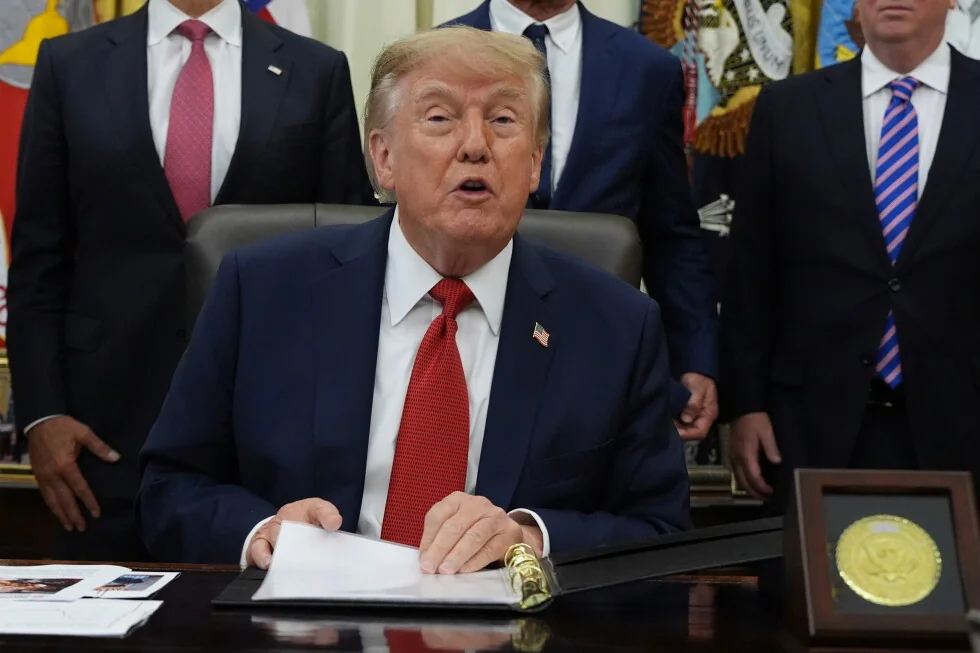
President Trump says he will ban CNN, MS NOW, and Politico from the White House, targeting further news organizations
トランプ大統領、CNN、MS NOW、ポリティコのホワイトハウス立ち入りを禁止すると発言、さらなる報道機関を標的に
President Trump says he will ban CNN, MS NOW, and Politico from the White House, targeting further news organizations
トランプ大統領、CNN、MS NOW、ポリティコのホワイトハウス立ち入りを禁止すると発言、さらなる報道機関を標的に
The Bank of Japan raises its policy interest rate to 1.25%, the highest level in 31 years.
日銀、政策金利を1.25%に引き上げ、31年ぶりの高水準に
The Bank of Japan raises its policy interest rate to 1.25%, the highest level in 31 years.
日銀、政策金利を1.25%に引き上げ、31年ぶりの高水準に
Anthropic announced that its own model Claude is assisting in the development of a next-generation version.
Anthropic、自社モデルClaudeが次世代版の開発を支援していると発表
Anthropic announced that its own model Claude is assisting in the development of a next-generation version.
Anthropic、自社モデルClaudeが次世代版の開発を支援していると発表
The reasons and implications behind the Fed's decision to raise interest rates now
FRBが今、利上げに踏み切る理由とその意味
The reasons and implications behind the Fed's decision to raise interest rates now
FRBが今、利上げに踏み切る理由とその意味
US stocks post biggest gain in six weeks amid falling oil prices and declining bond yields
米国株、原油安と債券利回り低下で6週間ぶり最大の上昇
US stocks post biggest gain in six weeks amid falling oil prices and declining bond yields
米国株、原油安と債券利回り低下で6週間ぶり最大の上昇
FRB raises key interest rate for first time in 3 years, defying Trump's demand for cuts
FRB raises key interest rate for first time in 3 years, defying Trump's demand for cuts
FRB raises key interest rate for first time in 3 years, defying Trump's demand for cuts
FRB raises key interest rate for first time in 3 years, defying Trump's demand for cuts
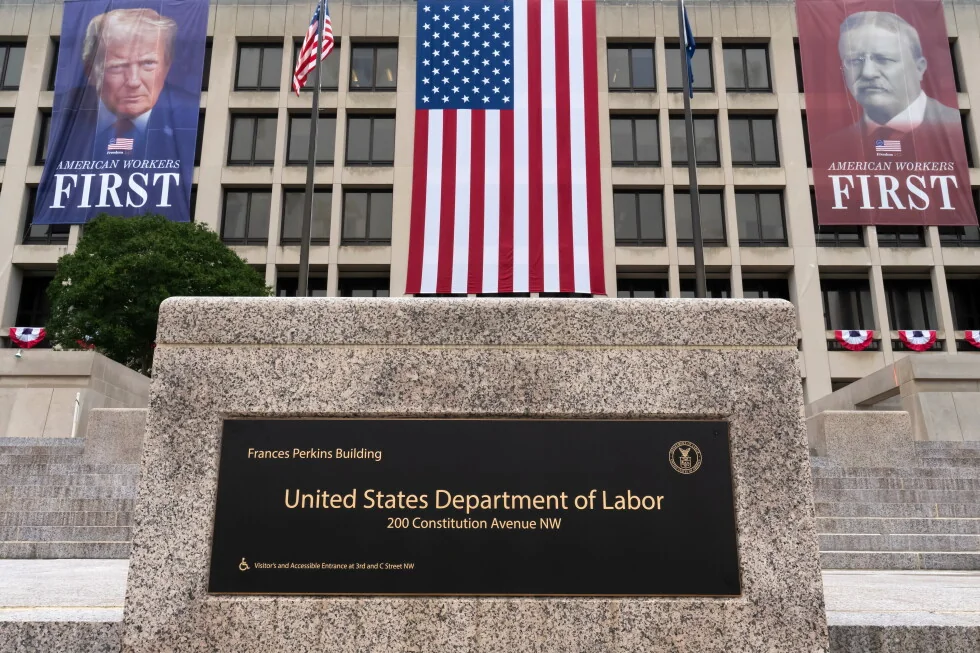
Unemployment insurance claims fell to 196,000, the lowest level since mid-July—layoffs remain subdued
失業保険申請件数は19万6000件に減少、7月中旬以来の低水準—解雇は依然として低調
Unemployment insurance claims fell to 196,000, the lowest level since mid-July—layoffs remain subdued
失業保険申請件数は19万6000件に減少、7月中旬以来の低水準—解雇は依然として低調
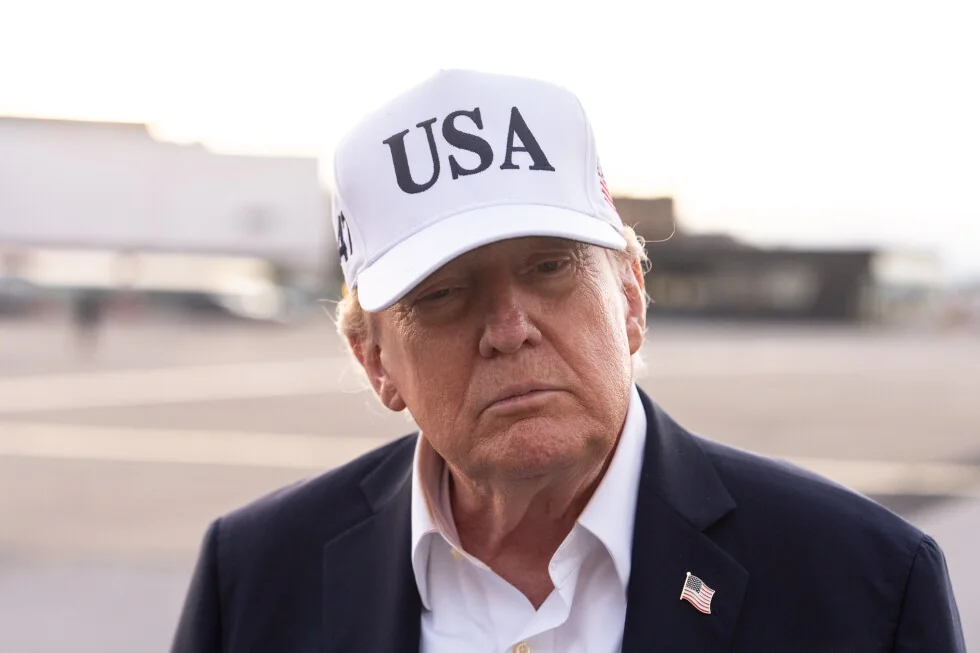
President Trump dismisses AI risks as a "hoax," asserting a "pathological conspiracy" surrounding AI and data centers
トランプ大統領、AIのリスクを「デマ」と一蹴し、AIとデータセンターを巡る「病的な陰謀」を主張
President Trump dismisses AI risks as a "hoax," asserting a "pathological conspiracy" surrounding AI and data centers
トランプ大統領、AIのリスクを「デマ」と一蹴し、AIとデータセンターを巡る「病的な陰謀」を主張
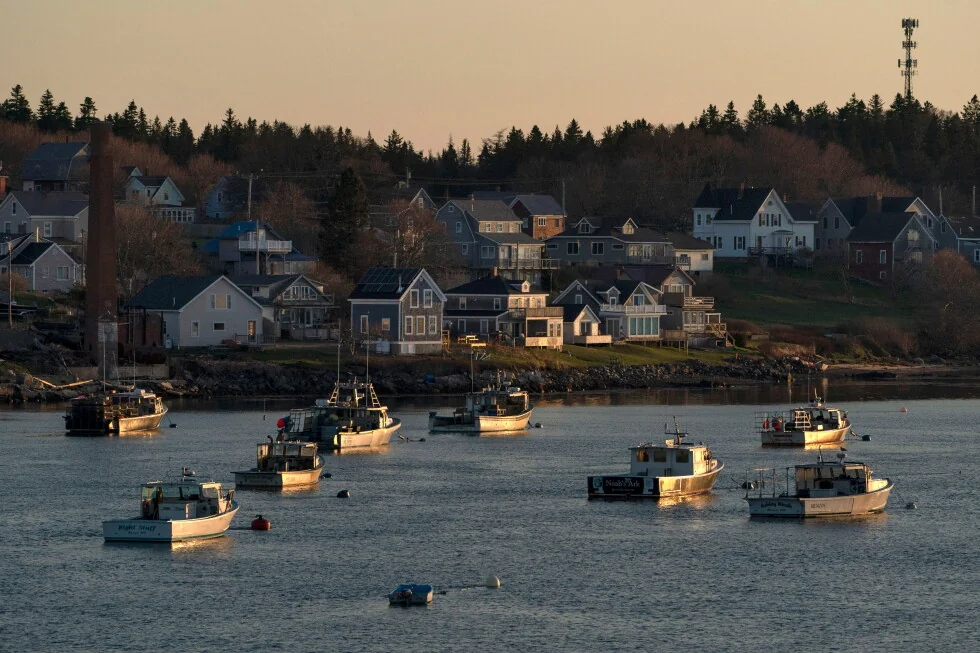
Supreme Court to Decide Whether to Hear Maine Lobstermen's Challenge to GPS Boat-Tracking Requirement
Supreme Court to Decide Whether to Hear Maine Lobstermen's Challenge to GPS Boat-Tracking Requirement
Supreme Court to Decide Whether to Hear Maine Lobstermen's Challenge to GPS Boat-Tracking Requirement
Supreme Court to Decide Whether to Hear Maine Lobstermen's Challenge to GPS Boat-Tracking Requirement