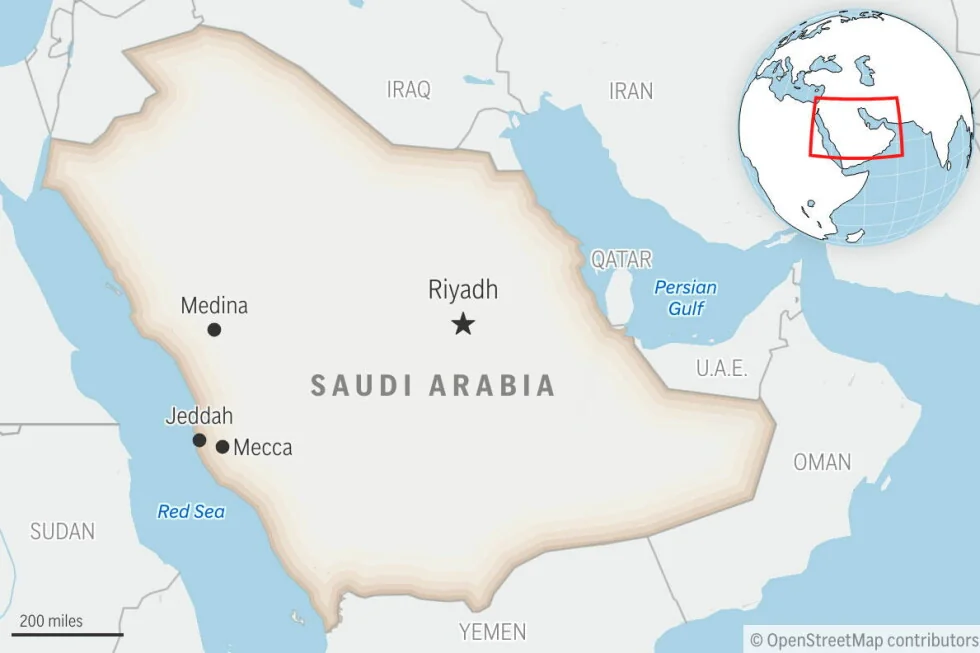
フーシ派によるサウジアラビアへの攻撃で石油施設で火災が発生し、73人が負傷した。
September 8th, 2026
フーシ派によるサウジアラビアへの攻撃で石油施設で火災が発生し、73人が負傷した。
🇯🇵 日本語
The Iranian-backed Houthi rebel group in Yemen launched a wave of attacks on Saudi Arabia on Tuesday, wounding more than 70 people and igniting fires at oil facilities and utilities in the kingdom, authorities said.
The assault represented a major escalation in the renewed conflict between a key U.S. ally and the Iranian-backed group, raising concerns that it could further destabilize a region already affected by nearly three years of warfare and inflict additional damage on the global economy.
Weeks of ongoing clashes have further strained already limited global oil supplies, as the Houthis target a shipping route Saudi Arabia uses to transport oil to world markets, while the Strait of Hormuz remains severely restricted due to the U.S.-Iran war.
Tuesday's attacks struck Saudi oil facilities linked to an alternative route, the Bab el-Mandeb, a strategically vital waterway off the southern tip of the Arabian Peninsula that connects the Red Sea to the Gulf of Aden.
The attacks early Tuesday came just hours after the rebels attributed an airstrike that struck a prison in Yemen’s northern province of Jawf to Saudi Arabia.
At least seven individuals, among them a child, lost their lives, while seven others sustained injuries.
The rebels struck “civilian and economic facilities” in the Saudi cities of Abha, Jazan, Najran and Khamis Mushait, according to Maj. Gen. Turki al-Malki, a spokesperson for the Saudi-led coalition engaged in the conflict in Yemen.
He reported that seventy-three individuals sustained injuries, among them women and children, characterizing the assaults as a “serious escalation” and pledging to retaliate.
The attacks ignited fires at several oil facilities and utilities in Saudi Arabia’s southern region, the kingdom’s Energy Ministry said, adding that operations at the oil facilities and utilities were temporarily suspended.
The southern region hosts major petroleum infrastructure, including a 400,000-barrel-per-day refinery in Jazan, ranking among Saudi Arabia's largest.
The Houthis have previously targeted Abha airport.
The ministry reported that firefighters were actively combating the blaze on Tuesday morning, with efforts described as intense and ongoing.
In a prerecorded video statement, Brig. Gen. Yahya Saree, the Houthis' military spokesman, declared that they had launched dozens of ballistic missiles and drones targeting oil and economic infrastructure, in addition to an air base in southern Saudi Arabia.
He stated that they had struck Jazan City for Primary and Downstream Industries, a prominent industrial and logistical hub situated along Saudi Arabia’s southwestern Red Sea coast.
Furthermore, the insurgents directed their attacks at Aramco installations in Najran and Abha, in addition to King Khalid Air Base in Khamis Mushait.
Saree attributed the escalation to Saudi Arabia, cautioning that “every aggression against our country and people will be met with a firm response.”
During his visit to Moscow on Tuesday, Saudi Arabia's foreign minister, Prince Faisal bin Farhan, accused the Houthis of using violence to serve their own interests rather than Yemen's, even though the Kingdom had offered a chance to negotiate peace.
He added during a joint press briefing with his Russian counterpart, Sergei Lavrov, that the latest escalation by the Houthis against the Kingdom forms part of a series of provocations, and that Saudi Arabia will not hesitate to defend itself.
The renewed fighting has raised the risk of reigniting the country's civil war, which started in 2014 when the Houthis took control of the capital, Sanaa, and much of northern Yemen, forcing the government into exile.
A Saudi-led coalition intervened the following year to try to bring the government back to power.
The conflict has claimed at least 150,000 lives, according to United Nations estimates, and has on multiple occasions brought the nation to the verge of widespread starvation.
A truce brokered four years ago had mitigated hostilities between the Houthis and the Saudi-backed government and its allies.
Lately, however, the two factions have been engaging in increasingly intense ground combat.
The escalation has claimed at least 194 lives and left more than 880 injured between August 23 and September 5, according to the World Health Organization.
Over the past 27 hours, it has also displaced upwards of 21,000 people, including 18,500 in Taiz and Hodeida in southwestern Yemen, as reported by the United Nations.
“Families are arriving with nothing: no shelter, no food, no way of knowing whether it is safe to return,” stated Abdusattor Esoev, head of the International Organization for Migration’s mission in Yemen.
“Many of these are individuals who have already been displaced once, twice, or even four times previously.”
The latest escalation originated from a Houthi attempt in July to fly a plane from Tehran to Sanaa, Yemen's capital, thereby challenging a decade-long air and naval blockade imposed by the Saudi-led coalition.
In response, a coalition airstrike hit the runway of Sanaa airport, preventing the aircraft from landing.
The Houthis retaliated with missile and drone strikes against Saudi Arabia, alongside assaults on Saudi vessels navigating the Red Sea, thereby nullifying the 2022 ceasefire that had largely brought the hostilities to a standstill.
The rebels also launched offensives against Saudi-backed forces within Yemen, prompting government troops to retaliate by striking Houthi positions along the country’s western coastline and in other regions.
Government forces have regained control of territory in the provinces of Hodeida and Taiz from the Houthis, while also launching offensives against the rebels in the northern province of Jawf and the central provinces of Marib and Bayda.
The Houthis belong to a broader network of Iranian-backed proxies in the region that have intensified their attacks on shipping, Israel, and neighboring countries in recent years, reacting to Israel's wars in Gaza and Lebanon and, more recently, to the U.S.-Israeli conflict with Iran.
The rebels frequently operate in coordination with Iran, yet they have also conducted independent operations to advance their own agendas.
September 8th, 2026
Trending Articles
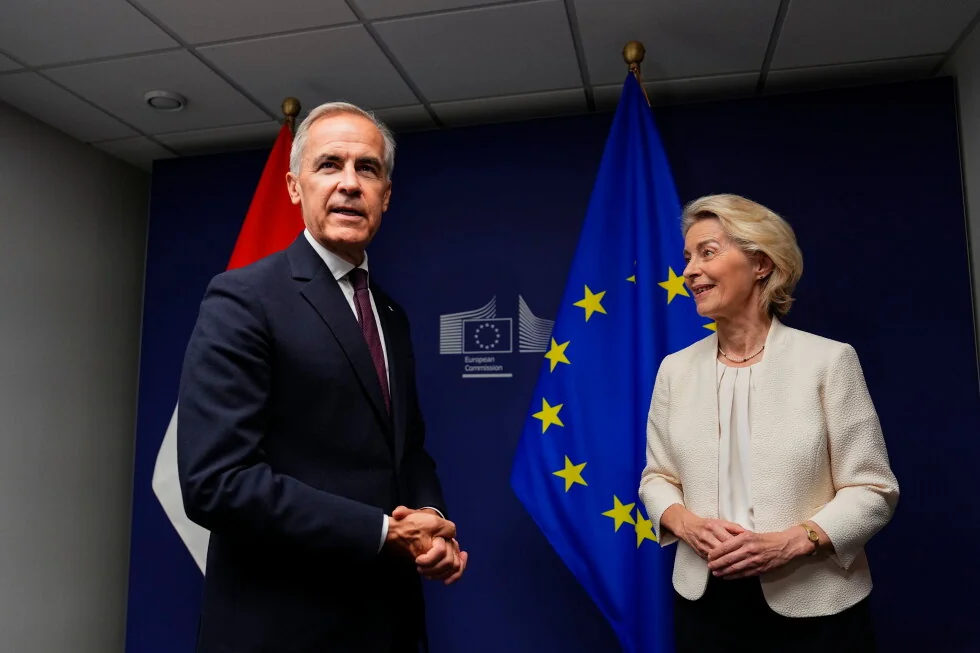
EUのカナダへの「準加盟国」提案が示唆しうるもの
What the EU’s ‘associate member’ offer to Canada could signify
EUのカナダへの「準加盟国」提案が示唆しうるもの
What the EU’s ‘associate member’ offer to Canada could signify

ホワイトハウスによると、トランプ氏は来週ニューヨークでベネズエラのデルシー・ロドリゲス暫定大統領と会談する予定である。
Trump to meet Venezuela's acting President Delcy Rodríguez in New York next week, White House says
ホワイトハウスによると、トランプ氏は来週ニューヨークでベネズエラのデルシー・ロドリゲス暫定大統領と会談する予定である。
Trump to meet Venezuela's acting President Delcy Rodríguez in New York next week, White House says

ロシアの戦時経済は債務と軍事支出による長期的な侵食に直面している
Russia’s Wartime Economy Faces Long-Term Erosion from Debt and Military Spending
ロシアの戦時経済は債務と軍事支出による長期的な侵食に直面している
Russia’s Wartime Economy Faces Long-Term Erosion from Debt and Military Spending

ロシアは、クレムリンの権力を確固たるものにするとみられる議会選挙で3日間の投票を開始した
Russia starts 3 days of voting in a parliamentary election poised to cement the Kremlin’s power
ロシアは、クレムリンの権力を確固たるものにするとみられる議会選挙で3日間の投票を開始した
Russia starts 3 days of voting in a parliamentary election poised to cement the Kremlin’s power

戦時中の敵対関係にもかかわらず、アメリカ合衆国は国連ハイレベル会合のためイランの最高指導者らにビザを付与
US grants visas to top Iranian leaders for UN high-level meeting despite wartime hostilities
戦時中の敵対関係にもかかわらず、アメリカ合衆国は国連ハイレベル会合のためイランの最高指導者らにビザを付与
US grants visas to top Iranian leaders for UN high-level meeting despite wartime hostilities
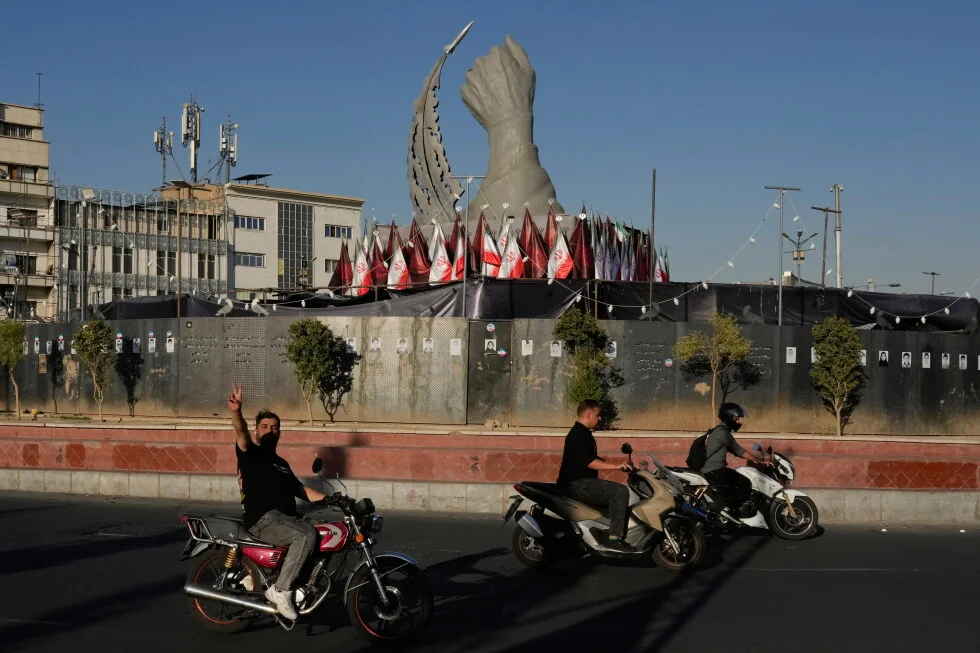
国連専門家、イラン攻撃におけるアメリカ合衆国の戦争犯罪の可能性を主張
UN experts allege possible US war crimes in Iran strikes
国連専門家、イラン攻撃におけるアメリカ合衆国の戦争犯罪の可能性を主張
UN experts allege possible US war crimes in Iran strikes
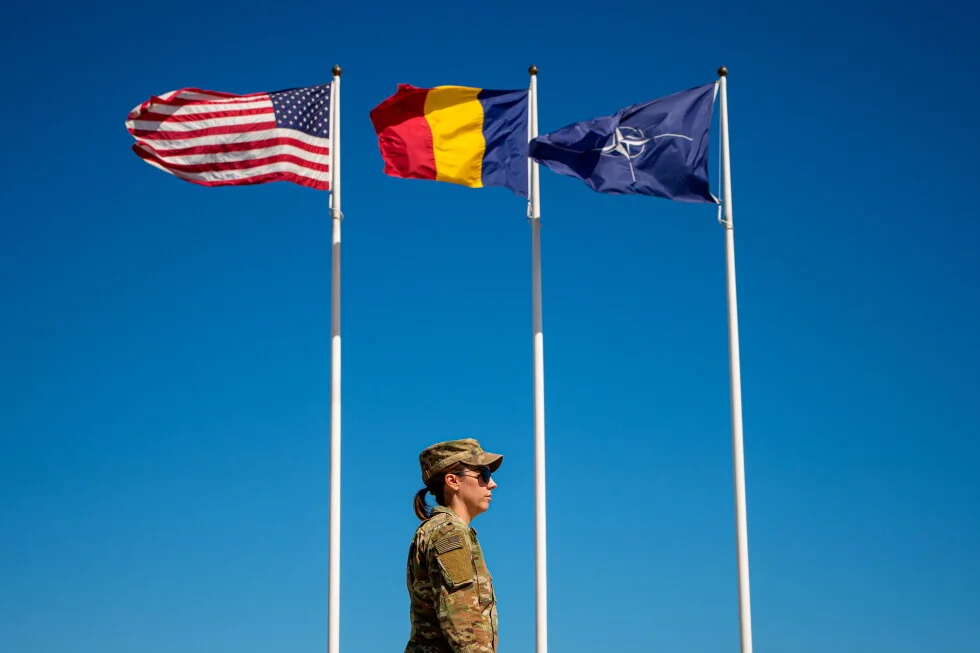
ルーマニア国境沿いの住民、ドローン警報の増加に警戒感を強める
Romanian Border Residents Alarmed as Drone Alerts Mount
ルーマニア国境沿いの住民、ドローン警報の増加に警戒感を強める
Romanian Border Residents Alarmed as Drone Alerts Mount
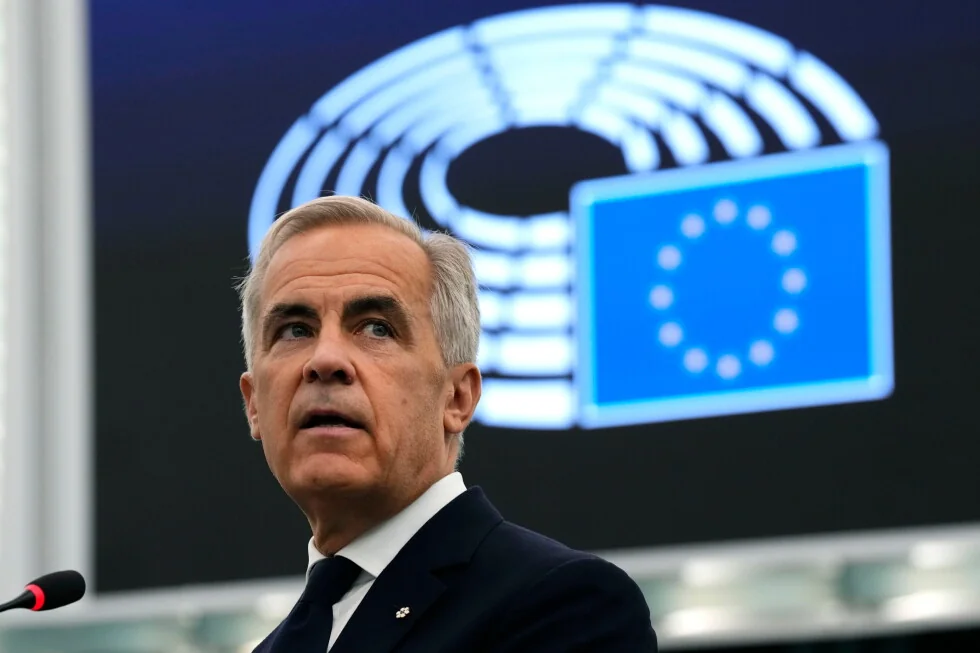
カーニー氏、トランプ氏がカナダを欧州へと押しやる中、EU準加盟国としての地位を支持
Carney backs EU associate membership as Trump pushes Canada toward Europe
カーニー氏、トランプ氏がカナダを欧州へと押しやる中、EU準加盟国としての地位を支持
Carney backs EU associate membership as Trump pushes Canada toward Europe

アメリカのホルムズ海峡再開への進展、しかしイラン戦争は依然続く
US Progress on Strait of Hormuz Reopening, Yet Iran War Persists
アメリカのホルムズ海峡再開への進展、しかしイラン戦争は依然続く
US Progress on Strait of Hormuz Reopening, Yet Iran War Persists

ナイジェリア人6人、ロマンス詐欺で女性から600万ドルを騙し取ったとしてアメリカ合衆国へ身柄引き渡しへ
6 Nigerians to Be Extradited to US for Defrauding Women of $6M in Romance Scams
ナイジェリア人6人、ロマンス詐欺で女性から600万ドルを騙し取ったとしてアメリカ合衆国へ身柄引き渡しへ
6 Nigerians to Be Extradited to US for Defrauding Women of $6M in Romance Scams