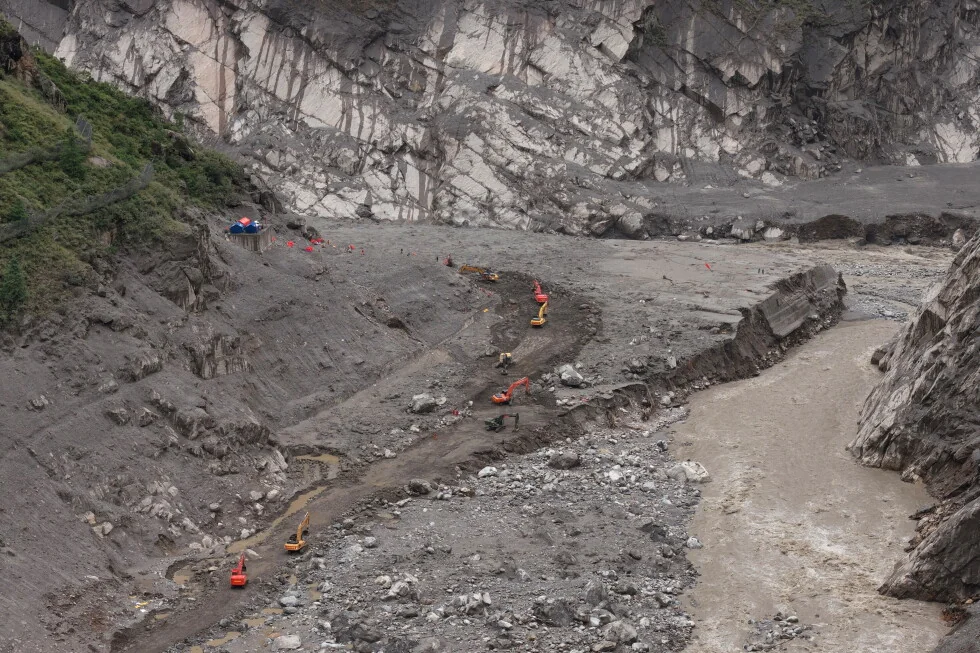
中国はネパール国境沿いの洪水を受けて情報統制を強化している。
September 5th, 2026
中国はネパール国境沿いの洪水を受けて情報統制を強化している。
🇯🇵 日本語
It has been over a week since catastrophic flash floods claimed hundreds of lives and left thousands missing along the China-Nepal border, yet virtually no information has emerged about the victims on the Chinese side.
The calamity, which has claimed over 1,000 lives and left more than 4,500 unaccounted for in the two countries, has once again underscored China's tight control over disaster-related information and its efforts to dictate what is and is not said about them.
The death toll is updated only every few days, and access to the disaster area has been granted solely to top-tier state media, which have avoided broadcasting the names or faces of the missing and their relatives, instead airing videos that show the logistics of aid delivery or rescue dogs working hard.
Meanwhile, at least ten individuals across China have been detained or fined for social media posts that called into question certain aspects of the official narrative.
This is in sharp contrast to the Nepalese side of the border, where officials have consistently updated lists of the dead and missing, while journalists and social media posts have chronicled the disaster as it unfolds and the subsequent recovery efforts.
The grieving families were brought into the open, giving a voice and a face to those who had died, as people held symbolic funerals or set off on their own searches for their missing relatives.
Following an update on Sunday, China withheld fresh figures until Wednesday, when it reported 21 fatalities and 541 individuals unaccounted for in Tibet, among them 261 foreigners hailing from 23 countries.
Late Friday, the death toll was revised upward to 31, with 531 people still reported missing.
The Nepalese government has issued a steady stream of updates on its rescue operations, including the launch of a dedicated website cataloguing the names of those who have been saved.
Meanwhile, the army has released footage showing helicopter-borne evacuations and individuals being extricated from the hydropower tunnels, their bodies entirely encrusted with mud.
Nepal has issued near-daily updates on those rescued and has permitted journalists, both local and international, to operate in the affected region.
Journalists have been able to visit disaster-struck sites.
While the government in Nepal did issue some restrictions, such as requiring journalists to provide accreditation, reporters were ultimately allowed to report from government sites like aid camps where rescued survivors are temporarily being kept, and visit mass burial sites.
By contrast, access in China was restricted to a select few journalists from the country's two state-run media organizations, Xinhua News and CCTV.
Reporters sought access to the affected areas shortly after the disaster struck, yet they have not been granted permission to visit the region.
China frequently attempts to restrict the dissemination of information pertaining to disasters, yet in the tightly regulated region of Tibet, the flow of information has been particularly constrained.
Tibet, an autonomous region of China, has experienced cycles of protest, unrest, and government repression since Beijing took control in 1951.
Today, it receives substantial central government investment and poverty alleviation efforts, but communications are heavily monitored and restricted, hindering Tibetans' free communication with the outside world.
All foreigners, especially journalists even if fully accredited in China, must obtain special government permission to travel there.
State media coverage has centered on the official response, highlighting President Xi Jinping’s directives for disaster relief and airing segments that emphasize acts of bravery—such as rescuers airlifted by drone and suspended by rope, or police comforting bereaved relatives.
Xinhua News has released both formal government statements on the disaster and technical reports on the science of the glacial lakes.
According to Human Rights Watch, certain Chinese journalists have been instructed to refrain from interviewing relatives of the deceased or missing and to rely exclusively on material provided by Xinhua.
Meanwhile, China has publicized its efforts to penalize individuals who voiced skepticism regarding the official accounts.
State media have extensively disseminated a report issued by the Tibetan Cyberpolice detailing ten instances in which law enforcement authorities across China penalized individuals for "spreading rumors online" pertaining to the disaster.
This could entail scrutinizing the official casualty figures, as exemplified by one post asserting: “It’s clear that at least 1,000 people were washed away, yet the official report only says three people dead and 265 missing.”
Penalties varied between five and ten days of police custody, with a $150 fine levied in certain instances.
China frequently withholds comprehensive casualty figures in the aftermath of major calamities.
When a typhoon triggered devastating floods in the southwestern province of Guangxi in early July, the authorities revised the official death count upwards from 39 to 159 — more than a month after the event.
The government has repeatedly adjusted the official death toll from the floods, most recently elevating it to 31 on Friday.
Relatives of several missing individuals have voiced their concerns publicly through the limited channels that operate beyond direct Chinese oversight.
Aquarian, an independent Chinese media outlet operating in exile, conducted interviews with the relatives of missing Chinese victims, among them Peng Guangming, a young man employed on a Chinese-supported highway project along the Nepalese side of the border.
Peng was last in contact with a colleague approximately ten minutes prior to the flood.
Another one of the missing is a woman named He Hongrong, according to X account Fat Parrot, which has been sharing posts from Chinese social media onto X.
The X user declined to be interviewed, but said they had been in touch with He’s family and a friend.
She was last observed on the Nepalese side of the frontier, carrying a green rucksack, awaiting passage back into China.
She had engaged a driver to transport her to Lhasa, in Tibet.
Her relatives are optimistic that by circulating her photograph on X, they may locate someone capable of furnishing details regarding her whereabouts.
September 5th, 2026
Trending Articles
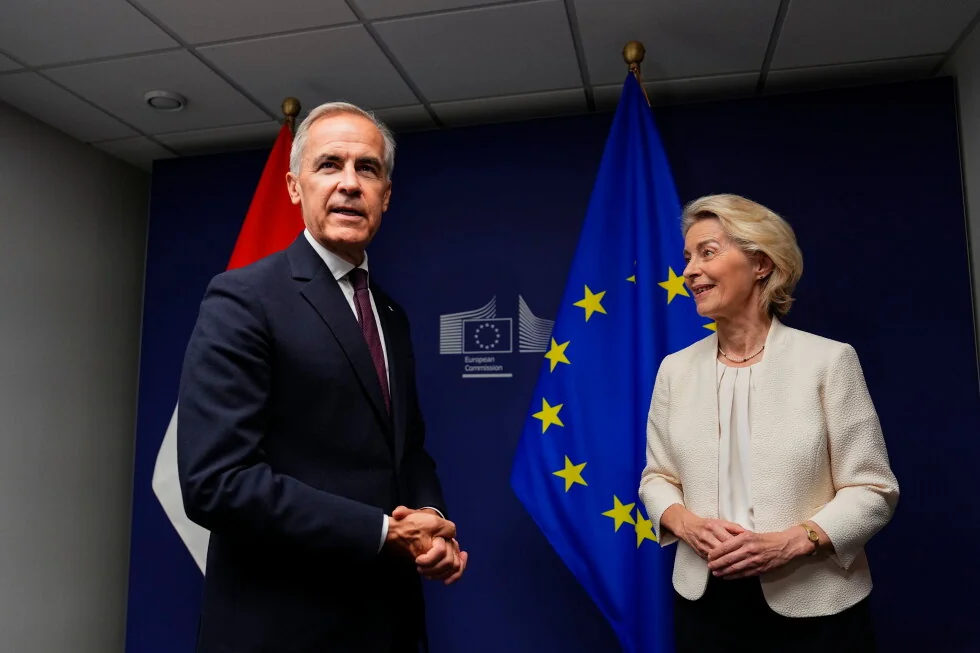
EUのカナダへの「準加盟国」提案が示唆しうるもの
What the EU’s ‘associate member’ offer to Canada could signify
EUのカナダへの「準加盟国」提案が示唆しうるもの
What the EU’s ‘associate member’ offer to Canada could signify

ホワイトハウスによると、トランプ氏は来週ニューヨークでベネズエラのデルシー・ロドリゲス暫定大統領と会談する予定である。
Trump to meet Venezuela's acting President Delcy Rodríguez in New York next week, White House says
ホワイトハウスによると、トランプ氏は来週ニューヨークでベネズエラのデルシー・ロドリゲス暫定大統領と会談する予定である。
Trump to meet Venezuela's acting President Delcy Rodríguez in New York next week, White House says

ロシアの戦時経済は債務と軍事支出による長期的な侵食に直面している
Russia’s Wartime Economy Faces Long-Term Erosion from Debt and Military Spending
ロシアの戦時経済は債務と軍事支出による長期的な侵食に直面している
Russia’s Wartime Economy Faces Long-Term Erosion from Debt and Military Spending
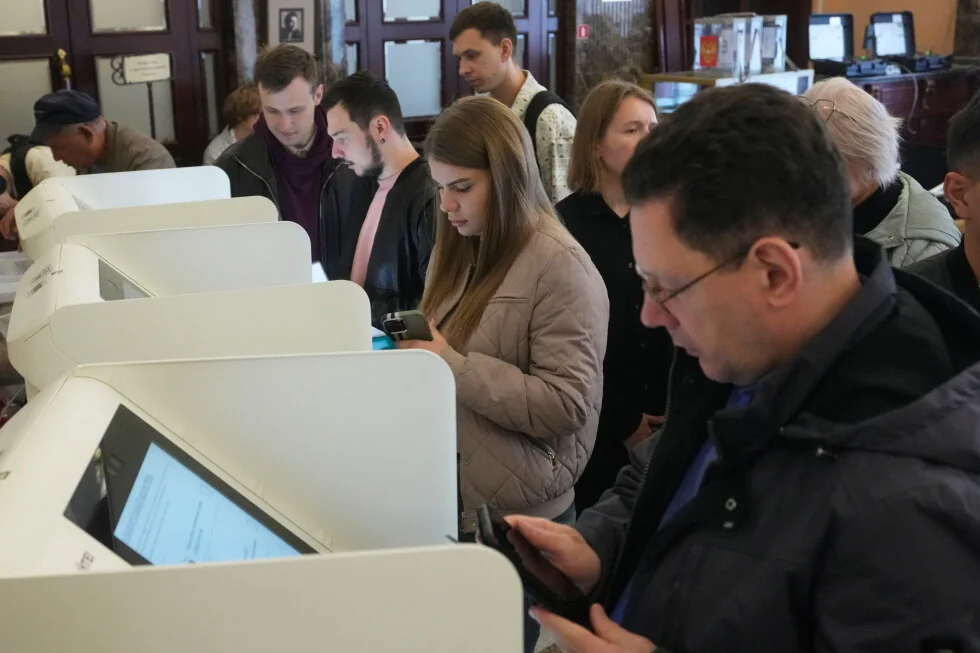
ロシアは、クレムリンの権力を確固たるものにするとみられる議会選挙で3日間の投票を開始した
Russia starts 3 days of voting in a parliamentary election poised to cement the Kremlin’s power
ロシアは、クレムリンの権力を確固たるものにするとみられる議会選挙で3日間の投票を開始した
Russia starts 3 days of voting in a parliamentary election poised to cement the Kremlin’s power

戦時中の敵対関係にもかかわらず、アメリカ合衆国は国連ハイレベル会合のためイランの最高指導者らにビザを付与
US grants visas to top Iranian leaders for UN high-level meeting despite wartime hostilities
戦時中の敵対関係にもかかわらず、アメリカ合衆国は国連ハイレベル会合のためイランの最高指導者らにビザを付与
US grants visas to top Iranian leaders for UN high-level meeting despite wartime hostilities
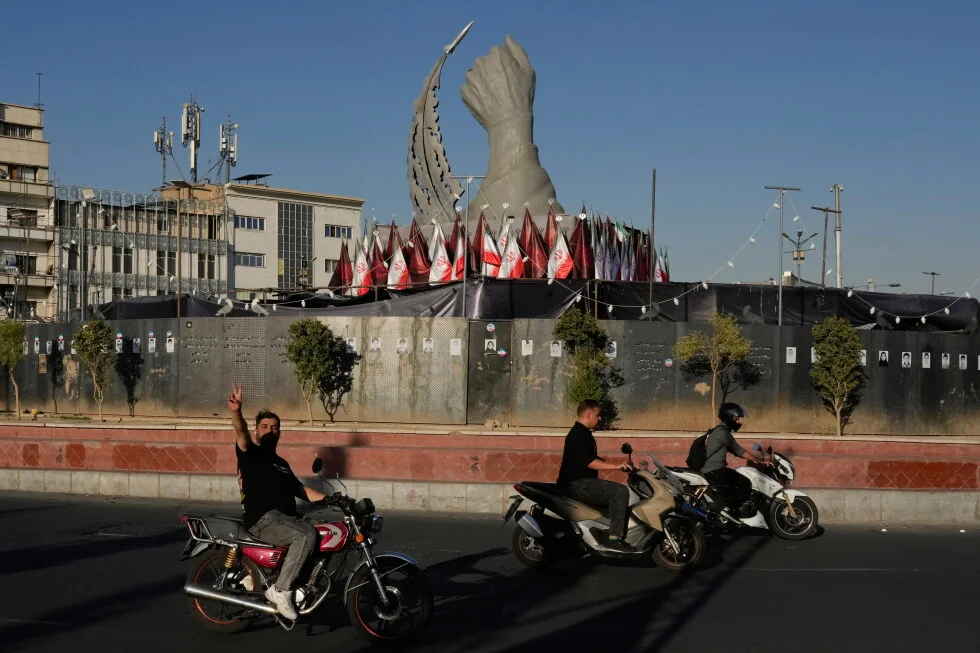
国連専門家、イラン攻撃におけるアメリカ合衆国の戦争犯罪の可能性を主張
UN experts allege possible US war crimes in Iran strikes
国連専門家、イラン攻撃におけるアメリカ合衆国の戦争犯罪の可能性を主張
UN experts allege possible US war crimes in Iran strikes
ルーマニア国境沿いの住民、ドローン警報の増加に警戒感を強める
Romanian Border Residents Alarmed as Drone Alerts Mount
ルーマニア国境沿いの住民、ドローン警報の増加に警戒感を強める
Romanian Border Residents Alarmed as Drone Alerts Mount
カーニー氏、トランプ氏がカナダを欧州へと押しやる中、EU準加盟国としての地位を支持
Carney backs EU associate membership as Trump pushes Canada toward Europe
カーニー氏、トランプ氏がカナダを欧州へと押しやる中、EU準加盟国としての地位を支持
Carney backs EU associate membership as Trump pushes Canada toward Europe

アメリカのホルムズ海峡再開への進展、しかしイラン戦争は依然続く
US Progress on Strait of Hormuz Reopening, Yet Iran War Persists
アメリカのホルムズ海峡再開への進展、しかしイラン戦争は依然続く
US Progress on Strait of Hormuz Reopening, Yet Iran War Persists

ナイジェリア人6人、ロマンス詐欺で女性から600万ドルを騙し取ったとしてアメリカ合衆国へ身柄引き渡しへ
6 Nigerians to Be Extradited to US for Defrauding Women of $6M in Romance Scams
ナイジェリア人6人、ロマンス詐欺で女性から600万ドルを騙し取ったとしてアメリカ合衆国へ身柄引き渡しへ
6 Nigerians to Be Extradited to US for Defrauding Women of $6M in Romance Scams