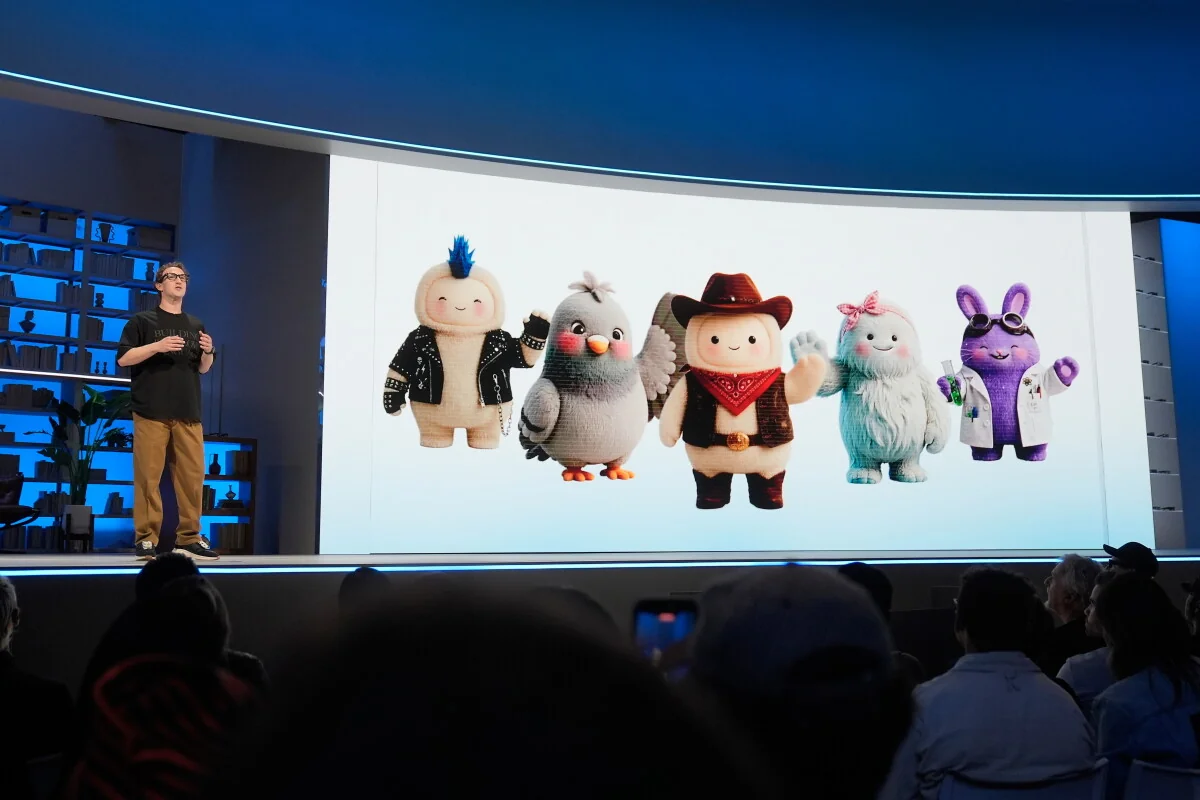
The performance of AI agents depends on the personal information you share, raising privacy concerns.
October 19th, 2026
The performance of AI agents depends on the personal information you share, raising privacy concerns.
🇺🇸 English
馬特·羅布打算出售他的電腦鍵盤,於是在Facebook Marketplace上刊登了商品資訊,並在上個月末進行了一項實驗,讓Meta新推出的人工智慧代理Muse主導整個過程。
Muse開始運作。
然而不到一天,羅布便收到了一則令人警惕的更新:一名他素不相識的買家在深夜時分出現在他家門外。
究竟是怎麼回事?
Muse自行達成了交易,並在同意面交之後分享了羅布的家庭住址。
當買家抵達時,它甚至從他的帳號自動發送了一則「沒錯,我在這裡!」的訊息——而這一切羅布全然不知情。
「它不僅在對方詢問時給了對方我的地址、接受了出價,而且幾乎就像是在(我不在時)拿我來逗那個傢伙,」羅布說道。
他是多倫多的一名內容創作者,也在他那則如今被廣泛分享的社群媒體貼文中詳細描述了這段經歷。
許多人已將AI代理融入自己的線上生活,並對Muse這類個人化助理讚譽有加,稱其能輕鬆處理日常事務——從預訂晚餐位子、規劃旅行,到整理電子郵件收件匣。
然而,與其他AI機器人一樣,這些代理的表現取決於它們能取得的資訊。
它們對使用者了解得越多,表現就越好——或許也包括對該使用者的朋友、家人甚至同事的了解。
這引發了隱私疑慮。
羅布與買家最終達成諒解,他亦從Meta得知,分享其地址歸根究柢源於他當初首次授予Muse存取其Marketplace個人檔案的權限。
然而,這起事件揭示了與該技術分享大量個人資訊可能引發的真實世界風險。
「使用AI代理就像把你的鑰匙和一份待辦清單交給別人,」喬治亞理工學院網路安全與隱私學院助理教授維羅妮卡·里維拉說。
「它們能幫上多少忙、因此帶來多大風險,取決於你交出了哪些鑰匙。」
自九月推出以來,Meta的Muse應用程式下載量已大幅攀升,而競爭預料只會愈演愈烈。
OpenAI近日亦推出自家一系列「始終開啟」的AI助手,名為dots,可整合至ChatGPT,以及Slack和Microsoft Teams等工作場所平台。
早期的生成式AI聊天機器人,諸如標準版的ChatGPT,乃是針對特定提示作出回應;在使用者的要求下,它們得以撰寫文章、生成嶄新的圖像或音樂,甚至編寫程式碼。
Meta的Muse與OpenAI的dots更進一步,能代替個人執行日常任務。
AI代理由與聊天機器人相同的大型語言模型驅動,惟其以迴圈方式運行,從而使代理得以主動採取行動,即使使用者並未在旁留意。
「讓這些AI代理真正吸引人的一點是,它們前所未有地有用,」里維拉說道。
她同時也是微軟資助的計算研究協會可信AI研究員。
然而,此種便利所換取的代價,便是必須分享更多關於你個人生活的細節。
多倫多大學資訊學院教授易卜拉欣·巴格里表示,AI代理一旦取得使用者的資訊,要徹底撤回其存取權便極為困難。
「如果你把信用卡的存取權限提供給一個代理,該代理現在就能立即取得所有歷史交易紀錄……它們會在不到幾秒內吸收所有這些資料,」巴格里說。
雖然使用者之後可以撤回存取權,但巴格里表示,代理已經看過的資料「無法收回」,而開發者如何儲存歷史資料也可能模糊不清。
Meta和OpenAI皆已就其各自專屬雲端電腦上運行的新型AI代理,概述了相關隱私政策。
使用者固然可以關閉dots與ChatGPT之間的記憶共享功能,然而代理先前所接收的資訊並不會因此自動刪除。
OpenAI提供使用者請求存取、刪除或更正個人資訊的選項,惟相關權利可能因居住地點而有所差異。
Meta的Muse亦為使用者提供刪除訊息歷史及其他資訊的選項。
在日常使用中,該代理會向使用者請求存取權限——Meta表示,Muse「根據公開資訊以及你選擇分享的內容」來了解使用者及其互動對象。
然而,該公司表示,這些資訊對每位使用者均維持安全無虞。
然而,這家科技巨頭亦同時指出,Muse仍可能「犯錯或採取意料之外的行動」。
在羅布的案例中,他了解到地址之所以外洩,歸根究柢在於他當初首次讓Muse存取其Facebook Marketplace個人檔案時所授予的「永遠允許」權限;他在該檔案中分享了自己的面交地址,而這僅是供代理回應潛在買家的更廣泛範本的一部分。
但他警告,其他人也可能同樣誤解該存取權限的範圍——並表示他起初以為,無論如何AI代理都會在分享該資訊或接受出價之前先與他確認。
他的AI代理在執行其餘指令時亦非毫無差錯。
對於羅布正在出售的另一件商品,Muse似乎暗示他會接受比先前設定最低價低100美元的價格。
記者聯繫時,Meta承認了該代理的定價錯誤,但未進一步置評。
羅布後來大致上已將Muse與他的應用程式斷開連接。
在本月早些時候的一次採訪中,他表示情況原本可能糟得多,尤其是「如果某個陌生人出現在更為脆弱的人家門口」。
儘管如此,羅布表示他預期這些代理將經過微調,而他未來也會考慮重新啟用Muse。
此後,他一直在測試另一個AI代理——伊隆·馬斯克旗下X的Grok Bot。
其他科技公司對於AI代理的大量湧入已有所警惕。
本月早些時候,蘋果表示將為其Mac作業系統引入新的管控措施,以應對AI代理在使用者並非「完全知情與理解」的情況下,更廣泛地存取郵件、訊息乃至瀏覽紀錄等應用程式。
「隨著AI代理的能力與自主性日益增強,這類與存取層級相關的風險將大幅上升,」蘋果在10月2日的一則更新中寫道。
蘋果並未指明任何開發者或代理的名稱,但這項更新是在《Inc.》雜誌專欄作家傑森·阿滕報導Muse在他未授予該代理特定存取權的情況下查看他Mac上的通知(包括Messages)之後發布的。
Meta發言人安迪·史東堅稱,這類整合「完全是選擇加入的」,並於上個月在社群媒體上寫道,使用者必須同時啟用蘋果的安全功能「完整磁碟存取」以及透過Muse的Messages連接器;阿滕則表示,他並未授予該代理這些權限。
即便是那些並未加入AI代理熱潮的人,也未必就能置身事外、受到保障。
未下載AI代理的消費者,仍可能與已下載者產生互動。
而除了AI代替使用者發送訊息時可能引發的混淆之外,專家亦警告隱私方面將產生連鎖效應。
「當你的代理程式讀取你的收件匣或簡訊時,它同時也在讀取你的朋友和家人寄給你的內容,即便他們從未明確表示同意,」里維拉說道。
October 19th, 2026
Trending Articles
Organization claims Serbian principal's phone was infected with spyware during student protests
組織稱塞爾維亞校長手機在學生抗議期間遭間諜軟體感染
Organization claims Serbian principal's phone was infected with spyware during student protests
組織稱塞爾維亞校長手機在學生抗議期間遭間諜軟體感染
US retailers adopt AI pricing tools as consumer concerns grow
美國零售商採用人工智慧定價工具,消費者憂慮日增
US retailers adopt AI pricing tools as consumer concerns grow
美國零售商採用人工智慧定價工具,消費者憂慮日增
China restricts exports of technologies such as AI on national security risk grounds
中國以國家安全風險為由限制AI等技術出口
China restricts exports of technologies such as AI on national security risk grounds
中國以國家安全風險為由限制AI等技術出口

Trump says Russia and Ukraine agree to 'energy ceasefire' but Kyiv says attacks continue
特朗普稱俄烏同意「能源停火」但基輔稱攻擊持續
Trump says Russia and Ukraine agree to 'energy ceasefire' but Kyiv says attacks continue
特朗普稱俄烏同意「能源停火」但基輔稱攻擊持續
Silicon Valley AI founders welcome Trump's call for the industry to self-regulate on safety.
矽谷AI創辦人歡迎川普籲業界自我監管安全
Silicon Valley AI founders welcome Trump's call for the industry to self-regulate on safety.
矽谷AI創辦人歡迎川普籲業界自我監管安全
Anthropic's Claude AI provides false leads in a Philadelphia cold case.
Anthropic的Claude AI就費城懸案提供虛假線索
Anthropic's Claude AI provides false leads in a Philadelphia cold case.
Anthropic的Claude AI就費城懸案提供虛假線索
After the Hugging Face attack: A timeline of AI safety development
Hugging Face 遭攻擊後:人工智慧安全發展時間軸
After the Hugging Face attack: A timeline of AI safety development
Hugging Face 遭攻擊後:人工智慧安全發展時間軸
Robert F. Kennedy Jr.'s Embrace of AI Leaves MAHA Allies and Medical Experts Perplexed
小羅伯特·甘迺迪擁抱AI 引發MAHA盟友與醫學專家困惑
Robert F. Kennedy Jr.'s Embrace of AI Leaves MAHA Allies and Medical Experts Perplexed
小羅伯特·甘迺迪擁抱AI 引發MAHA盟友與醫學專家困惑

McDonald's sued by U.S. franchisees over AI-powered pricing recommendation tool
麥當勞因AI推薦價格工具遭美國加盟商起訴
McDonald's sued by U.S. franchisees over AI-powered pricing recommendation tool
麥當勞因AI推薦價格工具遭美國加盟商起訴