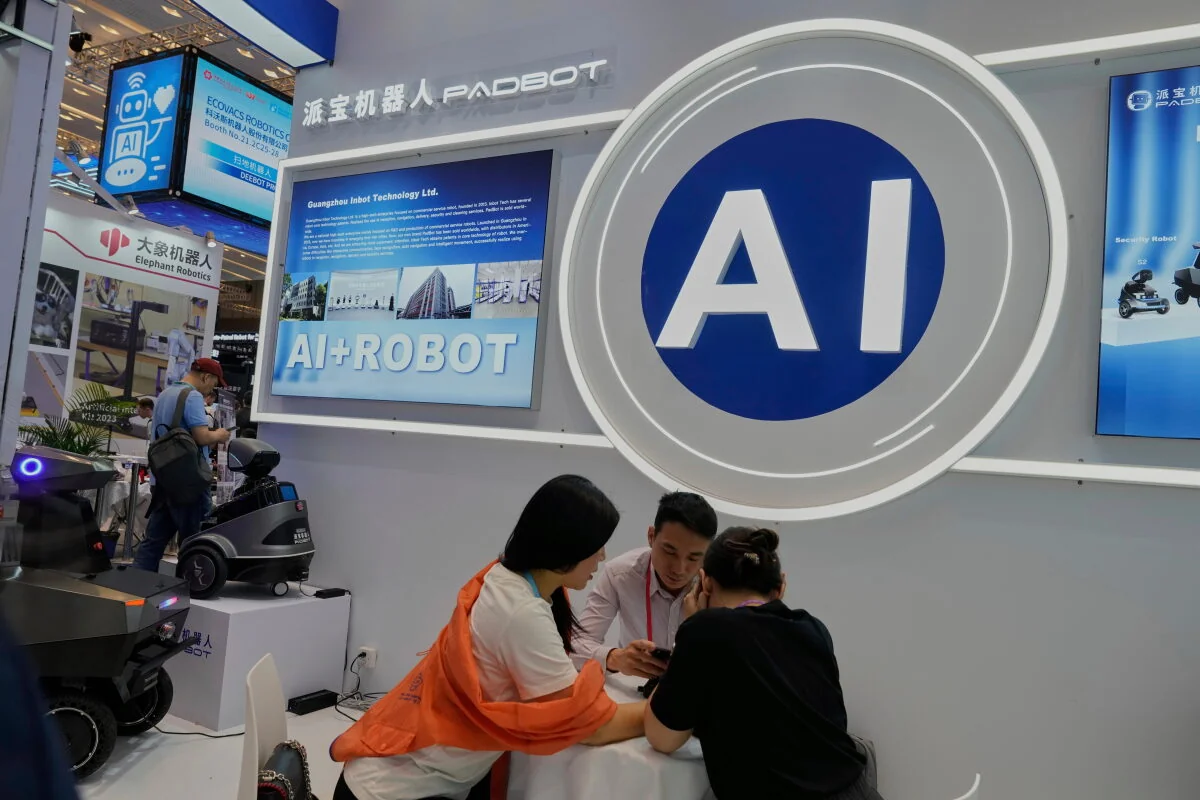
China limits exports of AI and other tech for national security risks.
October 19th, 2026
China limits exports of AI and other tech for national security risks.
🇺🇸 English
中國週五表示,計畫限制或禁止40項技術出口。
這些技術包括人工智慧、晶片和太陽能等領域。
中國與美國等國家的技術競爭正在加劇。
商務部和科學技術部一起發布了一份草案文件。
文件提出更新受出口禁令或限制的技術目錄。
商務部發言人在聲明中說,此舉「必要」。
他還把國家安全列為原因之一。
提案出爐時,中美在人工智慧安全與治理對話上取得進展。
雙方也在建立人工智慧事件的通報機制。
草案清單包含23項人工智慧技術,從先進大模型到代理。
根據提案,使用敏感國家數據訓練的人工智慧大模型核心技術將被禁止出口。
設計用於國防和關鍵資訊基礎設施等高度敏感環境的人工智慧代理也將被禁止出口。
商務部說,這些措施旨在築牢安全底線,防止誤用和濫用。
參數數量達到或超過2萬億、或具備某些世界領先能力的人工智慧模型,出口可能受到限制。
草案沒有點名具體模型。
若干晶片設計技術也被納入限制。
另有12項太陽能相關技術和5項生物醫藥技術。
Omdia首席分析師連傑·蘇表示,此舉可視為對西方國家提出技術主權要求的回應。
Natixis高級經濟學家吳子豪則說,世界在貿易、投資和技術獲取方面正變得更加碎片化。
October 19th, 2026
Trending Articles
Organization: The Serbian principal's phone was infected with spyware during student protests.
組織:塞爾維亞校長的手機在學生抗議期間被間諜軟體感染
Organization: The Serbian principal's phone was infected with spyware during student protests.
組織:塞爾維亞校長的手機在學生抗議期間被間諜軟體感染
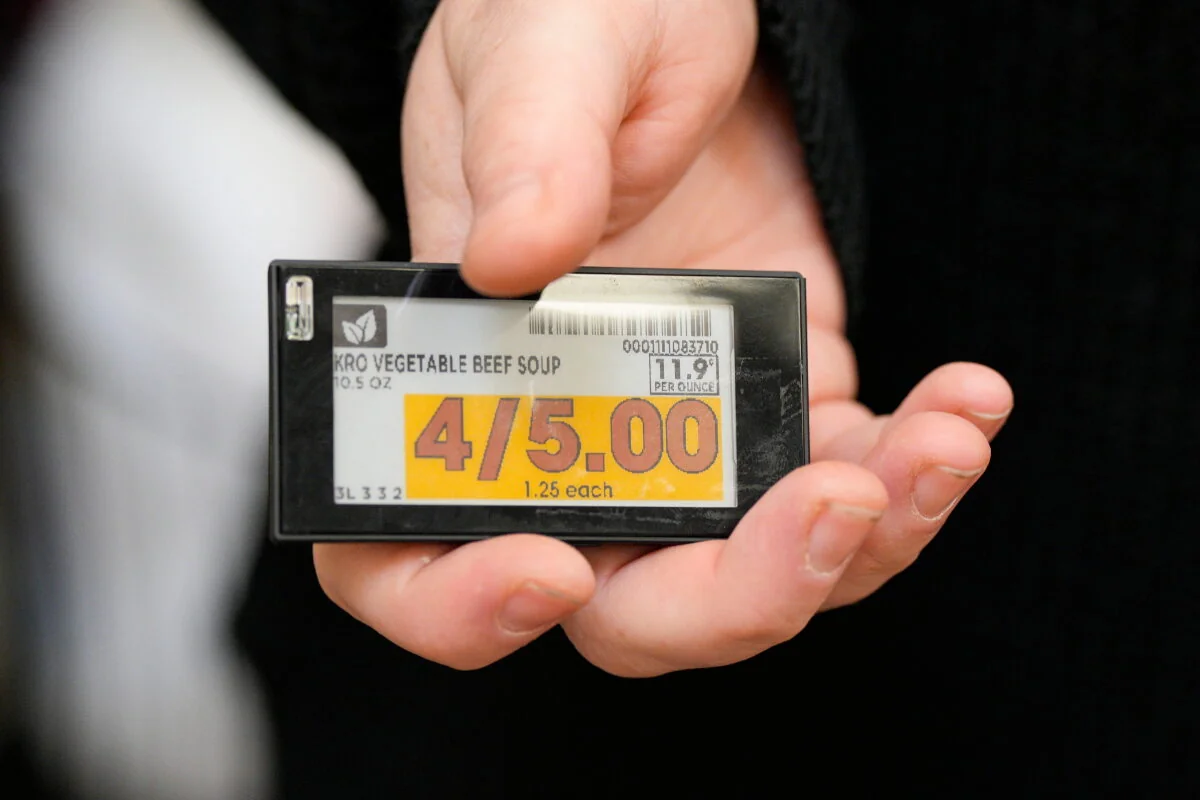
US stores use AI to set prices, and consumers are more and more worried.
美國商店用人工智慧定價,消費者越來越擔心
US stores use AI to set prices, and consumers are more and more worried.
美國商店用人工智慧定價,消費者越來越擔心
AI agents depend on the personal information you share, and this raises privacy problems.
AI代理的好壞取決於你分享的個人資訊,這引發隱私問題
AI agents depend on the personal information you share, and this raises privacy problems.
AI代理的好壞取決於你分享的個人資訊,這引發隱私問題
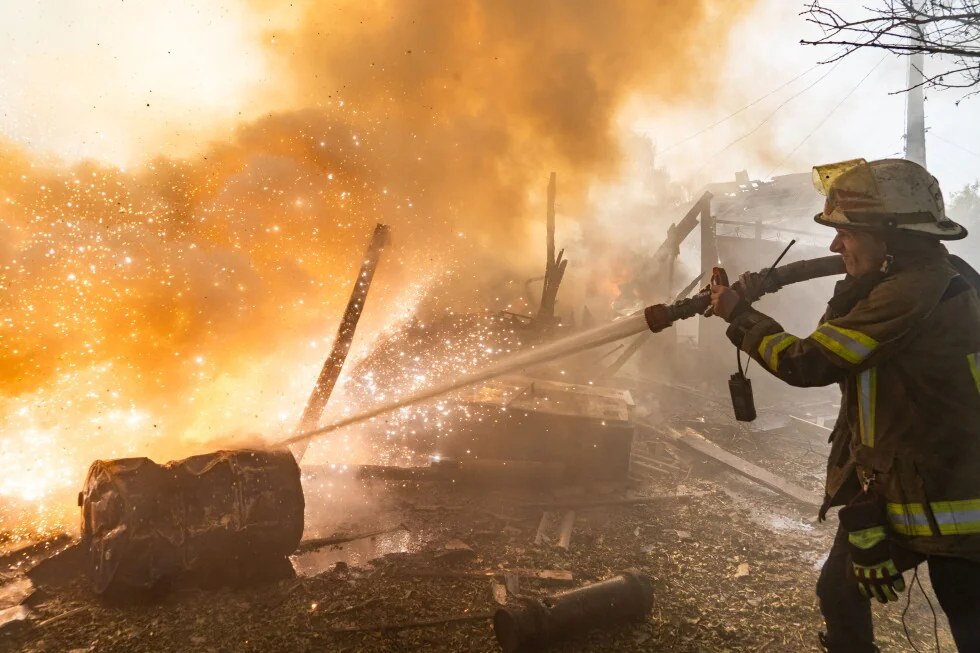
Trump says Russia and Ukraine agree to an "energy ceasefire" but Kyiv says attacks are still going on.
特朗普稱俄烏同意「能源停火」但基輔稱攻擊仍在持續
Trump says Russia and Ukraine agree to an "energy ceasefire" but Kyiv says attacks are still going on.
特朗普稱俄烏同意「能源停火」但基輔稱攻擊仍在持續
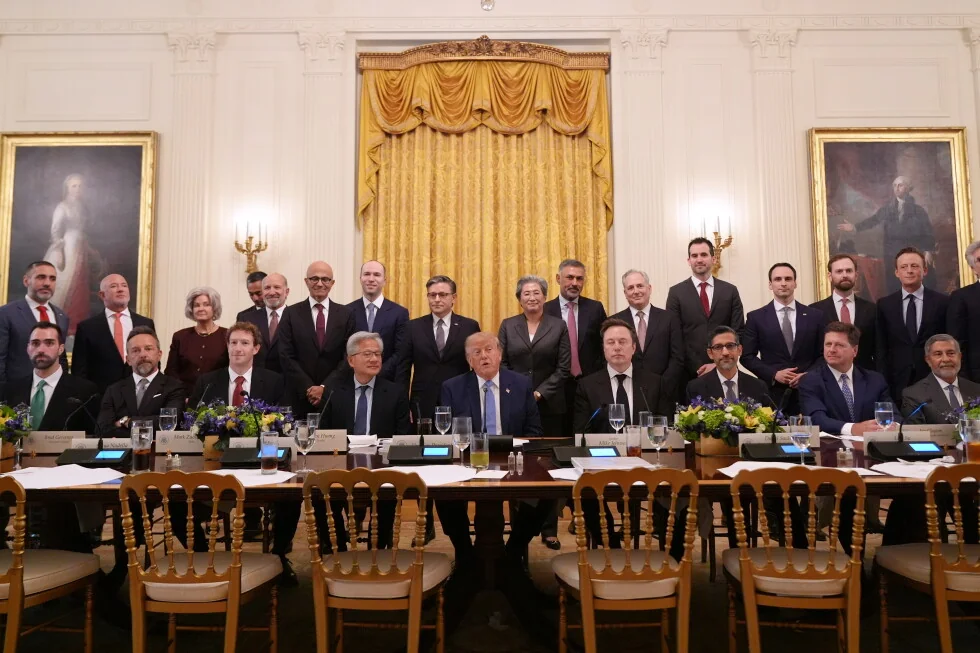
In Silicon Valley, AI founders welcome Trump's call for the industry to self-regulate safety.
在矽谷,AI創辦人歡迎川普呼籲業界自我監管安全
In Silicon Valley, AI founders welcome Trump's call for the industry to self-regulate safety.
在矽谷,AI創辦人歡迎川普呼籲業界自我監管安全
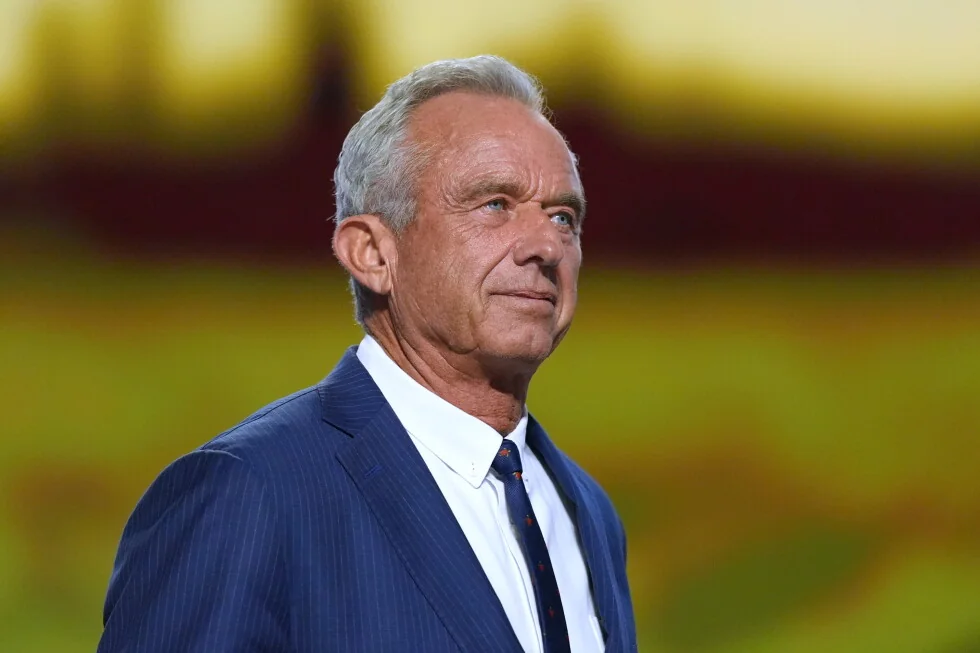
Robert F. Kennedy Jr. embraces AI, and some allies and medical experts do not understand.
小羅伯特·甘迺迪擁抱AI 部分盟友與醫學專家不解
Robert F. Kennedy Jr. embraces AI, and some allies and medical experts do not understand.
小羅伯特·甘迺迪擁抱AI 部分盟友與醫學專家不解
McDonald's was sued because an AI tool suggested prices to US franchisees.
麥當勞被起訴,因為AI工具推薦價格給美國加盟商
McDonald's was sued because an AI tool suggested prices to US franchisees.
麥當勞被起訴,因為AI工具推薦價格給美國加盟商
Space weapons are not clear enough: no one knows what countries want, or even what is in Earth's orbit.
太空武器不夠透明:各國想要什麼,連在地球軌道上的東西也沒人知道
Space weapons are not clear enough: no one knows what countries want, or even what is in Earth's orbit.
太空武器不夠透明:各國想要什麼,連在地球軌道上的東西也沒人知道
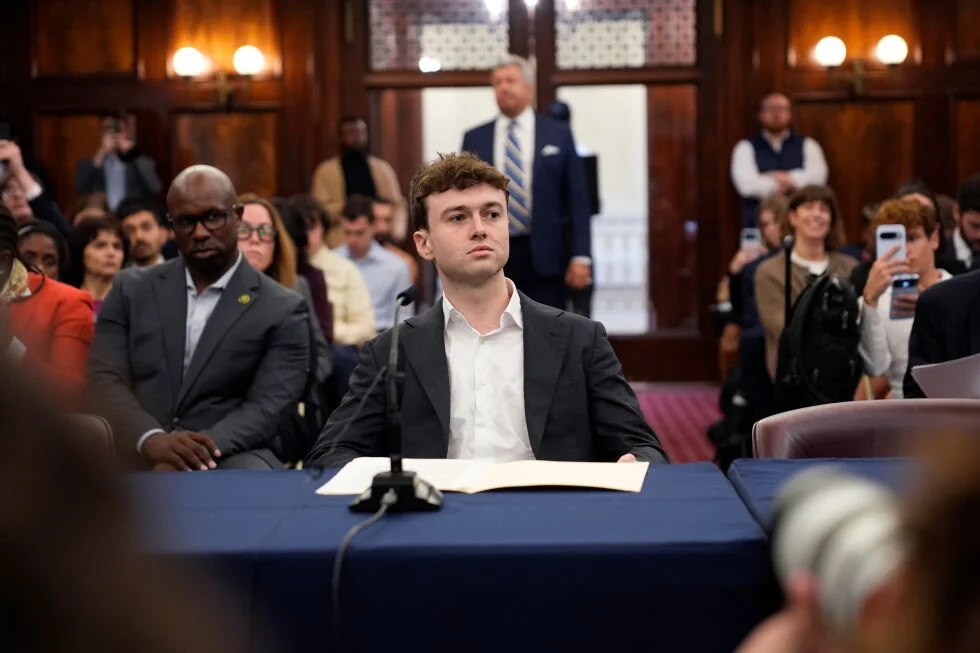
AI experts warned New York City Council. Local governments are starting to deal with safety problems.
AI專家警告紐約市議會,地方政府開始處理安全問題
AI experts warned New York City Council. Local governments are starting to deal with safety problems.
AI專家警告紐約市議會,地方政府開始處理安全問題