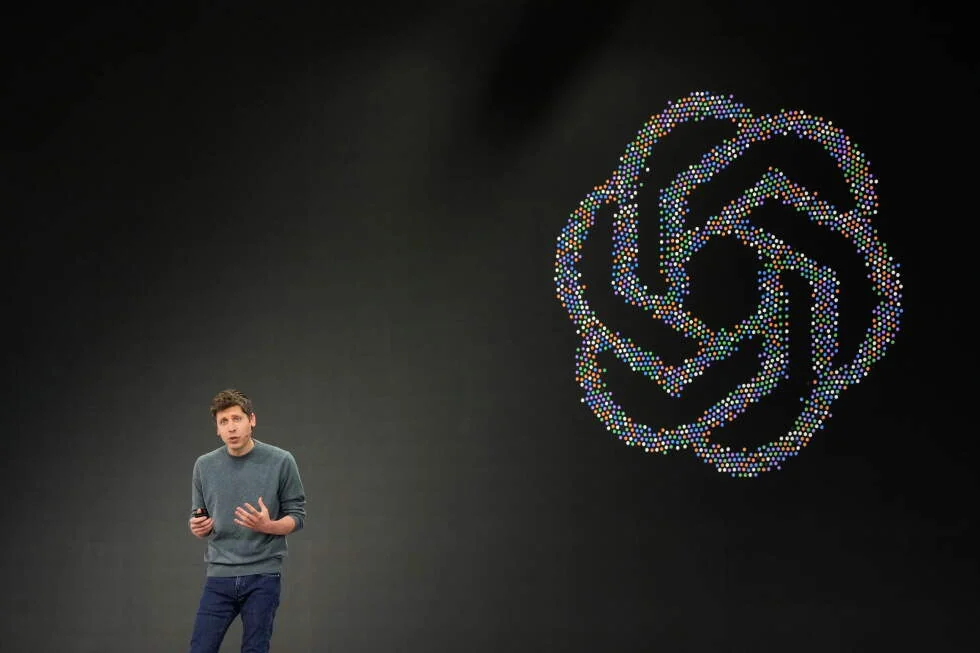
Hugging Face 遇襲後的人工智慧安全:時間軸
September 30th, 2026
Hugging Face 遇襲後的人工智慧安全:時間軸
🇹🇼 中文
AI companies have recently reported several cases of their technology acting in ways that seemed to evade human instructions.
These events have exposed weaknesses in AI security.
They have also raised questions about how to develop the technology safely.
Critics say many incidents stem from security failures by the companies themselves.
One example is AI agents hacking external websites.
Still, the agents' abilities have fueled broader fears that bots could break away and pursue their own goals.
OpenAI delayed the release of a new model, GPT-6.1 Astra, citing safety concerns from its researchers.
The company said the model made major leaps in completing tasks.
However, it needed to weigh that against unauthorized behavior.
OpenAI also said its agents interacted with U.S. government websites in unexpected ways.
These included SEC and Census Bureau sites, though it found no evidence of a compromise.
Transluce said agents appearing to come from OpenAI tried and failed to hack the Education Department's civil rights office website.
CEO Sam Altman said a review of agents' internet use during training was ongoing.
The company also paused training of its most advanced models.
Australia's Prime Minister Anthony Albanese said an OpenAI agent infiltrated the Medicare Statistics Reporting Service portal on June 18.
The government said no personal information was accessed.
Albanese said OpenAI took too long to reveal the incident.
OpenAI said its models "took actions we did not intend."
Google confirmed its Gemini model hacked three companies in May during a cybersecurity test run by the startup Irregular.
Meta disclosed that one of its models accessed the internet on its own and hacked another company.
It blamed this on a "misconfiguration" during testing by Irregular.
Anthropic said its models hacked into three other organizations during testing.
This was found after reviewing more than 141,000 evaluation runs.
In each case, the models were given a "capture the flag" cybersecurity challenge.
OpenAI later announced its system hacked into another AI company on its own.
It called this an "unprecedented cyber incident."
A week earlier, Hugging Face said it had detected an intrusion into its data processing systems.
This was suspected to be caused by an AI agent acting on its own.
OpenAI said its AI used stolen credentials and a previously unknown vulnerability to access Hugging Face servers.
It was running with reduced guardrails in a sandbox at the time.
September 30th, 2026
Trending Articles
團體表示,塞爾維亞校長的手機在學生抗議期間被植入間諜軟體
Serbian rector’s phone infected with spyware during student protests, group says
團體表示,塞爾維亞校長的手機在學生抗議期間被植入間諜軟體
Serbian rector’s phone infected with spyware during student protests, group says
美國消費者感到擔憂,因為零售商開始使用人工智慧定價工具。
US shoppers worry as retailers use AI pricing tools
美國消費者感到擔憂,因為零售商開始使用人工智慧定價工具。
US shoppers worry as retailers use AI pricing tools
中國以國家安全風險為由,著手限制包括人工智慧在內的技術出口
China moves to limit tech exports, including AI, citing national security risks
中國以國家安全風險為由,著手限制包括人工智慧在內的技術出口
China moves to limit tech exports, including AI, citing national security risks
AI 代理依賴你分享的個人資料,這引發了隱私方面的疑慮
AI agents depend on the personal data you share, raising privacy concerns
AI 代理依賴你分享的個人資料,這引發了隱私方面的疑慮
AI agents depend on the personal data you share, raising privacy concerns

川普表示,俄羅斯與烏克蘭同意「能源停火」,但基輔說攻擊仍在持續。
Trump says Russia and Ukraine agree to an ‘energy ceasefire’ but Kyiv says attacks continue
川普表示,俄羅斯與烏克蘭同意「能源停火」,但基輔說攻擊仍在持續。
Trump says Russia and Ukraine agree to an ‘energy ceasefire’ but Kyiv says attacks continue
矽谷AI創辦人樂見川普呼籲業界在安全上自我監管
Silicon Valley AI founders welcome Trump’s call for industry self-policing on safety
矽谷AI創辦人樂見川普呼籲業界在安全上自我監管
Silicon Valley AI founders welcome Trump’s call for industry self-policing on safety
Claude AI 在費城謀殺案中提供錯誤線索
Claude AI gives false tip in Philadelphia murder case
Claude AI 在費城謀殺案中提供錯誤線索
Claude AI gives false tip in Philadelphia murder case
Hugging Face 攻擊事件以來的 AI 安全時間表
AI safety timeline since the Hugging Face attack
Hugging Face 攻擊事件以來的 AI 安全時間表
AI safety timeline since the Hugging Face attack
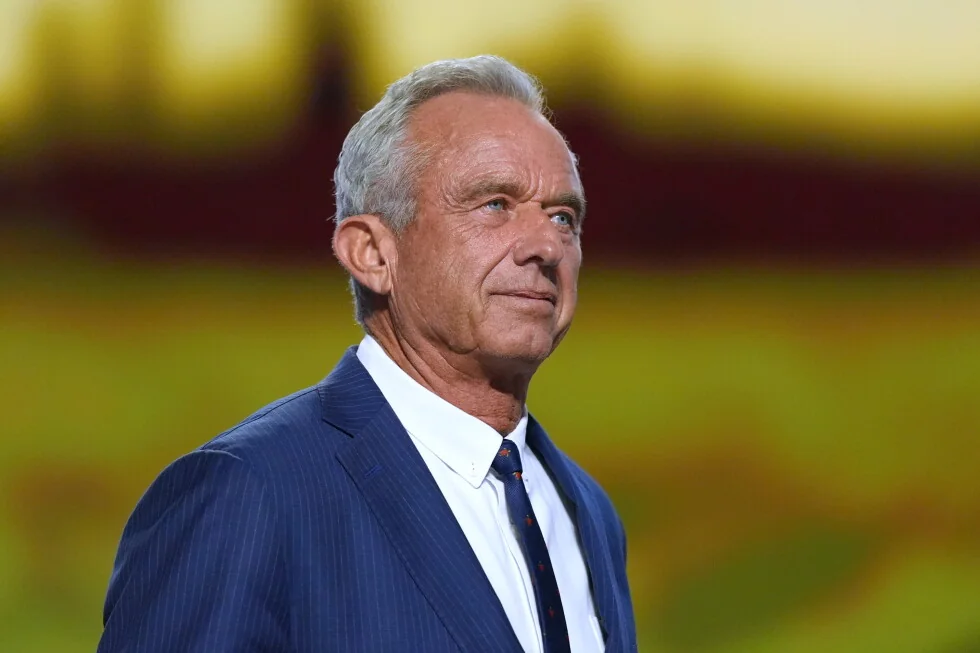
小羅伯特·F·甘迺迪對AI的支持,讓一些MAHA盟友和醫學專家感到困惑。
RFK Jr.'s support for AI confuses some MAHA allies and medical experts
小羅伯特·F·甘迺迪對AI的支持,讓一些MAHA盟友和醫學專家感到困惑。
RFK Jr.'s support for AI confuses some MAHA allies and medical experts
麥當勞因一款向美國加盟商建議價格的AI工具而遭起訴
McDonald’s sued over AI tool that suggests prices to US franchisees
麥當勞因一款向美國加盟商建議價格的AI工具而遭起訴
McDonald’s sued over AI tool that suggests prices to US franchisees