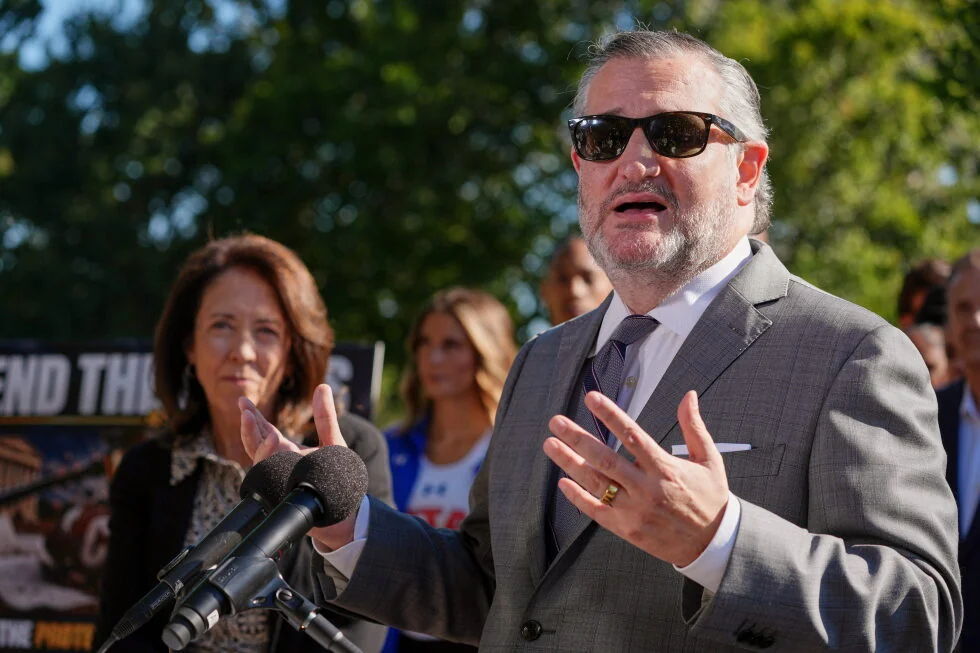
連邦議会が他の案件を先送りする中、大学スポーツ法案が上院で前進
September 18th, 2026
連邦議会が他の案件を先送りする中、大学スポーツ法案が上院で前進
🇯🇵 日本語
Congress has conspicuously faltered in its endeavours to enact substantive legislation this year, deferring deliberations on annual appropriations, defence, cryptocurrency and artificial intelligence.
Yet in its waning weeks in session, with the midterm elections looming, the Senate finds itself capable of consensus on a single matter — the regulation of college sports.
The Senate this week twice cast votes to advance legislation aimed at overhauling the regulatory and financial architecture governing college sports — an endeavor intended to impose guardrails upon runaway expenditure, forestall ceaseless litigation, and restore order to what the bill's proponents characterize as "chaos" within athletic programs.
Upwards of 70 senators have already thrown their weight behind the bill, which would nonetheless still require passage through the House.
Final votes could be forthcoming as early as next week.
Nonetheless, certain Senate detractors contend that it is far from the most exigent matter confronting Congress — and query why senators are not directing their attention to what they characterize as more pressing issues in the lead-up to the midterm elections.
Florida Sen. Rick Scott, a Republican opposed to the sports bill, contended that Congress ought to be preoccupied principally with affordability issues before lawmakers depart Washington to campaign.
The college sports bill, Scott asserted, ventures “way too far inserting the federal government into collegiate athletics” and might engender novel problems.
Democratic Sen. Chris Murphy of Connecticut averred that the Senate ought to direct its attention toward other matters “when we are in the middle of a disastrous war and a growing cost crisis.”
The college sports legislation is addressing “a fake crisis,” Murphy said this week.
He contended that it falls considerably short of overhauling the system and safeguarding athletes.
Proponents of the bill contend that it will contain college costs, afford hundreds of thousands of student athletes novel health and labor protections, and establish a uniform set of rules applicable to all colleges.
This website is safeguarded by reCAPTCHA, and Google's Privacy Policy and Terms of Service are applicable.
Senate Majority Leader John Thune, R-S.D., had pledged to the bill’s foremost sponsors — Commerce Committee Chairman Ted Cruz, R-Texas, and Washington Sen. Maria Cantwell, the panel’s ranking Democrat — that he would bring the bill to a vote in September.
He contends that a “pent-up demand” exists to remedy college sports, “and it’s clearly broken.”
"I am of the conviction that it has been substantiated over the course of time that no one else is going to rectify it," Thune said.
The legislation confronts what Cantwell characterizes as “a spending spiral” that has ensnared college sports, whereby name-image-likeness payments — remuneration student athletes may accrue through the monetization of their endorsements, social media presences, public appearances and the like — have yielded football rosters boasting $30 million payrolls.
A report issued by Cantwell earlier this year disclosed that, among the 53 schools in the Power Four for which data was publicly available, institutional and governmental support of athletic programs had risen by $519.9 million between 2015 and 2025.
The bill would impose a cap on the revenue that colleges are permitted to share with their players, establish a retention pool enabling schools to retain current players, and afford conferences the option of pooling TV media rights—a measure that could generate additional revenue.
It would further circumscribe player transfers, an endeavor to curb the transfer portal that has precipitated players' incessant switching of teams.
It would likewise enshrine the NCAA’s newly instituted rule restricting players to no more than five years of eligibility, impose a ceiling on agent fees, and afford the NCAA limited antitrust protections.
Proponents contend that the proposed guardrails on lavish expenditure would serve to conserve resources for smaller athletic programs—among them women's and Olympic sports—which occupy a lower priority at numerous institutions.
Furthermore, it would institute novel stipulations designed to enable student athletes to retain their scholarships and secure extended healthcare coverage.
“We can recognize these rights, enshrine them today, and ensure that these athletes are safeguarded in perpetuity,” Cantwell said.
On Friday, senators were still engaged in eleventh-hour amendments to the bill, fine-tuning a provision designed to curtail the waiting period for schools seeking to change conferences and appending language stipulating that the bill does not supersede existing statutes governing transgender girls and women in sports.
The bill continues to attract detractors: labor and civil rights organizations remain arrayed against it, and all four Black Democrats in the Senate — Cory Booker, Raphael Warnock, Lisa Blunt Rochester and Angela Alsobrooks — cast their votes in opposition.
Booker contended that it nonetheless confers excessive authority upon the NCAA while affording the players insufficient accountability.
"The NCAA has a longstanding record of turning a deaf ear to the cries for justice from exploited college athletes," he said.
Yet a considerable contingent of his Democratic confrères have aligned themselves with him, contending that the prevailing state of affairs is indefensible.
“College athletics constitutes a phenomenon singularly American, an intrinsic facet of our cultural fabric,” remarked Democrat Chris Coons of Delaware.
He asserted that the enactment of the legislation ought to afford Americans “some hope that we can at least stabilize college sports.
It’s long overdue to make progress on this issue.”
September 18th, 2026
Trending Articles
ヤンキースの強打者アーロン・ジャッジ、右ふくらはぎの肉離れでレギュラーシーズンの大半を欠場
Yankees Slugger Aaron Judge Sidelined for Bulk of Regular Season with Right Calf Strain
ヤンキースの強打者アーロン・ジャッジ、右ふくらはぎの肉離れでレギュラーシーズンの大半を欠場
Yankees Slugger Aaron Judge Sidelined for Bulk of Regular Season with Right Calf Strain
UNC守備コーディネーターのスティーブ・ベリチック氏、フットボール行為調査の結論を受け辞任
UNC Defensive Coordinator Steve Belichick Resigns as Football Conduct Probe Concludes
UNC守備コーディネーターのスティーブ・ベリチック氏、フットボール行為調査の結論を受け辞任
UNC Defensive Coordinator Steve Belichick Resigns as Football Conduct Probe Concludes
NHLの重鎮であるオベチキンは、プーチン寄りの政党の広告に出演した後、「平和と愛のために」と公言している。
Ovechkin, NHL luminary, professes being "for peace and love" following his appearance in an advertisement for a Putin-aligned party
NHLの重鎮であるオベチキンは、プーチン寄りの政党の広告に出演した後、「平和と愛のために」と公言している。
Ovechkin, NHL luminary, professes being "for peace and love" following his appearance in an advertisement for a Putin-aligned party
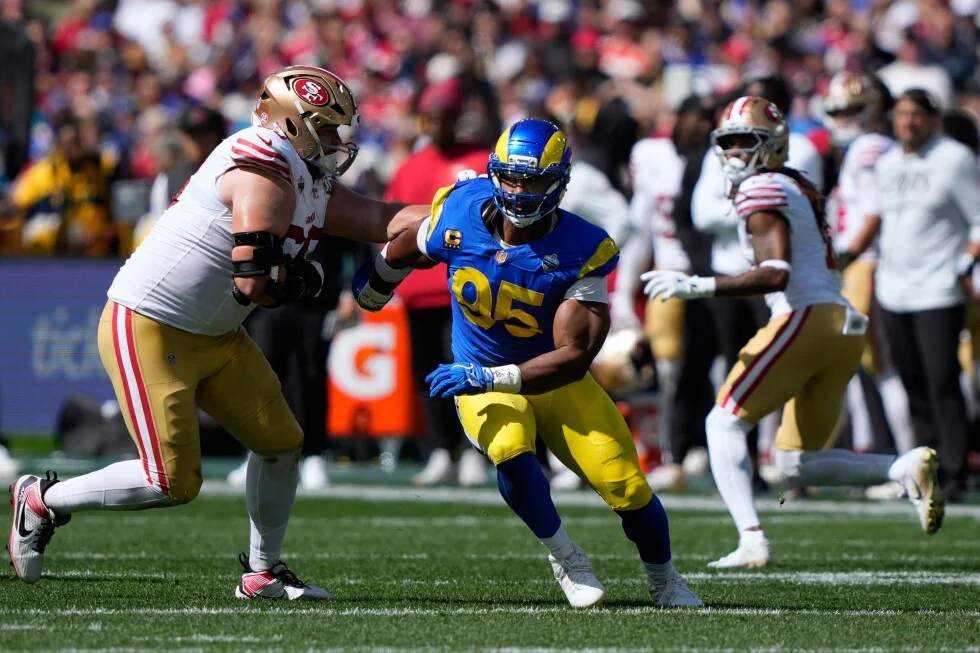
マクベイ:ラムズの開幕戦はギャレットの膝手術の必要性を浮き彫りにした
McVay: Rams' Opener Underscored Necessity of Garrett's Knee Surgery
マクベイ:ラムズの開幕戦はギャレットの膝手術の必要性を浮き彫りにした
McVay: Rams' Opener Underscored Necessity of Garrett's Knee Surgery
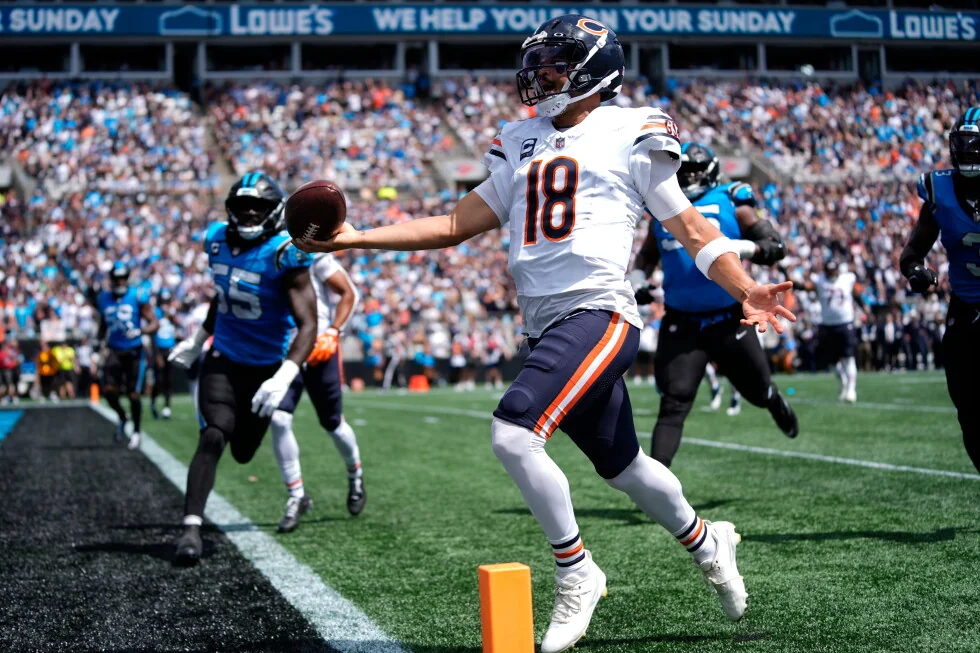
NFLのオフェンスが歴史上有数の高得点の開幕週を実現
NFL Offenses Deliver One of History's Highest-Scoring Opening Weeks
NFLのオフェンスが歴史上有数の高得点の開幕週を実現
NFL Offenses Deliver One of History's Highest-Scoring Opening Weeks

マイルズ・ギャレット、ラムズのオーストラリア敗戦でのタックル0のデビューを受け、膝の負傷の深刻さを認める
Myles Garrett concedes knee injury severity following 0-tackle debut in Rams' Australia defeat
マイルズ・ギャレット、ラムズのオーストラリア敗戦でのタックル0のデビューを受け、膝の負傷の深刻さを認める
Myles Garrett concedes knee injury severity following 0-tackle debut in Rams' Australia defeat

NFLシーズン開幕わずか2試合で有力選手の負傷が続出
Prominent Injuries Mounting Just Two Games into NFL Season
NFLシーズン開幕わずか2試合で有力選手の負傷が続出
Prominent Injuries Mounting Just Two Games into NFL Season
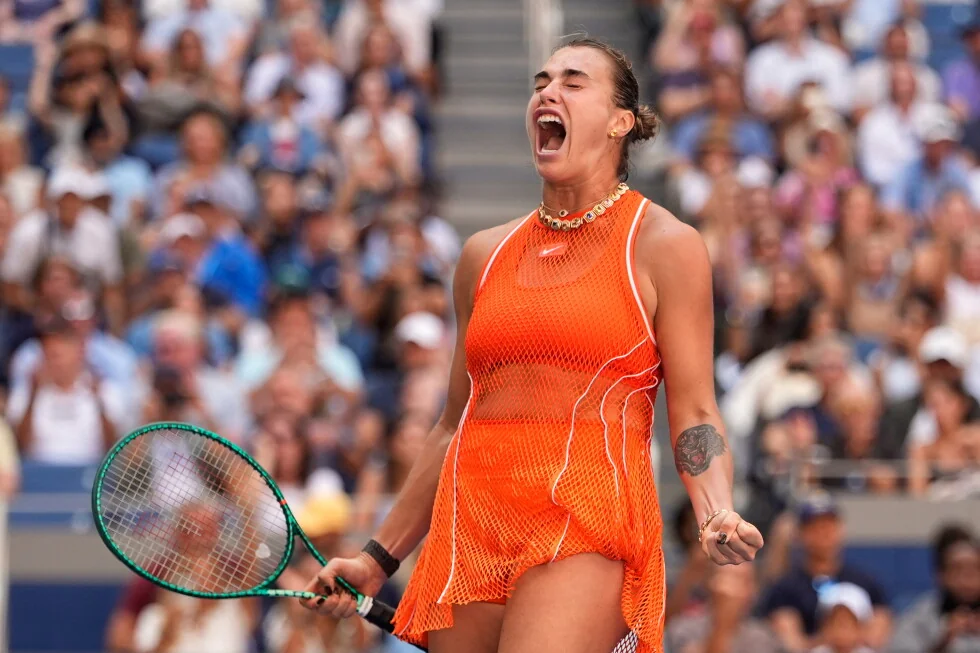
サバレンカがノスコバをかわし、全米オープン3連覇への追求を持続させる。
Sabalenka edges Noskova, sustaining pursuit of a third consecutive US Open crown.
サバレンカがノスコバをかわし、全米オープン3連覇への追求を持続させる。
Sabalenka edges Noskova, sustaining pursuit of a third consecutive US Open crown.
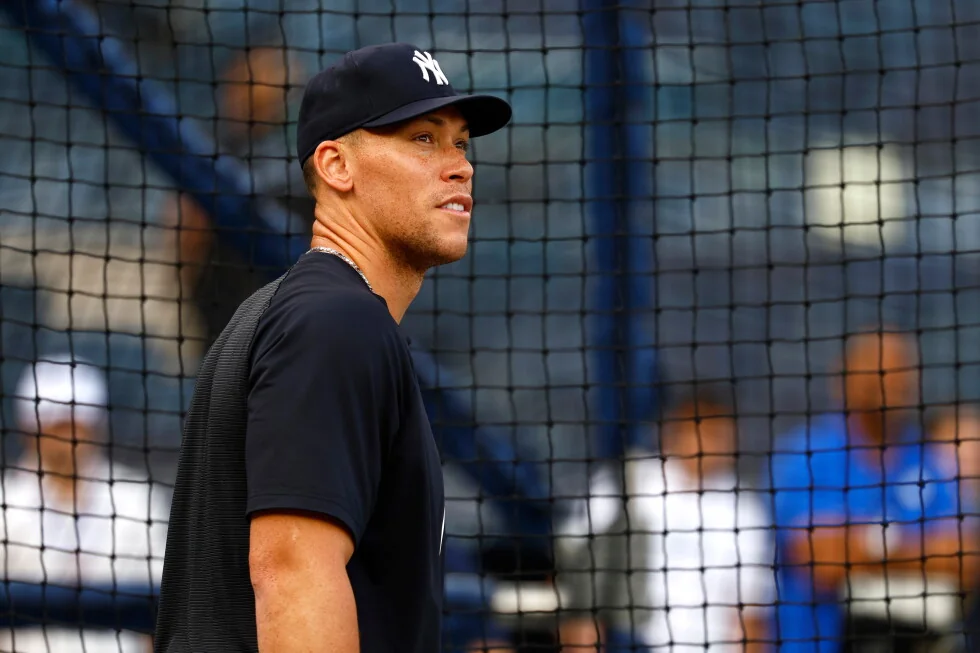
アーロン・ジャッジ、肋骨骨折による99日間の離脱を経てヤンキースに復帰
Aaron Judge returns to Yankees after 99-day hiatus due to fractured rib
アーロン・ジャッジ、肋骨骨折による99日間の離脱を経てヤンキースに復帰
Aaron Judge returns to Yankees after 99-day hiatus due to fractured rib