为秋日花境精选菊花:超越传统垫状品种
September 1st, 2026
为秋日花境精选菊花:超越传统垫状品种
🇨🇳 中文
September heralds the onset of that quintessential transition from summer to autumn in the garden, and while the majority of summer flora still retain a measure of vitality, a considerable number of horticulturists are now directing their focus toward the emblematic chrysanthemum.
The preponderance of chrysanthemums vended in pre-planted containers at the garden center are the archetypal “cushion” varieties.
I would scarcely contemplate horticulture without them, yet a plethora of equally compelling alternatives await gardeners seeking to diversify their selections.
Botanists worldwide recognize approximately 40 species of wild chrysanthemums.
Over centuries, hundreds of thousands of varieties and cultivars have been bred from them, making the plant family one of the largest in the world.
The National Chrysanthemum Society has consolidated the entire spectrum into thirteen exhibition-judging categories, each delineated by floral morphology.
Nevertheless, a considerable number of these cultivars prove too fragile for outdoor cultivation or demand specialized horticultural practices that are scarcely feasible within the domestic garden, and consequently remain absent from the commercial nursery trade.
Nevertheless, an abundance of aesthetically arresting, visually striking, and even unconventional cultivars remains accessible to the home horticulturist, ensuring that one's autumnal garden commands attention.
Numerous perennial mums exhibit remarkable persistence, re-emerging annually with unwavering regularity, provided that their initial planting occurs sufficiently early to enable the intricate network of their root systems to become firmly entrenched prior to the advent of the first frost.
Should you intend to cultivate perennial mums, exercise caution regarding so-called florist mums, which are frequently proffered in foil-wrapped containers at supermarkets and chain retailers, given that they are cultivated expressly as ephemeral autumnal adornments.
Invariably scrutinize plant labels for elucidation pertaining to hardiness within your specific horticultural zone.
At the supermarket or garden center, one is equally apt to encounter perennial cushion mums.
When in full bloom, these compact, mounding plants evoke the appearance of a cushion swathed in diminutive double flowers, their hues spanning white, yellow, lavender, pink, purple, red, orange, bronze, or rust.
The plants typically initiate their flowering in late summer or early autumn, sustaining the display for a duration of four to six weeks.
The majority of cushion mums exhibit hardiness in zones 5 through 9, with certain cultivars demonstrating the resilience to endure winters as severe as those found in zones 3 or 4.
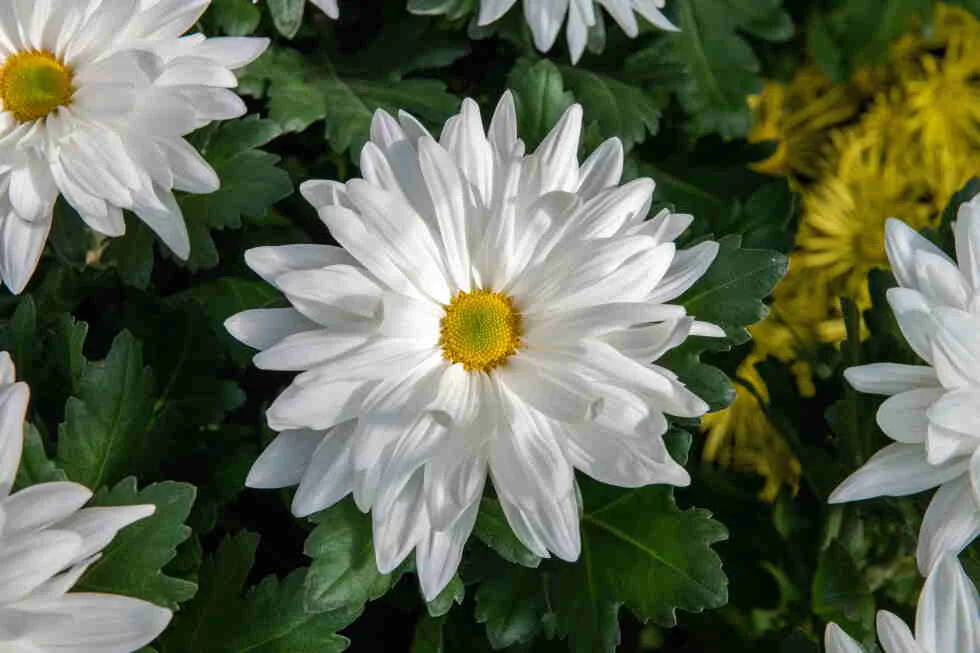
The blooms of the chrysanthemum variety known as the daisy type bear a striking resemblance to their eponymous flower, featuring a flattened, central disc—or “eye”—surrounded by discrete petals that may be arranged in one or multiple concentric rows.
As with all “spray mums,” each stem bifurcates at its terminus to yield a profusion of blossoms in hues ranging from white, gold, yellow, and pink to lavender, violet, orange, rust, bronze, or even bicolored combinations.
The majority of chrysanthemums in this category thrive in USDA hardiness zones 5 through 9; however, certain exceptionally cold-tolerant cultivars, such as the Mammoth series, exhibit remarkable resilience, withstanding conditions as frigid as zone 3.
While Fuji and spider mums are less commonly encountered in conventional retail outlets, their distinctive allure justifies the effort of procuring them through specialty nurseries or mail-order catalogs.
These cultivars bear exotic inflorescences composed of elongated, tubular petals with recurved apices, so denominated for their striking resemblance to arachnids with attenuated appendages.
Predominantly winter-hardy to USDA zone 5, these specimens constitute exemplary additions to the mid- and late-autumn garden, given that their flowering period—spanning four to eight weeks—frequently commences only as late as early November.
Homecoming, or Football, mums constitute the most grandiose and ostentatious members of the Chrysanthemum genus.
Their cultivation surged in prominence during the initial half of the 20th century, owing to their deployment as corsages at collegiate homecoming parades and festivities.
In contemporary times, these specimens—characterized by their immense, densely packed inflorescences and petals that curve inward—can be cultivated as perennials in domestic gardens within hardiness zones 5 through 9.
Such Homecoming mums are most readily procured from specialty nurseries or via mail-order catalogs.
Regarding exceptional autumnal flora, silence is paramount.
Jessica Damiano authors weekly horticultural columns for Reporters, concurrently curating the Weekly Dirt Newsletter; subscribe here to receive weekly gardening insights and expert counsel.
September 1st, 2026
Trending Articles

一个延续250年的恒量:美国人受骗的倾向
A 250-Year Constant: Americans’ Propensity for Dupery
一个延续250年的恒量:美国人受骗的倾向
A 250-Year Constant: Americans’ Propensity for Dupery

卡车司机为消遣建造的80万座建筑纽约市模型,如今成为博物馆展品
Trucker’s 800,000-structure NYC model, built for fun, becomes museum exhibit
卡车司机为消遣建造的80万座建筑纽约市模型,如今成为博物馆展品
Trucker’s 800,000-structure NYC model, built for fun, becomes museum exhibit

DoorDash与Uber Eats将为美国好市多门店提供配送服务
DoorDash and Uber Eats to Provide Delivery from US Costco Outlets
DoorDash与Uber Eats将为美国好市多门店提供配送服务
DoorDash and Uber Eats to Provide Delivery from US Costco Outlets

大卫·张主厨在CNN全新旅游系列节目中踏上一场横跨全国的烹饪奥德赛之旅
Chef David Chang Embarks on a Cross-Country Culinary Odyssey in CNN's New Travel Series
大卫·张主厨在CNN全新旅游系列节目中踏上一场横跨全国的烹饪奥德赛之旅
Chef David Chang Embarks on a Cross-Country Culinary Odyssey in CNN's New Travel Series

伟大的美国公路旅行:由其所催生的汽车所孕育,亦被其所侵蚀
The Great American Road Trip: Fostered and Undermined by the Automobile It Engendered
伟大的美国公路旅行:由其所催生的汽车所孕育,亦被其所侵蚀
The Great American Road Trip: Fostered and Undermined by the Automobile It Engendered

一颗从归零地寻回的高尔夫球:难以估量的损失之象征
A golf ball recovered from Ground Zero: an emblem of unfathomable loss
一颗从归零地寻回的高尔夫球:难以估量的损失之象征
A golf ball recovered from Ground Zero: an emblem of unfathomable loss
苹果派,与 motherhood 本身一样,成为了这个国家最具代表性的烹饪象征。
The apple pie, alongside motherhood itself, became the quintessential culinary emblem of a nation.
苹果派,与 motherhood 本身一样,成为了这个国家最具代表性的烹饪象征。
The apple pie, alongside motherhood itself, became the quintessential culinary emblem of a nation.

盖洛普民调显示,美国民众对学校的满意度已跌至历史最低点。
Gallup poll reveals Americans' satisfaction with schools has plummeted to historic lows
盖洛普民调显示,美国民众对学校的满意度已跌至历史最低点。
Gallup poll reveals Americans' satisfaction with schools has plummeted to historic lows

诗人兼女性主义者罗宾·摩根逝世,享年85岁,其盟友包括简·方达与格洛丽亚·斯泰纳姆。
Robin Morgan, poet and feminist whose allies included Jane Fonda and Gloria Steinem, dies at 85
诗人兼女性主义者罗宾·摩根逝世,享年85岁,其盟友包括简·方达与格洛丽亚·斯泰纳姆。
Robin Morgan, poet and feminist whose allies included Jane Fonda and Gloria Steinem, dies at 85

帕顿与斯泰纳姆的相继离世,给女权主义者带来了双重哀恸。
The proximate deaths of Parton and Steinem deliver a twofold bereavement to feminists.
帕顿与斯泰纳姆的相继离世,给女权主义者带来了双重哀恸。
The proximate deaths of Parton and Steinem deliver a twofold bereavement to feminists.