全球少数几个纸莎草保护与保存强化项目内部探秘
August 20th, 2026
全球少数几个纸莎草保护与保存强化项目内部探秘
🇨🇳 中文
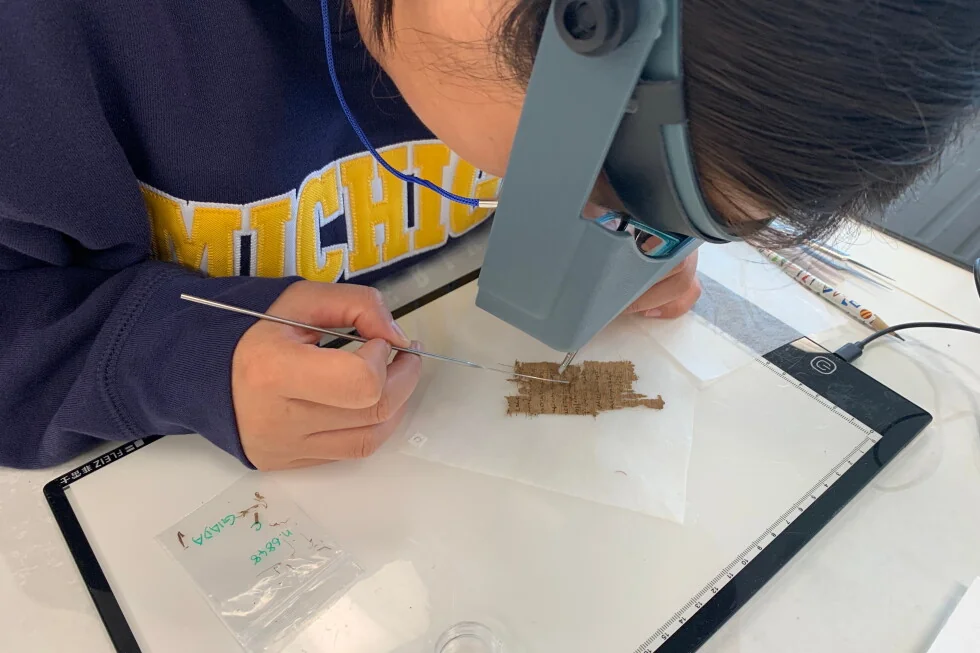
Shijin Jiang adjusted the precision binocular headband magnifier over her eyes and inclined forward until her face hovered mere inches above the ancient text, which lay illuminated upon a light board.
Employing a pair of handheld implements, Shijin subjected the papyrus sheet to meticulous examination, proceeding with consummate deliberation.
After all, it had most likely remained untouched for a century — and unread for millennia.
The Papyrus Conservation Summer Seminar at the University of Michigan stands as the sole program of its kind in the Americas, according to the institution, and ranks among the few worldwide specifically designed to impart best practices for the preservation of papyrus manuscripts—ancient texts inscribed on scrolls or sheets derived from the papyrus plant.
"Upon laying a hand upon this papyrus, one can virtually sense the history imbued within it," remarked Shijin, a native of China who numbered among nine scholars hailing from disparate corners of the globe—including Ireland, Italy, and the United States—who partook in the ten-day intensive course.
Michigan’s Papyrology Collection encompasses texts and documents spanning from 1000 B.C.E. to 1000 C.E.
No institution on this side of the world possesses a greater number of them, the Ann Arbor school asserted, thereby affording researchers access to an extensive corpus of ancient papyri.
Among its holdings are portions of the Homeric epics, “The Odyssey” and “The Iliad,” writings by the philosopher Epicurus, and the oldest-known copy of the Epistles of Paul.
“Perpetuating this legacy constitutes a formidable obligation, yet it proves equally exhilarating and gratifying, for there is naught I cherish more than convening individuals from across the globe to exchange perspectives and glean insights from one another,” remarked Marieka Kaye, who oversees preservation services for physical collections at the University of Michigan Library.
Kaye stated that she aimed to render the experience “comfortable and not scary, given that a considerable number of individuals are simply paralyzed by trepidation when confronted with these ancient artifacts.”
The seminar acquainted the papyrologists and conservators with methodologies pertaining to the treatment, storage, and preservation of the ancient manuscripts, alongside protocols for their documentation.
Given that papyrus and its ink are susceptible to crumbling, smearing, or fracturing, Kaye exhorted the students to meticulously excise dirt, sand, salt, and extraneous detritus; to employ calibrated moisture for the purpose of softening creases and realigning the fibrous structure; and to desiccate the papyrus gradually beneath modest pressure so as to preclude any tendency toward curling.
The inaugural seminar was convened in 2012 and has since been held biennially, with the sole exception of 2020, when the pandemic necessitated its cancellation.
Approximately fifty participants have partaken in total.
“Were we to fail in training the succeeding cohorts of conservators, this craft would inexorably be consigned to oblivion,” remarked Giuliano Sidro, curator of Michigan’s Papyrology Collection.
Michigan’s holdings of papyrus manuscripts are so extensive that its researchers have yet to exhaust them; some were acquired, while others were unearthed during university expeditions to the ancient site of Karanis, Egypt, between 1924 and 1935.
Francis Willey Kelsey, a Latin professor who died in 1927, was the principal impetus behind the founding of the Papyrology Collection, contending that Michigan students of antiquity required access not merely to texts but to the tangible vestiges of the ancient world.
Today, the Kelsey Museum of Archaeology stands as a permanent institution on the Michigan campus, its collection constituting one of the most distinguished assemblages of quotidian artifacts from Greco-Roman Egypt outside Cairo.
“This is a locus of discovery, potentially on a daily basis, provided one merely ventures into the vault, selects a box, unseals its contents, and commences perusal,” Sidro remarked.
Naturally, to apprehend its import, one must command Arabic, ancient Greek, or Latin—and even Egyptian, among the earliest attested written languages, now consigned to extinction.
A handful of the seminar's attendees could decipher the papyri, among them Arzak Mohamed, proficient in Arabic, and Mauro Castiello, a doctoral candidate in papyrology at Milan, adept at rendering ancient Greek and Latin into translation.
Kaye articulated that she unfailingly strives to secure the participation of a student originating from Egypt within the seminar's cohort.
Mohamed, a postdoctoral fellow at Macquarie University in Sydney, had long been cognizant of the papyrus seminar's existence and harbored a persistent aspiration to participate.
The 42-year-old mother of three hails from Fayoum, Egypt, situated in close proximity to Karanis.
"Now, I can transmit this information from Michigan to Egypt and even to Australia," she remarked.
"I shall serve as the linchpin, forging connections among the three nations."
"By preserving this information, we can transmit the knowledge to subsequent generations," she added.
August 20th, 2026
Trending Articles
一个延续250年的恒量:美国人受骗的倾向
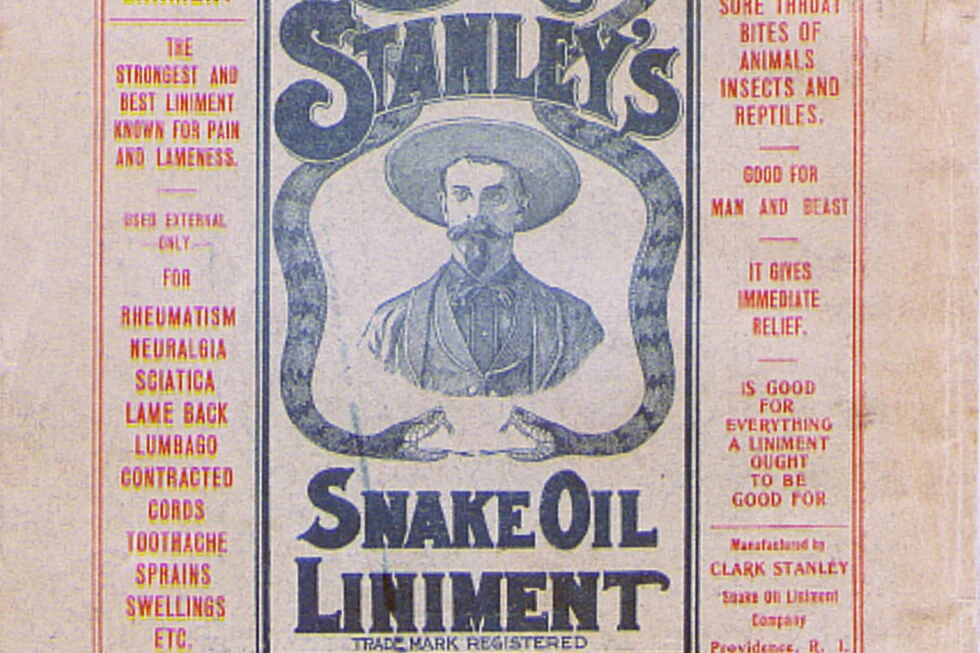
A 250-Year Constant: Americans’ Propensity for Dupery
一个延续250年的恒量:美国人受骗的倾向
A 250-Year Constant: Americans’ Propensity for Dupery

卡车司机为消遣建造的80万座建筑纽约市模型,如今成为博物馆展品
Trucker’s 800,000-structure NYC model, built for fun, becomes museum exhibit
卡车司机为消遣建造的80万座建筑纽约市模型,如今成为博物馆展品
Trucker’s 800,000-structure NYC model, built for fun, becomes museum exhibit

DoorDash与Uber Eats将为美国好市多门店提供配送服务
DoorDash and Uber Eats to Provide Delivery from US Costco Outlets
DoorDash与Uber Eats将为美国好市多门店提供配送服务
DoorDash and Uber Eats to Provide Delivery from US Costco Outlets

大卫·张主厨在CNN全新旅游系列节目中踏上一场横跨全国的烹饪奥德赛之旅
Chef David Chang Embarks on a Cross-Country Culinary Odyssey in CNN's New Travel Series
大卫·张主厨在CNN全新旅游系列节目中踏上一场横跨全国的烹饪奥德赛之旅
Chef David Chang Embarks on a Cross-Country Culinary Odyssey in CNN's New Travel Series

伟大的美国公路旅行:由其所催生的汽车所孕育,亦被其所侵蚀
The Great American Road Trip: Fostered and Undermined by the Automobile It Engendered
伟大的美国公路旅行:由其所催生的汽车所孕育,亦被其所侵蚀
The Great American Road Trip: Fostered and Undermined by the Automobile It Engendered

一颗从归零地寻回的高尔夫球:难以估量的损失之象征
A golf ball recovered from Ground Zero: an emblem of unfathomable loss
一颗从归零地寻回的高尔夫球:难以估量的损失之象征
A golf ball recovered from Ground Zero: an emblem of unfathomable loss
苹果派,与 motherhood 本身一样,成为了这个国家最具代表性的烹饪象征。
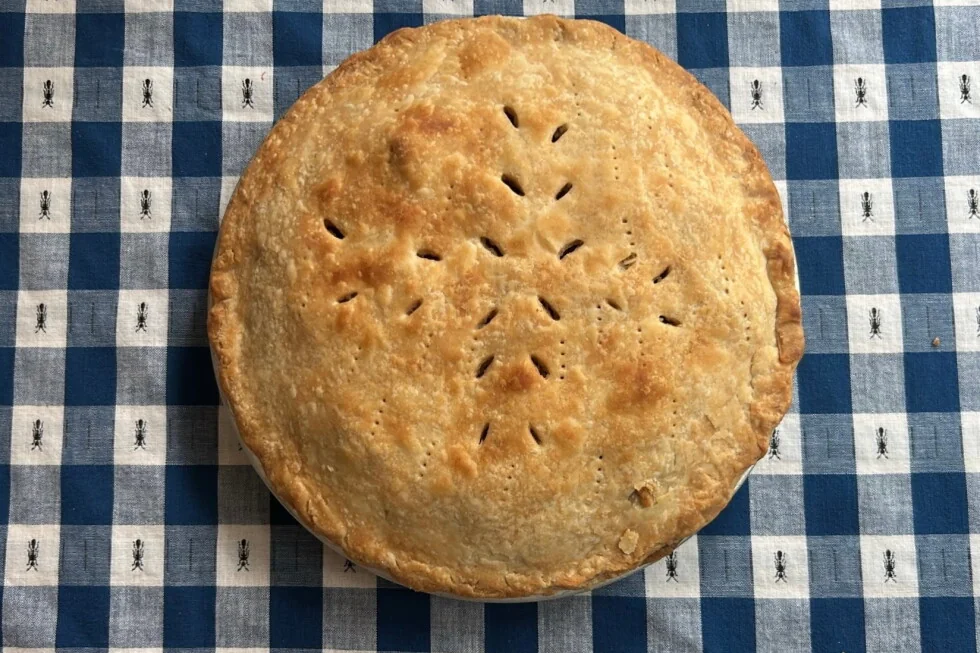
The apple pie, alongside motherhood itself, became the quintessential culinary emblem of a nation.
苹果派,与 motherhood 本身一样,成为了这个国家最具代表性的烹饪象征。
The apple pie, alongside motherhood itself, became the quintessential culinary emblem of a nation.
盖洛普民调显示,美国民众对学校的满意度已跌至历史最低点。
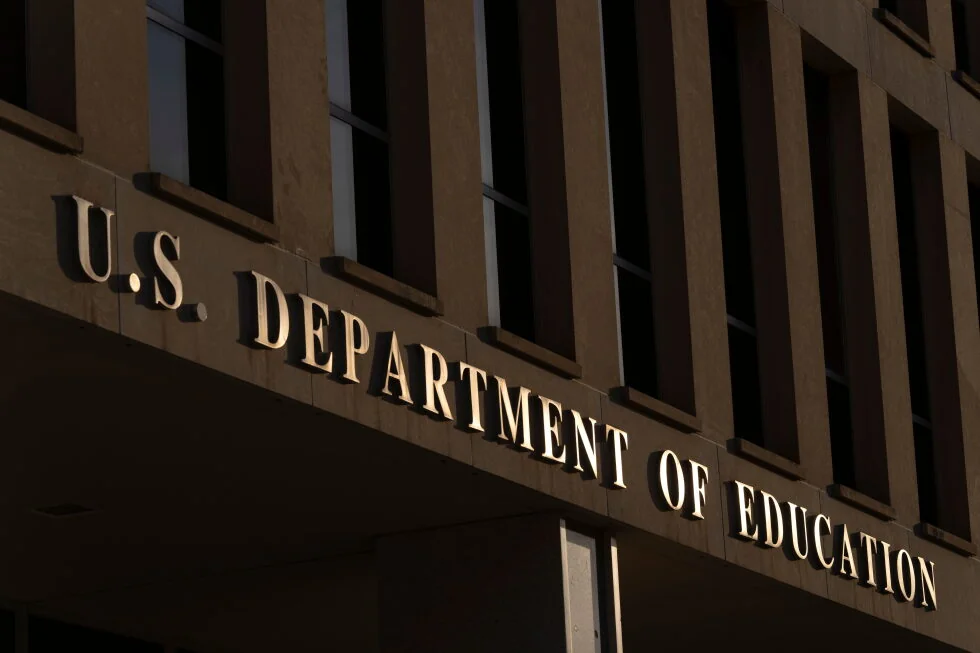
Gallup poll reveals Americans' satisfaction with schools has plummeted to historic lows
盖洛普民调显示,美国民众对学校的满意度已跌至历史最低点。
Gallup poll reveals Americans' satisfaction with schools has plummeted to historic lows
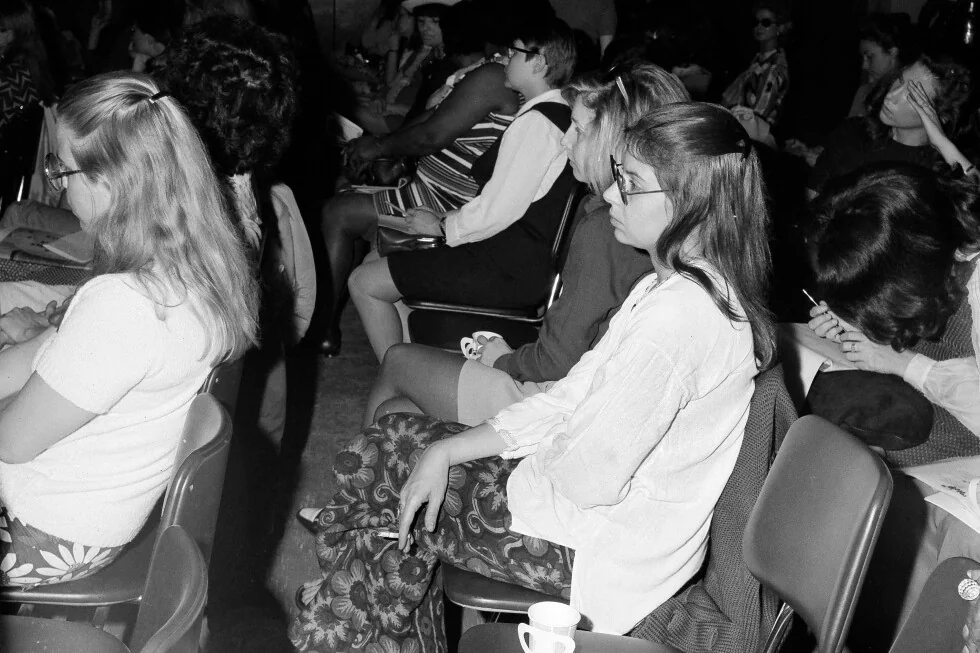
诗人兼女性主义者罗宾·摩根逝世,享年85岁,其盟友包括简·方达与格洛丽亚·斯泰纳姆。
Robin Morgan, poet and feminist whose allies included Jane Fonda and Gloria Steinem, dies at 85
诗人兼女性主义者罗宾·摩根逝世,享年85岁,其盟友包括简·方达与格洛丽亚·斯泰纳姆。
Robin Morgan, poet and feminist whose allies included Jane Fonda and Gloria Steinem, dies at 85
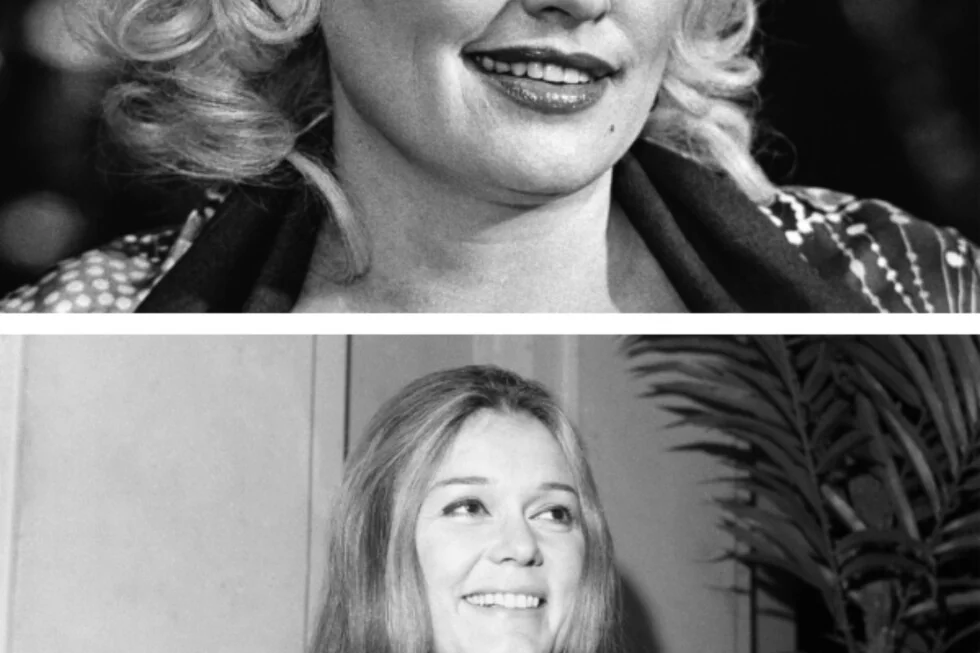
帕顿与斯泰纳姆的相继离世,给女权主义者带来了双重哀恸。
The proximate deaths of Parton and Steinem deliver a twofold bereavement to feminists.
帕顿与斯泰纳姆的相继离世,给女权主义者带来了双重哀恸。
The proximate deaths of Parton and Steinem deliver a twofold bereavement to feminists.