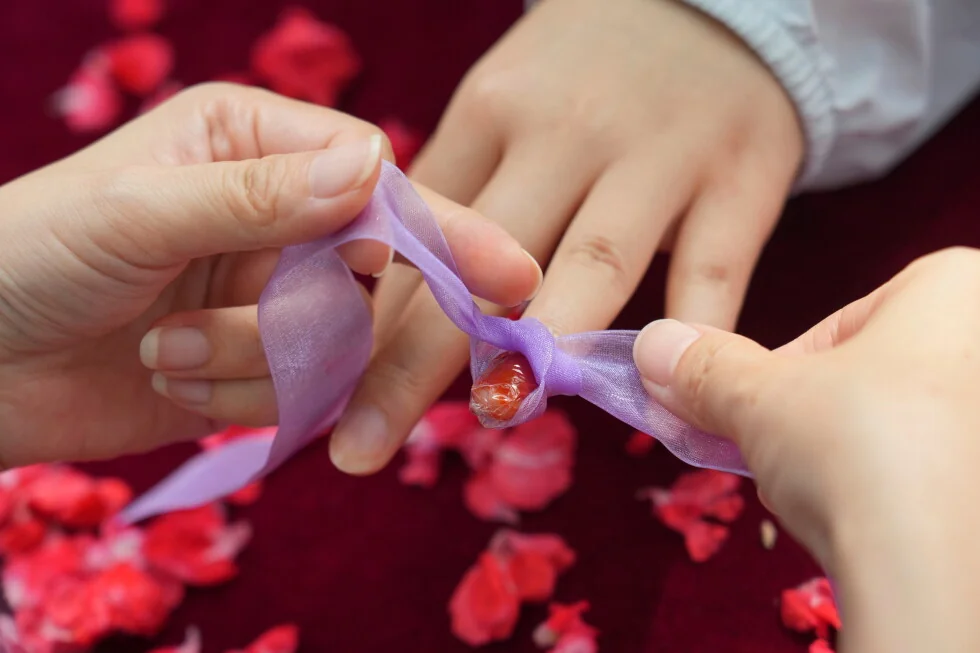
中国情人节源自传说与传统,超越了单纯的浪漫。
August 20th, 2026
中国情人节源自传说与传统,超越了单纯的浪漫。
🇨🇳 中文
Chinese Valentine’s Day is by no means confined to floral tributes and confectionery.
Beyond the amorous fervour embraced by certain contemporary couples, Qixi constitutes an archaic tradition steeped in myth, supplication, and cultural observances that persist to this very day.
The festival is solemnized on the seventh day of the seventh lunar month according to the Chinese calendar, which in 2026 corresponded to August 19.
Simultaneously, commemorative rites are held in Singapore, Vietnam, and a multitude of other Asian nations.
On Wednesday, Beijing’s Folk Custom Museum orchestrated a series of activities under the auspices of a program denominated “Asking for Skills,” thereby perpetuating a tradition intrinsic to Qixi, wherein women of yore supplicated for dexterity and exhibited their prowess through artisanal endeavors.
"It is our fervent hope that the younger generation will grasp the profound essence of our traditional festivities through immersive and interactive engagements," articulated Jia Juan, who serves within the museum's Department of Public Education.
Situated within Beijing’s Dongyue Taoist Temple, the museum has, over the past fourteen years, consistently orchestrated a program of Qixi-related events, each iteration attracting an audience of approximately five hundred attendees.
Wednesday's programme commenced with a recital of classical Chinese music, subsequently transitioning to interactive, family-oriented activities inspired by traditional Qixi customs.
One practice involved the application of garden balsam to fingernails, a natural pigment steeped in tradition and associated with notions of beauty and benediction.
Another showcased the art of Song brocade bead painting, which integrates a venerated Chinese silk textile with pearls emblematic of wholeness and auspiciousness.
Participants were encouraged to craft their own sachet-shaped Song brocade pearl paintings, with the endeavor intended to embody “qiqiao,” a principle predicated upon the relentless pursuit of consummate skill and manual dexterity.
Wang Xuejie was accompanied by her seven-year-old daughter, and together they meticulously crafted "qiaoguo," a confectionery delicacy produced by pressing dough into ornately carved molds.
“We were able to acquire a generalized comprehension of how, during the Qixi Festival in antiquity, maidens and women articulated their aspirations and anticipations regarding their own personal development,” Wang remarked.
Jia observed that Chinese girls commenced the practice of qiqiao during the Tang and Song dynasties, an era that extended from the seventh through the thirteenth centuries.
"The lineage of the Qixi Festival can be traced to the celestial reverence and astronomical inquiry practiced by antiquity's denizens," she expounded.
Historically, the Qixi festival has been structured around two cardinal elements: the first, inextricably linked to a legend, embodies its romantic essence, while the second pertains to the intricate practice of qiqiao.
In Chinese mythology, Zhinü, a celestial weaver maiden personified by the star Vega, becomes enamored with Niulang, a cowherd embodied by the star Altair.
Their illicit romance impels the Jade Emperor to decree their perpetual estrangement upon opposing banks of the Milky Way.
Annually, on the seventh day of the seventh lunar month, they are reunited upon a bridge conjured by magpies.
Jia observed that the earliest extant documentation of the Cowherd and Weaver Girl can be traced back to the pre-Qin era, preceding 221 B.C.
Subsequently, during the Han Dynasty, customs associated with qiqiao began to take shape and progressively develop.
Researcher Lynn Wong is fervently dedicated to the resurrection of the festival in Singapore through an initiative denominated Qixi Fest, a multi-day extravaganza that first materialized in 2023.
This year's iteration is slated to extend through the 23rd of August.
“We are endeavoring to forge the childhood recollections of this nascent generation of Singaporeans, ensuring they mature imbued with the narratives that our forebears themselves cherished,” Wong remarked.
She recollects that on one particular occasion, whilst engaged in discourse with a companion regarding Chinese festivals, she arrived at the profound realization that the term Qixi had never before crossed her awareness.
Subsequently, she undertook the endeavor of interviewing elder members of the community, who graciously imparted their cherished memories of the festival, and this meticulous research has been exhaustively chronicled within the pages of a published tome.
The observance of Qixi reached Singapore circa the 1930s, borne by Chinese women migrants.
A substantial male population had earlier established itself there in pursuit of employment, yet migratory currents subsequently underwent a transformation.
Alongside these women—particularly those hailing from China’s Guangdong region—arrived a corpus of customs and beliefs, several of which have since waned into obscurity.
"I feel that in my generation, we lost quite a lot of our roots," Wong said.
"I grew up with things like the Tooth Fairy, 'Hansel and Gretel' and 'Three Little Pigs,' but what about the stories that our foremothers grew up listening to?"
Hor Xin Hao, of Cantonese descent, stands among the scant few who perpetuate the traditional observance of Qixi in Singapore.
At the witching hour on the sixth night of the seventh lunar month, his kin erect a supplication altar facing the firmament before their domicile.
Their devotions extend past midnight as they proffer oblations to the Seven Maidens, the celestial sisterhood that includes the Weaver Girl.
Ritual offerings encompass incense, blossoms, perfume, cosmetics, and soap, which Hor asserted are believed to confer beauty and allure subsequent to their benediction by the cowherd and the seven maidens.
“I personally contend that the very notion of Valentine’s Day serves to constrict the festival’s original essence into something far more circumscribed,” asserted Hor, who regards Qixi as a commemoration of traditional values and ancestral heritage.
“It encapsulates the existential perspective that emerges from the dialectical interplay between the self and the cosmos,” he articulated.
The contribution was rendered by Olivia Zhang, who fulfills the dual role of reporter and video producer.
August 20th, 2026
Trending Articles

一个延续250年的恒量:美国人受骗的倾向
A 250-Year Constant: Americans’ Propensity for Dupery
一个延续250年的恒量:美国人受骗的倾向
A 250-Year Constant: Americans’ Propensity for Dupery
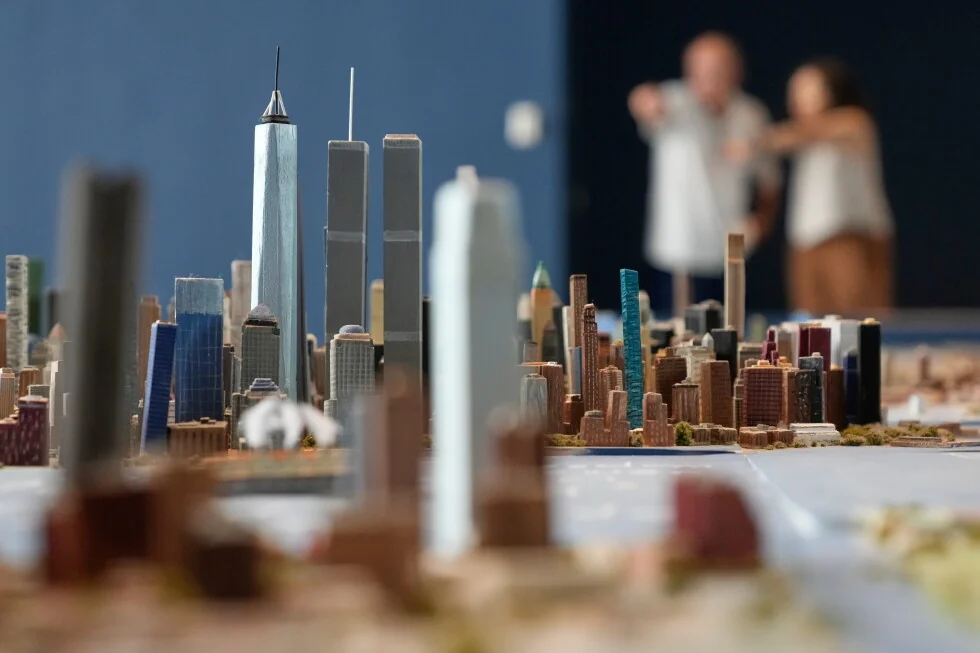
卡车司机为消遣建造的80万座建筑纽约市模型,如今成为博物馆展品
Trucker’s 800,000-structure NYC model, built for fun, becomes museum exhibit
卡车司机为消遣建造的80万座建筑纽约市模型,如今成为博物馆展品
Trucker’s 800,000-structure NYC model, built for fun, becomes museum exhibit

DoorDash与Uber Eats将为美国好市多门店提供配送服务
DoorDash and Uber Eats to Provide Delivery from US Costco Outlets
DoorDash与Uber Eats将为美国好市多门店提供配送服务
DoorDash and Uber Eats to Provide Delivery from US Costco Outlets

大卫·张主厨在CNN全新旅游系列节目中踏上一场横跨全国的烹饪奥德赛之旅
Chef David Chang Embarks on a Cross-Country Culinary Odyssey in CNN's New Travel Series
大卫·张主厨在CNN全新旅游系列节目中踏上一场横跨全国的烹饪奥德赛之旅
Chef David Chang Embarks on a Cross-Country Culinary Odyssey in CNN's New Travel Series

伟大的美国公路旅行:由其所催生的汽车所孕育,亦被其所侵蚀
The Great American Road Trip: Fostered and Undermined by the Automobile It Engendered
伟大的美国公路旅行:由其所催生的汽车所孕育,亦被其所侵蚀
The Great American Road Trip: Fostered and Undermined by the Automobile It Engendered

一颗从归零地寻回的高尔夫球:难以估量的损失之象征
A golf ball recovered from Ground Zero: an emblem of unfathomable loss
一颗从归零地寻回的高尔夫球:难以估量的损失之象征
A golf ball recovered from Ground Zero: an emblem of unfathomable loss
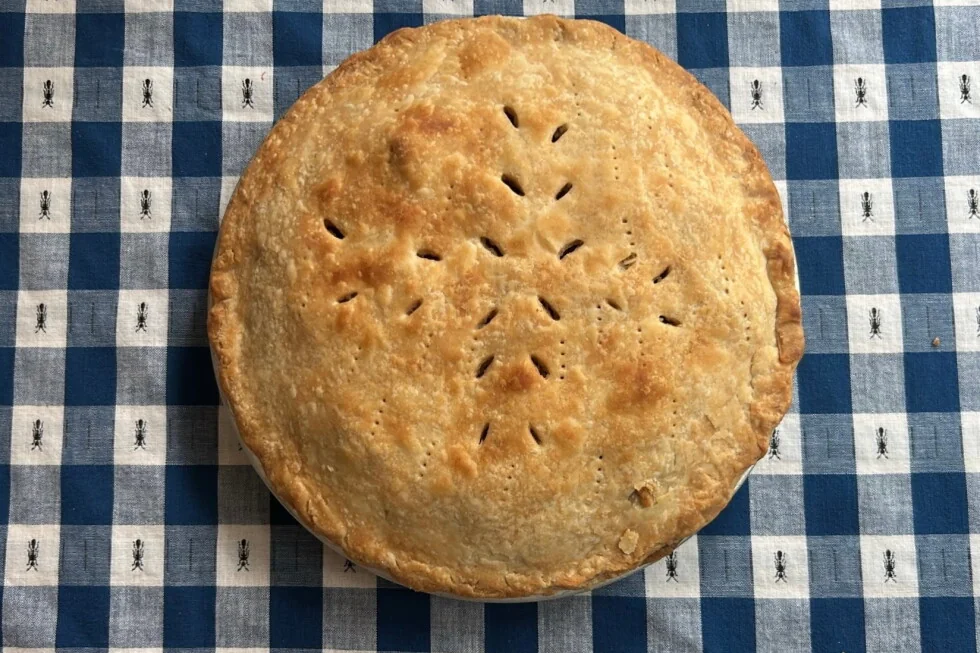
苹果派,与 motherhood 本身一样,成为了这个国家最具代表性的烹饪象征。
The apple pie, alongside motherhood itself, became the quintessential culinary emblem of a nation.
苹果派,与 motherhood 本身一样,成为了这个国家最具代表性的烹饪象征。
The apple pie, alongside motherhood itself, became the quintessential culinary emblem of a nation.

盖洛普民调显示,美国民众对学校的满意度已跌至历史最低点。
Gallup poll reveals Americans' satisfaction with schools has plummeted to historic lows
盖洛普民调显示,美国民众对学校的满意度已跌至历史最低点。
Gallup poll reveals Americans' satisfaction with schools has plummeted to historic lows
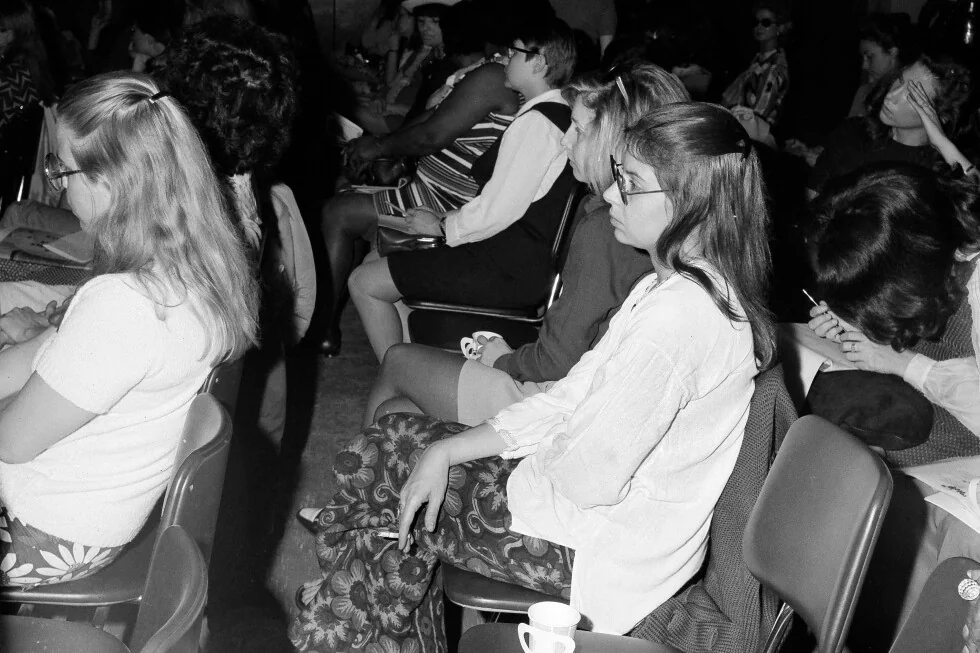
诗人兼女性主义者罗宾·摩根逝世,享年85岁,其盟友包括简·方达与格洛丽亚·斯泰纳姆。
Robin Morgan, poet and feminist whose allies included Jane Fonda and Gloria Steinem, dies at 85
诗人兼女性主义者罗宾·摩根逝世,享年85岁,其盟友包括简·方达与格洛丽亚·斯泰纳姆。
Robin Morgan, poet and feminist whose allies included Jane Fonda and Gloria Steinem, dies at 85
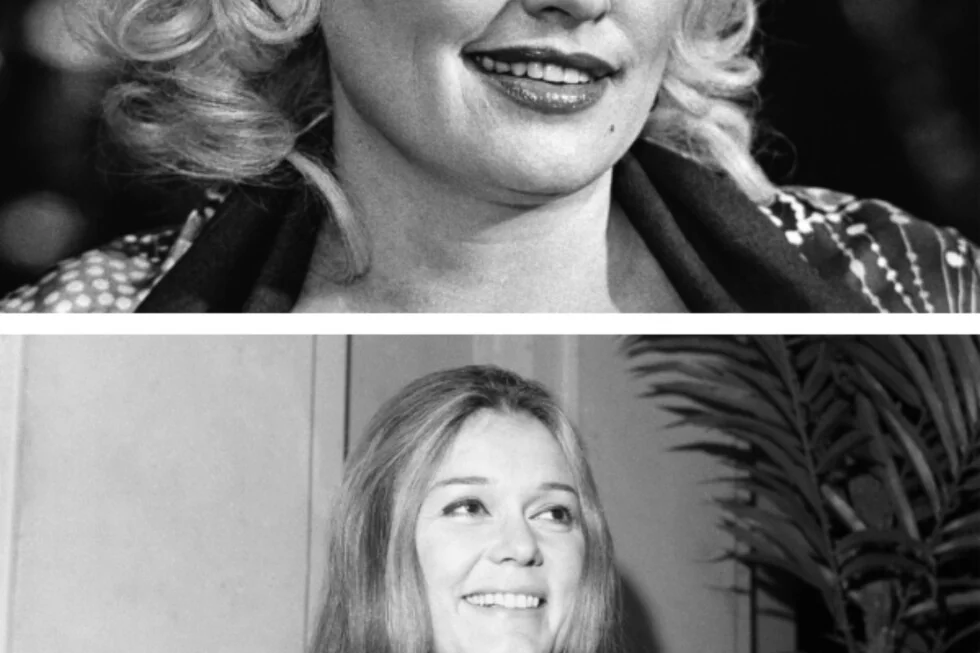
帕顿与斯泰纳姆的相继离世,给女权主义者带来了双重哀恸。
The proximate deaths of Parton and Steinem deliver a twofold bereavement to feminists.
帕顿与斯泰纳姆的相继离世,给女权主义者带来了双重哀恸。
The proximate deaths of Parton and Steinem deliver a twofold bereavement to feminists.