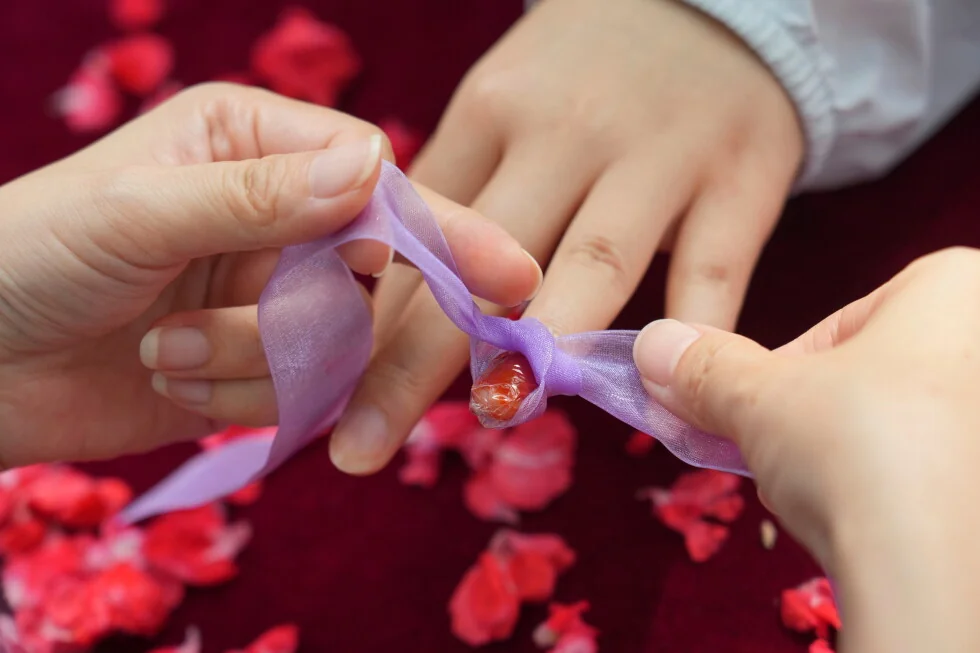
China's Valentine's Day comes from legends and traditions, not just romance.
August 20th, 2026
China's Valentine's Day comes from legends and traditions, not just romance.
🇺🇸 English
七夕是中國的傳統節日,不只是鮮花與巧克力。
它在農曆七月初七慶祝,2026年對應8月19日。
新加坡、越南等亞洲國家也有慶祝活動。
北京民俗博物館在「乞巧」計劃下舉辦活動。
工作人員賈娟說,希望年輕觀眾透過互動體驗了解傳統節日意義。
博物館已連續14年舉辦相關活動,每次約吸引500人。
活動包括古典音樂表演、鳳仙花染指甲,以及宋代錦緞珠畫製作。
參與者王雪潔帶女兒製作「巧果」糕點。
她說,這讓她們了解古代女孩如何表達成長願望。
賈娟指出,七夕源於古人對星星的崇拜,歷史可追溯至先秦時期。
漢代開始發展乞巧習俗。
在新加坡,研究員林恩·黃發起「七夕節」活動,希望復興這個節日。
她說,自己這一代失去了不少根源,想為新加坡人創造童年記憶。
來自廣東的何新豪保留傳統慶祝方式,包括在門前設祈禱桌、向七仙女獻上供品。
他認為情人節的想法縮小了節日原意,七夕應是對傳統價值觀和祖先遺產的慶祝。
August 20th, 2026
Trending Articles

Americans' satisfaction with schools has dropped to a low point, a new Gallup poll shows.
美國人對學校的滿意度降到低點,新的蓋洛普民調顯示
Americans' satisfaction with schools has dropped to a low point, a new Gallup poll shows.
美國人對學校的滿意度降到低點,新的蓋洛普民調顯示
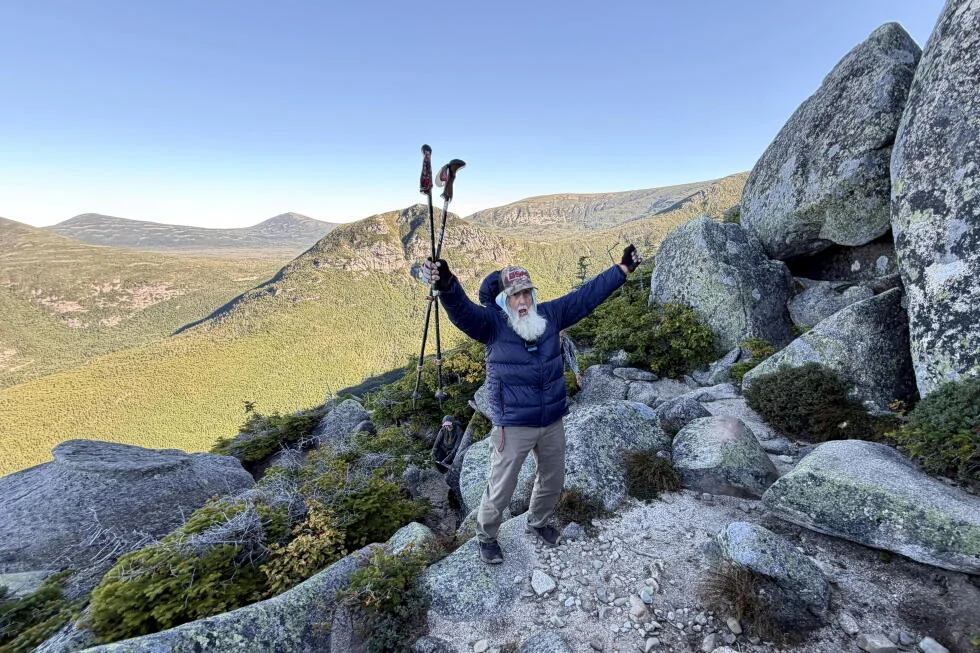
91-year-old "Graybeard" Dale Sanders once again became the oldest person to finish the Appalachian Trail.
91歲「灰鬍子」戴爾·桑德斯再次成為阿巴拉契亞小徑最年長的完成者
91-year-old "Graybeard" Dale Sanders once again became the oldest person to finish the Appalachian Trail.
91歲「灰鬍子」戴爾·桑德斯再次成為阿巴拉契亞小徑最年長的完成者
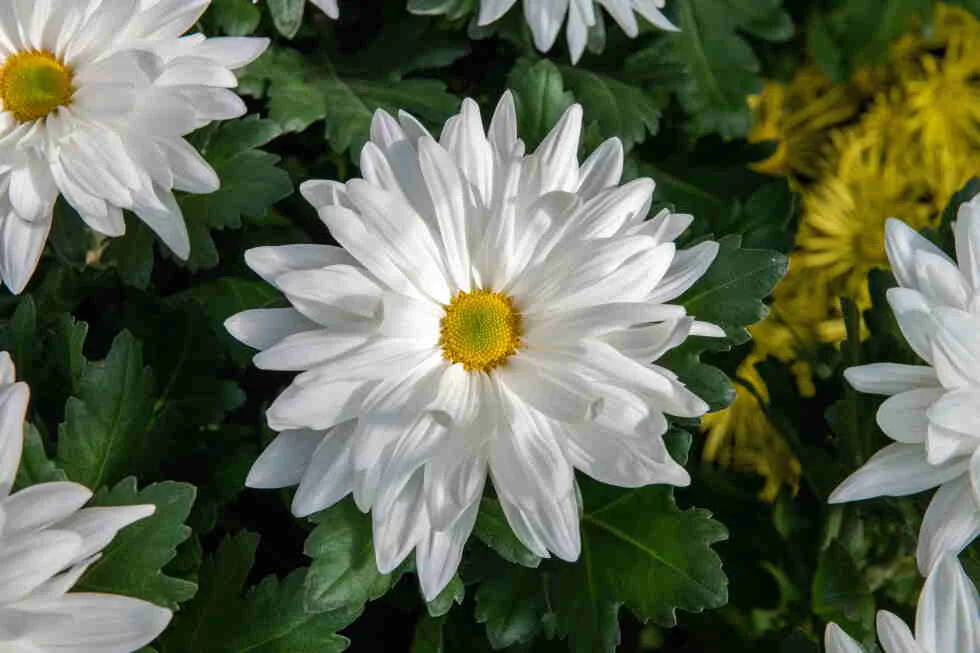
A Guide to Choosing Chrysanthemums for the Autumn Garden—Beyond the Classic Cushion Mum
秋季花園選菊指南——超越經典墊狀菊
A Guide to Choosing Chrysanthemums for the Autumn Garden—Beyond the Classic Cushion Mum
秋季花園選菊指南——超越經典墊狀菊
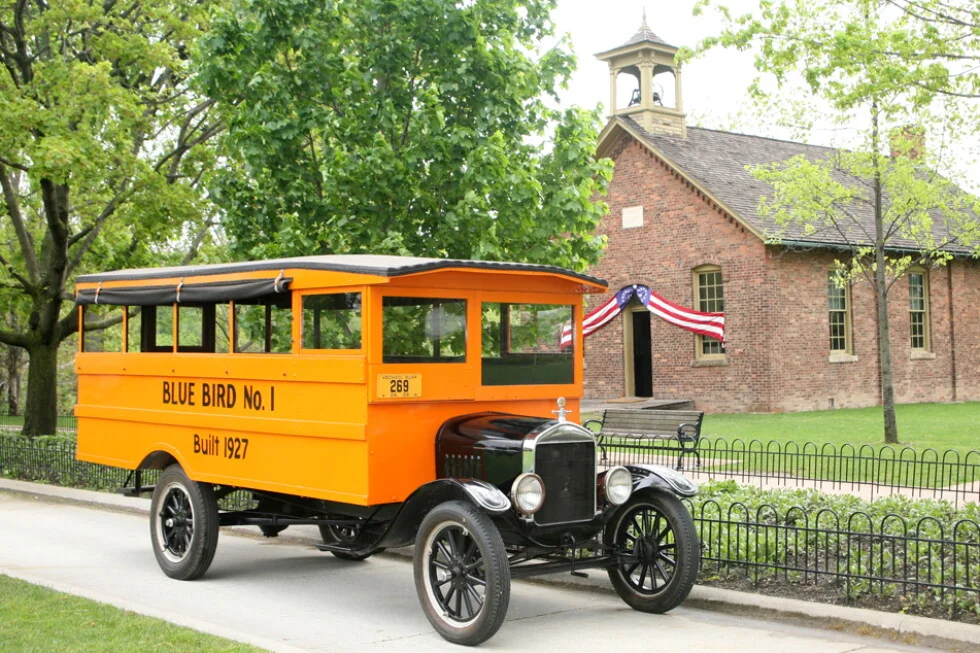
From rural routes to desegregation rides, the yellow school bus faces a new reality.
從鄉村路線到廢除種族隔離的接送,黃色校車面對新的現實
From rural routes to desegregation rides, the yellow school bus faces a new reality.
從鄉村路線到廢除種族隔離的接送,黃色校車面對新的現實

The question of Prince Harry returning to the UK: Can he make up with Prince William?
哈利王子回英國的疑問:他能和威廉王子重修舊好嗎?
The question of Prince Harry returning to the UK: Can he make up with Prince William?
哈利王子回英國的疑問:他能和威廉王子重修舊好嗎?
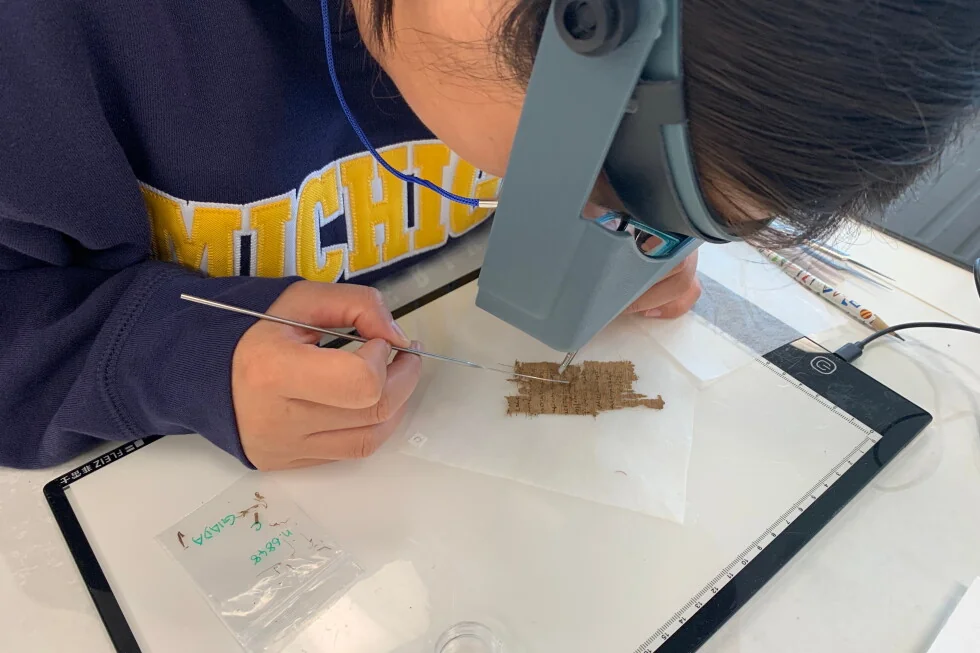
Enter one of the world's few crash courses in preserving and restoring ancient papyrus manuscripts.
走進全球少數的古紙莎草手稿保存與修護速成課程之一
Enter one of the world's few crash courses in preserving and restoring ancient papyrus manuscripts.
走進全球少數的古紙莎草手稿保存與修護速成課程之一
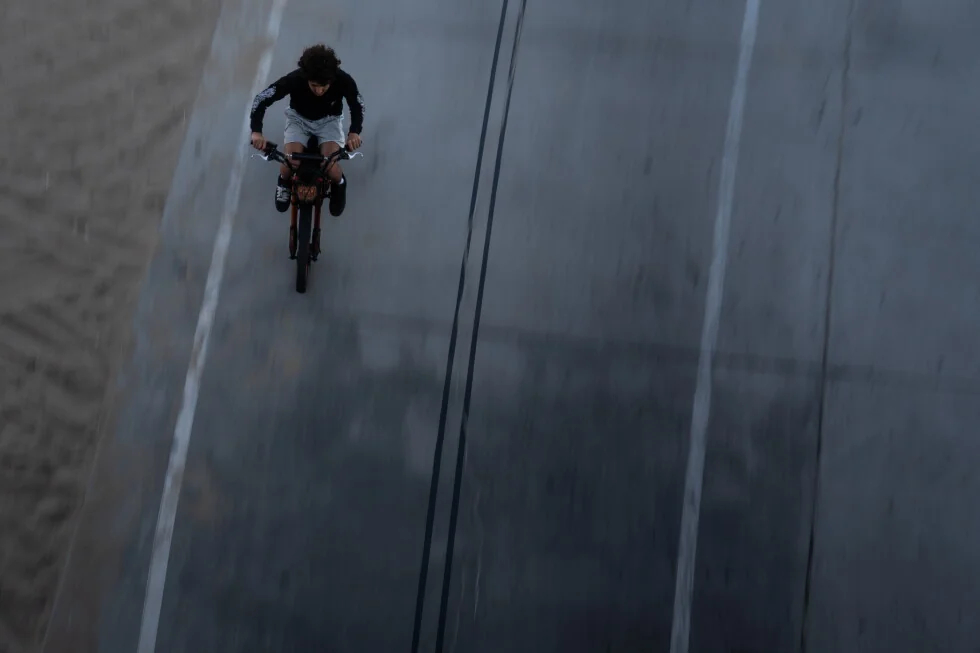
More and more children are getting hurt or dying while riding electric bikes: should parents be responsible?
兒童騎電動自行車受傷或死亡的事件愈來愈多:家長該負責嗎?
More and more children are getting hurt or dying while riding electric bikes: should parents be responsible?
兒童騎電動自行車受傷或死亡的事件愈來愈多:家長該負責嗎?
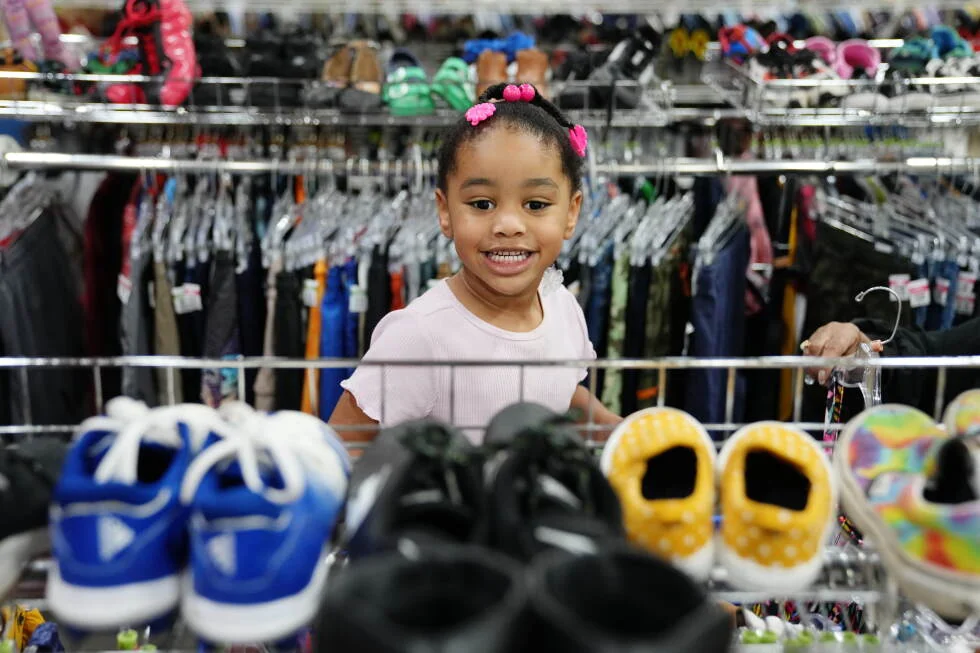
Families feel the pinch of higher children’s shoe prices as kids head back to school
孩子們要回學校了,家長感受到兒童鞋價格上漲的壓力。
Families feel the pinch of higher children’s shoe prices as kids head back to school
孩子們要回學校了,家長感受到兒童鞋價格上漲的壓力。
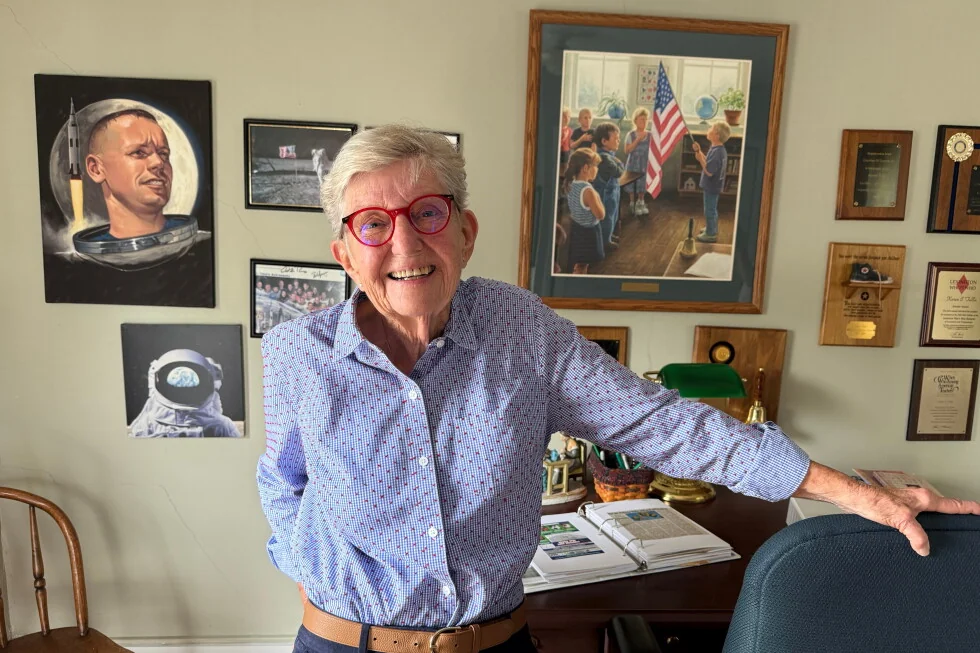
Home where astronaut Neil Armstrong’s childhood dreams of flying began is for sale
尼爾·阿姆斯壯童年夢想飛行的家正在出售
Home where astronaut Neil Armstrong’s childhood dreams of flying began is for sale
尼爾·阿姆斯壯童年夢想飛行的家正在出售