
For a century, journalists have adhered to voluntary codes of ethics—now editors are reengineering them for the age of artificial intelligence.
September 1st, 2026
For a century, journalists have adhered to voluntary codes of ethics—now editors are reengineering them for the age of artificial intelligence.
🇺🇸 English
步入某新聞編輯室的僻靜角落,您往往能察覺其蹤跡,悄然張貼於佈告欄之上,或許自咖啡壺後方隱約顯露——那是專業記者協會所頒布的職業道德規範。
全文不足千言,足以工整地陳列於單張海報的方寸之間。
然而,此等文字——依循新聞學四大核心原則之框架而構築——其分量之重,足以令丹·阿克塞爾羅德斷言,或能挽民主於既倒。
「恕我直言,」阿克塞爾羅德——現任SPJ道德委員會主席,曾長期擔任甘尼特公司商業記者——如是說。
「此乃捍衛民主之途,亦為守護社會之道。
倘若社會無記者存焉,則唯賴上天垂憐矣。」
阿克塞爾羅德不僅論及規範之存在,更強調其須不時更迭之必要性。
此乃一項耗費心力之鉅業,歷時約莫一載,並涵蓋無數時辰之會議與反饋,無論係線上抑或實體形式,皆須投入其中。
然而,鑑於媒體生態格局幾近朝夕變遷,新興科技層出不窮,SPJ遂斷言時機已然成熟——此乃十二年來之首度,亦為其規範百年歷程中僅見之第六回。
此項任務之嚴肅性,促使委員會與諸位媒體倫理專家,於歷經多次線上研討之後,於六月齊聚印第安納波利斯。
顯而易見,此舉絕非消磨週末之最輕鬆途徑。
「情緒之激盪,勢必臻於極致,」阿克塞爾羅德如是言道。
「嗯,並無肢體衝突,」其同僚克里斯·羅伯茨戲謔道,此君身兼委員會副主席與阿拉巴馬大學新聞學教授之職。
他進一步闡釋,箇中經歷了「大量的文字錘鍊」。
結果:未見白煙裊裊,然則有一份凡九百六十七字之規範草案已然成形,較諸現行規範,篇幅增益七十三字。
然而,何以必須進行此番更新?
首要動因——此乃意料之中——即在於人工智能之迅猛崛起。
「我們正審慎考量人工智能及其在新聞機構中的應用,甚至有時是濫用,」羅伯茨表示,「鑑於他們面對此一新興技術,它雖能為其節省開支,然若未能以有效且合乎倫理之方式運用,亦恐衍生諸多弊端。」
另一個棘手的層面涉及「專業記者」此一術語本身的定義。
近年來,獨立且所謂的「創作者記者」數量激增,其規模之鉅,實屬前所未見。
SPJ主張,此一群體亦應受相應規範之約束與指引。
(一如既往,此類規範乃屬自願性質之準則,並不具備任何強制效力。)
一個至關重要的目標,在於化解該領域所面臨的根本性生存威脅:公眾對媒體的信任度正呈現出日益加劇的侵蝕趨勢。
「我們所論及的,是一個對我們信賴已大不如前的世界,」羅伯茨如是說。
「我們所論及的,是那些政客與權貴,他們竭盡全力打擊新聞業,只因新聞業敢於揭露其弊病。
與此同時,新聞業的商業模式在財務層面經歷了劇烈變革,如今有三分之一的記者已不再隸屬於傳統新聞機構。」
「凡此種種,乃至更為深遠之事,皆為吾輩重新審視之充分理據,」他言道,「並足以警醒世人:某些準則理應成為普世標竿,無論其身分是否自詡為新聞從業者,抑或其服務平台之型態為何。」
SPJ,肇基於1909年,麾下雲集全國近四千名成員。
1926年,該組織首度採納其職業道德規範;繼而於1948年,復設立道德委員會,並歷經五次規範之修訂——最近一次修訂則於2014年完成。
四項亙古不變的核心原則:「探求真相,如實報導。」「竭力避免造成傷害。」「秉持獨立,不受羈絆。」「肩負責任,坦然透明。」
然而,諸多其他層面已然歷經變遷。
草案所附之報告指出,隨著行業日漸式微,傳統新聞編輯室之職位正逐步削減。
與此同時,該報告亦表明,公民記者、自由撰稿人、網絡意見領袖及評論員之數量呈現顯著增長。
報告援引皮尤研究中心之數據,顯示2023年竟有整整三分之一之記者係以自由職業或自僱之形式從業。
該報告亦進一步指出,監督職能之新聞機構的能見度日趨式微,加之「缺乏新聞專業背景之個人、組織及私人投資者,藉由收購或創設新聞資產,進而左右新聞報導內容、干預編輯方針,並藉此推行其個人政治或商業議程」之現象,實為當前媒體生態中值得深究之隱憂。
SPJ表示,生成式人工智能及其他新興技術的迅猛崛起——無論在新聞領域抑或其他範疇——已然引發了諸多倫理層面的深刻省思。
因此,新添之一行明言:「切記,速度、技術或媒介皆不得成為失實或不公之託辭。記者對其工作負有倫理之責,無論所採工具與技術為何。」
質言之:責任繫於記者,縱使人工智能或有所言。
「我們絕不容許任何人以技術為託辭,聲稱自身無法以合乎道德且具透明度的方式產出內容,」羅伯茨如是說。
該提案草案——在當前徵詢期結束後,將於十月交由更廣泛的組織進行表決——並未明確點名人工智能,僅泛指工具與技術,藉此確保其能因應技術演進而維持時效性。
此外,草案亦涵蓋其他議題,諸如內容驗證、虛假資訊、犯罪報導及偽造影像等範疇。
一個尤為引人矚目、且勢必激起廣泛論辯的增補,在於此句:「警惕並勇於究責掌權者,同時抵銷對弱勢者所施加的不公邊緣化。」
引人深思的是,它究竟取代了何物。
原文宣稱:「為無聲者發聲。」
此一措辭之所以備受質疑,乃因其預設了某些群體本質上缺乏發聲之能力。
委員會成員埃里克·德格斯指出:「問題並非在於他們缺乏發聲的渠道,而在於主流新聞媒體往往對其視而不見,甚至對其存在渾然不覺。」
「我們所欲闡明者,」德格斯——NPR之評論員,亦為華盛頓與李大學媒體倫理學教授——言道,「乃存在此般觀點,即若干群體或遭新聞報導所邊緣化……(記者)理應於相關情境中戮力將其納入,尤當此舉能增益報導之精確性時。」
鑑於產業格局之嬗變,吾人不禁思忖一更為宏觀之命題:單一規範能否普世適用於眾生?
抑或其終將淪為徒具形式而乏人問津之空文?
「我們絕不應迴避此議題,」現任SPJ主席克里斯·瓦卡羅回應道,「縱使行業生態正歷經變遷,抑或記者之定義已然重塑。」
瓦卡羅篤信,這部業經譯為多種語言的規範,必將為眾多人士所恪遵。
他進而言道,新聞編輯室內那方佈告欄,如今已然化身為整個寰宇。
「我們絕無可能預設此物無人問津,抑或無人關切,更不會假定新聞業已歷經如此天翻地覆之變革,以致其淪為無足輕重之存在,」瓦卡羅言道。
「其重要性,實乃不言而喻。」
德格斯闡述道,他執教兩門倫理學課程,而這兩門課程皆以SPJ規範為研習之核心。
然而,此規範之關鍵效用遠不止於培育初出茅廬的記者。
「倘若你身處一個長期施行威權統治、或缺乏深厚新聞自由傳統的國度,你該如何釐清運作之道?
屆時,你便會援引SPJ規範,對吧?」
德格斯殷切期盼更多現職記者能對這份規範展開鞭辟入裡的批判性檢視。
還有其他人:「我殷切期盼若干新聞機構的掌舵者能審閱這份規範,因為他們屢屢對旗下員工施加壓力,迫使其從事違背倫理的行徑,而員工必須在恪守新聞專業操守之餘,同時竭力迎合僱主的期許。」
September 1st, 2026
Trending Articles
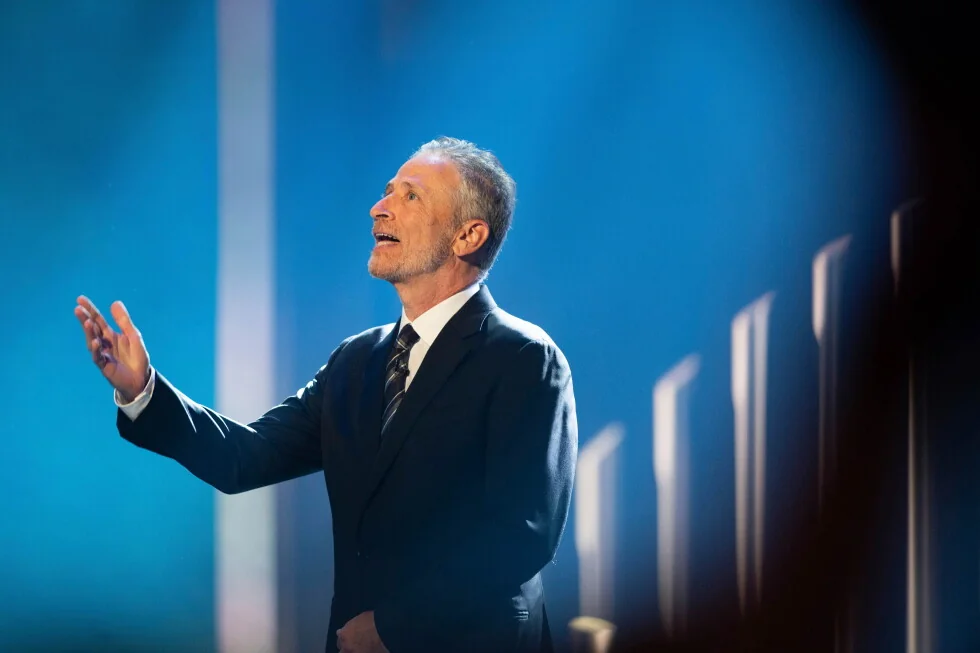
Jon Stewart expounds on the rationale behind his sustained philanthropic support for first responders
喬恩·史都華闡述其持續慈善支持急救人員之緣由
Jon Stewart expounds on the rationale behind his sustained philanthropic support for first responders
喬恩·史都華闡述其持續慈善支持急救人員之緣由
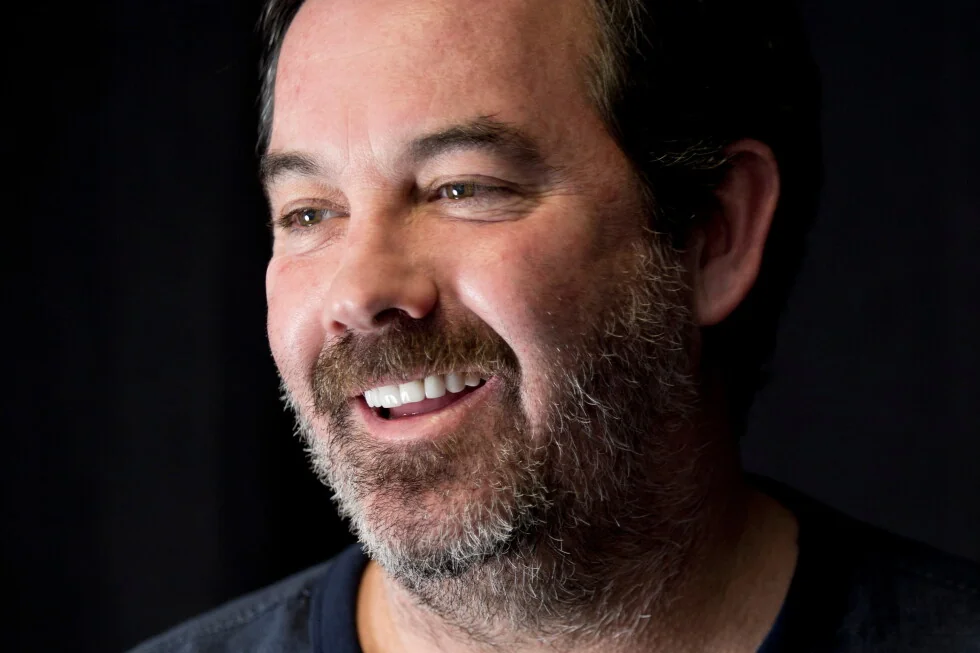
Tony Award and Grammy Award winner Duncan Sheik, the composer of Spring Awakening and a pop singer, has passed away at the age of 56.
東尼獎與葛萊美獎得主、《春醒》作曲家兼流行歌手鄧肯·謝克辭世,享年56歲
Tony Award and Grammy Award winner Duncan Sheik, the composer of Spring Awakening and a pop singer, has passed away at the age of 56.
東尼獎與葛萊美獎得主、《春醒》作曲家兼流行歌手鄧肯·謝克辭世,享年56歲
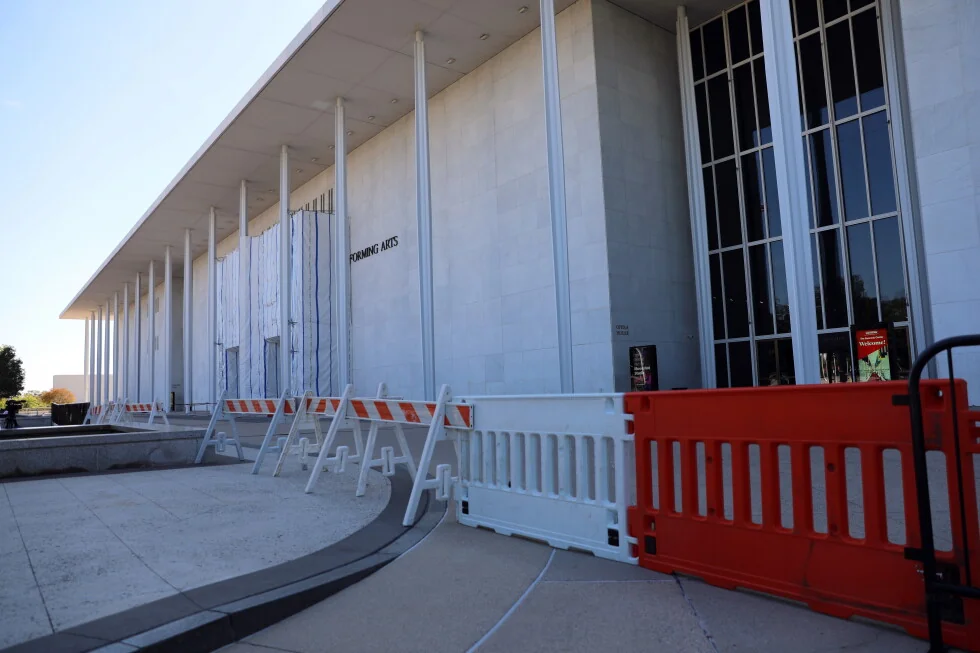
The judge ordered that the Kennedy Center must give 30 days' advance notice before any major physical alterations.
法官令甘迺迪中心重大物理變更前須提前30天報備
The judge ordered that the Kennedy Center must give 30 days' advance notice before any major physical alterations.
法官令甘迺迪中心重大物理變更前須提前30天報備

Having returned from Los Angeles laden with accolades, conductor Dudamel is moving on to New York.
洛杉磯載譽歸來,指揮家杜達美爾轉戰紐約
Having returned from Los Angeles laden with accolades, conductor Dudamel is moving on to New York.
洛杉磯載譽歸來,指揮家杜達美爾轉戰紐約

"Pittsburgh" strives to defend its title, while "Widow's Bay" may set off an epic wave, as the Emmy Awards make a much-anticipated appearance.
《匹茲堡》力爭衛冕,《寡婦灣》或掀史詩級浪潮,艾美獎矚目登場
"Pittsburgh" strives to defend its title, while "Widow's Bay" may set off an epic wave, as the Emmy Awards make a much-anticipated appearance.
《匹茲堡》力爭衛冕,《寡婦灣》或掀史詩級浪潮,艾美獎矚目登場

Bob Mackie Dies at 87: The Legendary Designer Who Dressed Cher and Marilyn and Defined 1970s Glamour
鮑勃·麥基逝世,享年87歲:為雪兒與瑪麗蓮設計服裝、定義70年代魅力的傳奇設計師
Bob Mackie Dies at 87: The Legendary Designer Who Dressed Cher and Marilyn and Defined 1970s Glamour
鮑勃·麥基逝世,享年87歲:為雪兒與瑪麗蓮設計服裝、定義70年代魅力的傳奇設計師

Film Review: *Magic Hour 2* Ought to Have Stayed True to the Original Spellbook
影評:《魔法時刻2》理應忠於原版魔法書
Film Review: *Magic Hour 2* Ought to Have Stayed True to the Original Spellbook
影評:《魔法時刻2》理應忠於原版魔法書

A French museum has been burglarized, with four paintings by Renoir stolen, two of which remain unaccounted for to this day.
法國博物館遭竊,四幅雷諾瓦畫作被盜,其中兩幅至今下落不明
A French museum has been burglarized, with four paintings by Renoir stolen, two of which remain unaccounted for to this day.
法國博物館遭竊,四幅雷諾瓦畫作被盜,其中兩幅至今下落不明

Elon Musk documentary and thriller starring Penélope Cruz and Javier Bardem premiere at the Venice Film Festival
伊隆·馬斯克紀錄片與潘妮洛普·克魯茲、哈維爾·巴登主演驚悚片威尼斯影展首映
Elon Musk documentary and thriller starring Penélope Cruz and Javier Bardem premiere at the Venice Film Festival
伊隆·馬斯克紀錄片與潘妮洛普·克魯茲、哈維爾·巴登主演驚悚片威尼斯影展首映
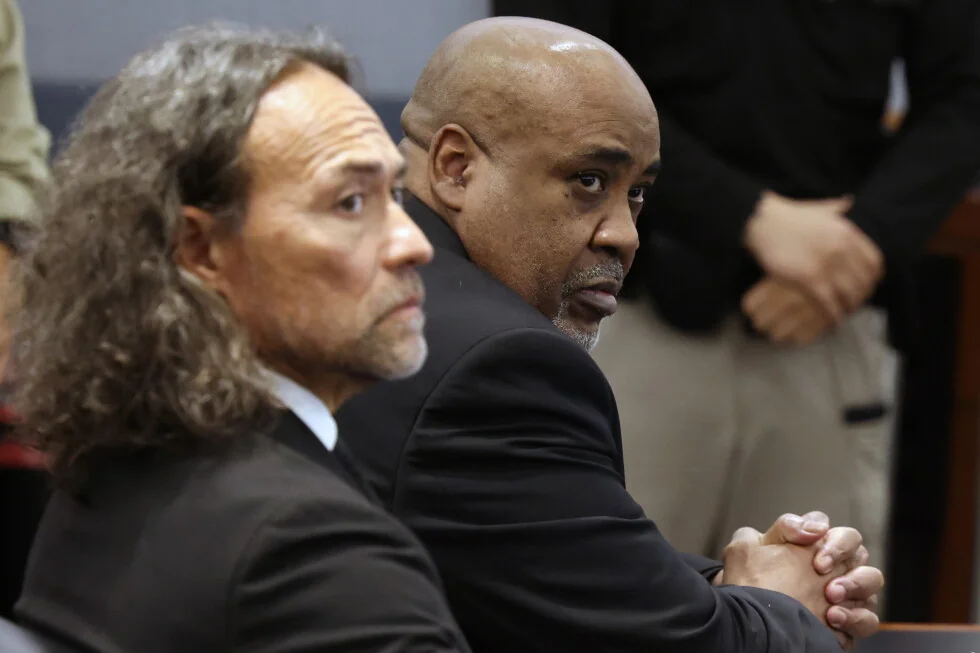
The jury found the man guilty of first-degree murder in the 1996 slaying of rap icon Tupac Shakur.
陪審團裁定男子於1996年謀殺饒舌偶像圖帕克·夏庫爾一案中一級謀殺罪成立
The jury found the man guilty of first-degree murder in the 1996 slaying of rap icon Tupac Shakur.
陪審團裁定男子於1996年謀殺饒舌偶像圖帕克·夏庫爾一案中一級謀殺罪成立