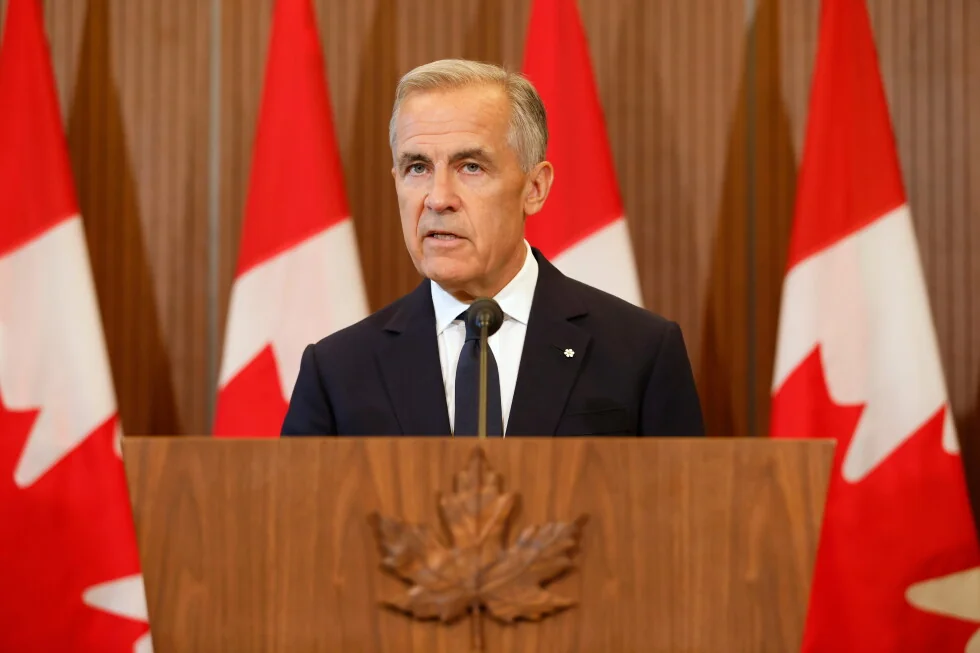
Fact check: Trump's claim that American banks cannot operate in Canada is false.
September 8th, 2026
Fact check: Trump's claim that American banks cannot operate in Canada is false.
🇺🇸 English
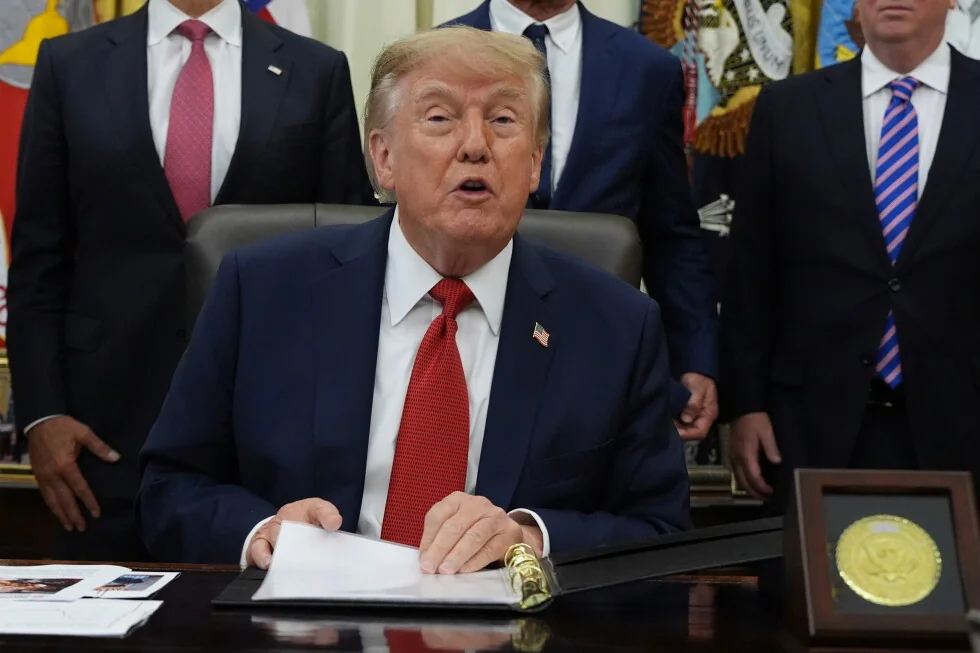
周三,当被问及与加拿大的贸易冲突时,总统唐纳德·特朗普错误地断言,美国银行被禁止与该北方邻国开展业务往来。
这一指控是在椭圆形办公室与美国旅游业高管会晤期间提出的,当时有记者询问特朗普两国之间是否存在重启贸易谈判的意向。
专家指出,尽管美国银行或许会面临某些制约,但它们并未被明令禁止在加拿大境内开展业务。
以下是对事实的详尽剖析。
特朗普:“他们在我们这里设有他们的银行,加拿大银行,他们所有的大型银行——那些庞大而气派的银行。
我认为他们在此地拥有六七家主要银行。
而我们却没有一家银行设在他们那里。
你知道缘由何在吗?
因为他们不允许。”
事实:据加拿大银行家协会发言人所述,目前共有15家美国银行以分行或子公司的形式在加拿大境内运营。
专家指出,尽管某些监管限制可能令美国银行在加拿大市场竞争中面临挑战,但它们仍可自由进入该市场。
依据美联储最新数据,有8家加拿大银行在美国开展业务。
加拿大银行并不在此列——它作为加拿大的中央银行,职能上相当于美国的美联储,而非商业银行。
加拿大安大略省滑铁卢大学的金融学教授詹姆斯·汤普森指出:“我认为,部分困惑源于美加两国监管框架的差异。
美国银行固然获准在加拿大运营,但它们进入加拿大市场的方式会限制其业务范围。”
加拿大的银行业体系可划分为三大类别——附表I、附表II及附表III。
其中,附表I囊括了本土注册的金融机构。
在该类别中,六家主要银行占据主导地位,其资产总额之巨,竟超越了其余二十八家规模较小银行资产的总和。
外国实体可选择以附表II或附表III银行的身份开展运营。
附表II银行系在加拿大注册的外国子公司,其运作基本遵循与国内银行相同的监管框架。
附表III银行则为外国银行在加拿大设立的分行,此类机构未在加拿大注册,因而须受诸如最低存款额设限较高等监管约束。
美国所持银行多数以附表III机构的形态在加拿大运营。
加拿大银行家协会发言人娜塔莉·伯格龙指出,在加拿大境内运营的美国银行分支及附属机构所持有的总资产规模约为1,240亿加元(折合901亿美元),这一数额占据了所有外资银行附属机构及分支所持资产总额的一半以上。
她指出:“这些金融机构致力于提供全面的金融服务,涵盖企业贷款与商业信贷、资金管理、信用卡产品、投资银行业务及抵押贷款融资等范畴。
它们不仅服务于从事跨境商业活动的客户群体,同时也兼顾加拿大本土零售市场的需求。”
在加拿大境内开展业务的美国银行包括摩根大通银行、花旗银行、美国银行、第一资本及富国银行。
附表II和附表III类银行均受加拿大银行业监管框架的制约。
加拿大C.D.豪威研究所总裁兼首席执行官、金融与货币政策专家杰里米·克罗尼克解释,附表III类银行不得接受低于15万美元(约合72,529美元)的存款,这意味着大多数人无法将其用作零售银行。
他补充说,由于附表II类银行是独立于其外国母公司的法人实体,它们需要建立自己的本地资本和流动性结构——从银行角度看,这一安排效率不高。
这些限制或许正是多数美国银行不愿涉足加拿大市场的根本原因。
据美联储数据,美国本土持有的商业银行超过3,700家,而加拿大仅有15家。
汤普森表示,加拿大市场相对有限,现有银行已颇具规模,凭借成熟的品牌、广泛的分行网络和长期的客户关系占据优势。
对于有意进入的美国银行而言,建立必要的基础设施以与加拿大零售客户竞争将付出高昂代价,且初期仅能在这一本已有限的市场中争取到微小份额。
白宫方面并未即刻就置评请求作出任何回应。
本文最初于2026年9月3日发布,并于2026年9月8日进行修订,以更正美国银行在加拿大运营的分行及子公司所持资产之数额。
其总资产估值约为901亿美元,具体数额随汇率波动而定,而非先前所述的9.04亿美元。
September 8th, 2026
Trending Articles
Buffett steps down as Berkshire chairman, succession plan takes next step
巴菲特卸任伯克希尔董事长,继任计划迈出下一步
Buffett steps down as Berkshire chairman, succession plan takes next step
巴菲特卸任伯克希尔董事长,继任计划迈出下一步
Trump escalates his crackdown on news media, announcing that CNN, MS NOW, and Politico will be barred from the White House
特朗普扩大对新闻媒体的打击,宣布将禁止CNN、MS NOW和Politico进入白宫
Trump escalates his crackdown on news media, announcing that CNN, MS NOW, and Politico will be barred from the White House
特朗普扩大对新闻媒体的打击,宣布将禁止CNN、MS NOW和Politico进入白宫
The Bank of Japan raised interest rates to 1.25%, a 31-year high.
日本央行加息至1.25%,创31年新高
The Bank of Japan raised interest rates to 1.25%, a 31-year high.
日本央行加息至1.25%,创31年新高
Anthropic says Claude is helping build its next-generation model
Anthropic称Claude正助力构建其下一代模型
Anthropic says Claude is helping build its next-generation model
Anthropic称Claude正助力构建其下一代模型
Why is the Federal Reserve raising interest rates at this moment, and what does it signify behind it all?
美联储此刻为何加息,其背后意味着什么
Why is the Federal Reserve raising interest rates at this moment, and what does it signify behind it all?
美联储此刻为何加息,其背后意味着什么
Oil prices and bond yields retreated, and US stocks rallied for their best single-day performance in six weeks.
油价与债券收益率回落,美股 rally 创六周最佳单日表现
Oil prices and bond yields retreated, and US stocks rallied for their best single-day performance in six weeks.
油价与债券收益率回落,美股 rally 创六周最佳单日表现
The Federal Reserve raised interest rates for the first time in three years, disregarding Trump's calls for rate cuts.
美联储三年来首次加息,无视特朗普的降息呼吁
The Federal Reserve raised interest rates for the first time in three years, disregarding Trump's calls for rate cuts.
美联储三年来首次加息,无视特朗普的降息呼吁
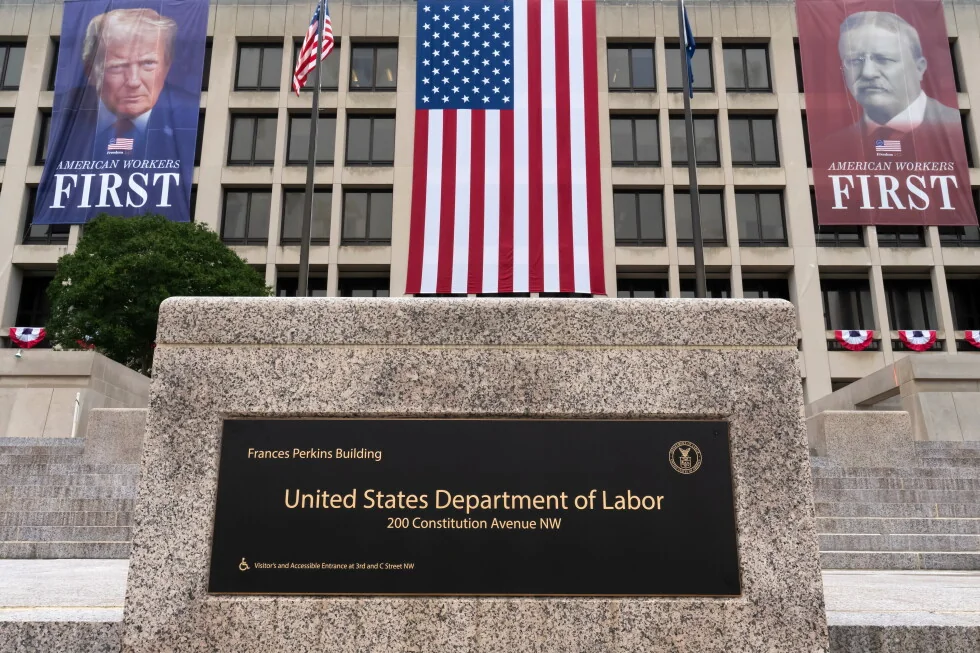
Jobless claims fall to 196,000, the lowest since mid-July, with layoffs remaining low
失业救济申请降至19.6万,创7月中旬以来新低,裁员维持低位
Jobless claims fall to 196,000, the lowest since mid-July, with layoffs remaining low
失业救济申请降至19.6万,创7月中旬以来新低,裁员维持低位
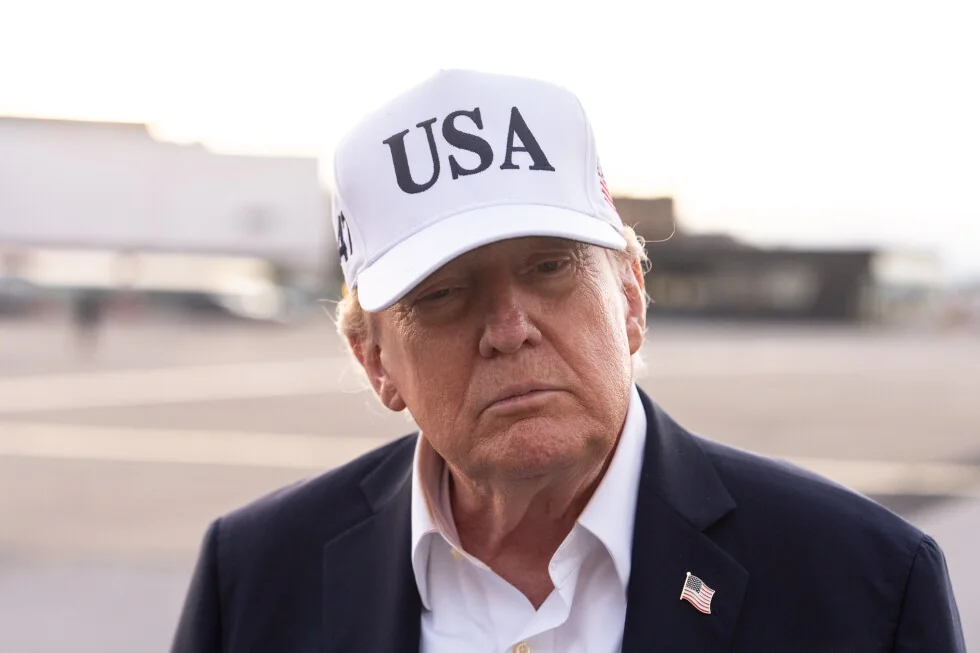
Trump calls AI risk a "hoax," pointing to a "sick conspiracy" against AI and data centers.
特朗普称人工智能风险是“骗局”,并指存在针对人工智能和数据中心的“病态阴谋”
Trump calls AI risk a "hoax," pointing to a "sick conspiracy" against AI and data centers.
特朗普称人工智能风险是“骗局”,并指存在针对人工智能和数据中心的“病态阴谋”
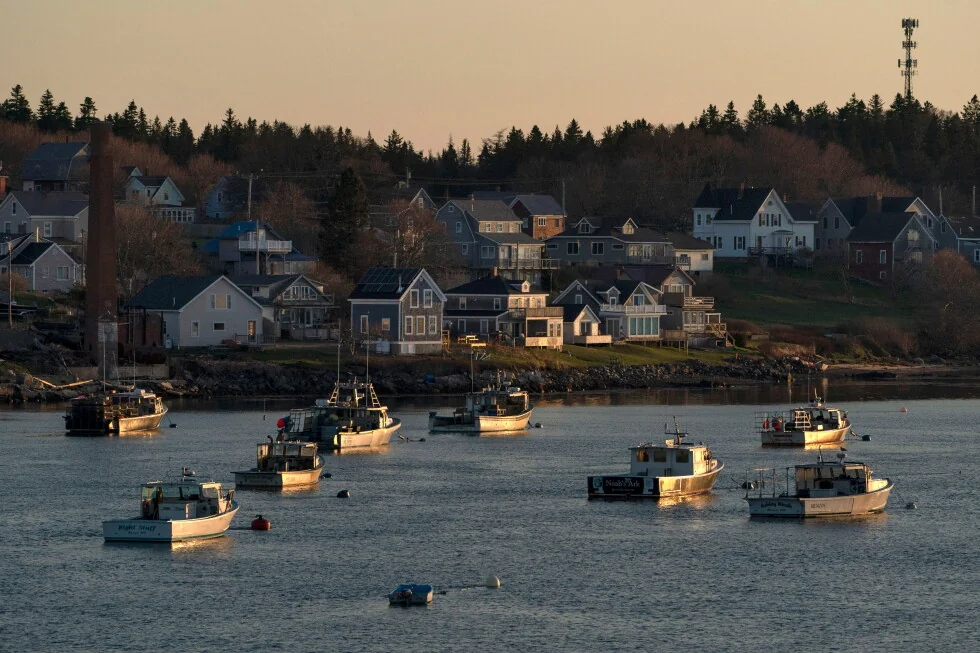
The Supreme Court will decide whether to hear a challenge by Maine lobster fishermen to a requirement for GPS vessel tracking devices.
最高法院将裁定是否受理缅因州龙虾渔民对GPS船只追踪器要求的挑战
The Supreme Court will decide whether to hear a challenge by Maine lobster fishermen to a requirement for GPS vessel tracking devices.
最高法院将裁定是否受理缅因州龙虾渔民对GPS船只追踪器要求的挑战